




Interior and exterior confidence
Create Academy has been such a great resource. I'm in the middle of renovating a bungalow with a very large garden and the courses have offered a wealth of inform...
Harvey
Jun 10, 2026
The Art of Gardening at Sissinghurst
with TROY SCOTT SMITH — Head Gardener at Sissinghurst. Garden Writer, Speaker & Lecturer.
Lesson 55 of 56

Subscribe to watch
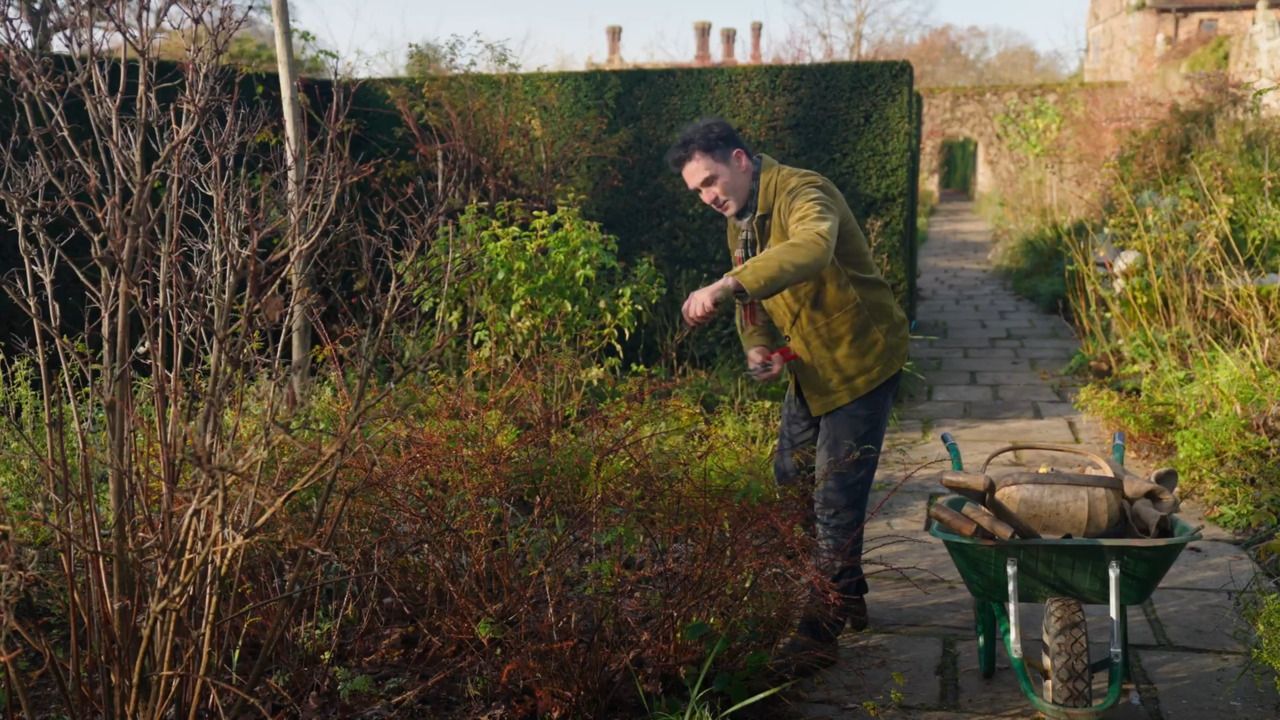
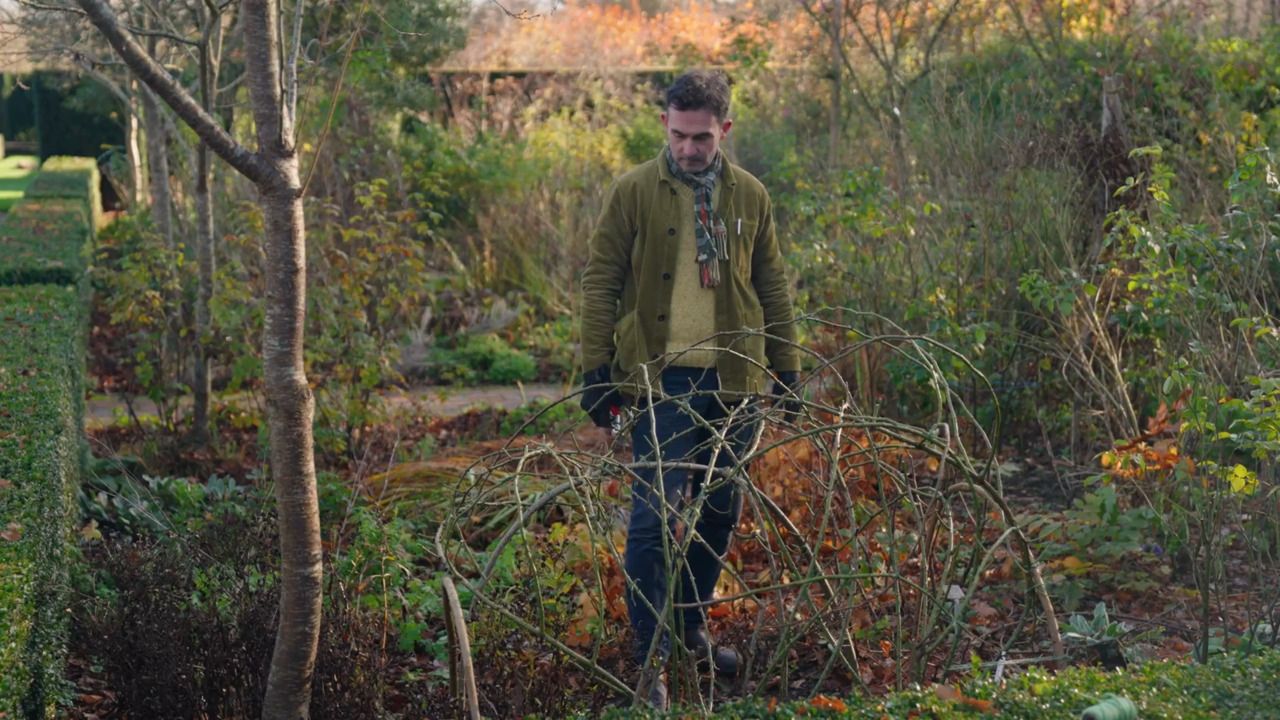
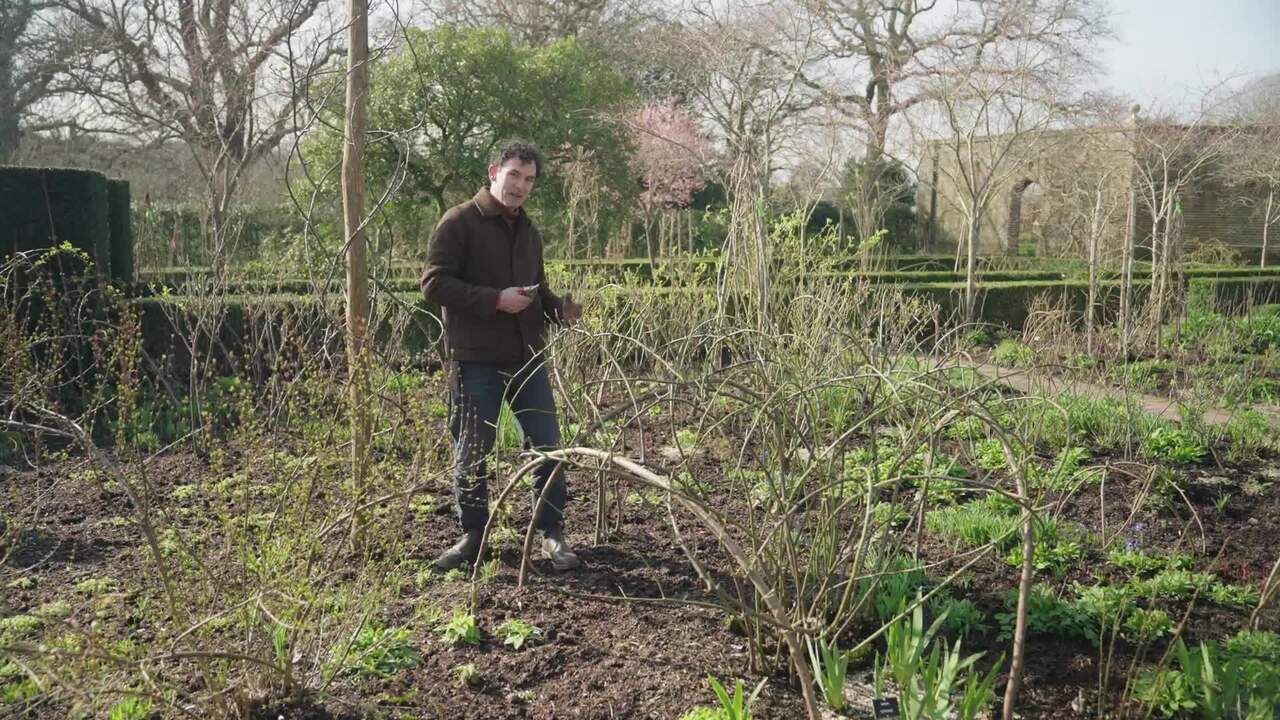
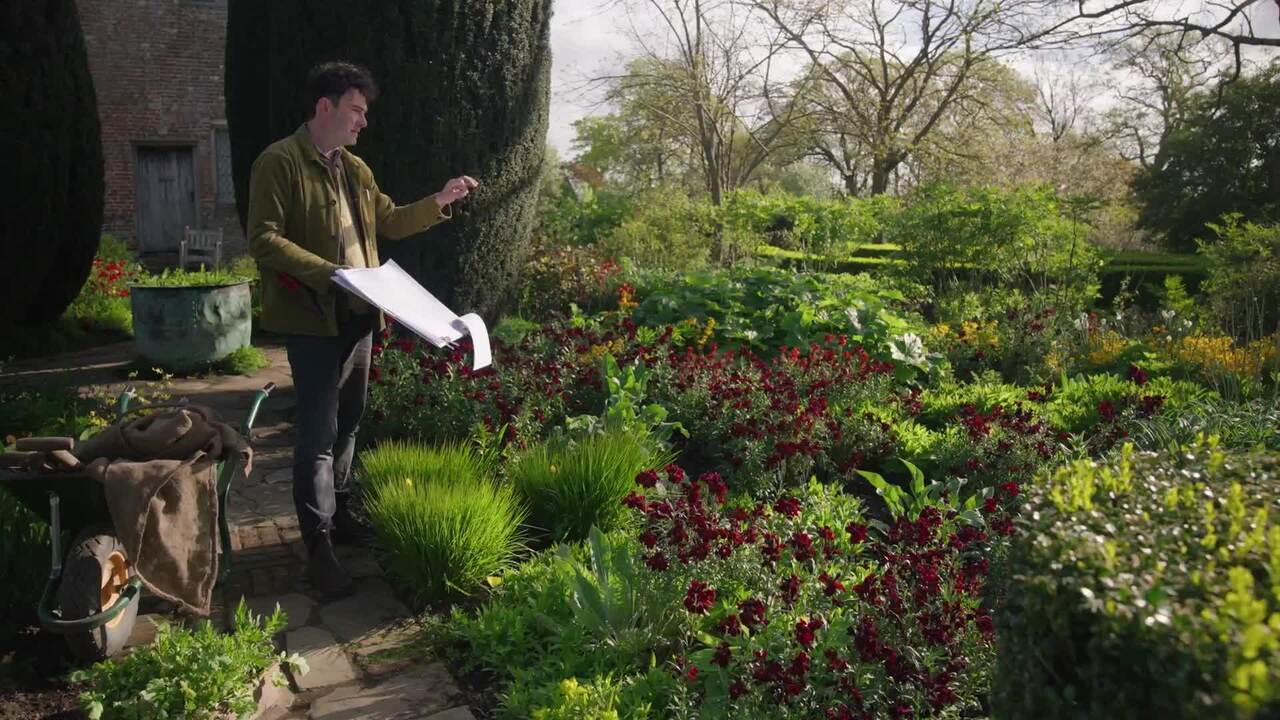
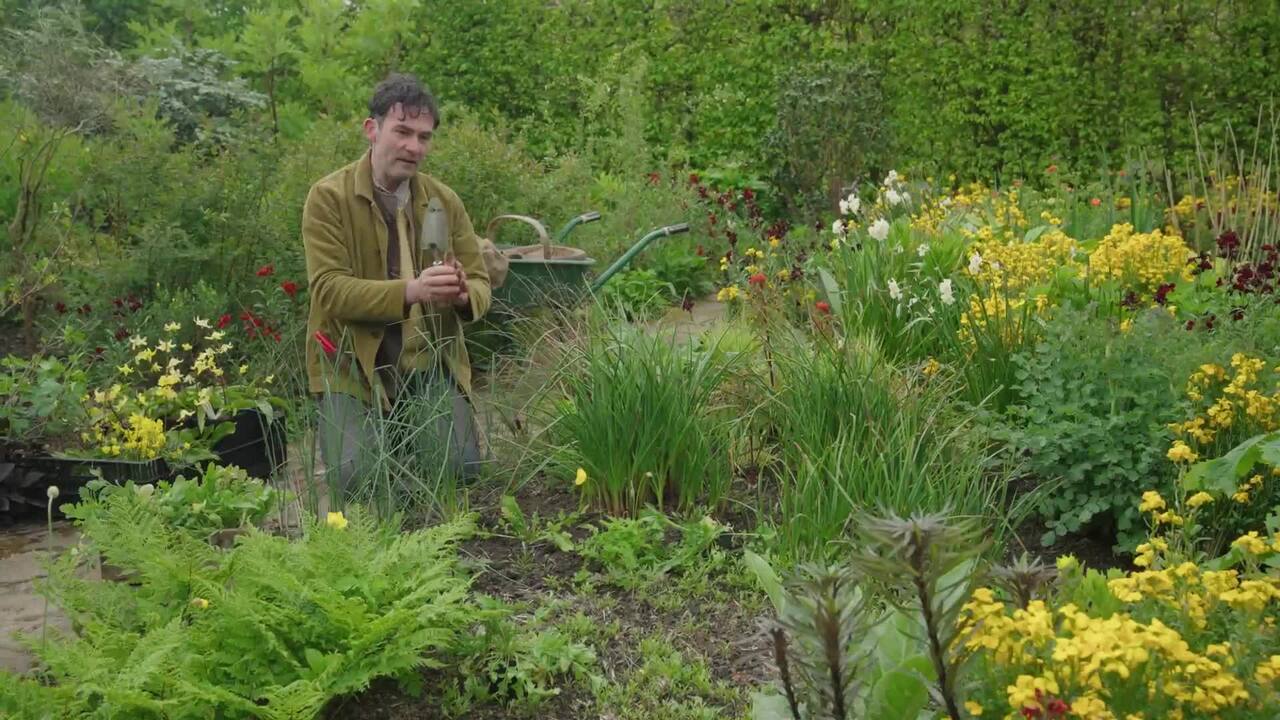
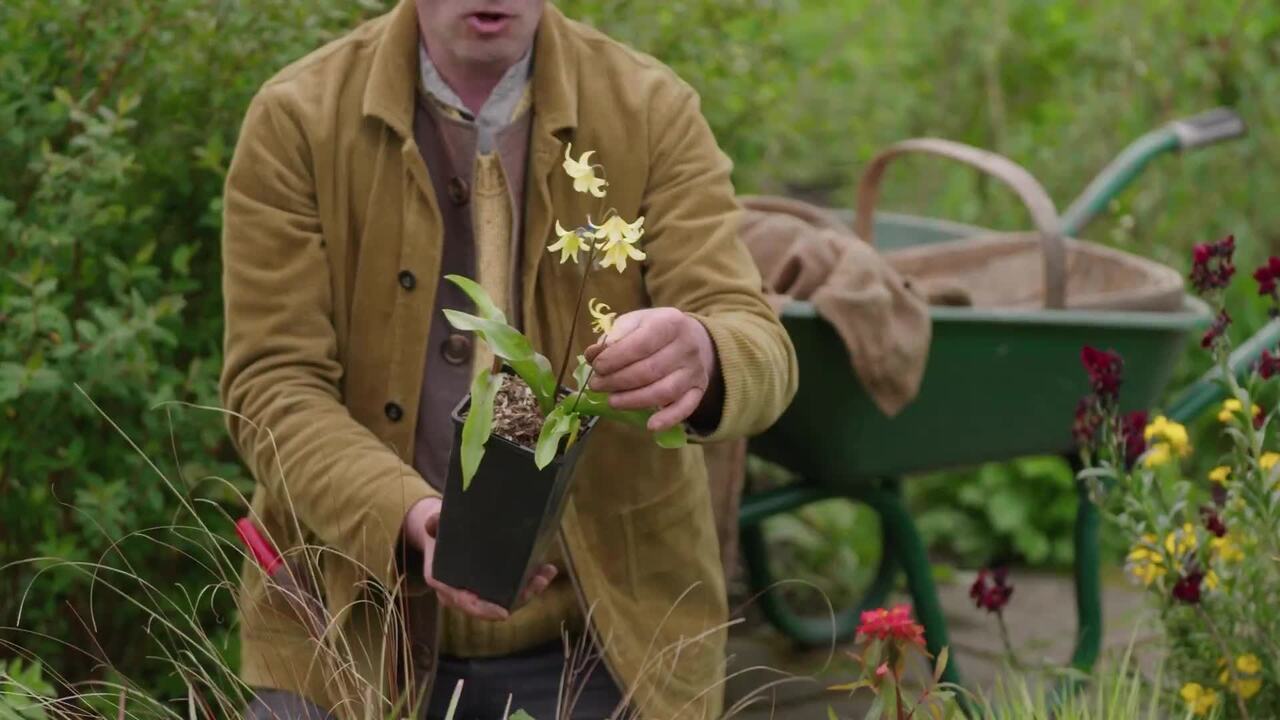
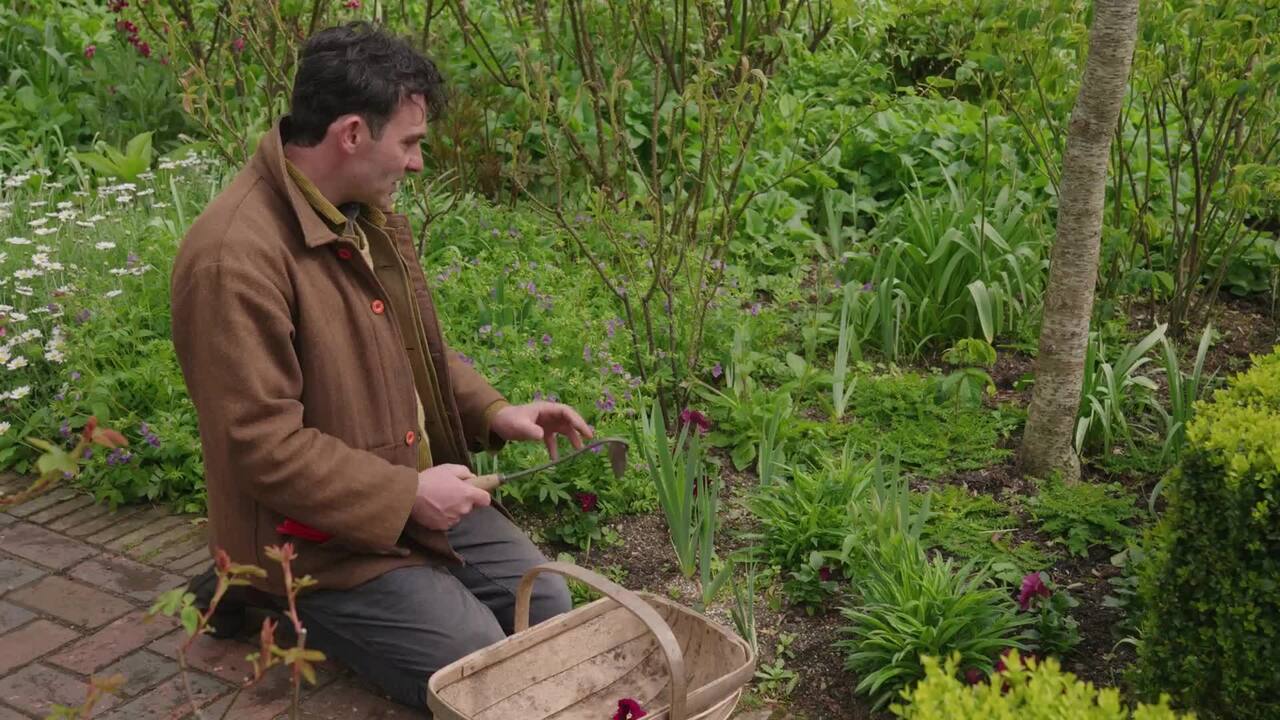
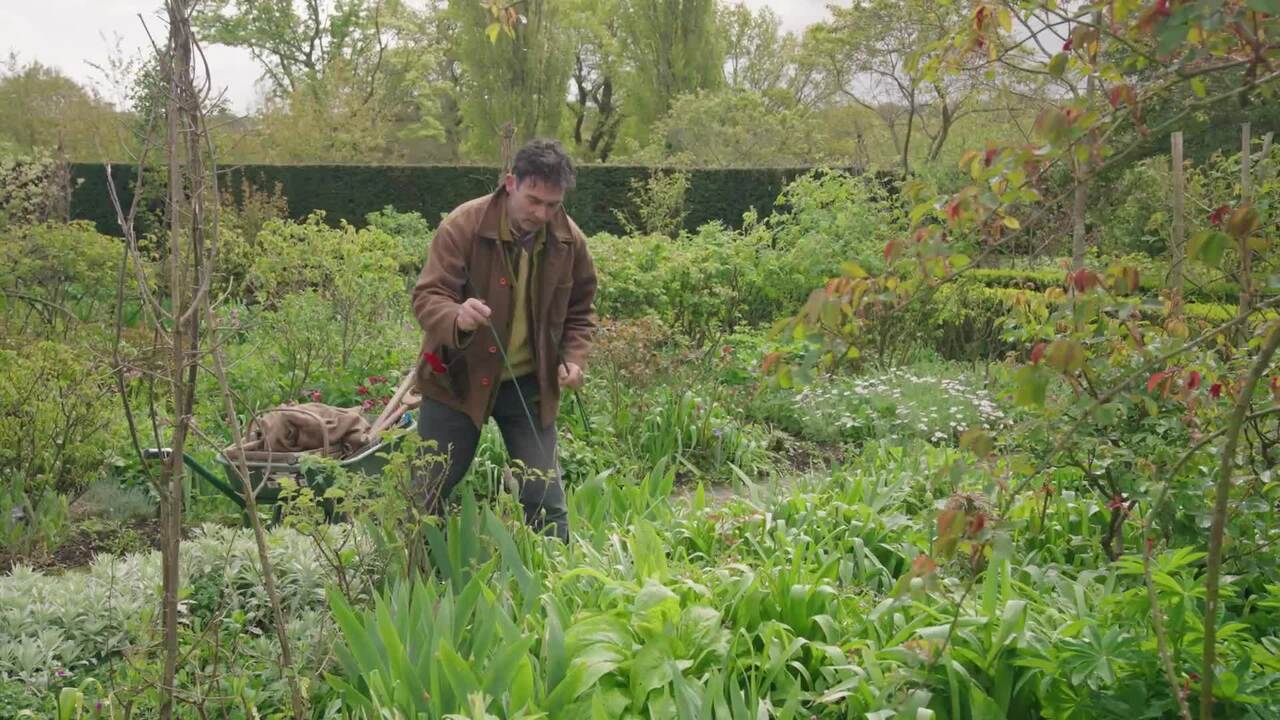
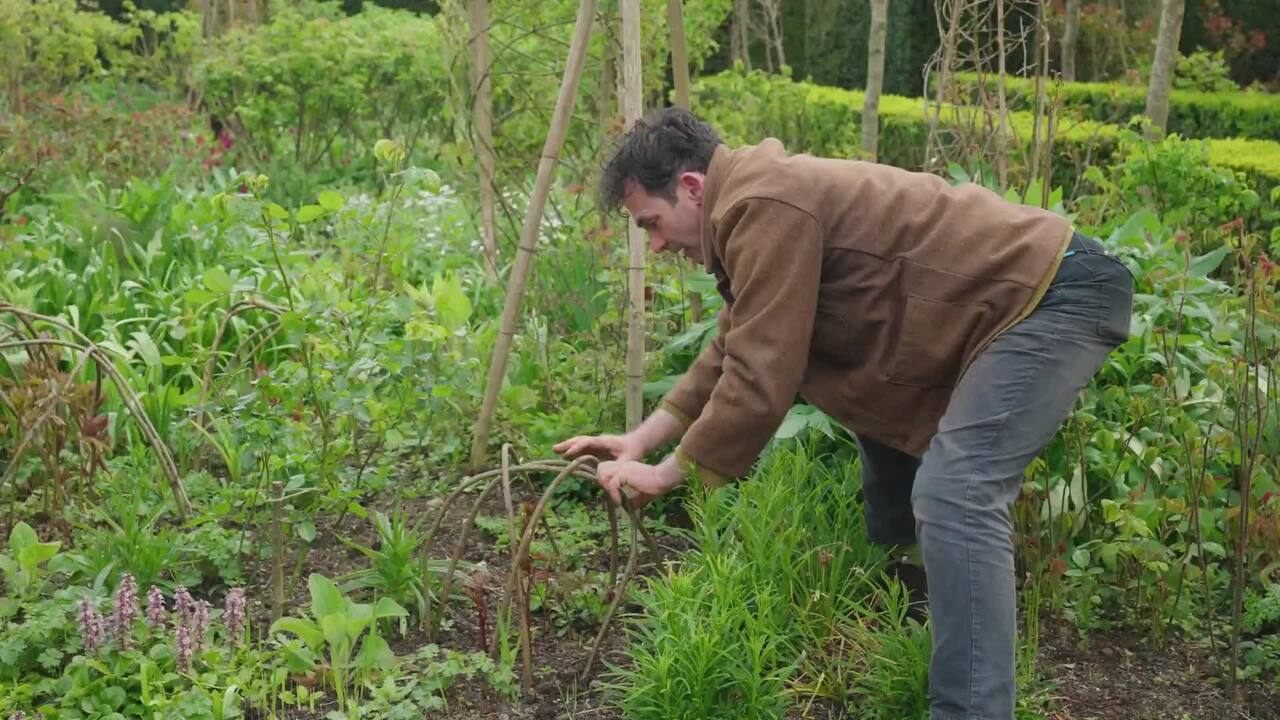
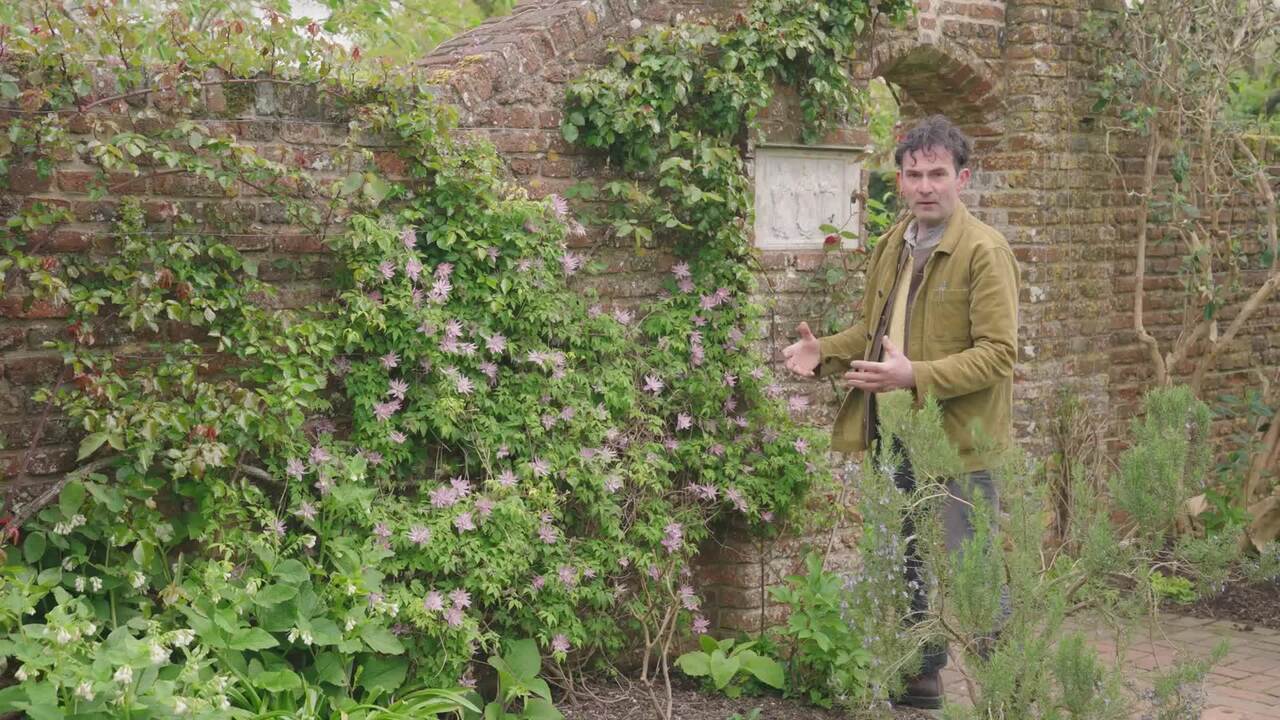
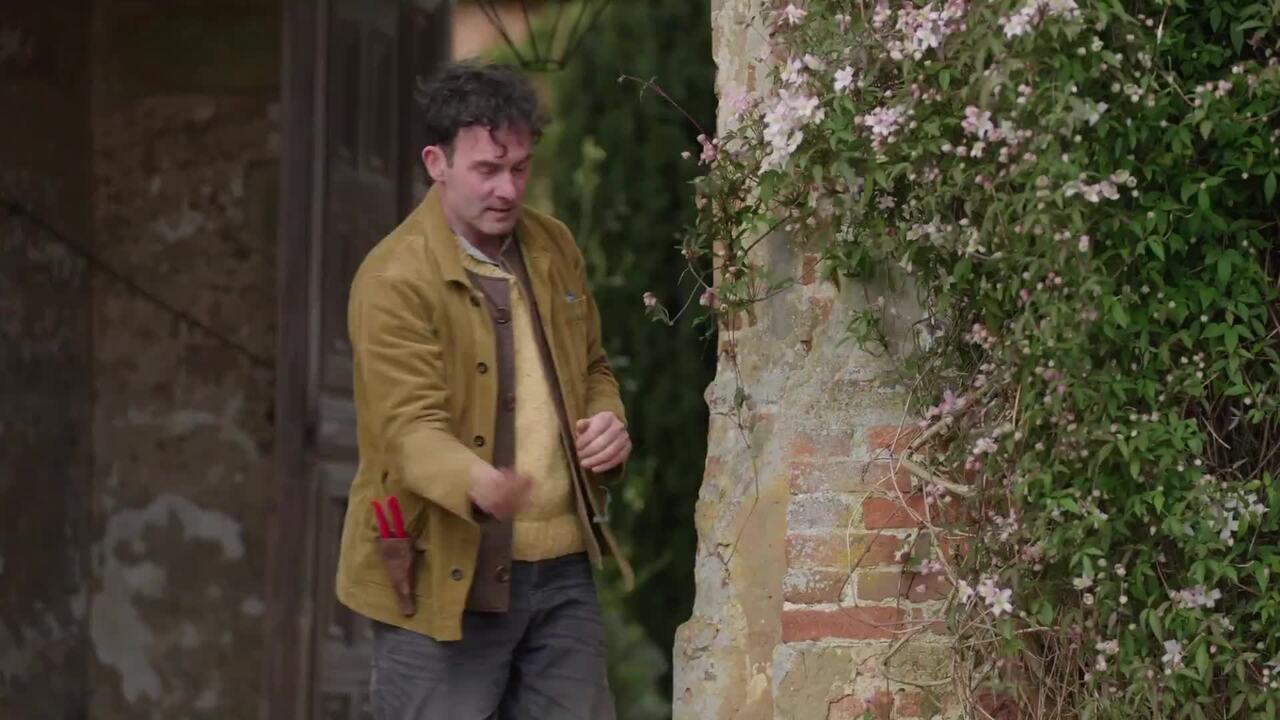
It’s mid-June, and Troy takes us back to the Rose Garden to revisit a dome-shaped rose that was trained in winter to stimulate more flowering. He shares the results and next steps, as well as how to choose roses and pair them with other plants.
It's mid-June, and we're returning to the Rose Garden to revisit the dome-shaped 'Gipsy Boy' rose that we tied down to benders in winter to stimulate more flowering. Let's look at next steps, as well as how to choose roses and pair them with other plants.
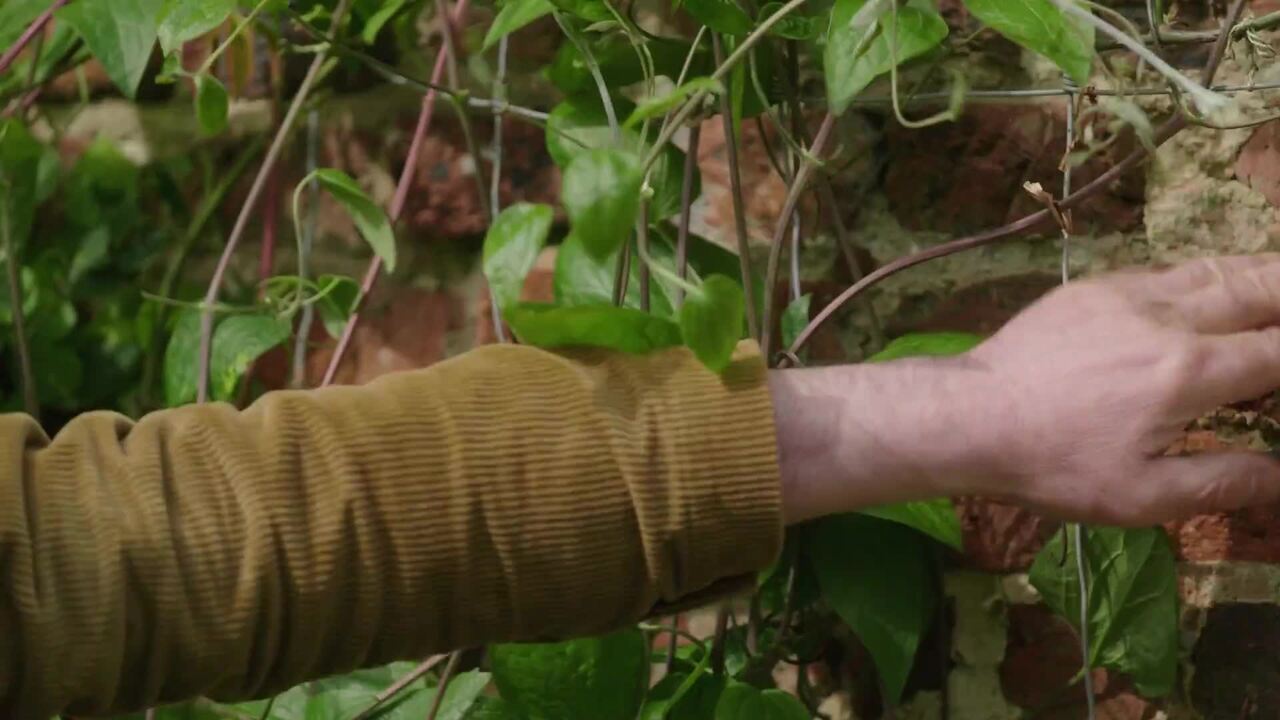
Our winter pruning and tying down to benders is now rewarding us – the bud points along the horizontal stems have broken into 30cm-long shoots topped with flowers.
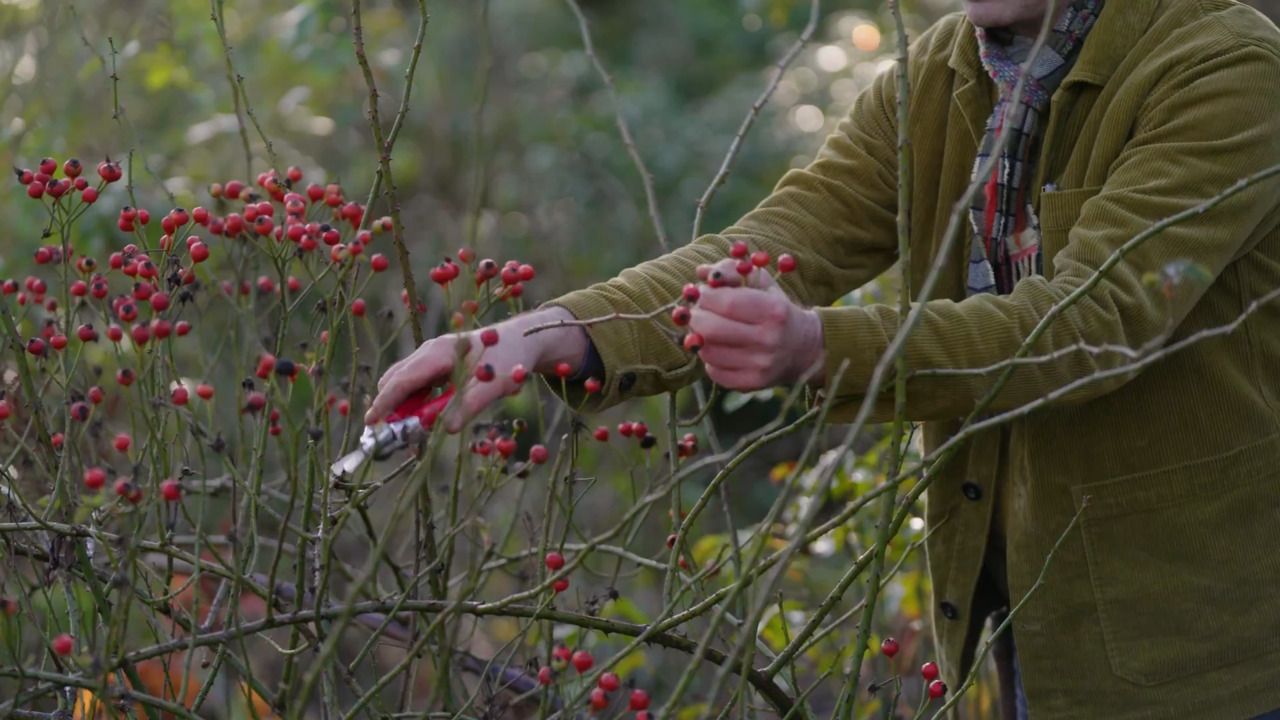
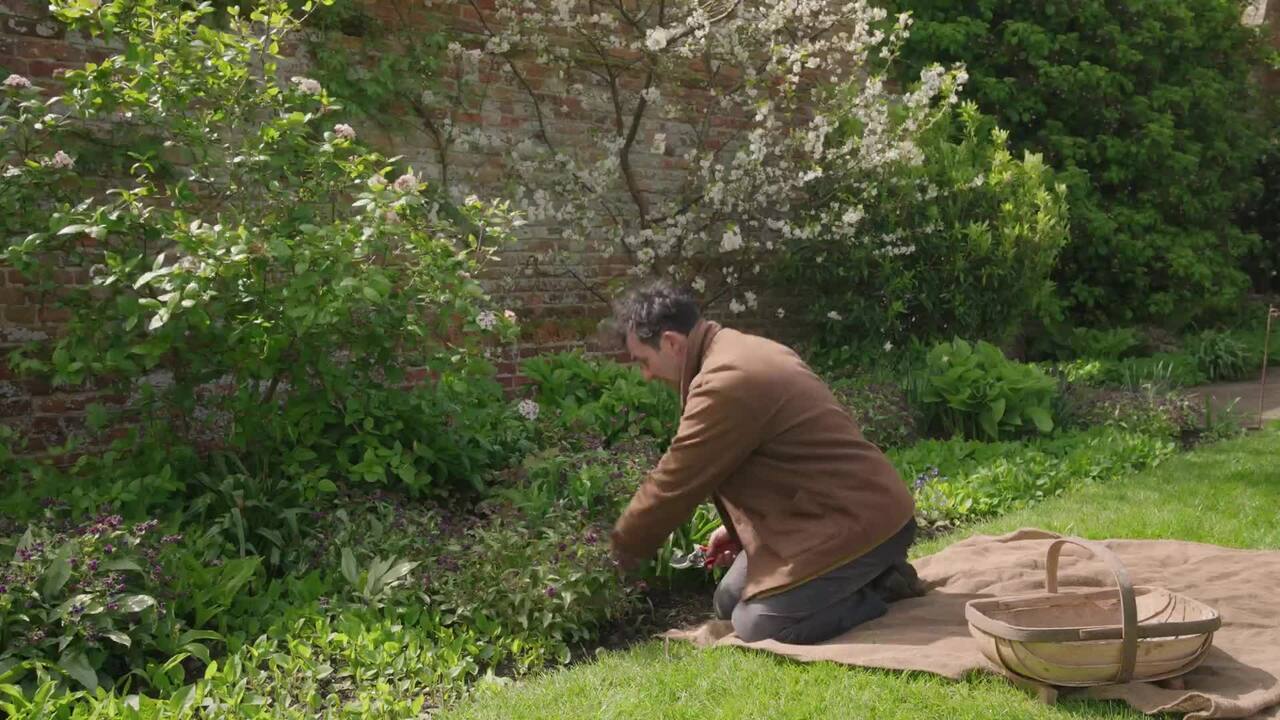
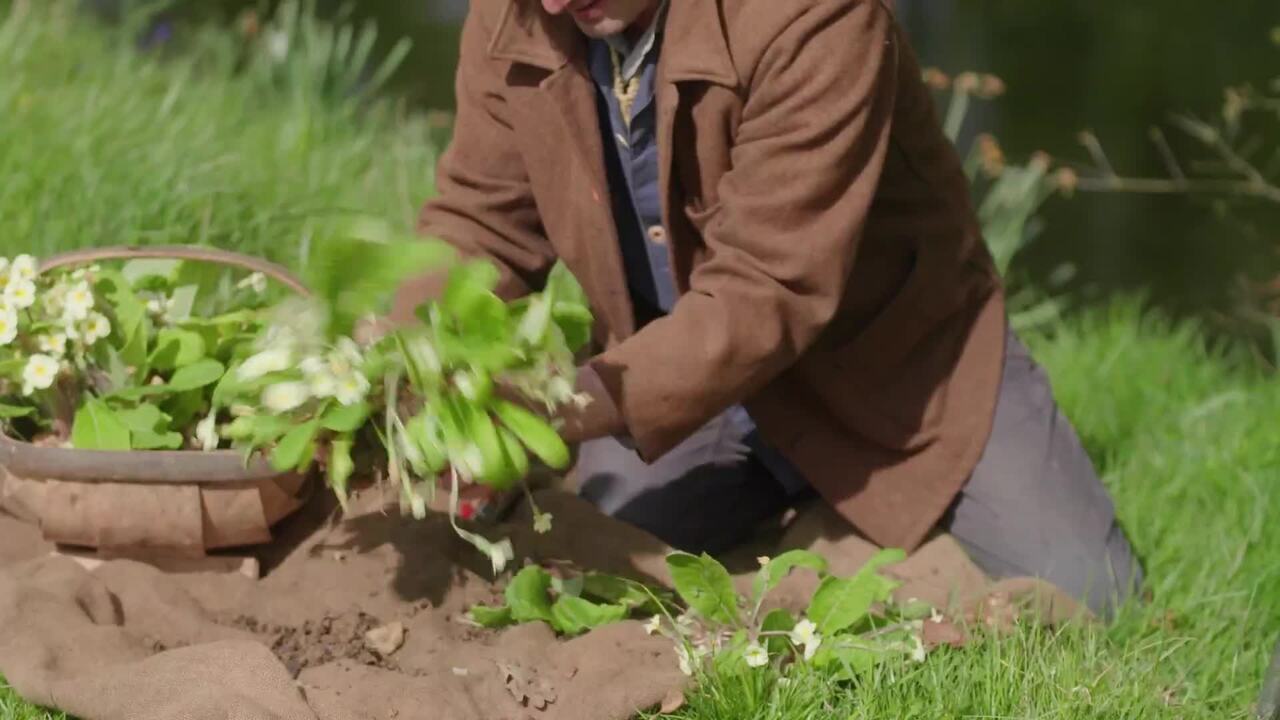
Deadhead your roses for longer flowering and to return energy back into the plant.
With careful selection, rose flowering season can cover 6-8 weeks:
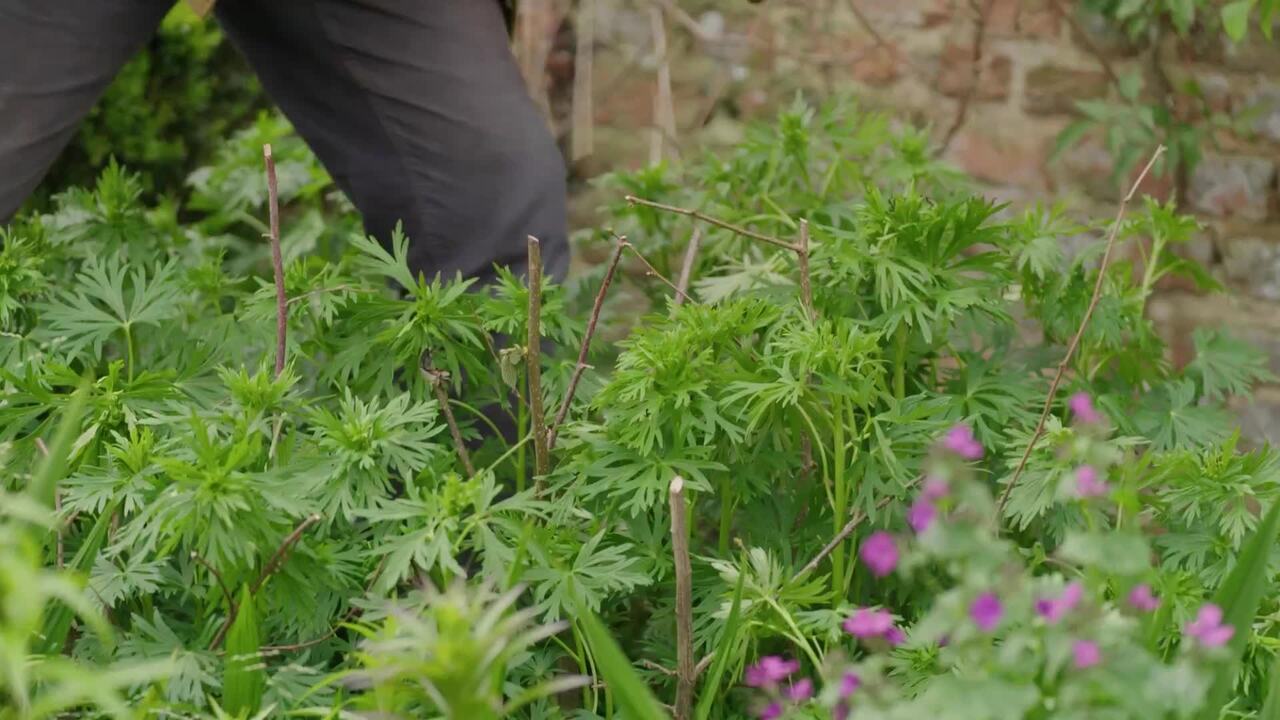
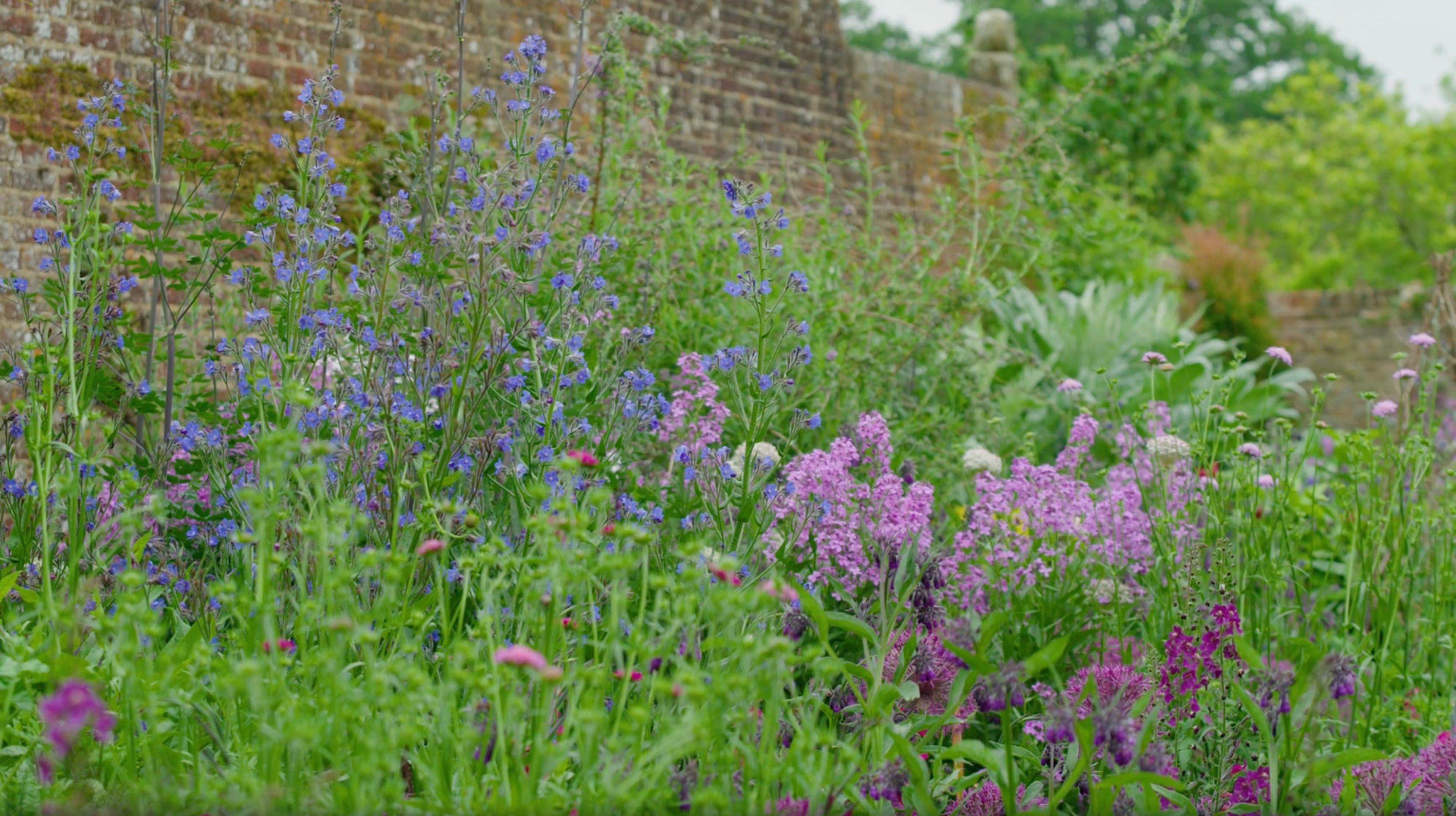
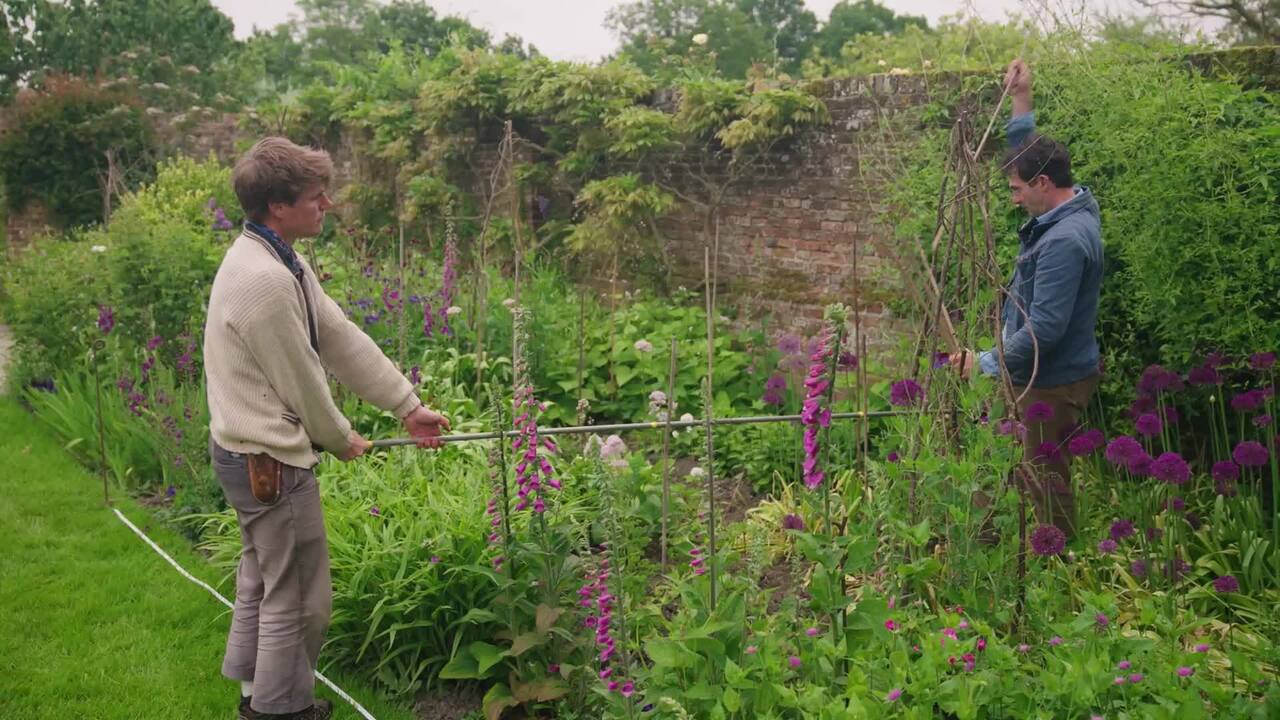
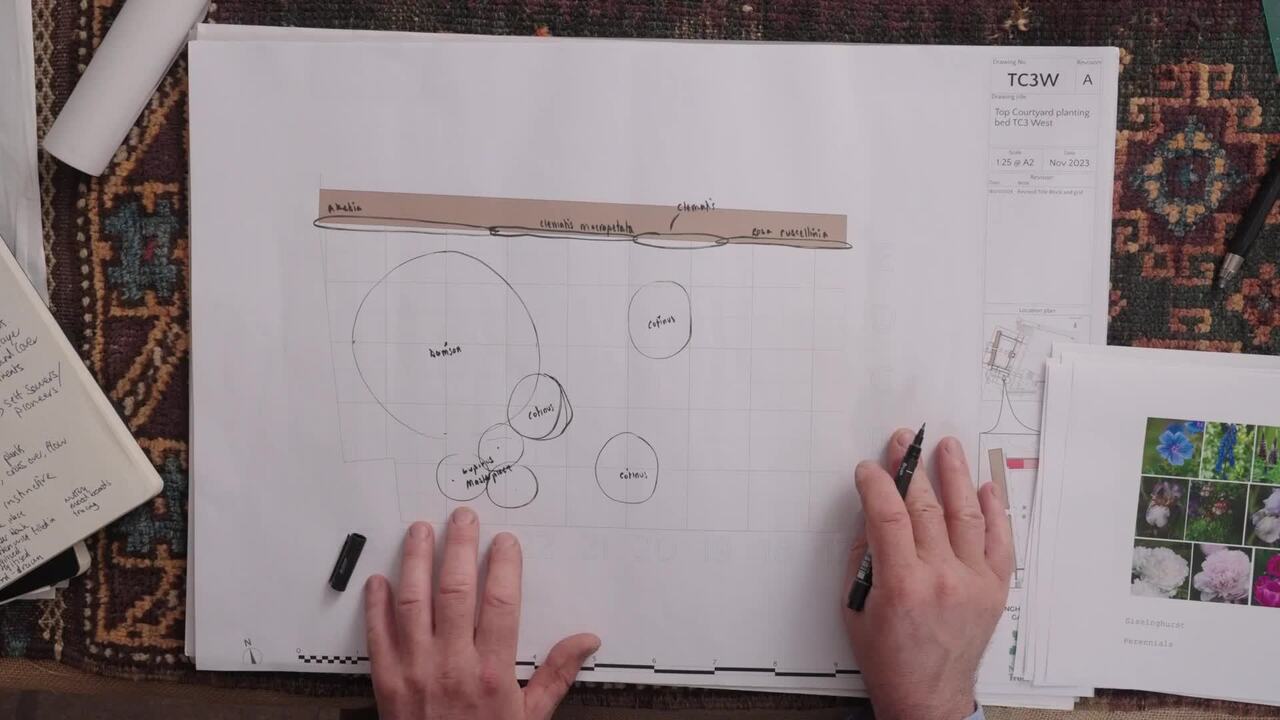
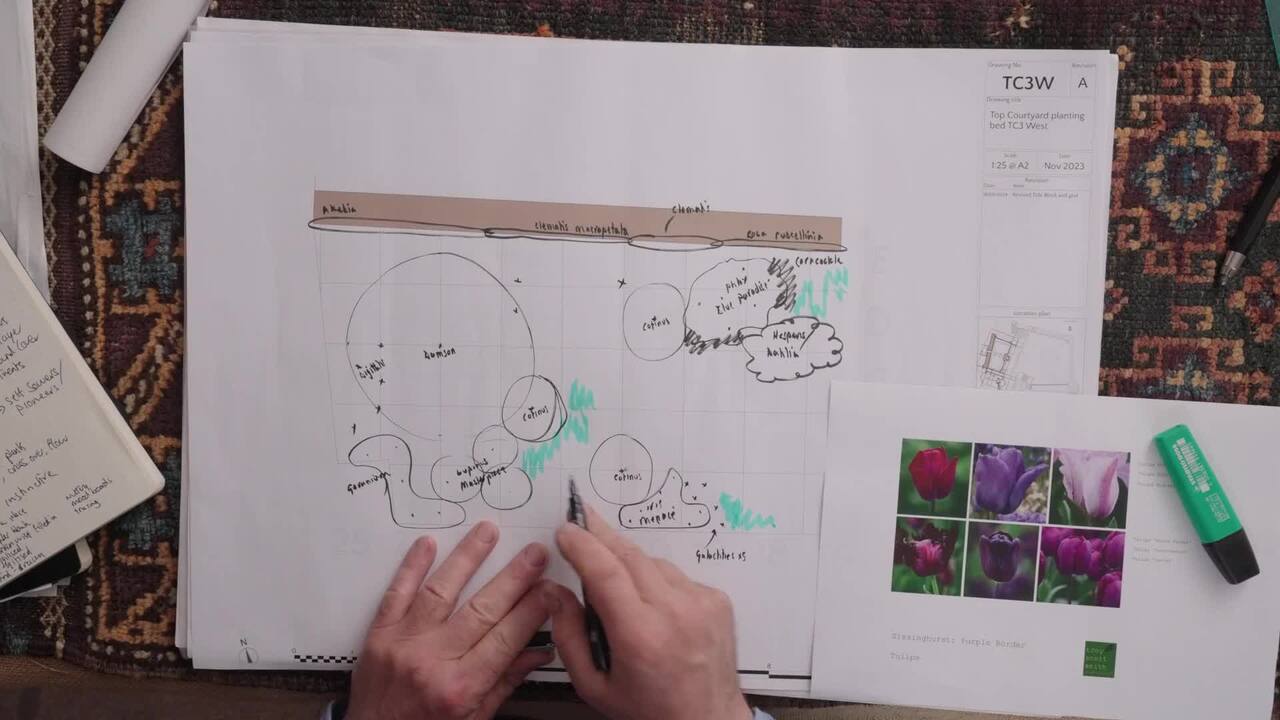
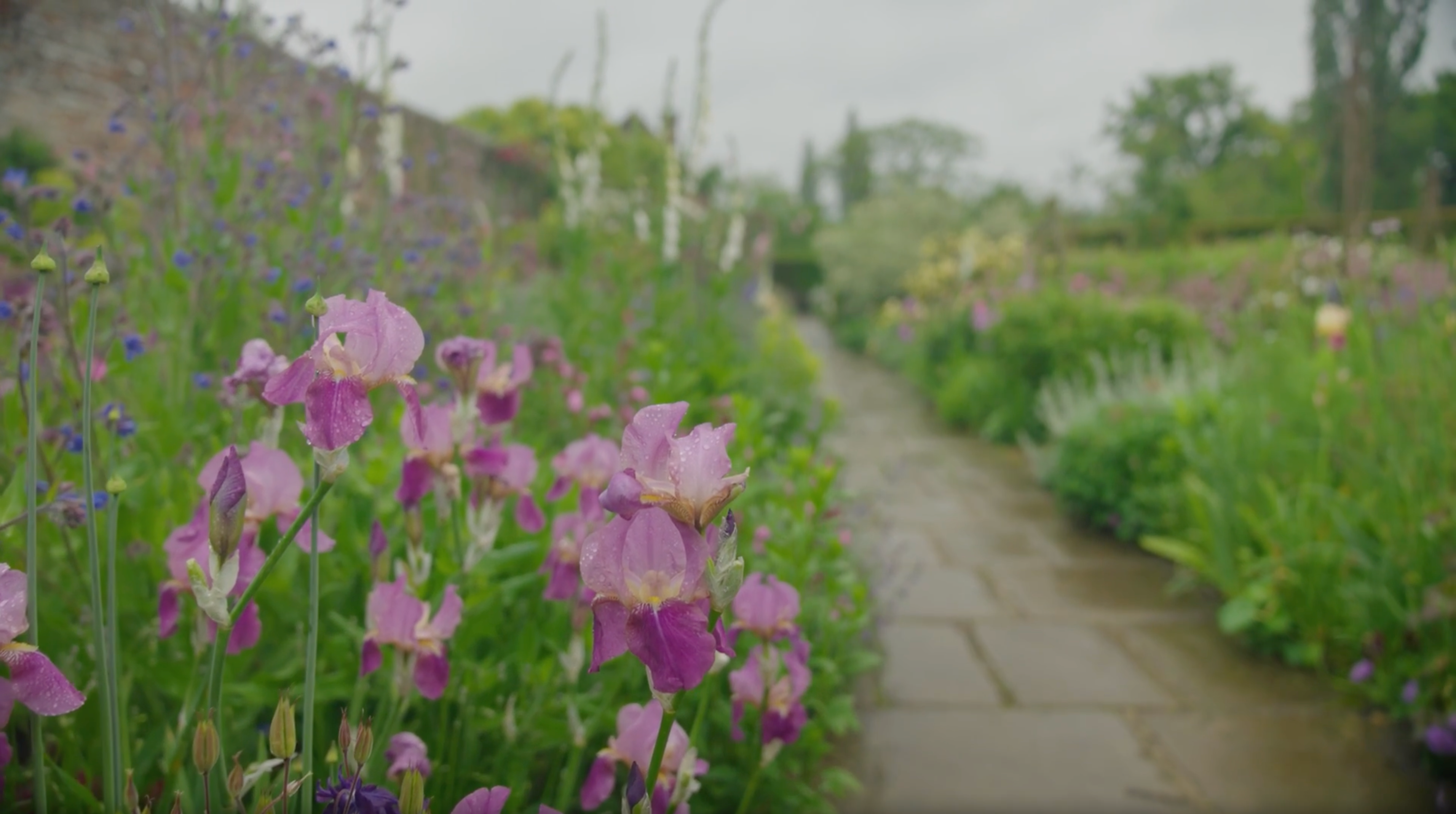
Think about what else you can grow with your roses to break up the domed shapes. We use a lot of verticals, such as foxgloves, lupins, delphiniums and tripods of sweet peas, for different shapes and to continue the season through the summer.
Think about colours – this will set the mood you want to create.
Delphinium species and cultivars
Larkspurs
Hardy herbaceous perennials or annuals
Ranunculaceae
Digitalis purpurea and its cultivars and forms
Foxgloves
Hardy herbaceous biennials or short-lived perennials
Plantaginaceae
Lathyrus odoratus cultivars
Sweet peas
Hardy annuals
Fabaceae
Lupinus species and cultivars
Lupins
Hardy or half-hardy annuals, short-lived perennials or herbaceous perennials
Fabaceae
Rosa 'Dunwich Rose'
Scotch rose 'Dunwich Rose'
Hardy deciduous shrub
Rosaceae
Rosa spinosissima species and cultivars
Scotch roses
Hardy deciduous shrubs
Rosaceae
Rosa spinosissima 'William III'
Scotch rose 'William III'
Hardy deciduous shrub
Rosaceae
Rosa 'Zigeunerknabe'
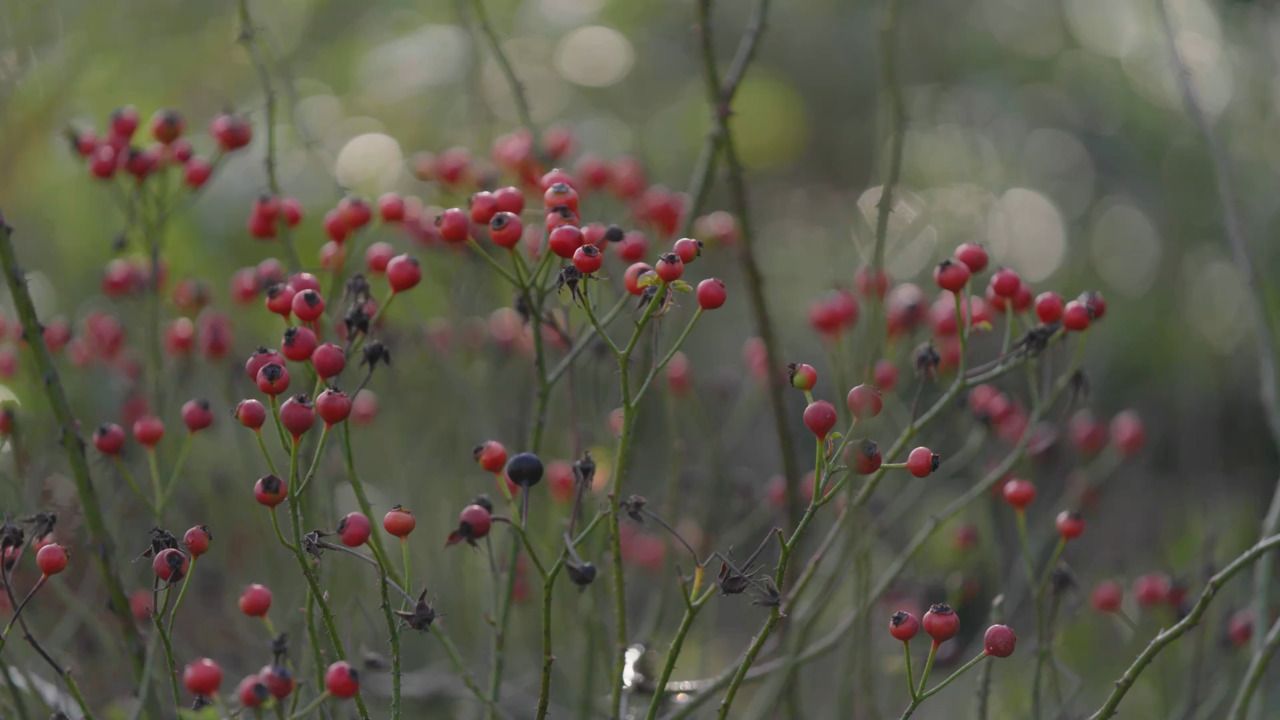
'Gipsy Boy' rose
Hardy deciduous shrub
Rosaceae
Centifolia roses
Cultivars of Rosa × centifolia, an old shrub rose bred in the 17th century, with large, densely packed, globular blooms and a strong, sweet fragrance that has long been used in perfumery. Also known as cabbage roses or Provence roses, these were bred by hybridising a damask rose with an alba rose.
Damask roses
Cultivars of Rosa × damascena. Another old group of shrub roses, said to have originally been brought to the UK from the Middle East by the Crusaders. Nearly all are fragrant, and the flowers, which are held in open airy bunches, have long been used in perfumery.
Deadhead
Removing spent flowerheads after flowering has finished to promote the production of more flowers or prevent seeding.
Gallica roses
Cultivars of Rosa gallica – short bushy shrub roses in a wide range of colours that are easy to grow and thrive in poor soils. Probably the oldest of all garden roses, these were grown by the Greeks and Romans. In the 17th century the Dutch started to breed new varieties, which the French continued on a large scale.
Stamens
The male reproductive parts of a flower, bearing pollen.
Get the full workbook, video lessons, and more with a Create Academy subscription.
Subscribe to access the full workbookAlready a member? Sign in to watch
491 reviews
Read moreCreate Academy has been such a great resource. I'm in the middle of renovating a bungalow with a very large garden and the courses have offered a wealth of inform...
Harvey
Jun 10, 2026
Absolutely love Create Academy! The instructors are extremely informative, and it is beautifully filmed. Create Academy is great value for money and plan on renew...
SG
May 31, 2026
Butter's creativity is stunning! Her ability to incorporate brilliance in small gardens is magical!
Carla
May 30, 2026
The best adventure. I like all the courses, but my favorite are both Rita Konig interior design courses and Anna Jones. Excellent!
Karolina Kluczewska
May 20, 2026
Create Academy has been such a great resource. I'm in the middle of renovating a bungalow with a very large garden and the courses have offered a wealth of information to dive into and explore new ideas. I'm...
Harvey
Jun 10, 2026
Absolutely love Create Academy! The instructors are extremely informative, and it is beautifully filmed. Create Academy is great value for money and plan on renewing my subscription yearly because there are ...
SG
May 31, 2026
Butter's creativity is stunning! Her ability to incorporate brilliance in small gardens is magical!
Carla
May 30, 2026

Your Instructor
Head Gardener at Sissinghurst. Garden Writer, Speaker & Lecturer.
Troy Scott-Smith, previously head gardener of Iford Manor and Bodnant garden, now oversees the cherished grounds of Sissinghurst - one of the most famous gardens in England and is designated Grade I on Historic England's register of historic parks and gardens. Coming from a family of committed naturalists, Troy is a seasoned horticulturist, writer, designer and consultant, Troy is also a respected member of the RHS Floral Committee. When he set his sights on the head gardener role, he did so with refreshing candour, speaking passionately of the garden’s need for thoughtful evolution. It is a mark of the National Trust’s forward-thinking spirit that they embraced his vision, inviting him to guide this historic landscape into a compelling new chapter.
Access to all courses


