






Interior and exterior confidence
Create Academy has been such a great resource. I'm in the middle of renovating a bungalow with a very large garden and the courses have offered a wealth of inform...
Harvey
Jun 10, 2026
The Art of Gardening at Sissinghurst
with TROY SCOTT SMITH — Head Gardener at Sissinghurst. Garden Writer, Speaker & Lecturer.
Lesson 14 of 56
Subscribe to watch
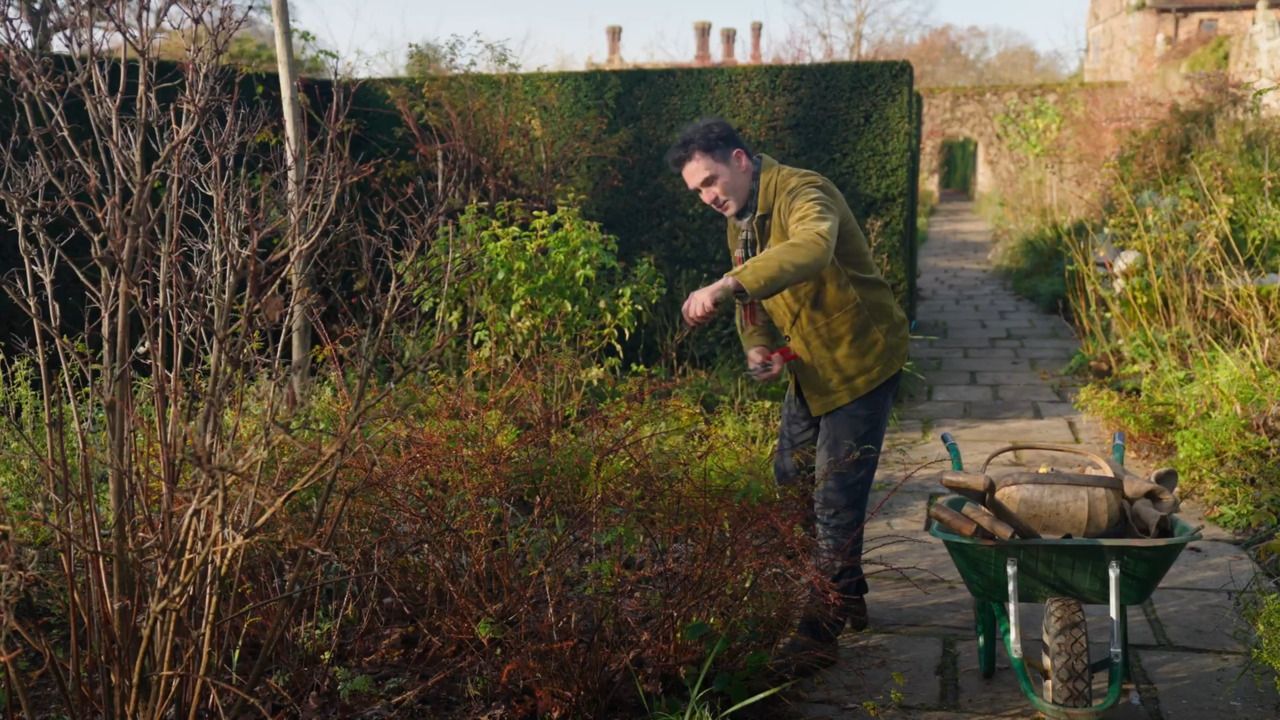
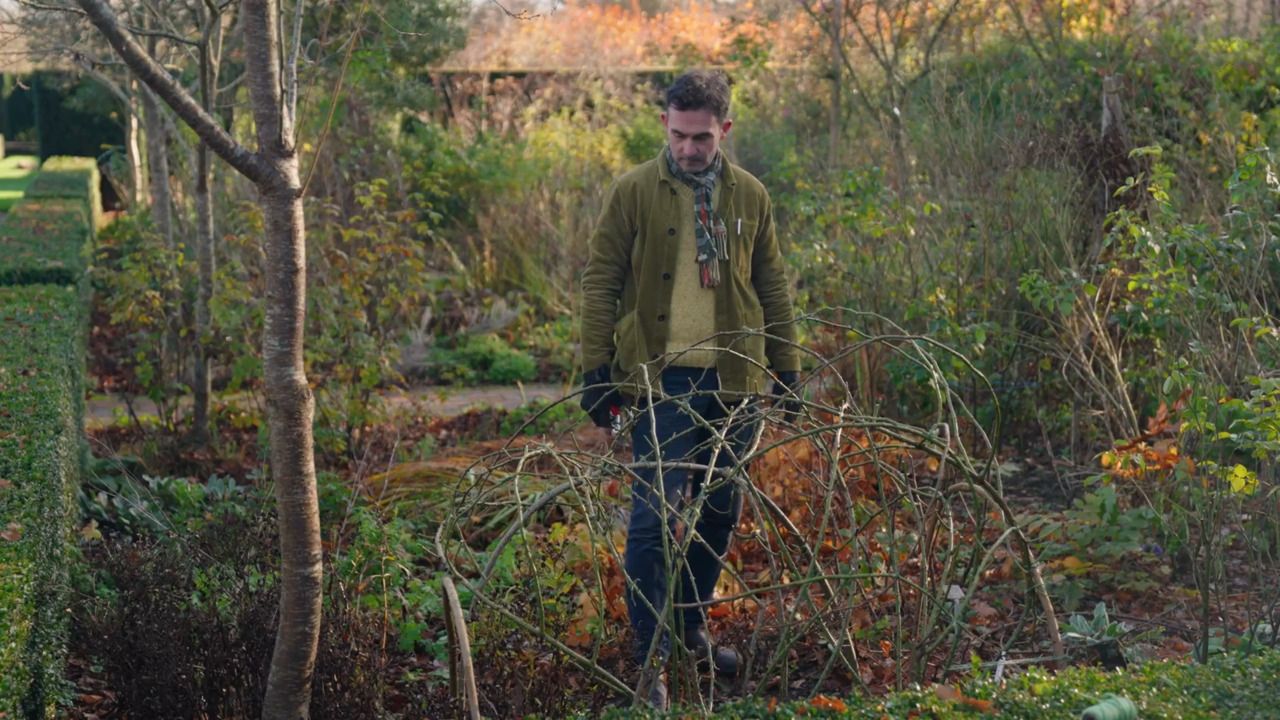
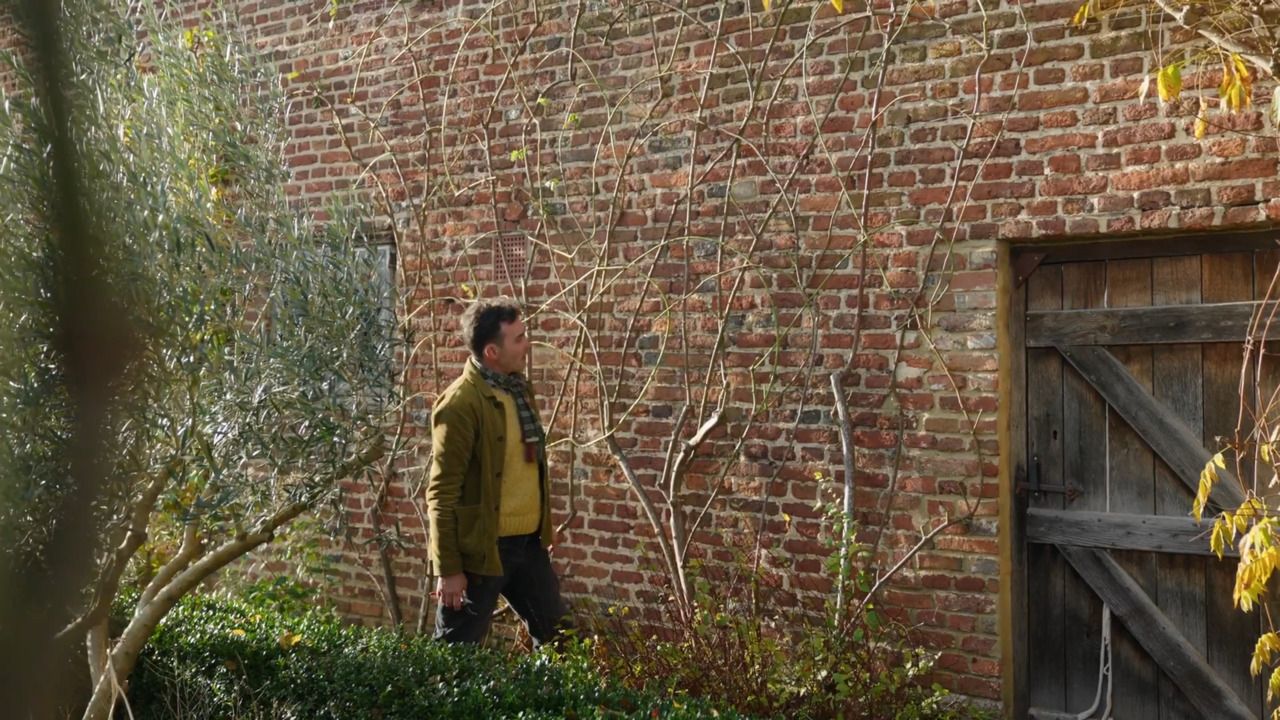
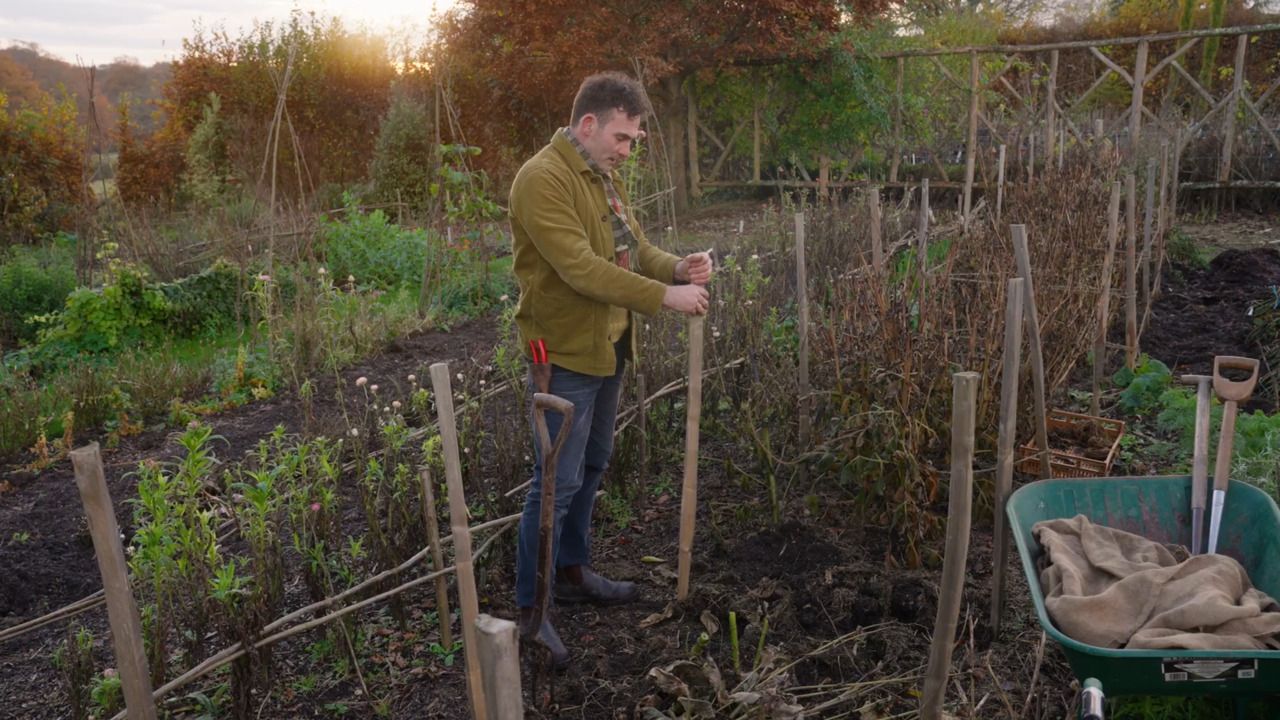
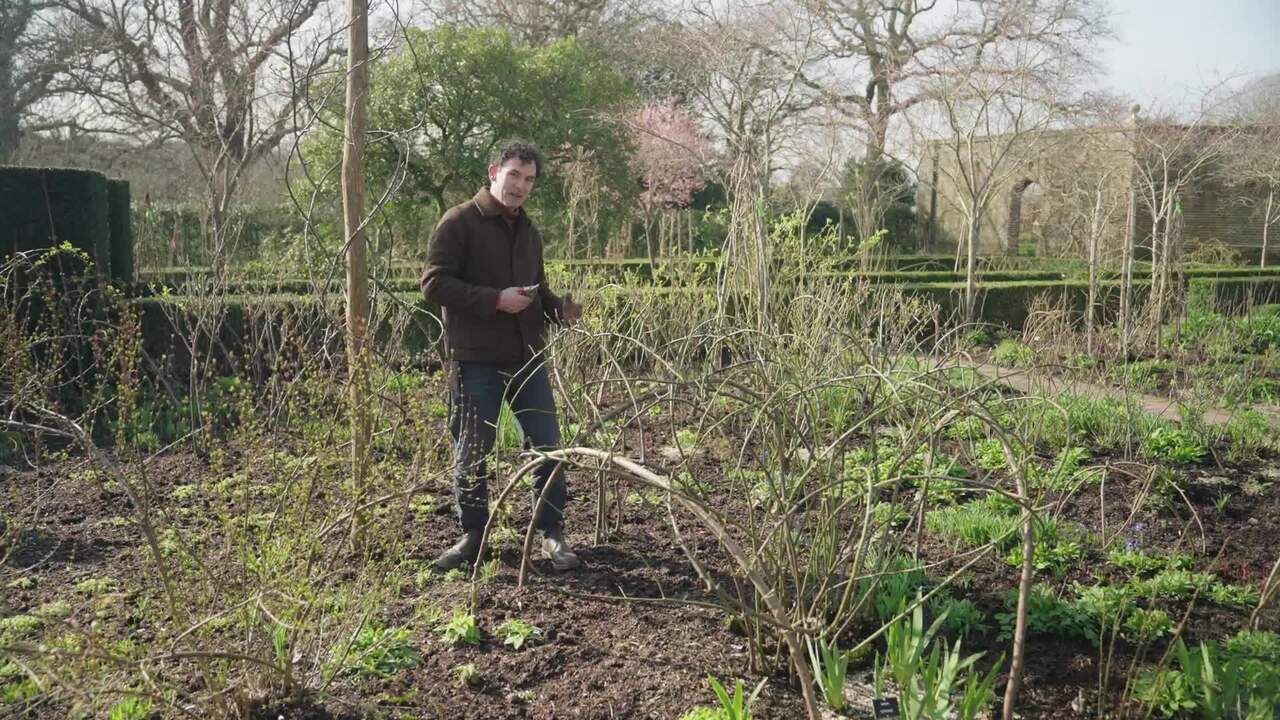
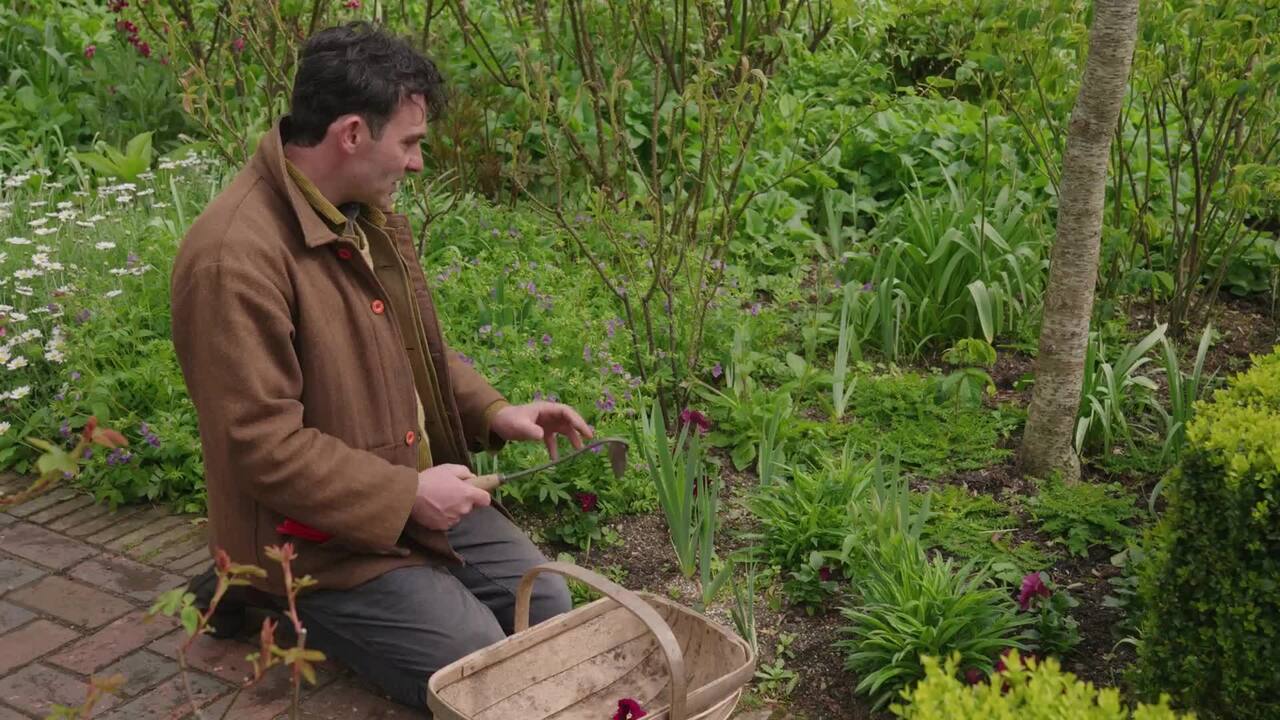
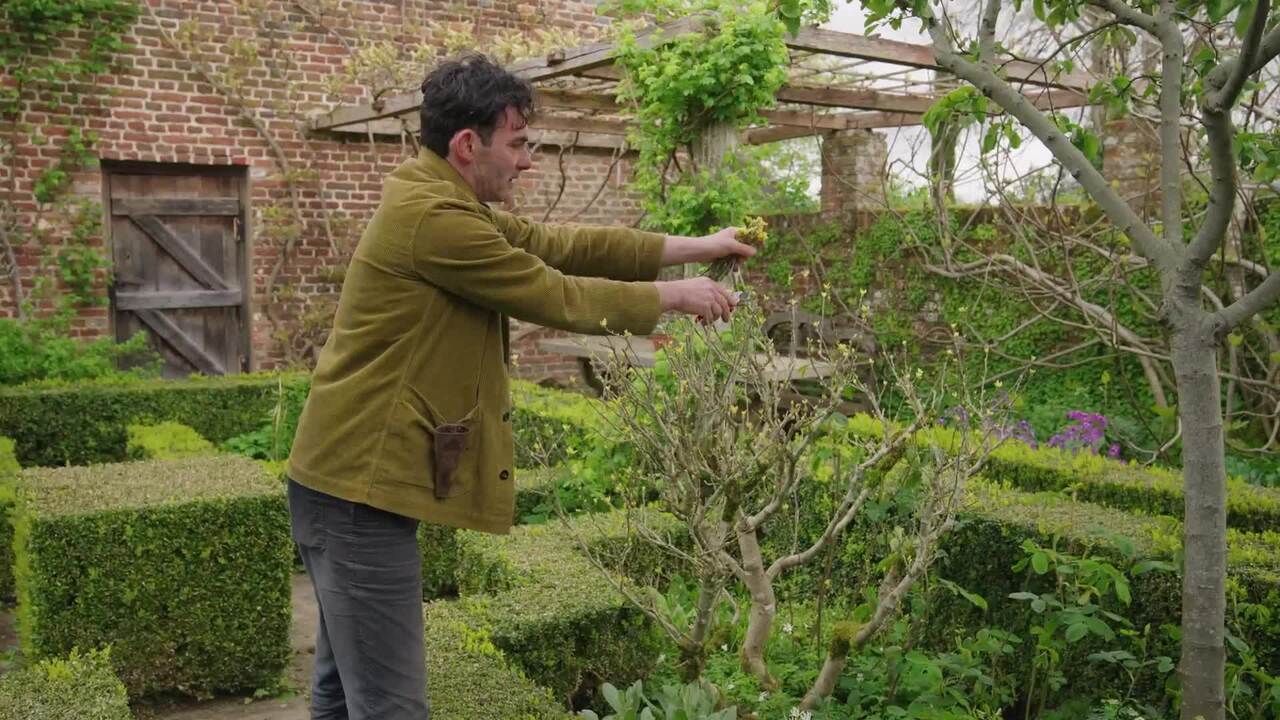
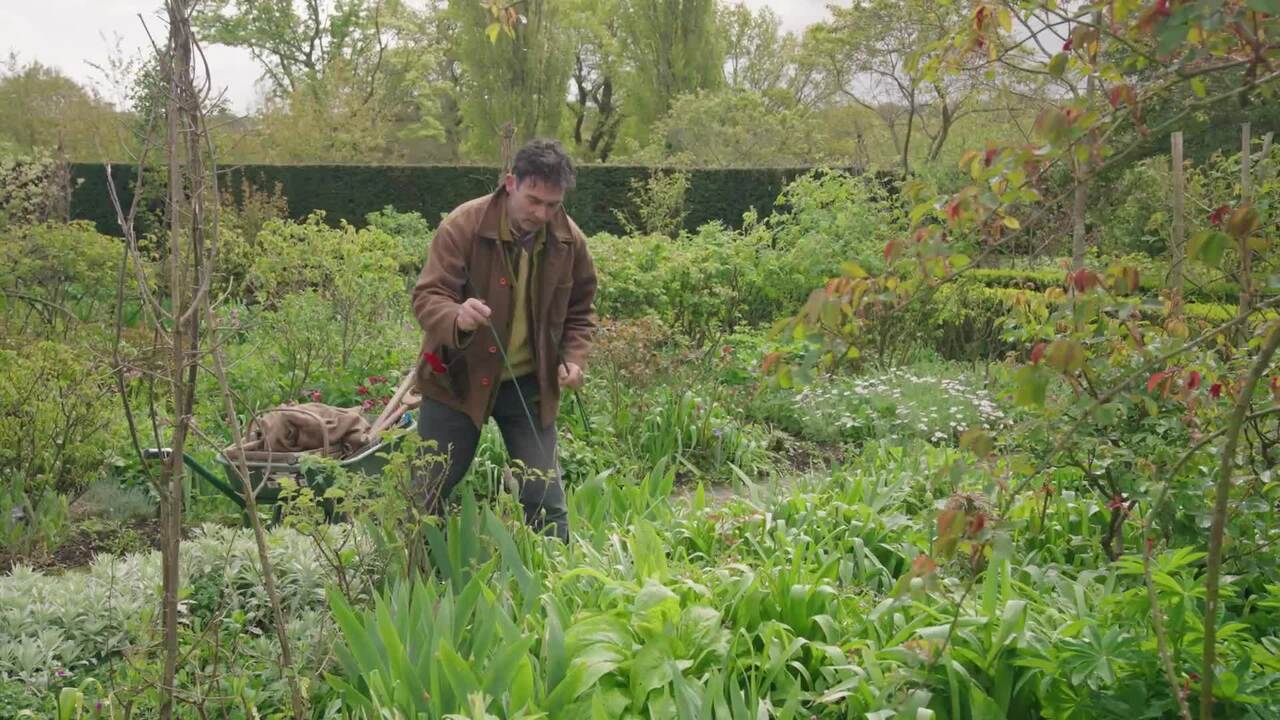
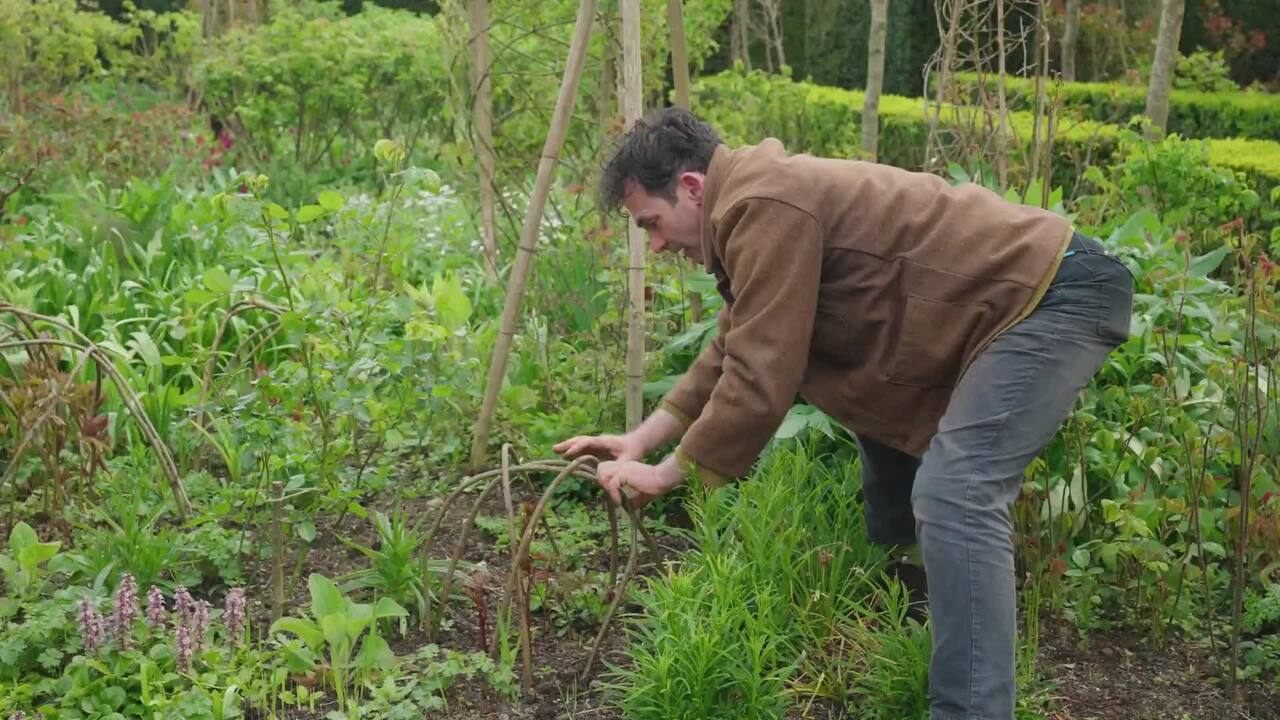
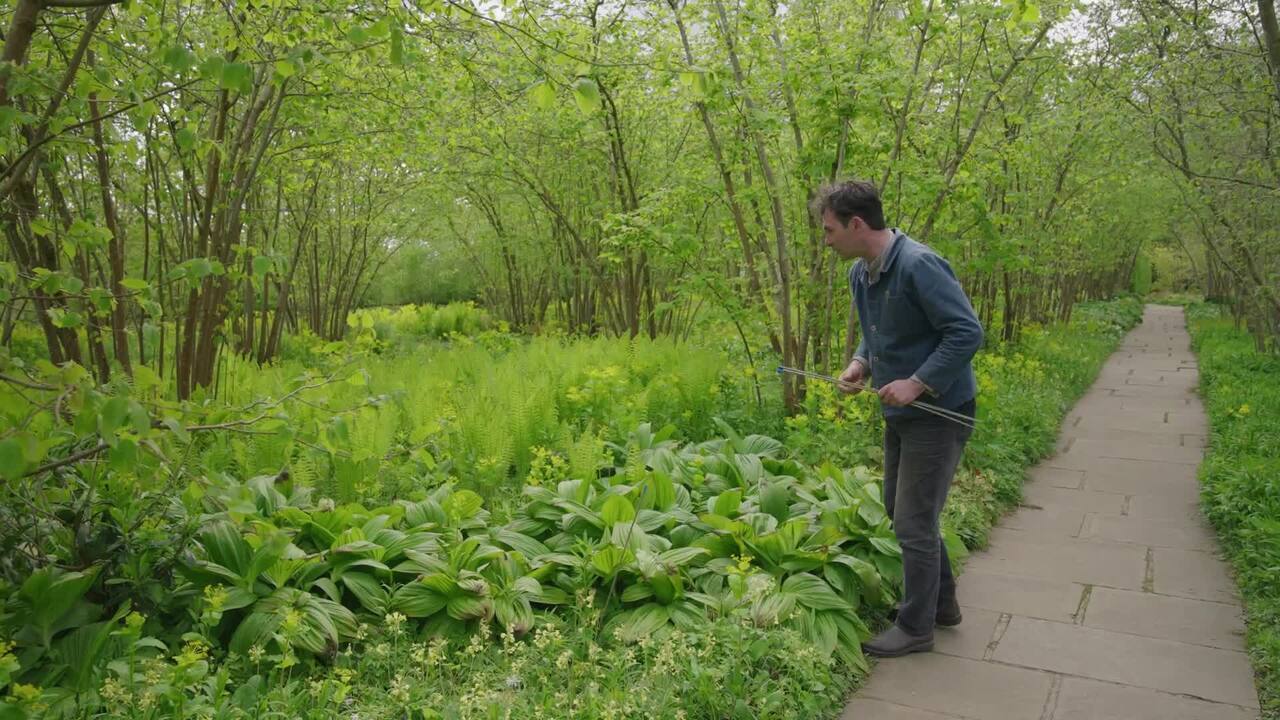
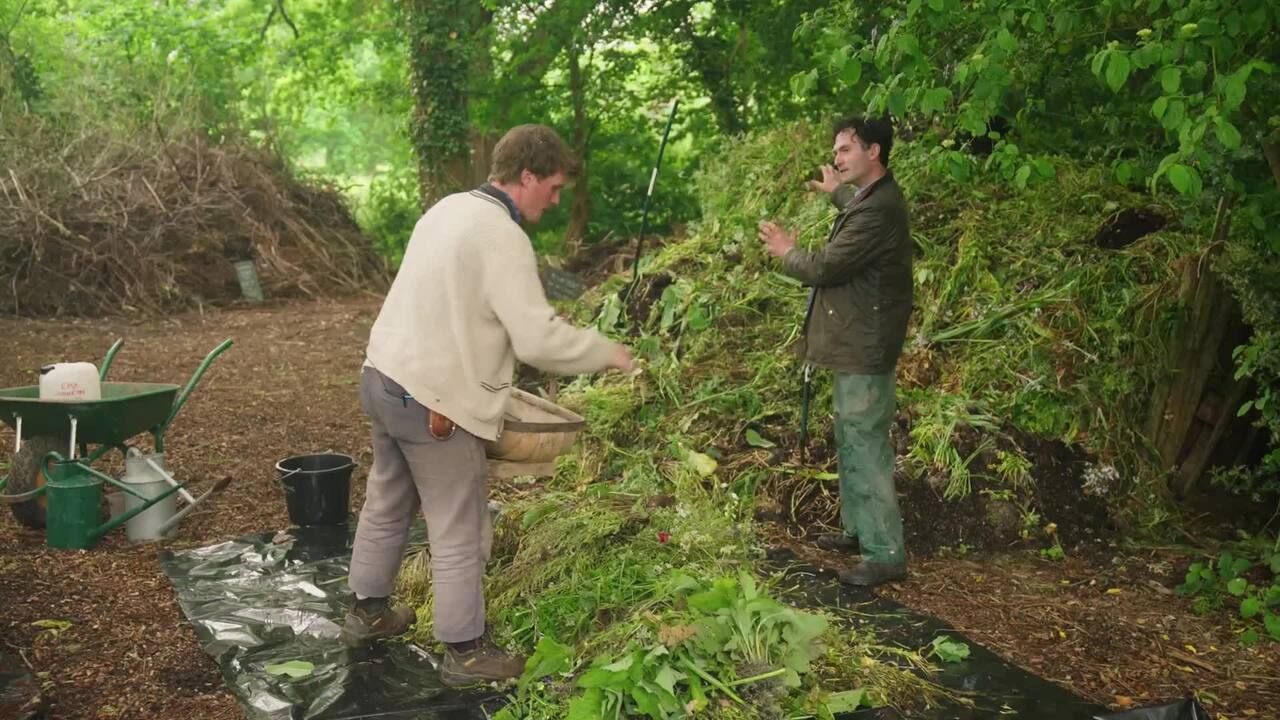
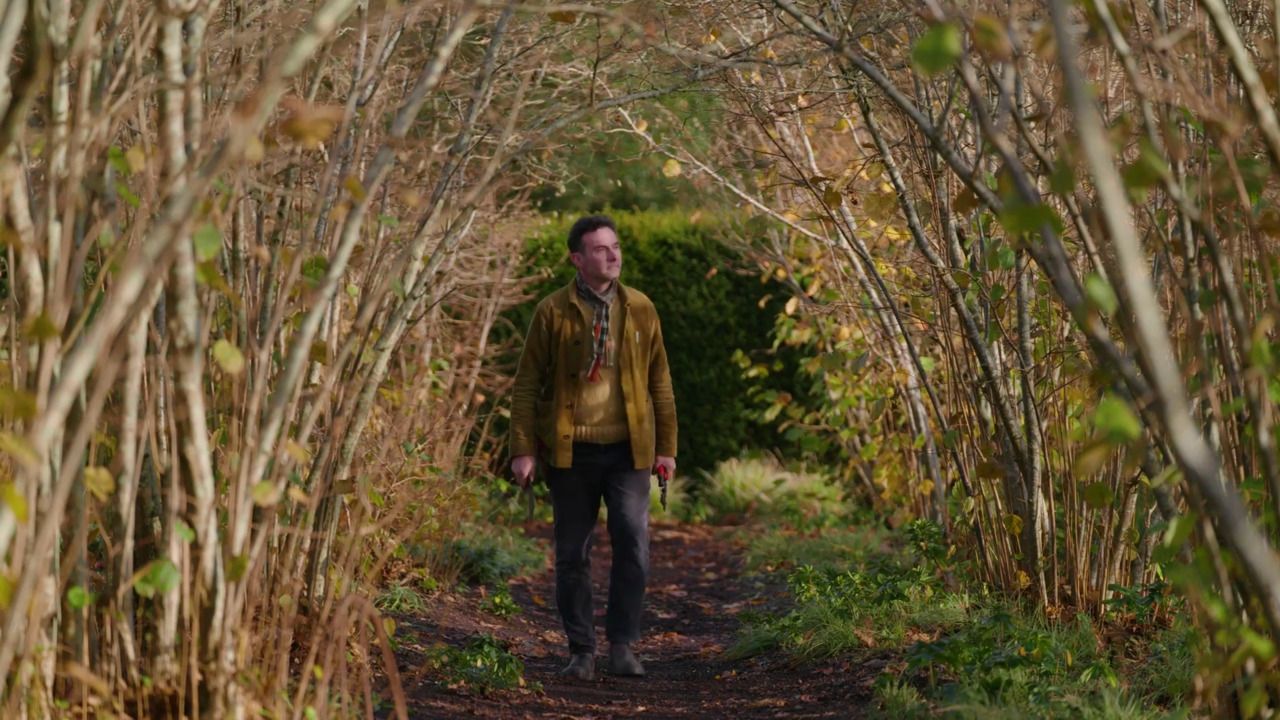
From the Nuttery at Sissinghurst, Troy shares how to harvest and process hazel branches for a range of useful garden purposes, and why you should make use of natural materials from your garden.
In this lesson, we'll look at how to harvest and process hazel branches for a range of useful garden purposes, and why you should make use of natural materials from your garden.
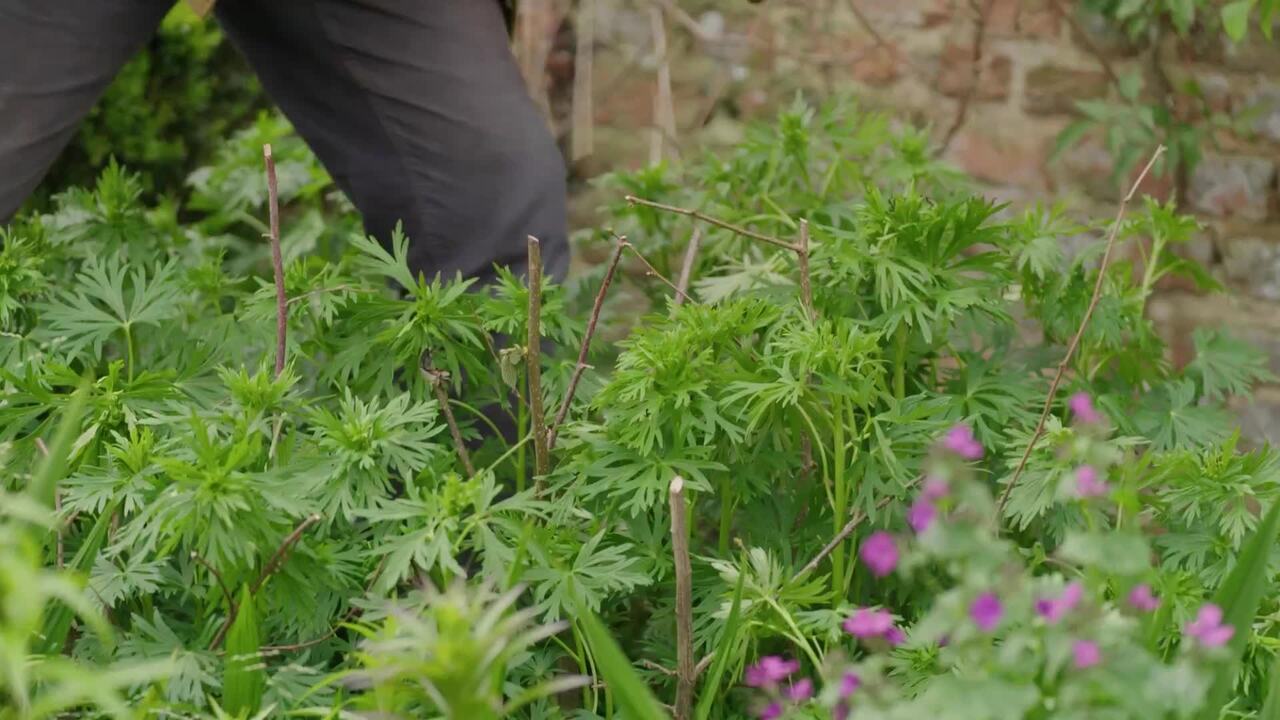
Look at the stem - think about how you can make use of most of this material.
Coppice around early December - you want most of the leaves to have dropped, but don't wait too long or you'll have catkins on your pea sticks.
If you have space, I'd recommend you plant some hazels.
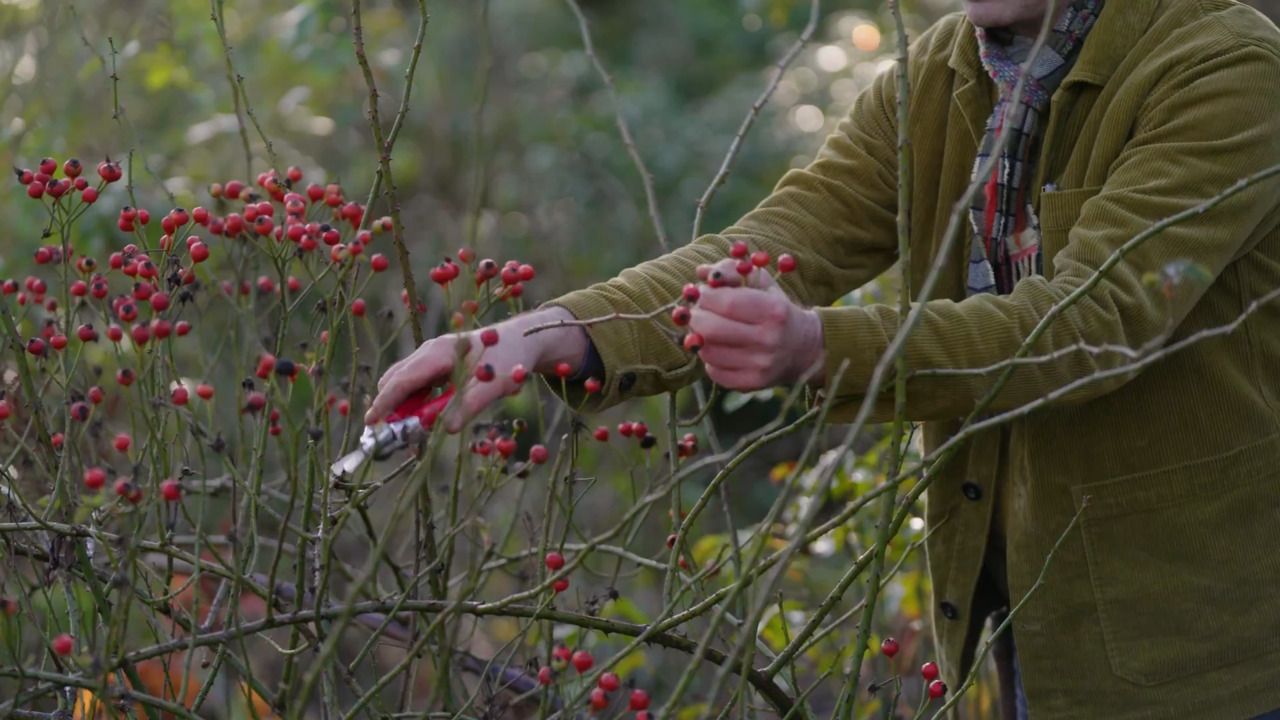
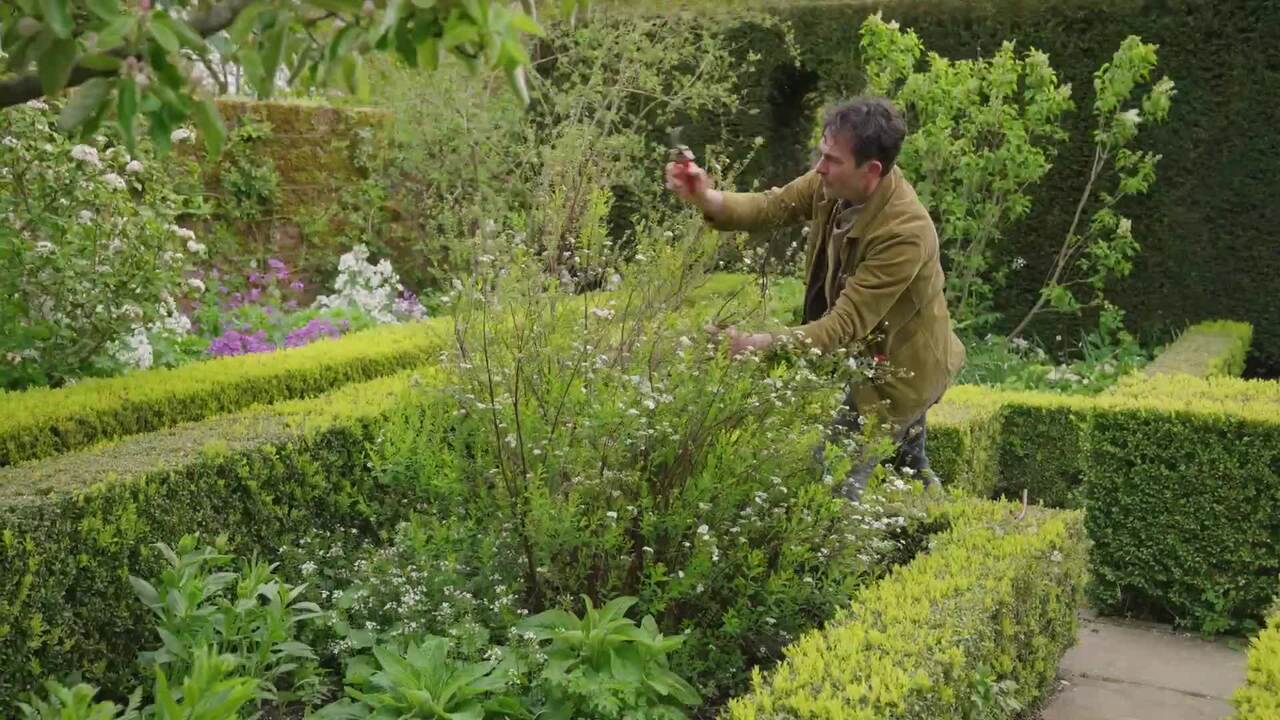
With any pruning you're doing, think about whether it's useful. Always think about how you can re-use woody waste in the garden to minimise the amount you have to throw away, or even worse, burn - something you want to avoid.
Hazel only lasts for a year once cut, as it gets so brittle, so only harvest what you need for the coming year.
However, you can re-use it during the same year:
The joy of winter gardening is that you're doing more of these craft skills rather than pure horticulture
Aconitum species and cultivars
Aconites, monk's hoods
Hardy herbaceous perennials or biennials
Ranunculaceae
Anemone nemorosa
Wood anemone
Hardy herbaceous perennial from a rhizome
Ranunculaceae
Aquilegia species and cultivars
Columbines
Hardy herbaceous perennials or short-lived perennials
Ranunculaceae
Betula species and cultivars
Birches
Hardy deciduous trees
Betulaceae
Campanula species and cultivars
Bellflowers
Hardy herbaceous perennials
Campanulaceae
Coryllus avellana
Hazel
Hardy deciduous tree
Betulaceae
Delphinium species and cultivars
Larkspurs
Hardy herbaceous perennials or annuals
Ranunculaceae
Echinops species and cultivars
Globe thistles
Hardy herbaceous perennials
Asteraceae
Epimedium species and cultivars
Barrenworts
Hardy herbaceous perennials
Berberidaceae
Fagus sylvatica
Common beech
Hardy deciduous tree
Fagaceae
Fritillaria meleagris
Snakeshead fritillary
Hardy bulbous perennial
Liliaceae
Geranium species and cultivars
Hardy geraniums, cranesbills
Hardy herbaceous perennials
Geraniaceae
Hyacinthoides hispanica 'Alba' or Hyacinthoides hispanica 'White City'
White bluebell
Hardy bulbous perennial
Asparagaceae
Primula cultivars
Polyanthus
Hardy herbaceous and semi-evergreen perennials
Primulaceae
Salix species and cultivars
Willows
Hardy deciduous shrubs or trees
Salicaceae
Trillium species and cultivars
Birthroots
Hardy herbaceous perennials
Melanthiaceae
Billhook
A tool with a wide, sickle-shaped blade with a sharp inner edge, used for cutting branches or other woody material.
Coppice
A woodland management technique where a tree or shrub down to ground level or very near ground level, encouraging new stems to grow from the cut-off point (the 'stool'), which are then harvested during the next cut. Hazel is generally coppiced every 5-7 years; different trees may be coppiced in rotation to provide materials continuously.
Get the full workbook, video lessons, and more with a Create Academy subscription.
Subscribe to access the full workbookAlready a member? Sign in to watch
491 reviews
Read moreCreate Academy has been such a great resource. I'm in the middle of renovating a bungalow with a very large garden and the courses have offered a wealth of inform...
Harvey
Jun 10, 2026
Absolutely love Create Academy! The instructors are extremely informative, and it is beautifully filmed. Create Academy is great value for money and plan on renew...
SG
May 31, 2026
Butter's creativity is stunning! Her ability to incorporate brilliance in small gardens is magical!
Carla
May 30, 2026
The best adventure. I like all the courses, but my favorite are both Rita Konig interior design courses and Anna Jones. Excellent!
Karolina Kluczewska
May 20, 2026
Create Academy has been such a great resource. I'm in the middle of renovating a bungalow with a very large garden and the courses have offered a wealth of information to dive into and explore new ideas. I'm...
Harvey
Jun 10, 2026
Absolutely love Create Academy! The instructors are extremely informative, and it is beautifully filmed. Create Academy is great value for money and plan on renewing my subscription yearly because there are ...
SG
May 31, 2026
Butter's creativity is stunning! Her ability to incorporate brilliance in small gardens is magical!
Carla
May 30, 2026

Your Instructor
Head Gardener at Sissinghurst. Garden Writer, Speaker & Lecturer.
Troy Scott-Smith, previously head gardener of Iford Manor and Bodnant garden, now oversees the cherished grounds of Sissinghurst - one of the most famous gardens in England and is designated Grade I on Historic England's register of historic parks and gardens. Coming from a family of committed naturalists, Troy is a seasoned horticulturist, writer, designer and consultant, Troy is also a respected member of the RHS Floral Committee. When he set his sights on the head gardener role, he did so with refreshing candour, speaking passionately of the garden’s need for thoughtful evolution. It is a mark of the National Trust’s forward-thinking spirit that they embraced his vision, inviting him to guide this historic landscape into a compelling new chapter.

Access to all courses


