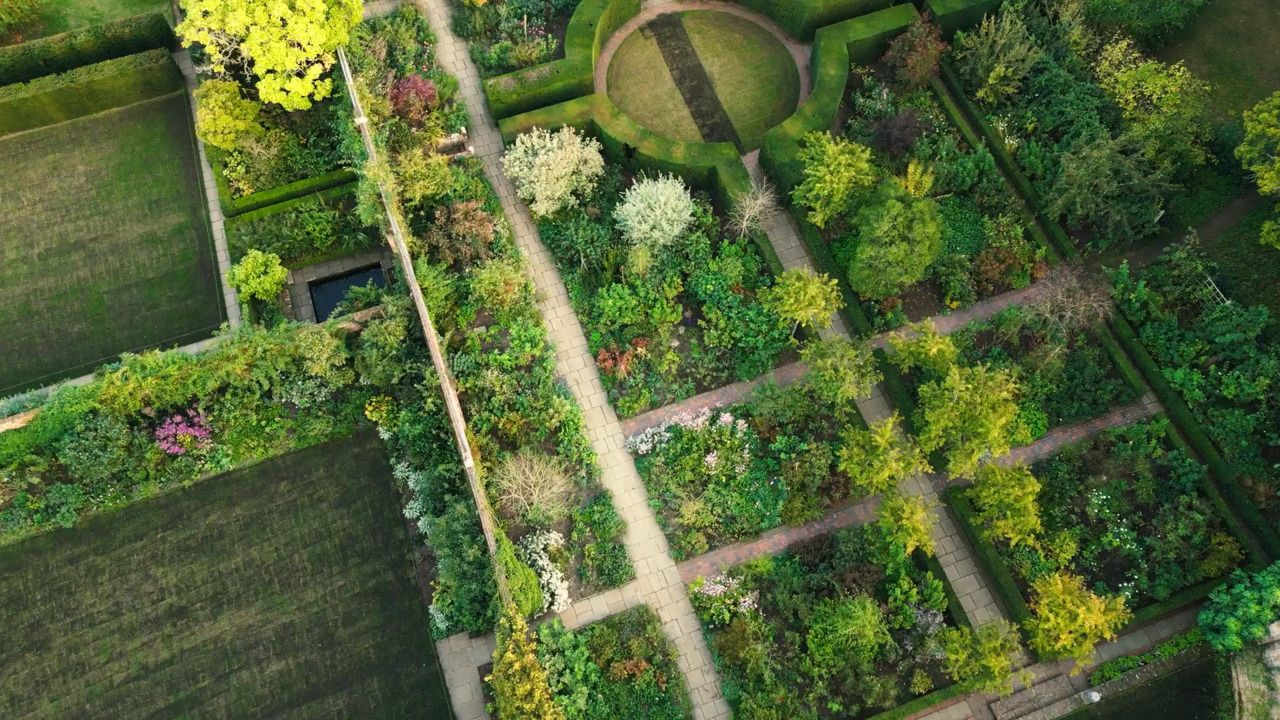
Lifting & Dividing Perennials in the Rose Garden
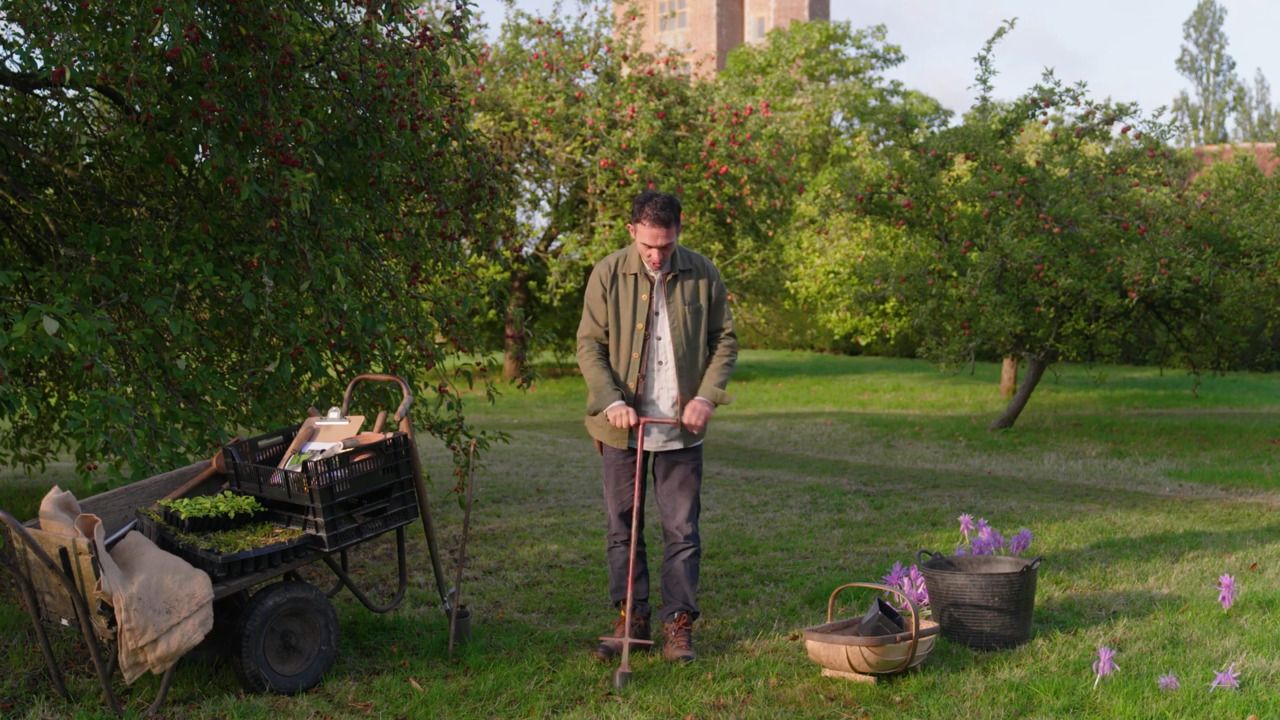
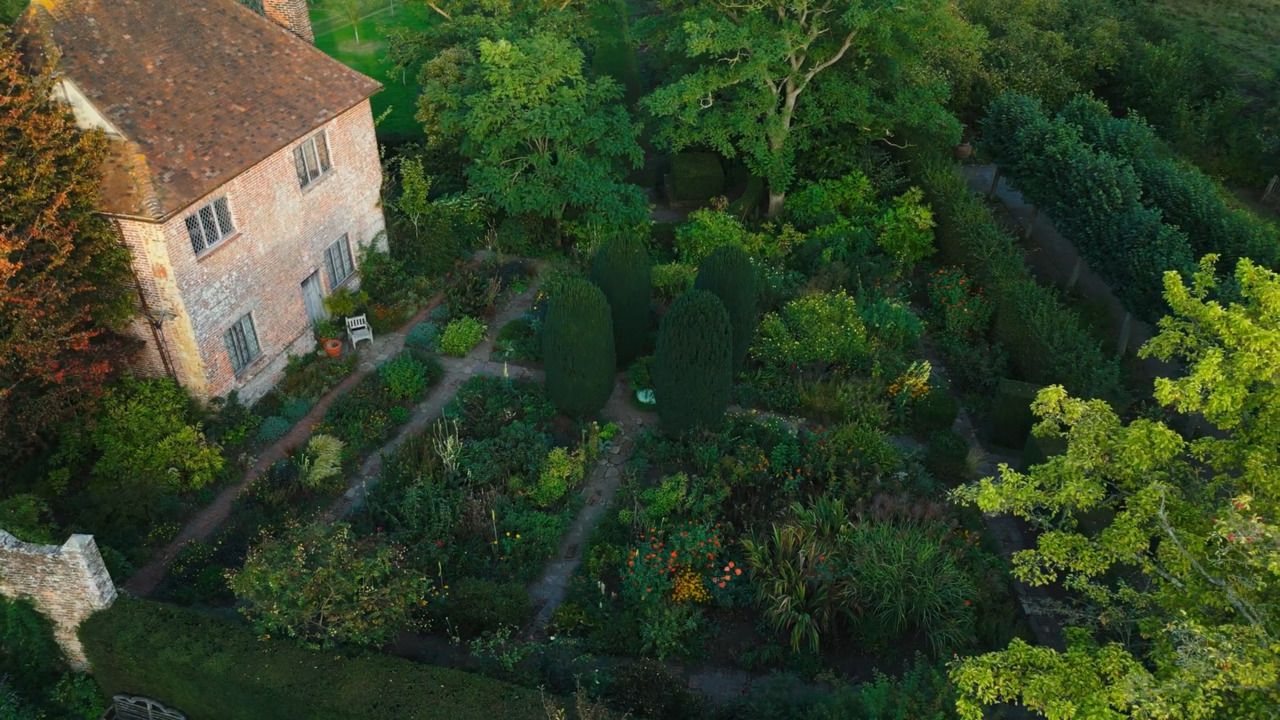
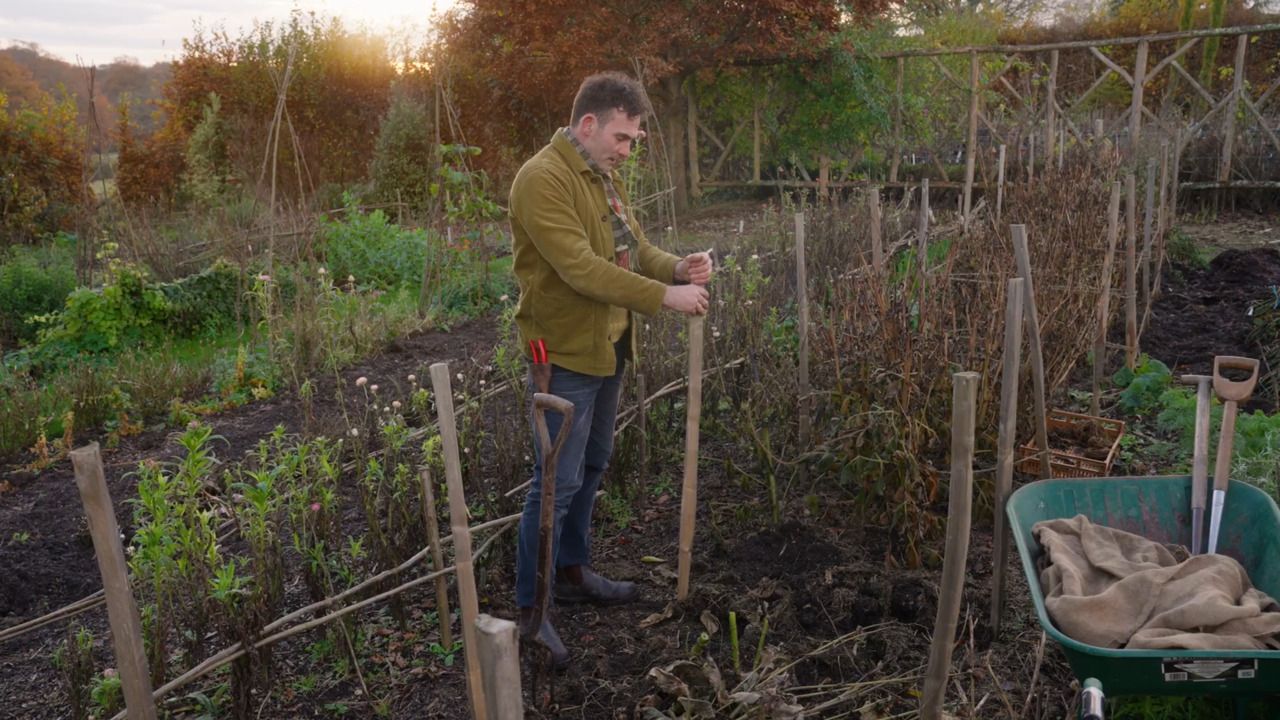
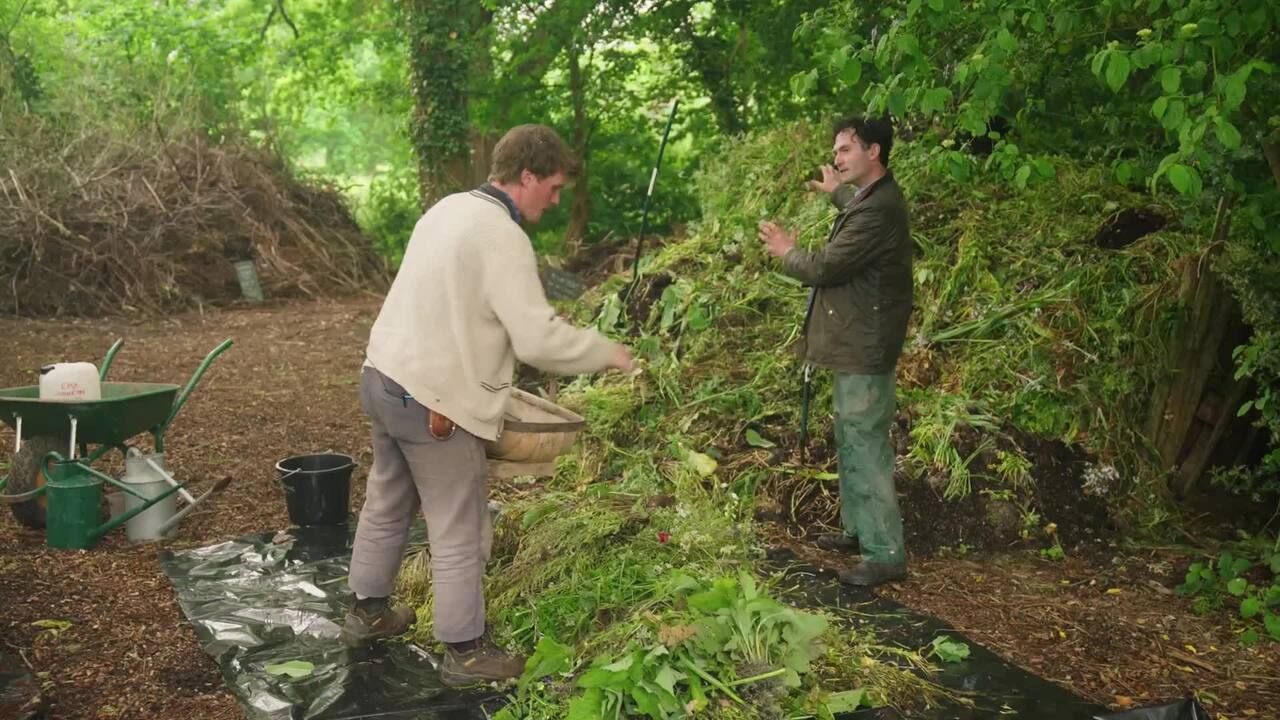
The soil at Sissinghurst is heavy clay, so a dry period in October is a good time to get on it. At a time when it's wetter, I would need to use boards to prevent compaction.
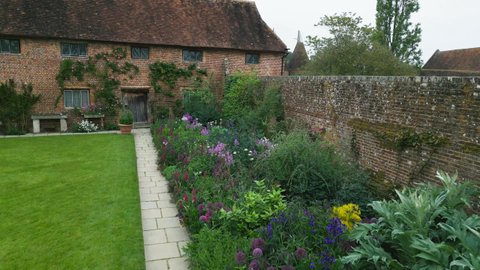
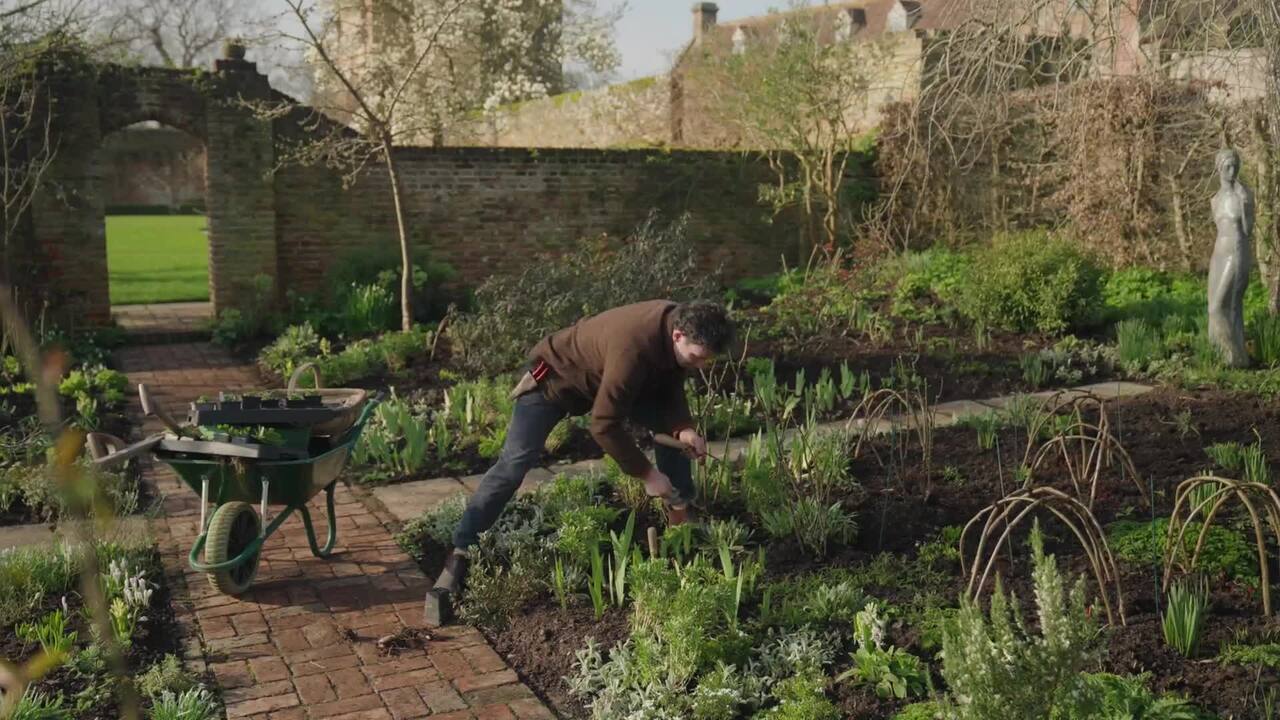
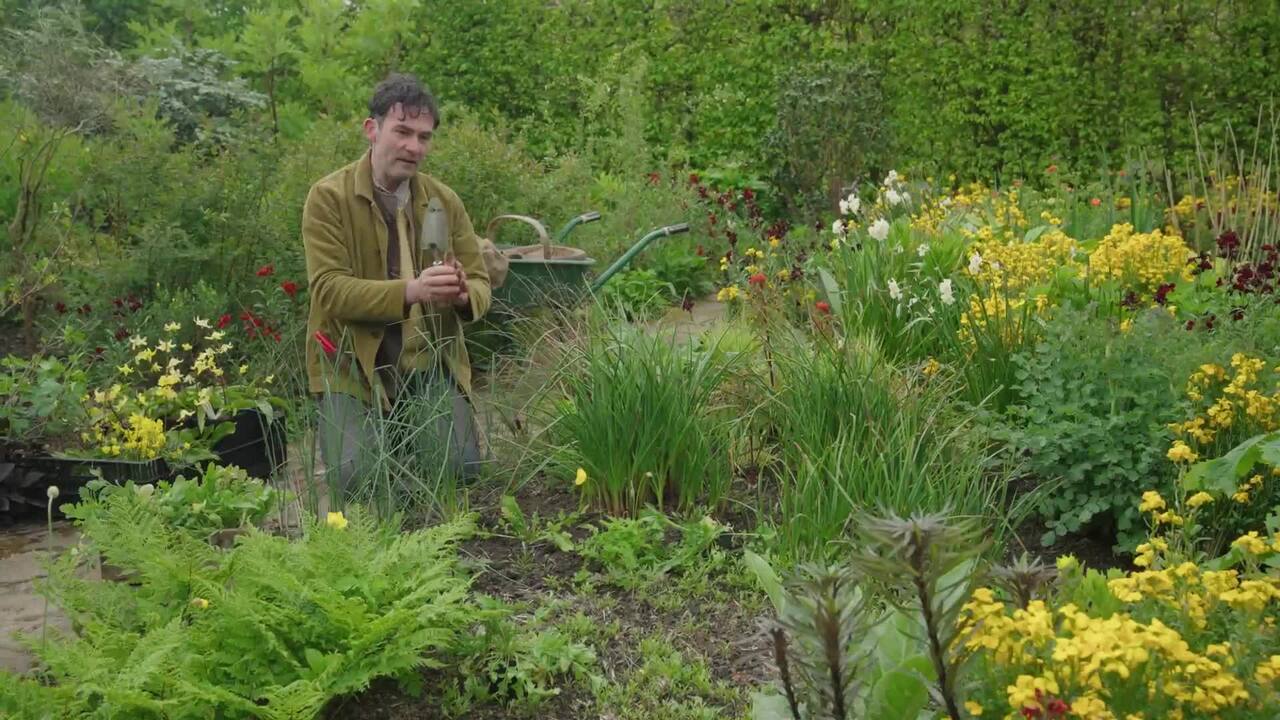
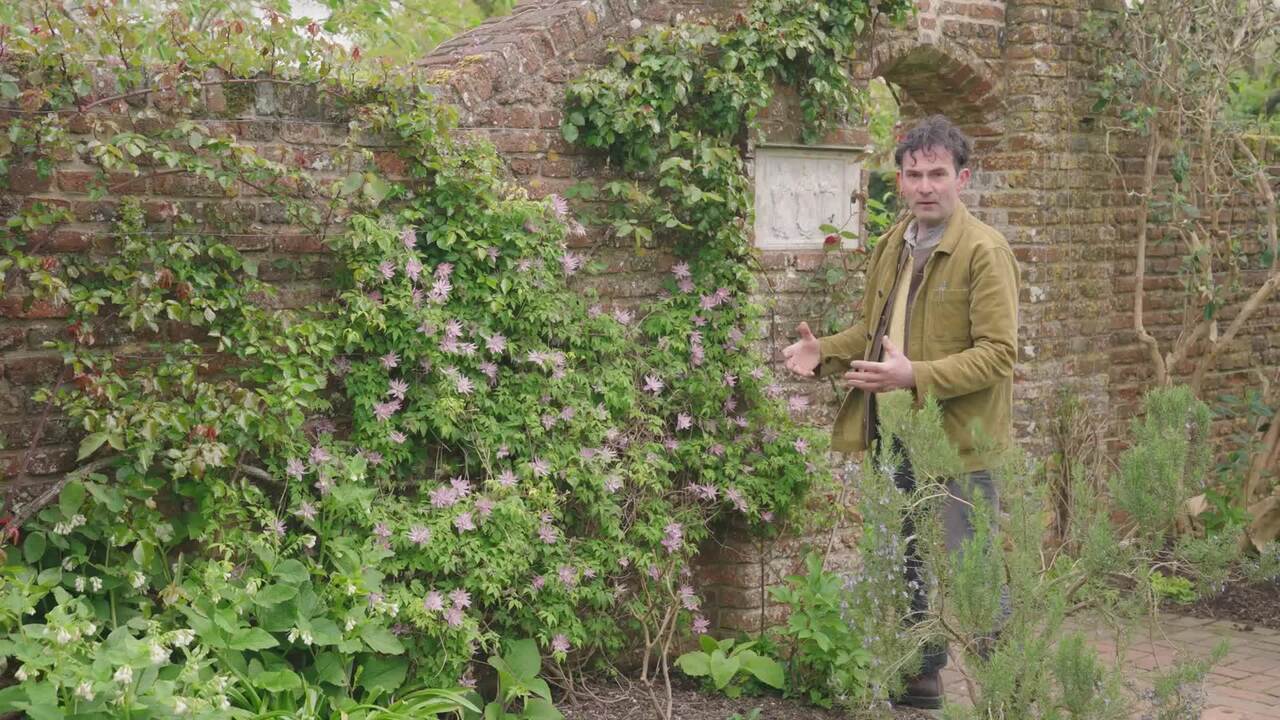
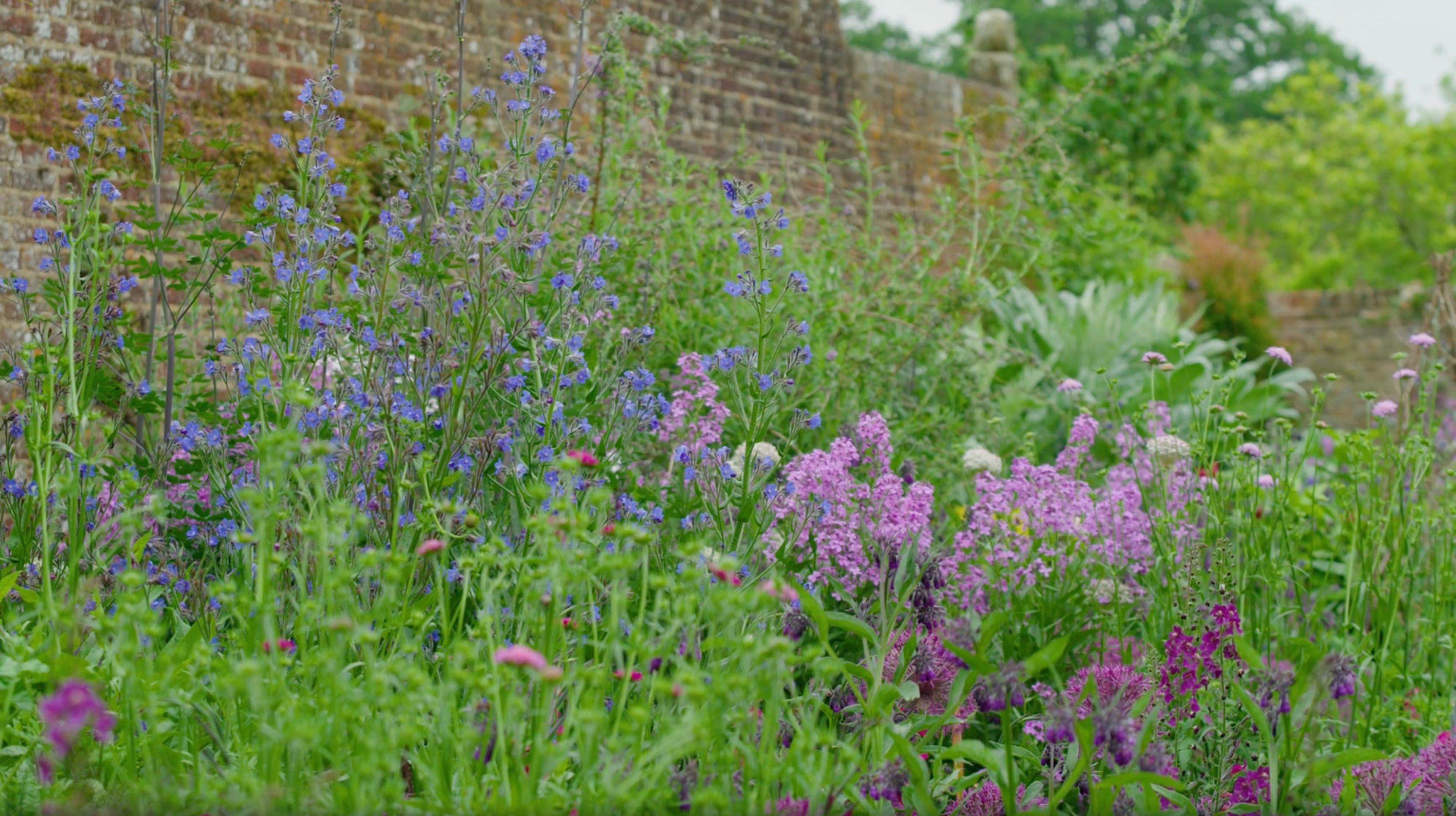
The borders are what really set the character and tone of a garden.
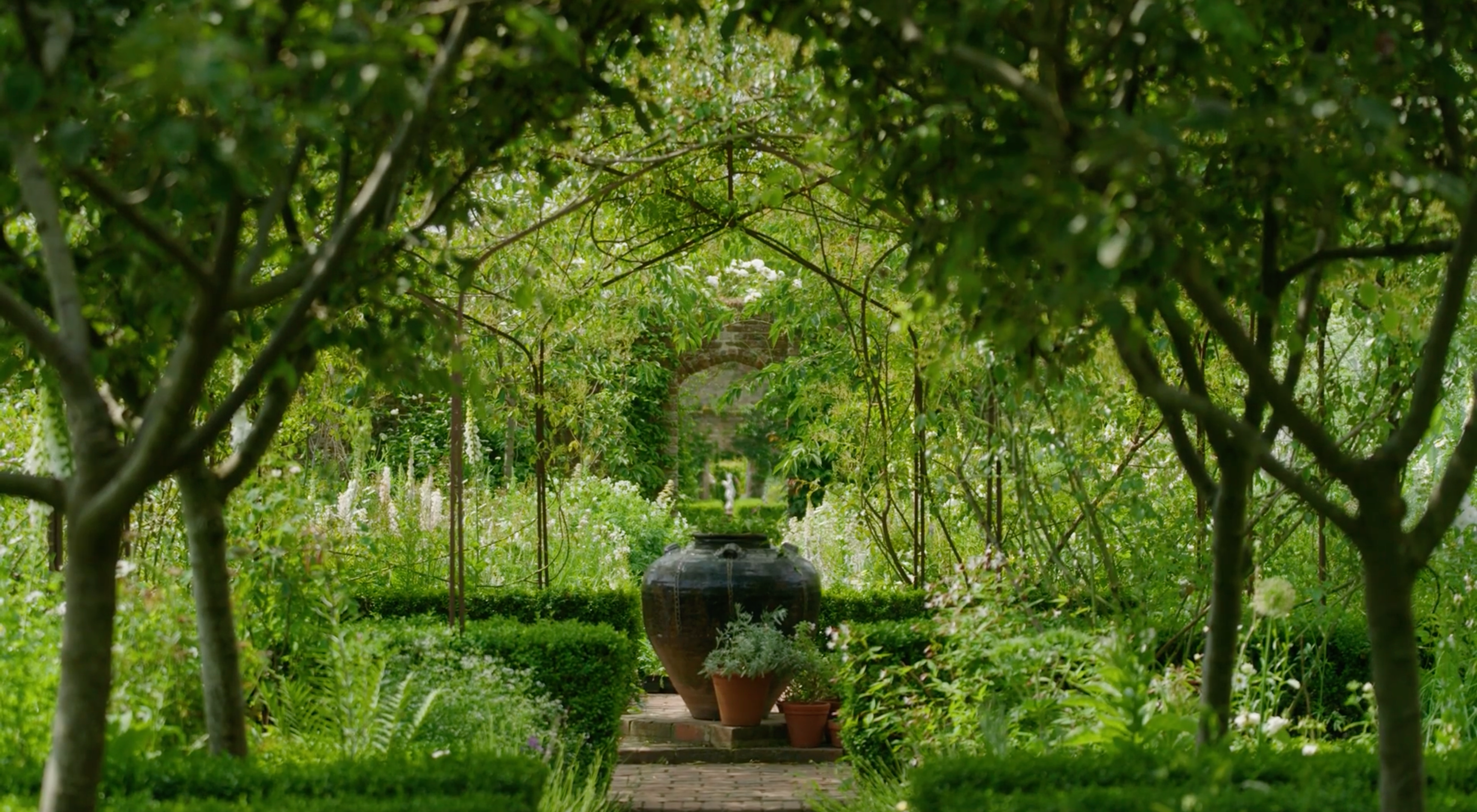
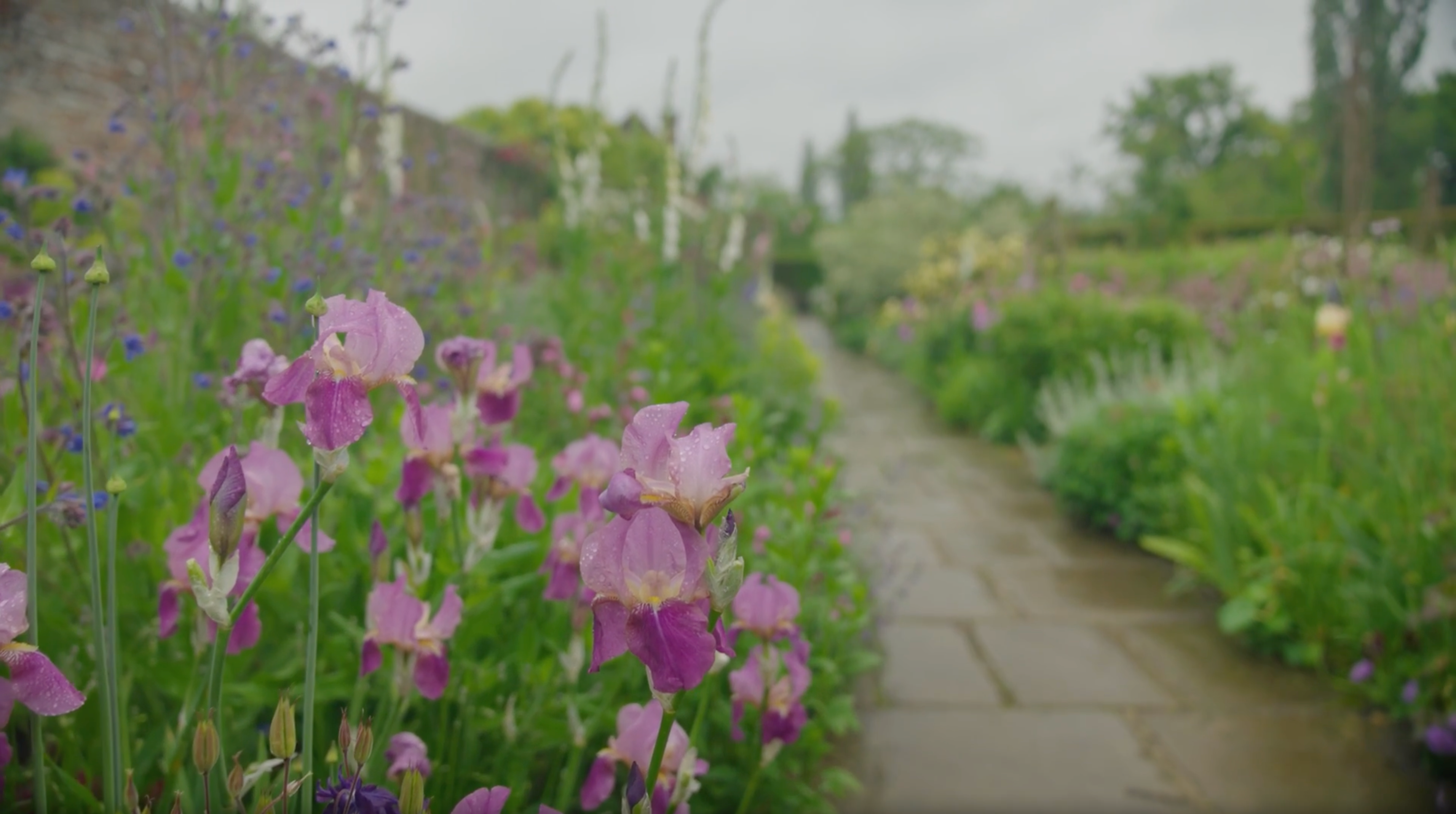
- Sissinghurst is about romance - partly from the sense of history, but also from the plants and their exuberance.
- Your character and personality will come through in the plants you choose and the way you distribute them in the border.
A border is never 'finished'. In this lesson, we'll look at the continual process of observing and editing your borders to achieve the look you want, the types of structural plants to include, and how to lift and divide perennials to keep them thriving.
The Importance of Editing Your Borders
The intricate balance between flowering shrubs, perennials, annuals, biennials and bulbs in a border requires constant studying and reworking.
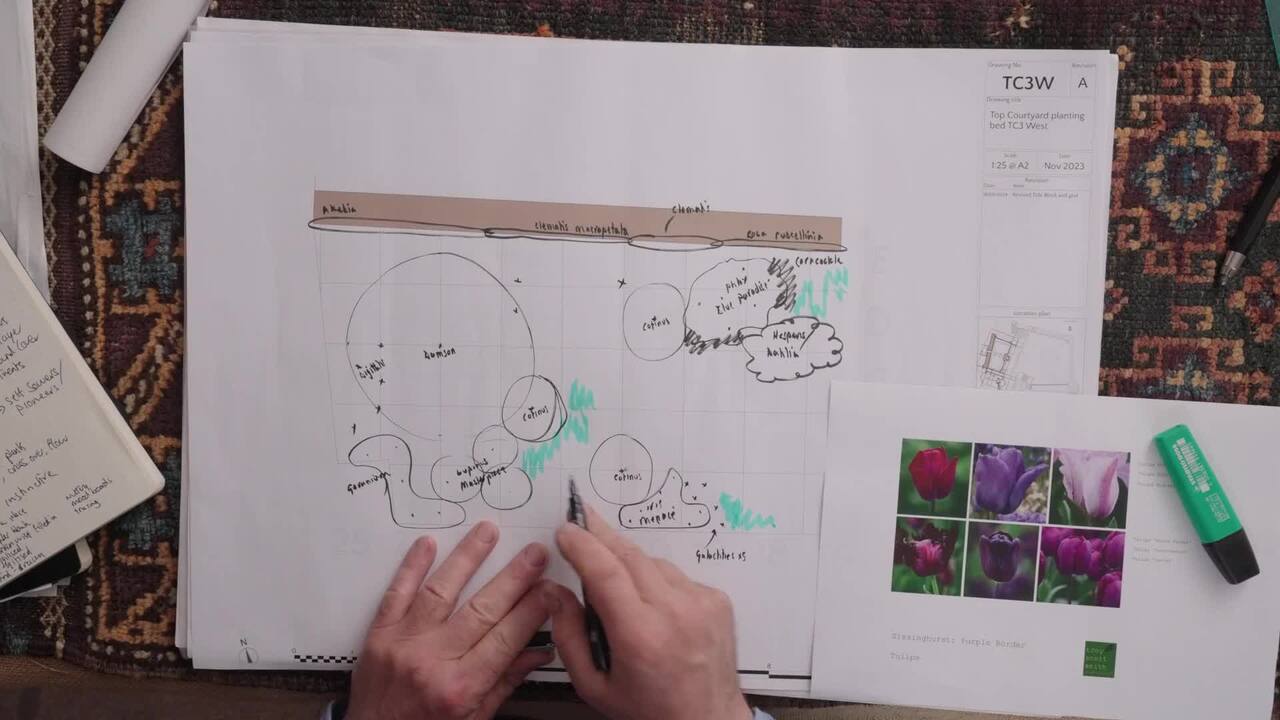
- Vita had a list of things she wanted to change, lift and divide in this bed, which she'd cross out and write 'done'.
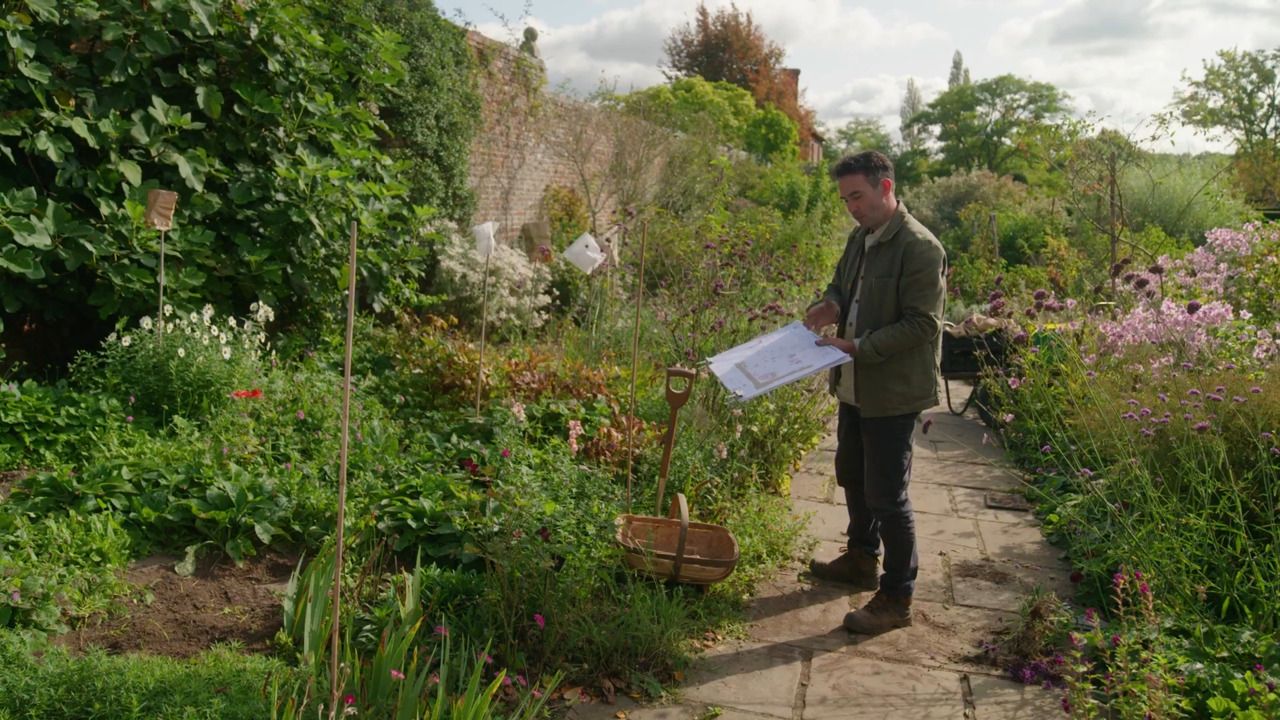
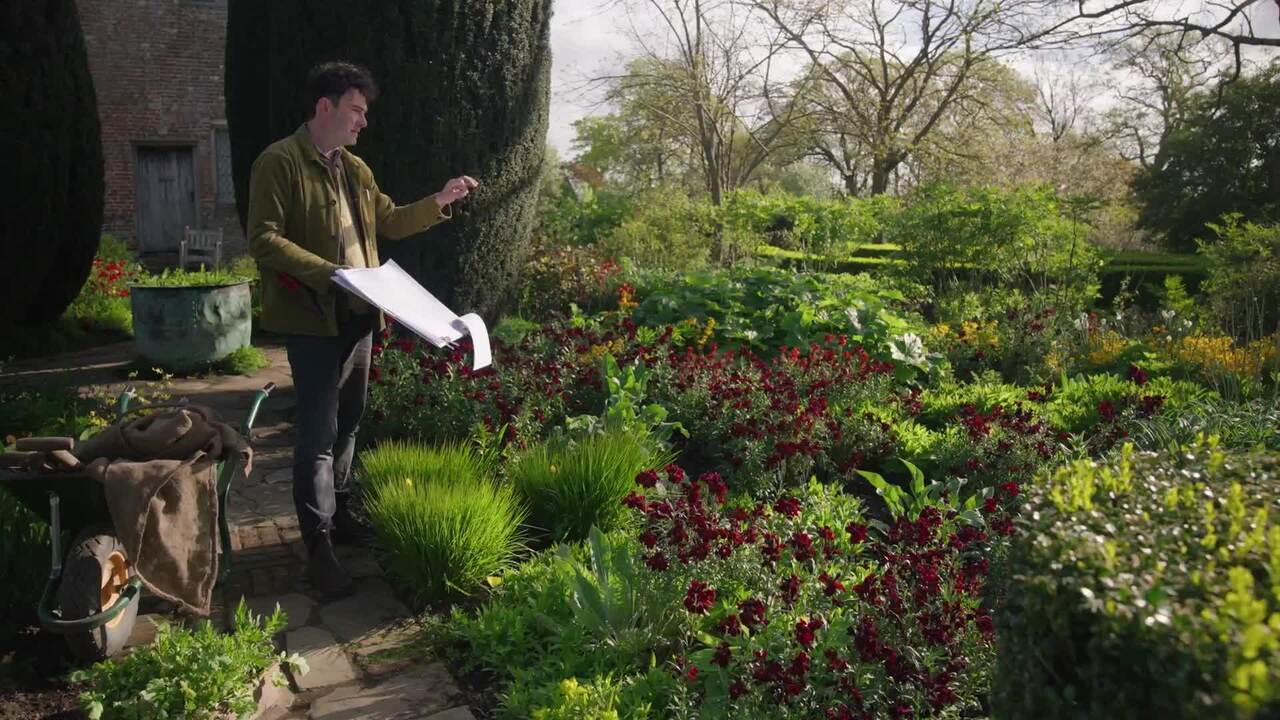
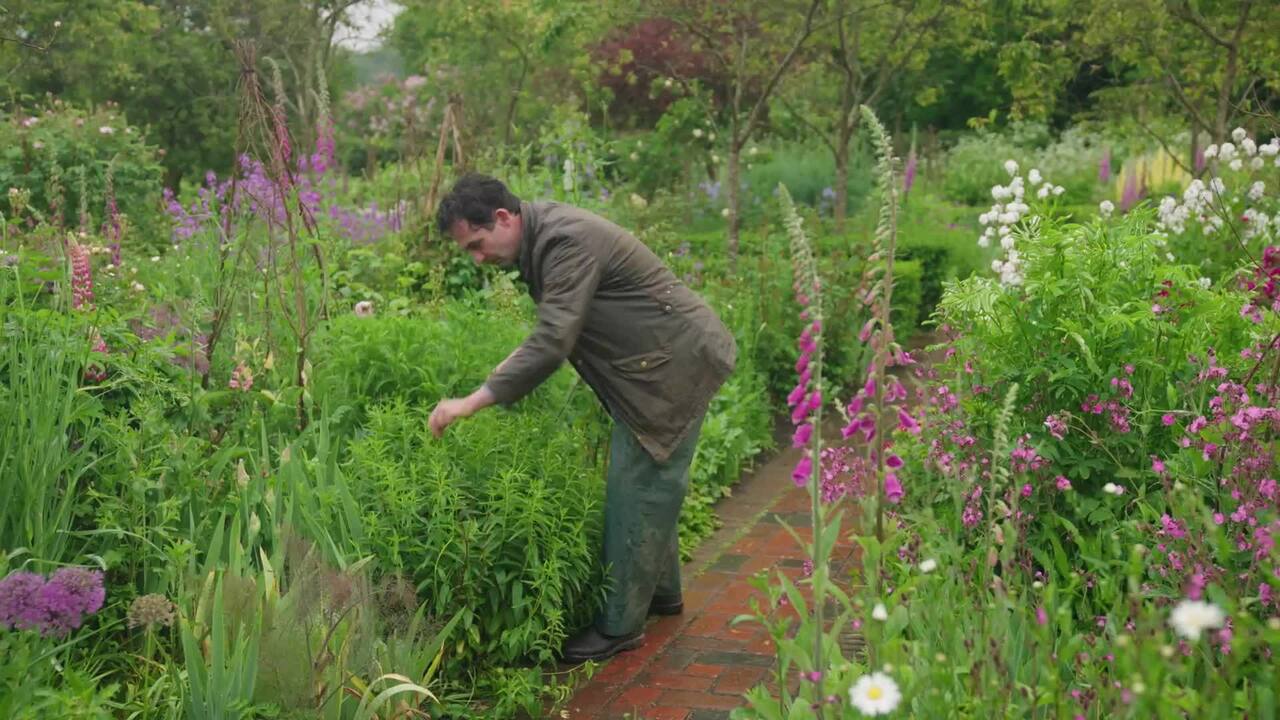
- That's what we still do today. I've been looking at it throughout the year and making notes on what's starting to look crowded or needs changing, and we need to lift and divide now.
- This is what you should do too - it's difficult to remember things you saw that you liked, colours that went well together, and as soon as it all dies back, you can't even tell where things are.
- Make notes throughout the year to capture the thoughts you have.
Don't Be Overwhelmed
Gardening is a process - it's never all finished. We can't get around every border, and that's ok.
- For our big borders, we break them up into sections.
- It doesn't matter what scale you're working on - the principles are all the same.
Plants behave differently, so work according to the needs of your individual plants.
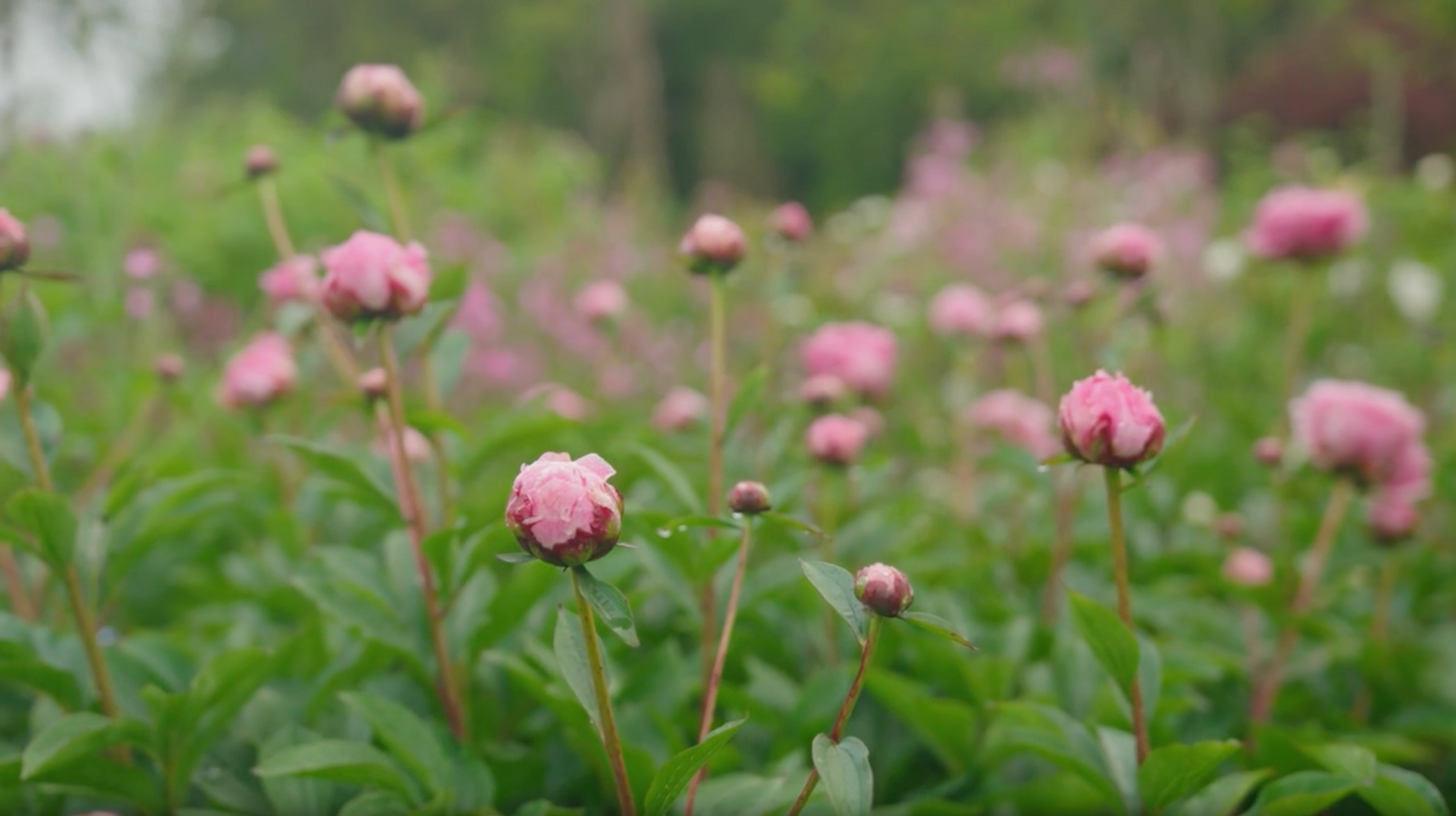
- Some need dividing every 2-3 years, such as hardy geraniums; others, such as Achillea, get very congested and need dividing every other year, while a peony can sit there happily for 10-30 years.
- Familiarise yourself with your plants and what they need practically to keep them happy.
- After fulfilling the practical needs, part two is editing the design and what you're trying to achieve.
The Structural Plants
When editing a border, I start by identifying and assessing the structural plants:
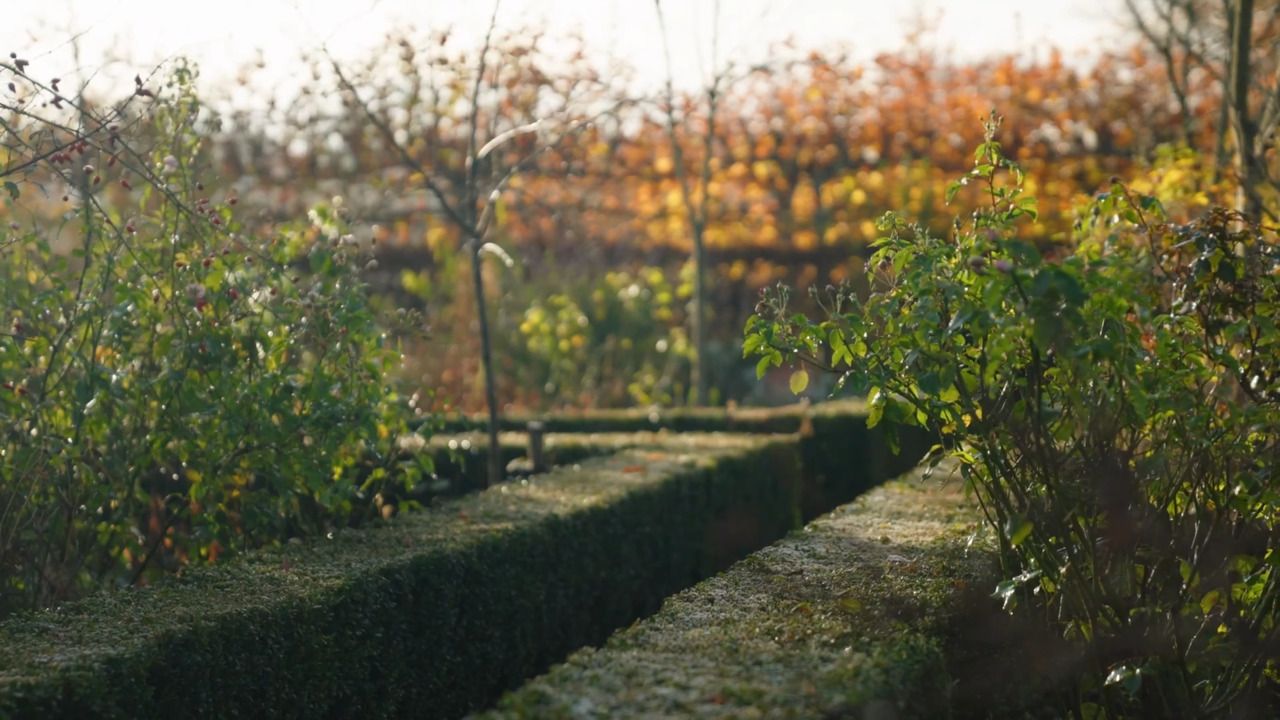
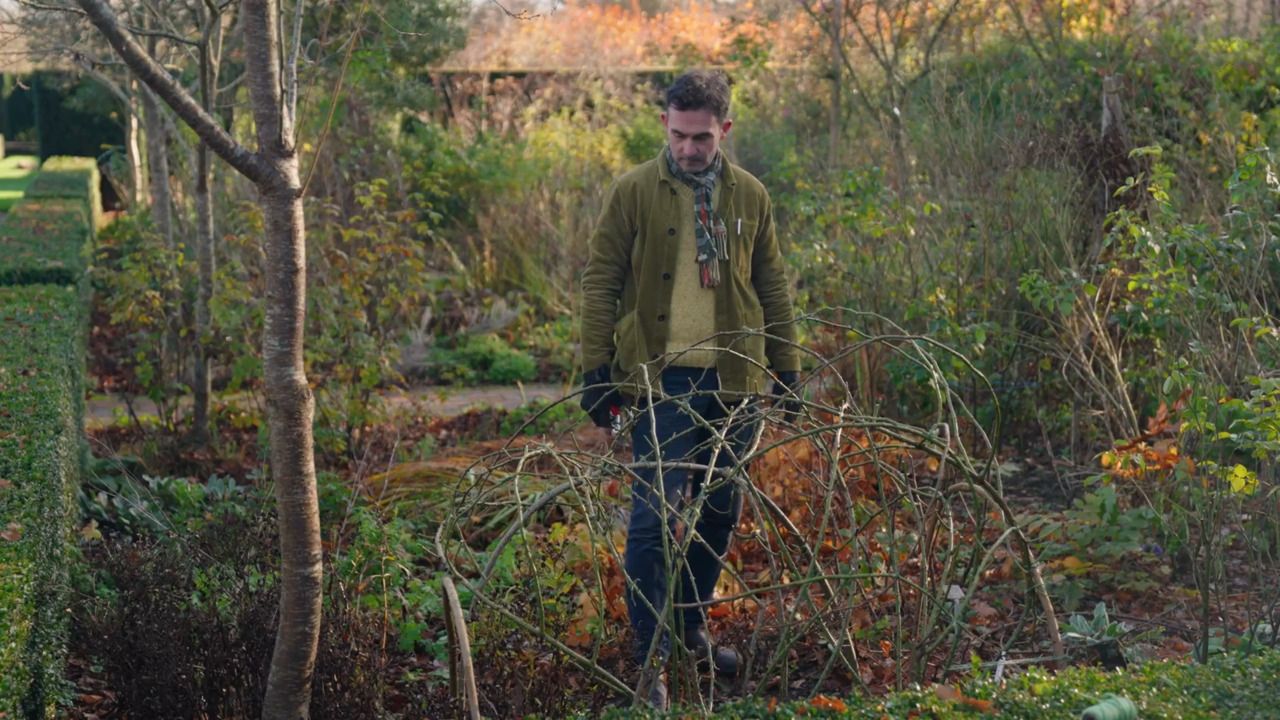
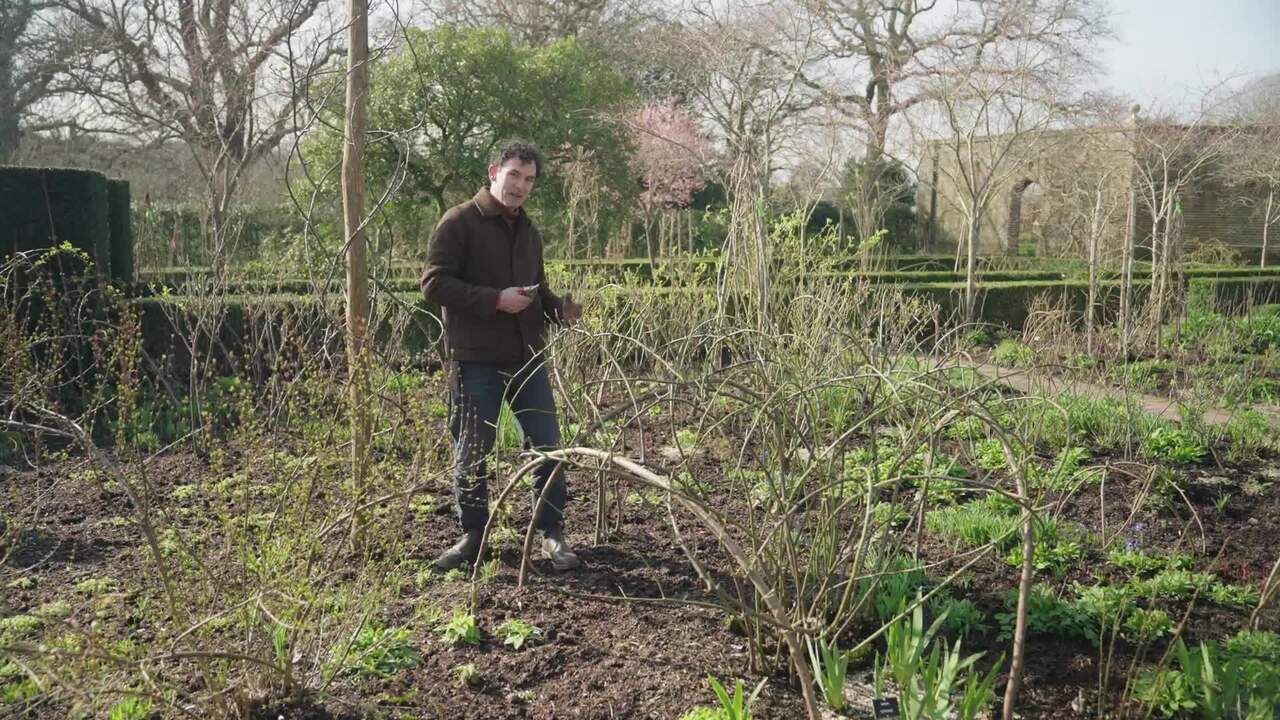
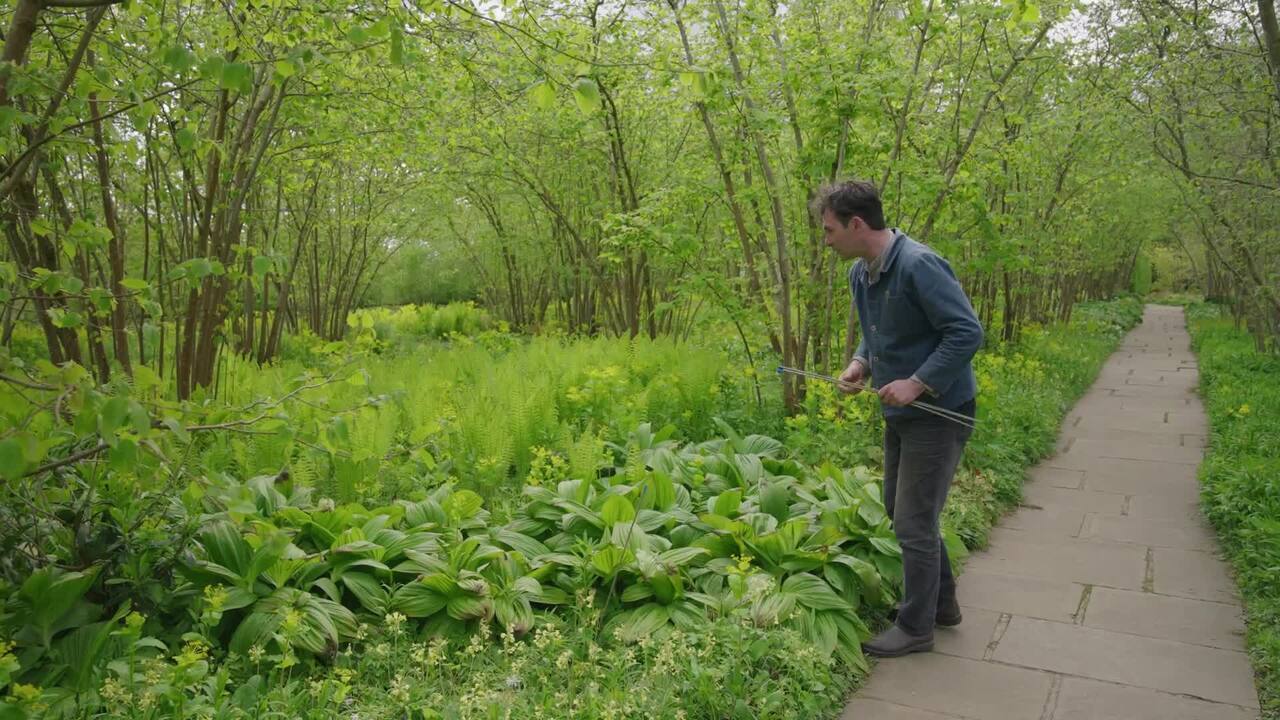
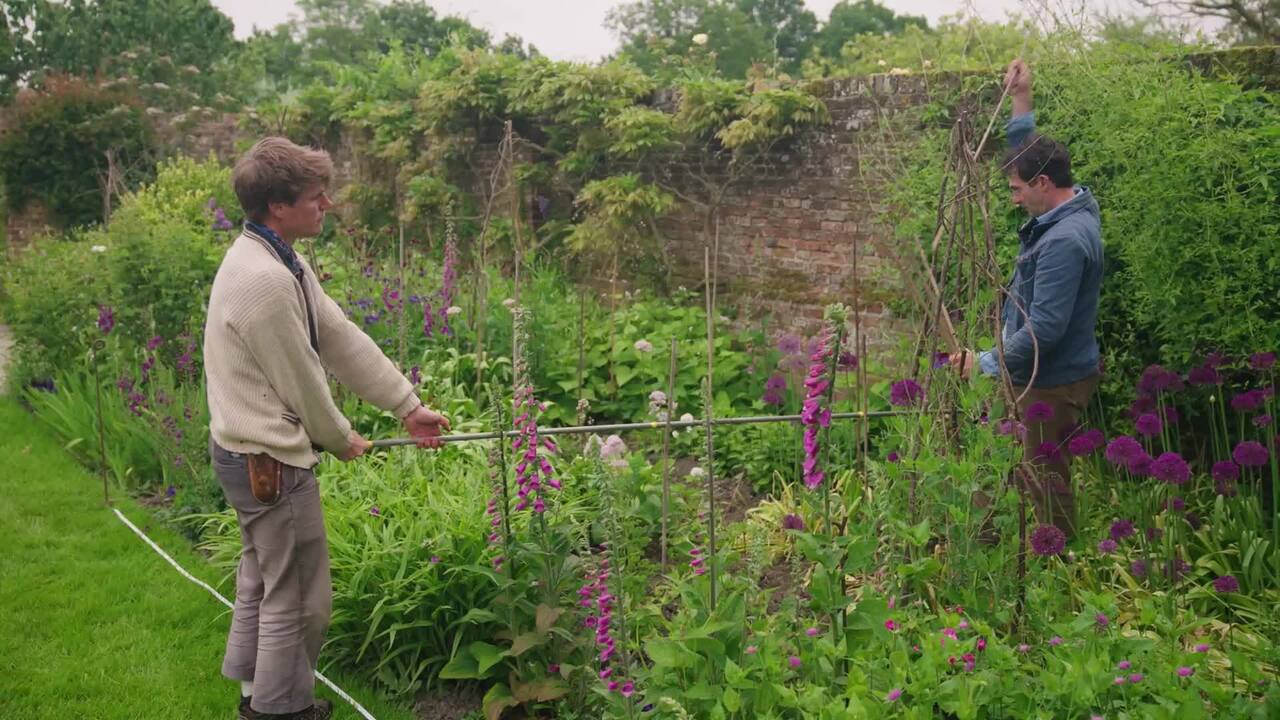
- Keynote plants - roses are the keynote plant here in the Rose Garden, but have a limited lifespan, so I need to replace some of them.
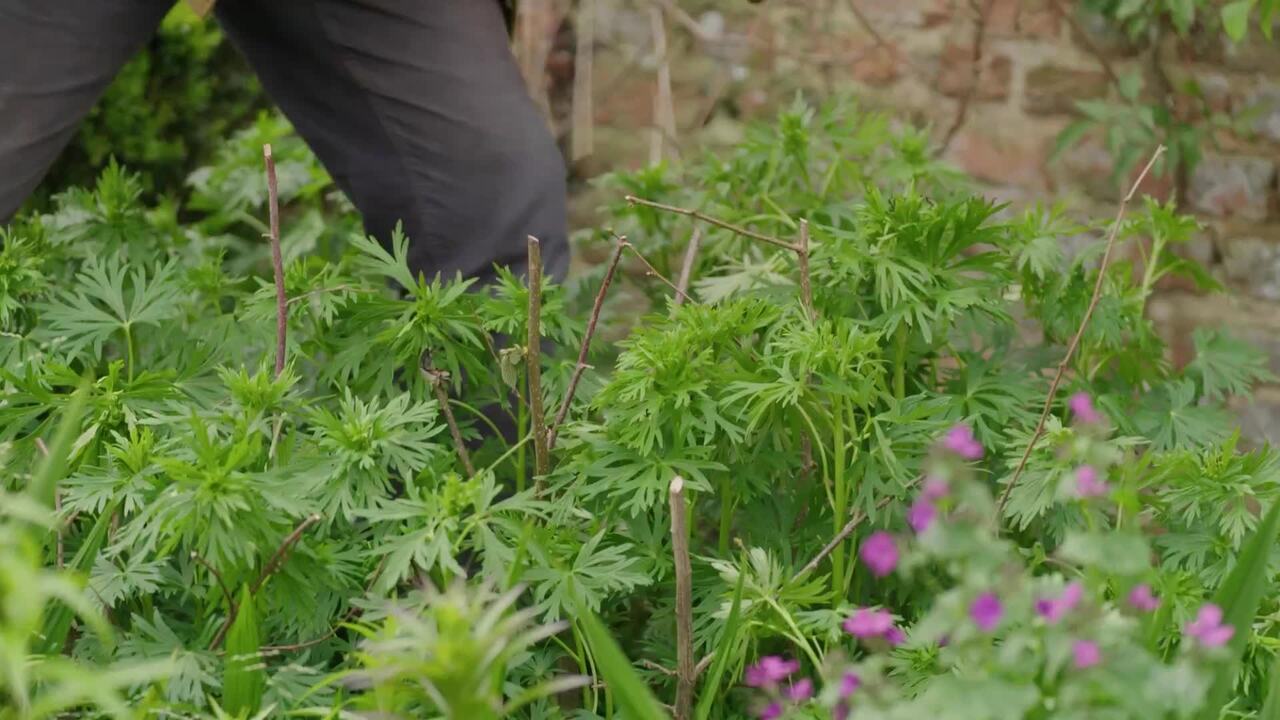
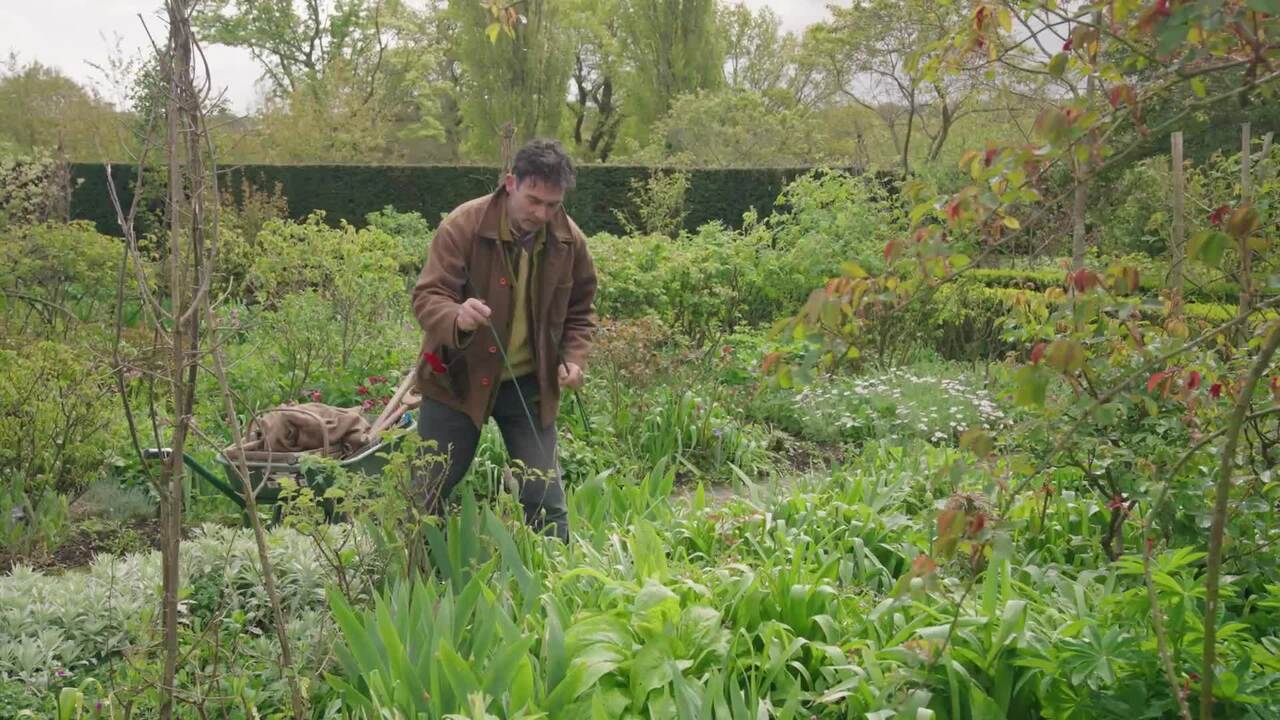
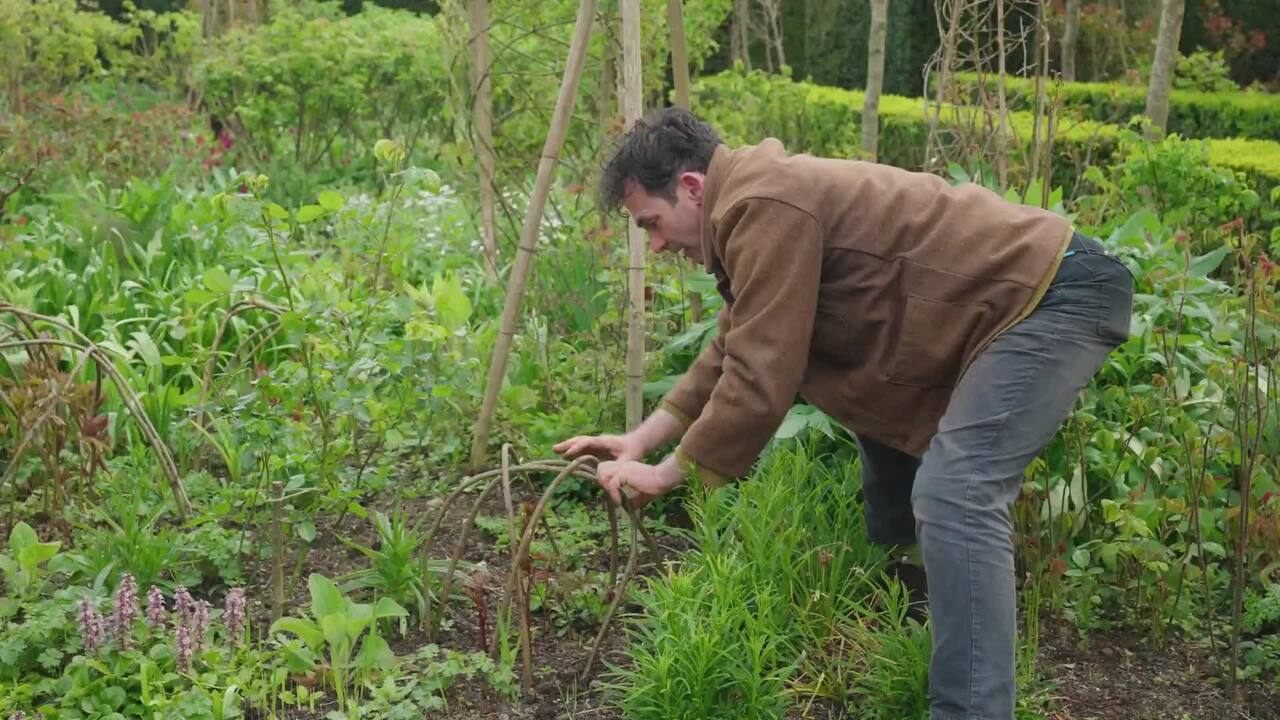
- I put bamboo sticks in to give me an idea of where new roses might go, how other plants might pivot off them and how the look will change as the roses grow.
- Accent plants - these are used in two ways:
- Threaded through a border, e.g. foxglove, Verbascum, Eremurus - all tall spikes. These aren't necessarily a long-term presence, but they add rhythm when woven through a bed.
- Planted in several small groups or pockets to stop your eye from travelling down the border too easily, and make it focus on little vignettes as you go down.
- Filler plants - the rest, but this is where the border risks losing impetus, and we're tempted to shove anything in that we might have. In reality, the fillers are just as important as the keynote and accent plants. Ask yourself these questions:
- What do you want them to do?
- What's their seasonal interest?
- How do they work in tandem with each other?
- Do they enhance one another?
- Do they succeed each other for a succession of colours?
- What heights and textures do you want to achieve?
- Little luxuries, ephemerals and self-seeders, which we'll explore later.
Planning the Edits
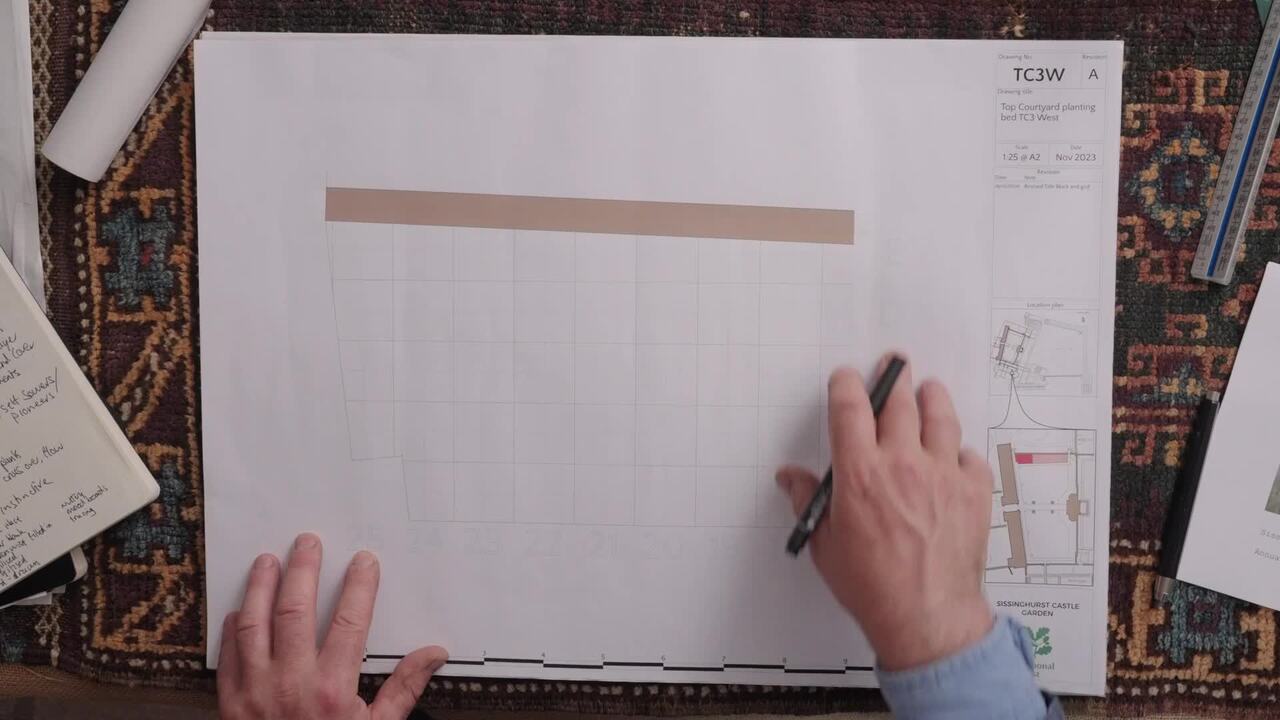
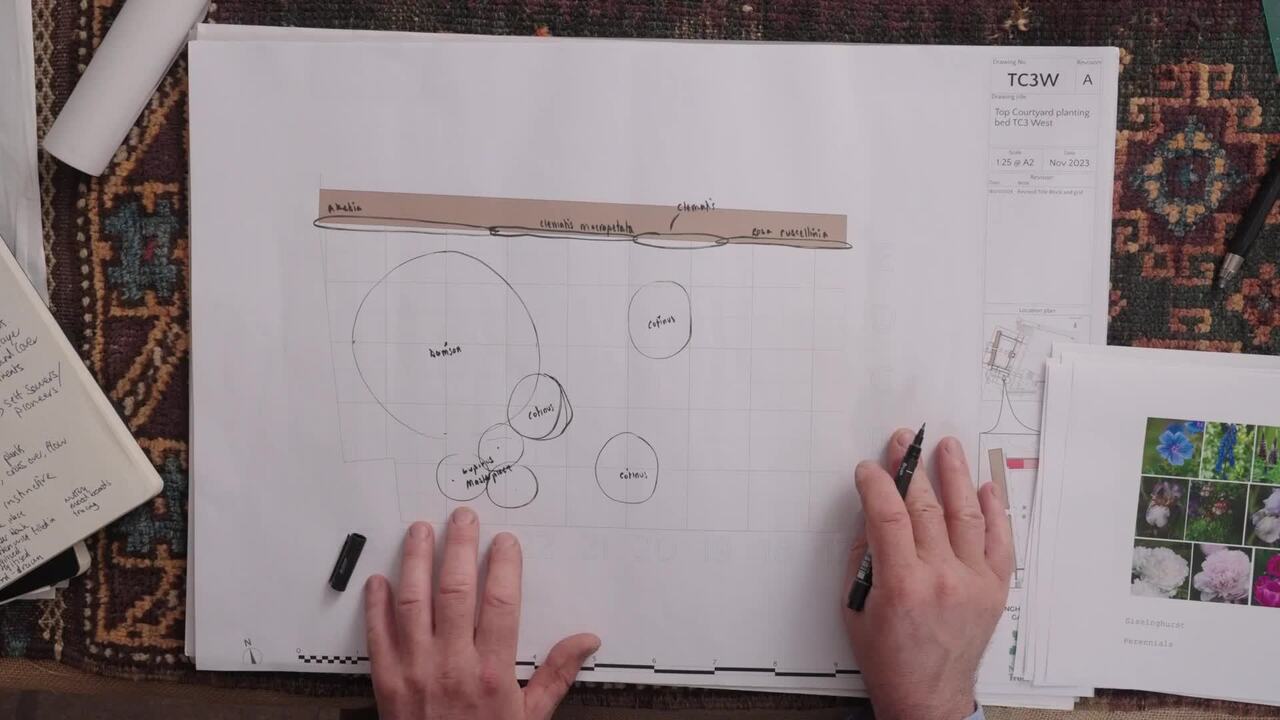
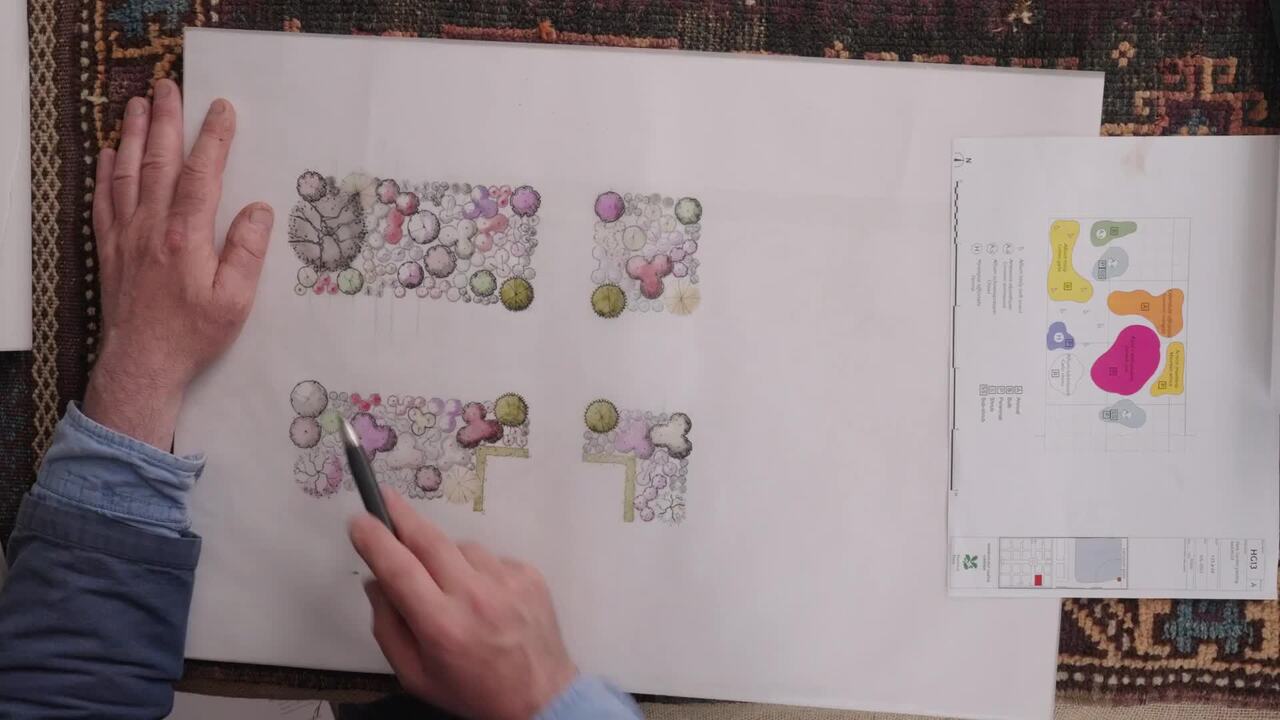
This is our chance to rework the planting design:
- Identify things we need to lift and divide
- I'm going to take out some of the Geranium, Knautia and Achillea
- These are either too crowded, taking up too much space now, or are starting to look a bit tired and need lifting and dividing to rejuvenate them.
- Remove things that I've previously noted we don't want in here any more - for example, they've arrived on their own or aren't working
- There's an Achillea that has self-seeded into the border. It's not the best form or in the right place, but it gives a nice feeling and thrives here, so I will take that as my cue and though I'm moving this one elsewhere, I'll choose cultivated forms of the same plant to use in the border that pick up the colours already in the border, e.g. Achillea 'Lilac Beauty', which we've also got in another bed nearby - bouncing the same plant across between areas is another good technique to use.
Working in the Borders
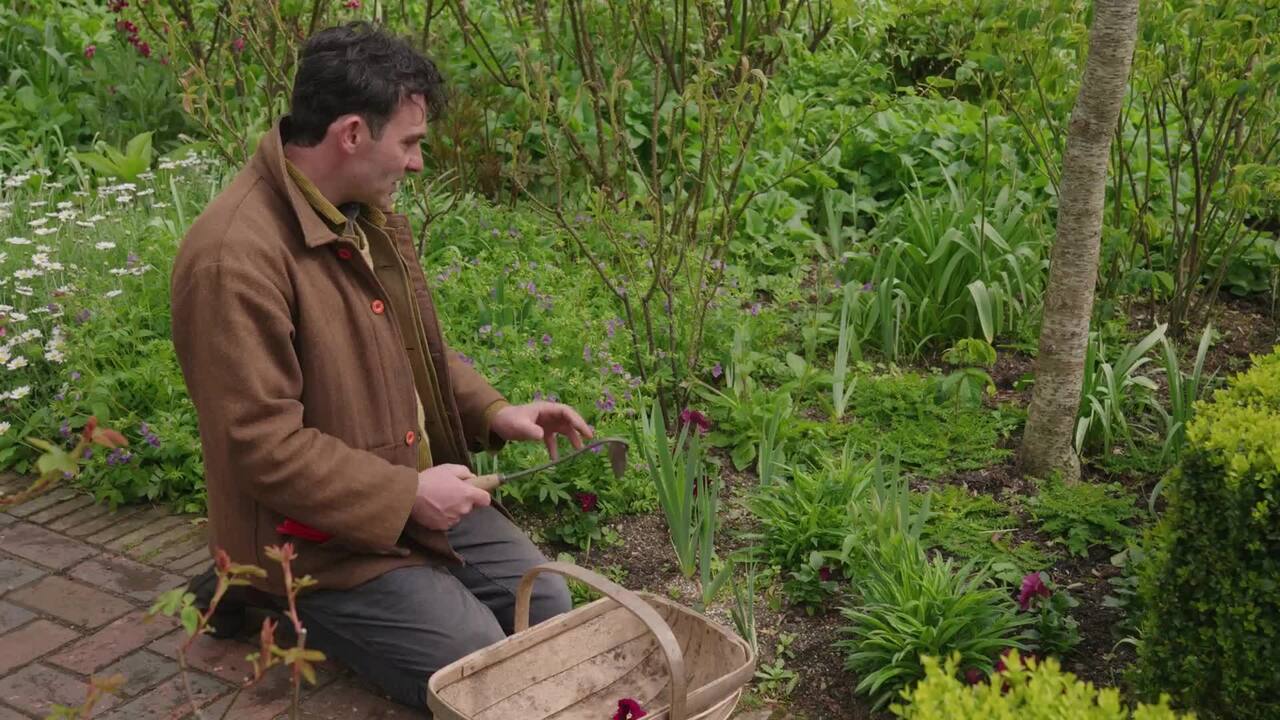
- Before stepping on soil, first put a board or 'stepping stone' boards down to avoid compacting the soil, even on a dry day.
- The health of the soil is everything.
- These teach you to be quite controlled with your movements.
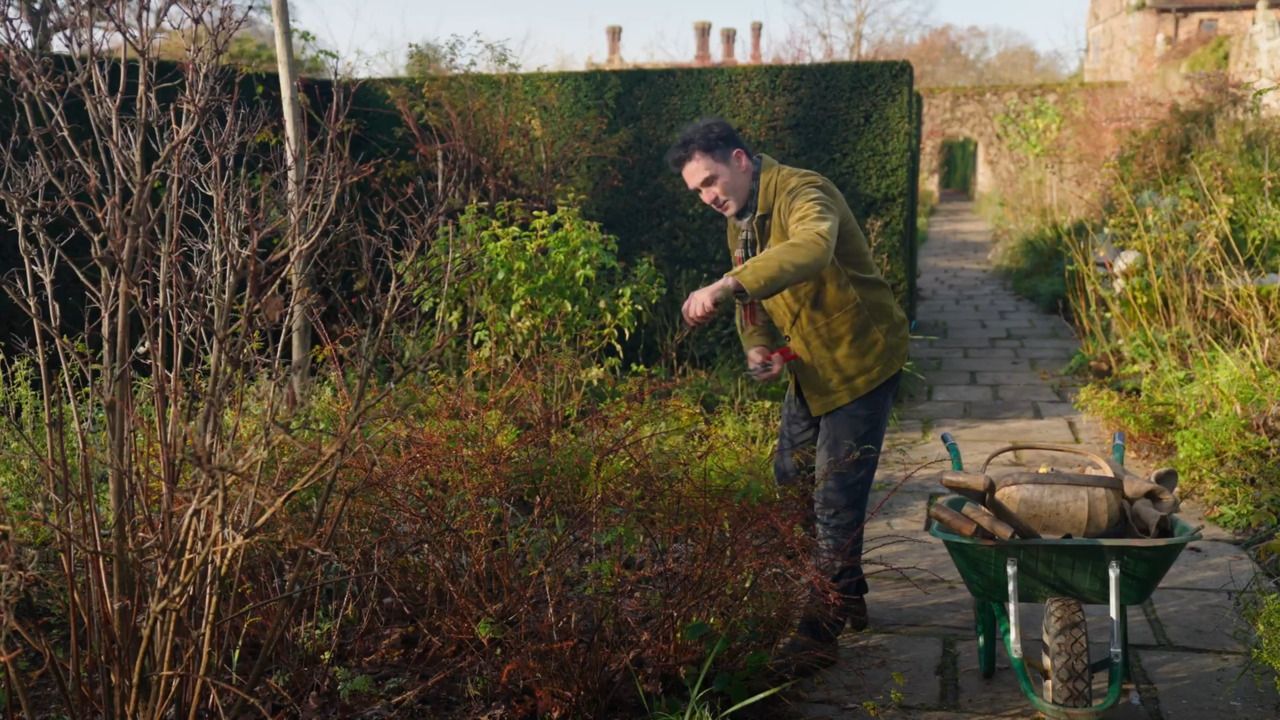
- You've identified the plants you want to lift; now use secateurs to remove top growth. Cut it down to nearly ground level to stop the plant losing lots of water through its leaves.
- Some plants don't need cutting, e.g. by autumn Geranium foliage can be combed away, while Phlox stems snap easily.
- This helps you see the extent of the group and where to put your spade or fork in.
- Work around the plant to lift the rootball. I prefer using a fork because you can tease the plant up rather than cutting through all the roots.
- Whether it's a fork or a spade, I favour small ones - border forks and border spades - which are easier to use in small areas.
Lifting the Perennials
All the plants I'm lifting are perennials - they come back every year and mostly die down over winter. Over time, they get crowded, so they need lifting and dividing.
Types of perennials:
- Clump-forming - tops get bigger but don't move from the central clump
- Spreading - roots spread and send up new shoots
How to Tell When a Plant Needs Dividing
- Look for perennials that have become woody and almost bare in the middle, with a ring of new growth around the outside.
- This is a good sign that it's ripe for dividing to remove the bare centre.
- Observe your plants and lift and divide when the plant needs it, and you have the time to do it.
When to Lift and Divide
- In areas with really cold and wet winters, especially with clay soil, which can get very cold and wet, leave it until the spring.
- Winters are getting easier here, so I do this in early October, when the soil is mild and moist but not too wet.
- This means plants have time for roots to grow and establish before the winter; otherwise, on cold, wet clay soil, the plant can just sit there and rot away.
- Spring is a very busy time, so anything I can do now is a great saving.
- On sandy or loamy soil, it's safer to do it in autumn, but if you're worried about cold, wet clay soil, wait until spring.
How to Lift Perennials Such as Knautia
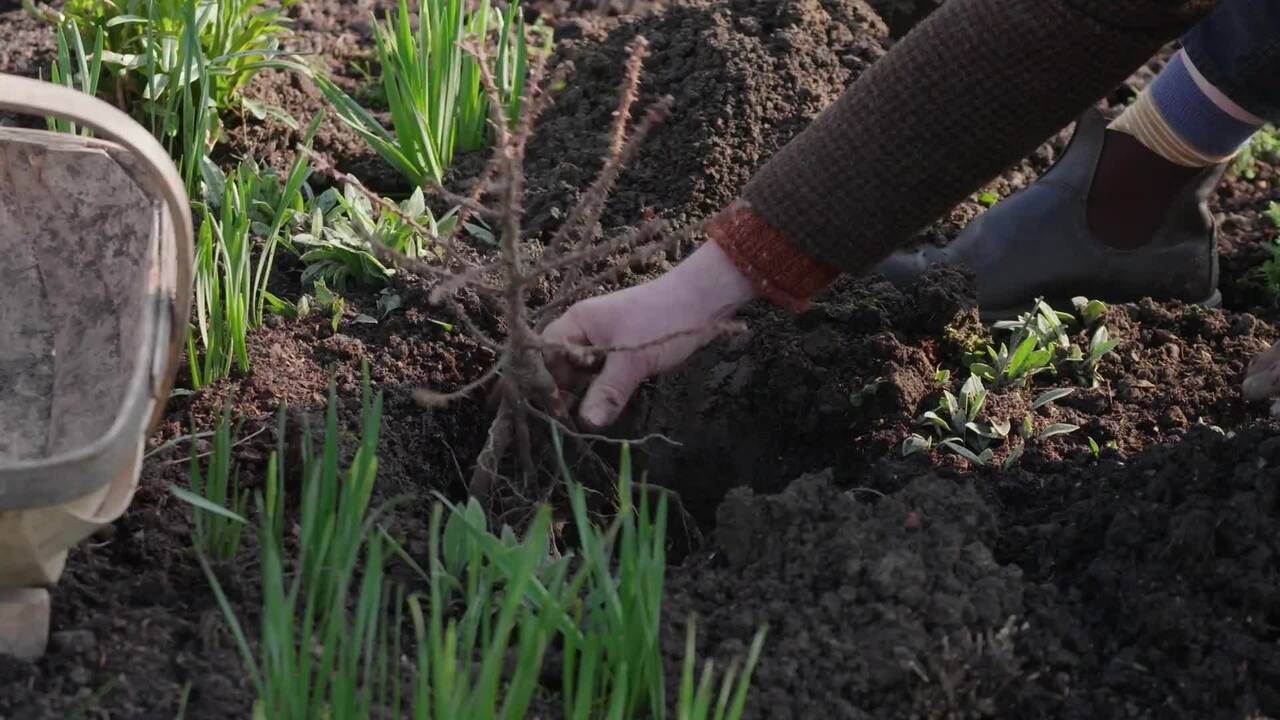
- Work all the way around the clump with the fork, gently levering upwards until it gives.
- Over time, you'll get a feel for which plants lift easily and what the roots of different plants are like.
- Remove a bit of the excess soil from around the rootball to leave a nice plant that you can start to divide.
Lifting the Achillea
Achillea 'The Pearl' is a useful plant that flowers really well. It has a mass of white flowers at 3-4ft, but not much of interest below, so we need to think about where it goes rather than letting it spread near the front of the border.
- I'd put it in the second or third row back to hide its less interesting stems.
This behaves differently from Knautia when lifting:
- There's not much foliage at the moment, so I don't need to cut it down.
- The rootball breaks up into little pieces, so it can be hard to keep track of these without the leaves on.
- You hardly need any from the original clump to create a nice-sized new group, so this is a great plant for spreading to different parts of your garden or giving away to friends.
- Put the plants on a sheet outside the bed, ready to divide, and process the plants quickly.
Diving the Plants
When you lift and divide perennials, you have two options:
- Divide and replant them in the border straight away
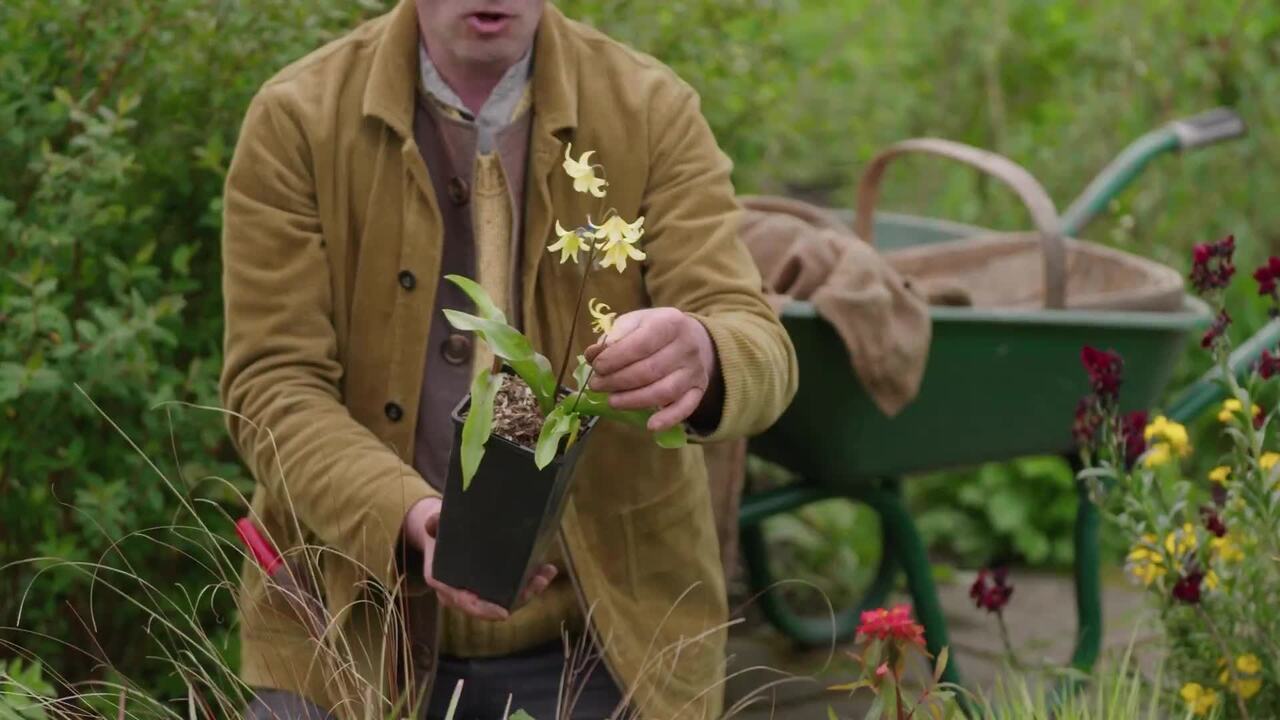
- Pot up the divisions and put them in a nursery area. I do this for things we're not ready to replant because we're rethinking the design.
How to Break Up the Plant
- The best way to do this depends on the plant.
- Levering a clump in half using two back-to-back forks or hand forks can work well to prise it apart.
- Some are tricky to split apart, e.g. hostas, Knifofia, Eryngium - these are quite solid and you may need to use a spade or knife to slice them
- Some, e.g. Knautia break apart quite easily with just a twist and pull.
The Process
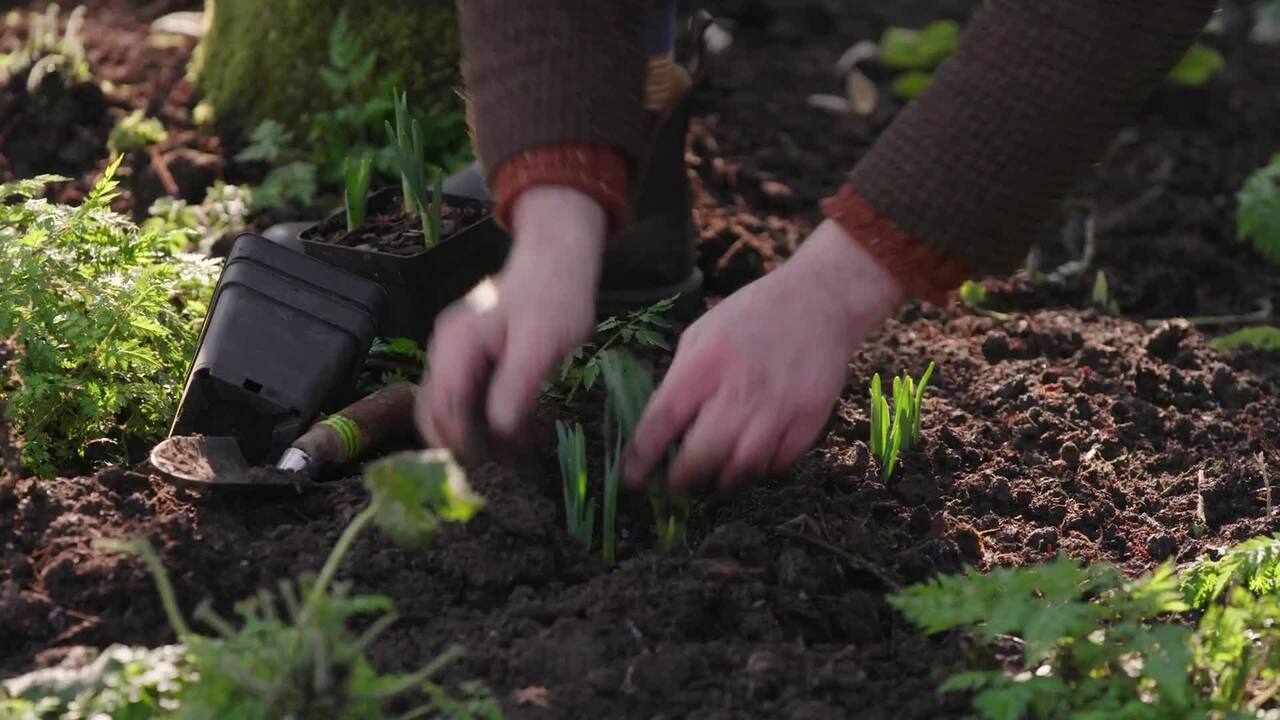
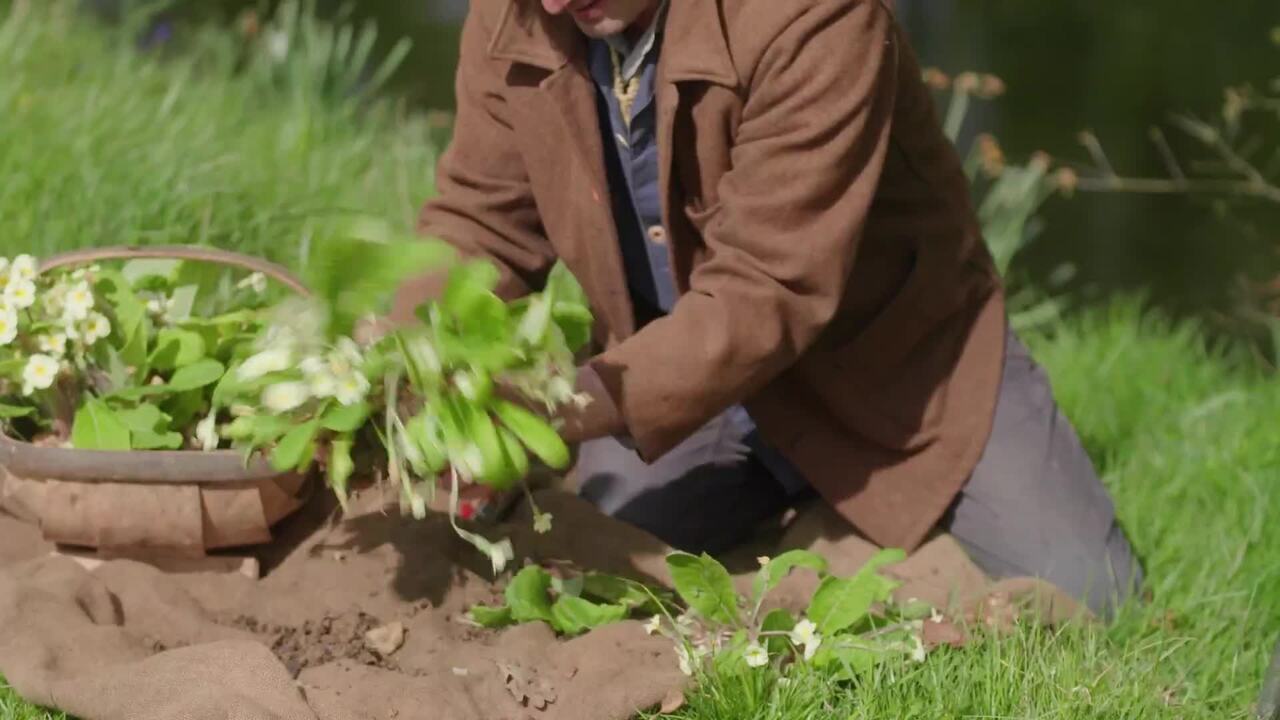
- Break up into palm-sized chunks to go back into a border, or a little smaller to go into a pot, so you don't need a big pot with lots of compost.
- You can break it down much smaller - so long as each piece has roots and a growing point, it will grow happily and bulk up into flowering size plants quite quickly.
- Snip the roots a bit to trim them (especially for potting up)
- This feels cruel but encourages the growth of new fibrous roots that absorb water and nutrients rather than thick anchoring roots.
- Once you've done the whole batch, put them into a tray and cover this with a piece of hessian.
- Don't delay, as the roots are drying out all the time.
- Keep them out of the sun and the breeze.
- If you're not able to pot them up on the same day, wet the hessian to keep the roots moist.
- Write a label to keep track of what the plant is, along with the date.
- Put each plant type in a different tray and put the label in the tray.
Labels
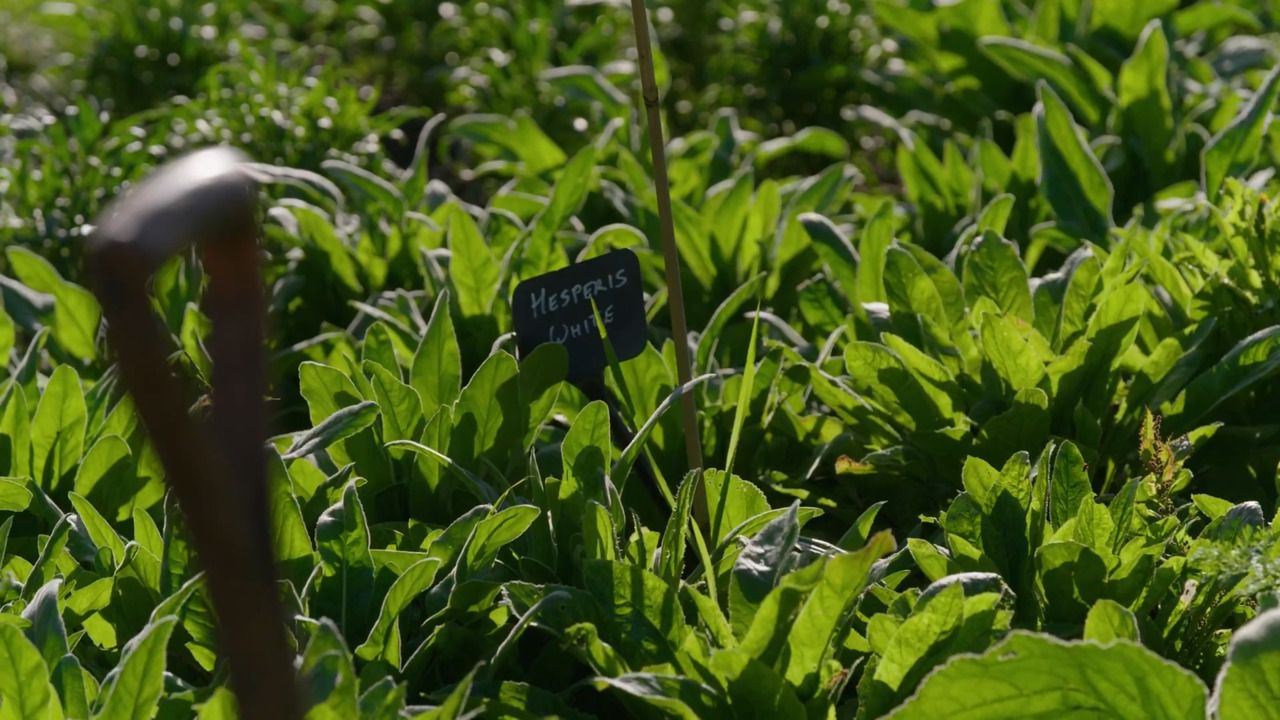
- I recommend wood, metal or slate labels. Plastic labels weaken and break, whereas I've been reusing the same metal labels for 25 years.
- Simply write on the metal label in pen or pencil, and then clean them off with the cork from a wine bottle. The writing stays fast until then.
- We use metal label holders, which hold up the label high in the border and again can be reused.
Assignment
Go out into your garden with a notebook. Find a border, pot display or whatever type of planting you have in your space.
- The things you feel are working well to create the look that you want.
- Maybe it's colours, certain plants, combinations, or an overall atmosphere.
- The things that aren't working so well or that might need attention. If you aren't sure where to start, ask yourself these questions:
- does the planting look too crowded, or too sparse?
- is one plant outcompeting the others?
- do some plants need dividing, rejuvenating or re-spacing?
- is there anything that's not thriving in its conditions?
- are there enough structural elements, and interest through the seasons?
Try to repeat this in each season if you can, and come back to these notes in autumn or spring, when it's time to edit your borders or plantings to divide, move or put in plants.