The Art of Gardening at Sissinghurst

Planting bulbs in the Orchard - part 2

with TROY SCOTT SMITH — Head Gardener at Sissinghurst. Garden Writer, Speaker & Lecturer.

Lesson 4 of 56
Rated 4.7/5 on Trustpilot
|

Learn from the world's best creative minds on Create Academy

Planting bulbs in the Orchard - part 2 - Video thumbnail

Buy or subscribe to watch

Troy explores the practical aspects of how to plant bulbs efficiently, how other spring plants can be added to grass for further interest, and how yellow rattle can be used to help convert grass into meadow.

From the Lesson Workbook

Planting Bulbs in the Orchard - Part 2

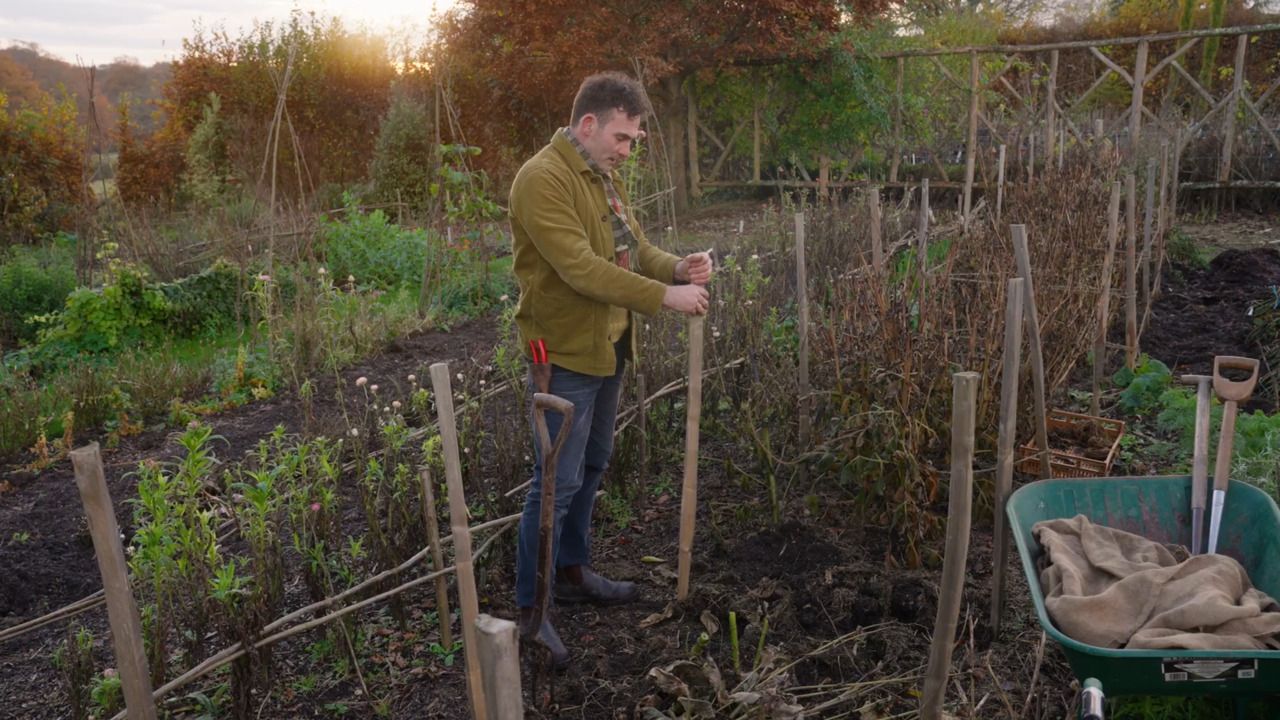
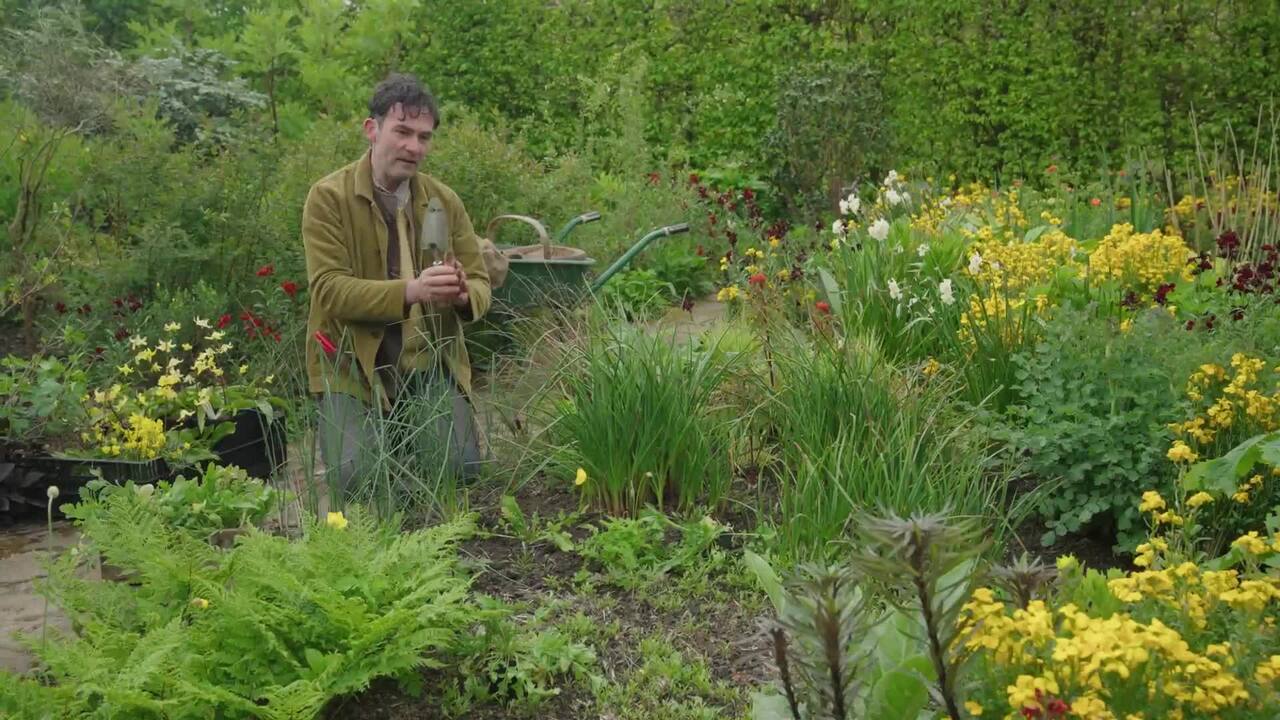
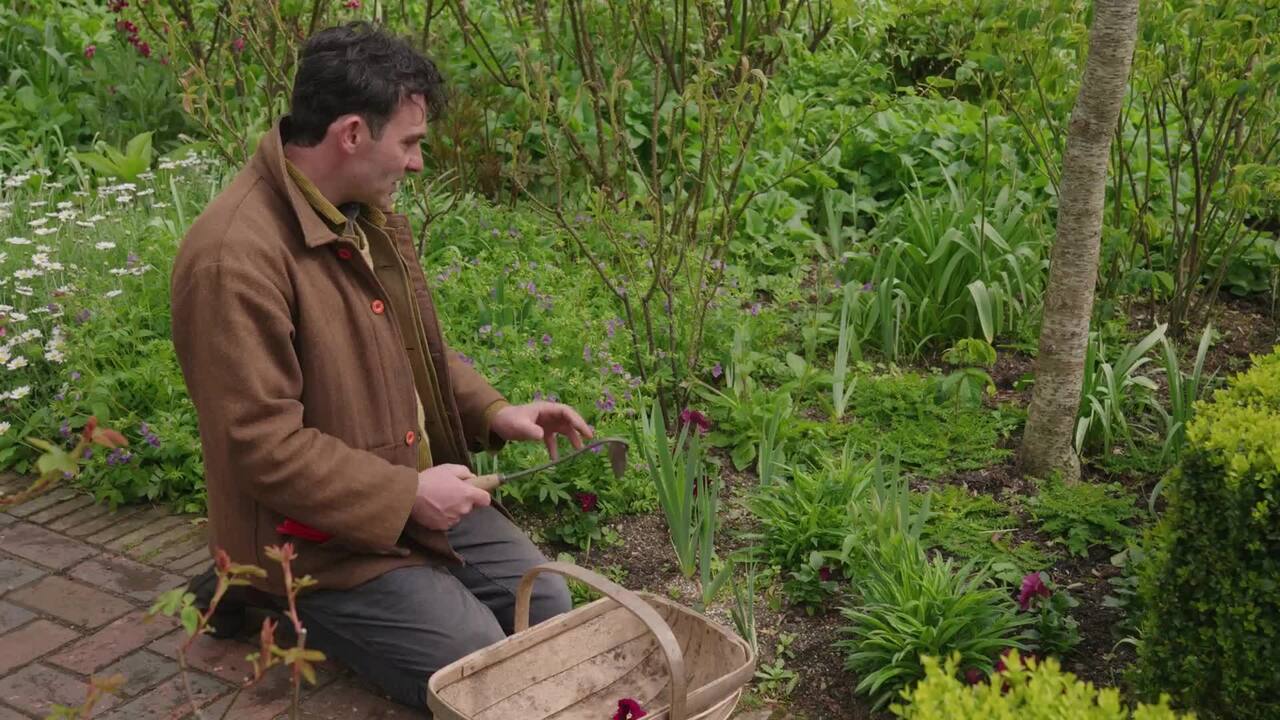
There are various ways to plant, but always try to get a good-quality tool. I find old tools often work better, so look for well-made second-hand tools.

  • I find short-handled bulb planter tools very hard work, with lots of bending down.
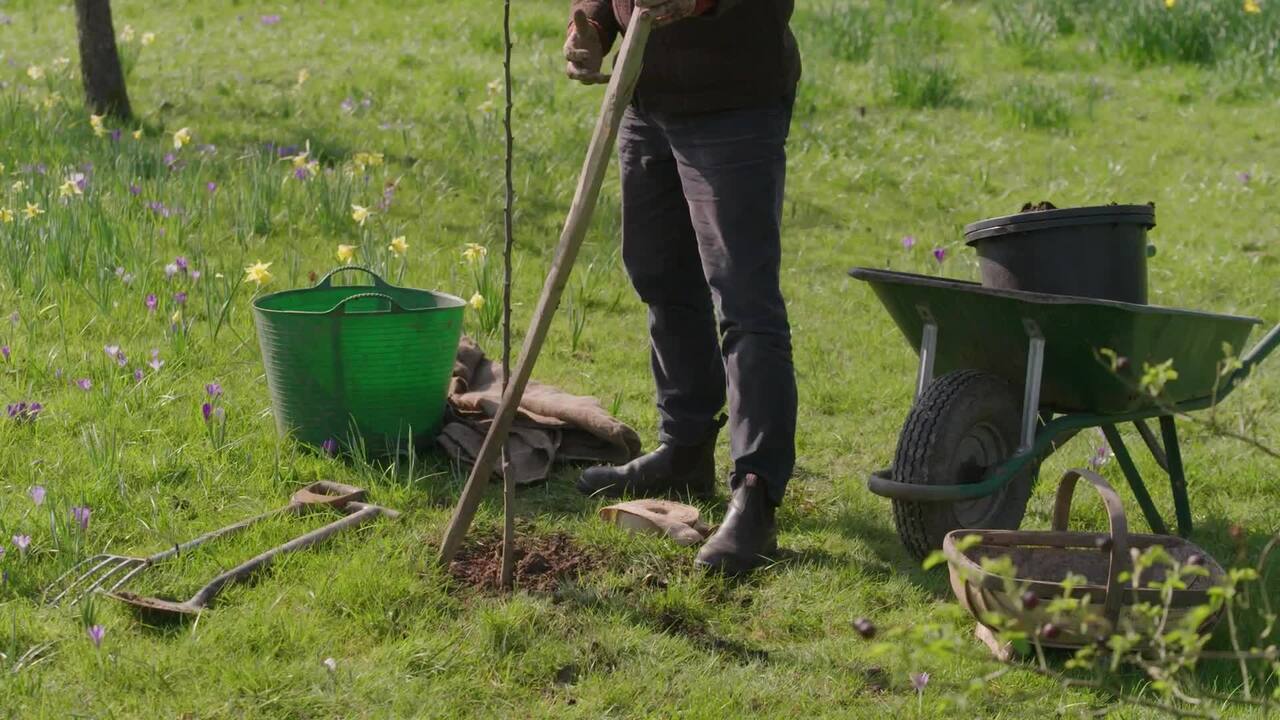
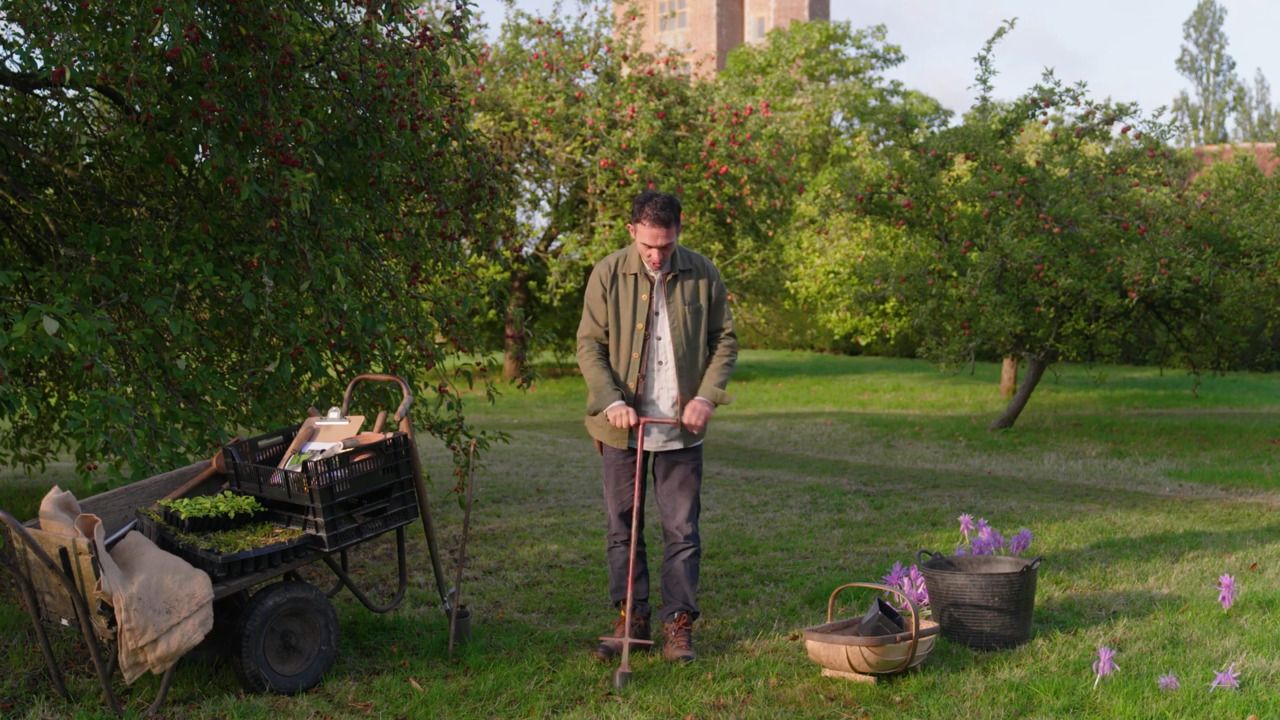
  • I use a long-handled bulb planter that's simple and strong, without teeth (which often bend), and with foot bars that you jump on to make a hole.
  • You can use a trowel, but a good tool will save a lot of work if you're planting a lot of bulbs. Try different things to see what works for you.

Now we'll explore the practical aspects of how to plant bulbs efficiently, how other spring plants can be added to grass for further interest, and how yellow rattle can be used to help convert your grass into a meadow.

How to Use a Long-Handled Bulb Planter

  1. Put it on the ground and jump on it. It may take a bit of effort with hard ground.
  2. Give it a little twist to remove it, which takes out a core of soil.
  3. Leave the core in as making the next hole pops the core out.
  4. Make sure you're taking out a core that's at least twice the depth of the bulb.
  • With my bulbs that are going to be here 30 years or more, I'd ideally go a bit deeper, e.g. planting at two and a half times the bulb's depth.
  • Smaller bulbs are fine to be shallower.

How to Prepare for Planting

  • First, think about the distribution of your bulbs.
  • You can just toss them and plant them where they drop, but that's a bit more unpredictable. I want to be specific about positioning them in areas of high density, moving to low density, while retaining a natural look.
  • I nudge in under tree canopies to avoid circles going around the trees.
  • Don't scatter too many at once because you can lose them, and you don't want them to dry out.
  • You can soak bulbs overnight in a bucket of water before you plant them to give them a good start, especially if the soil is dry.

How to Plant Bulbs Efficiently

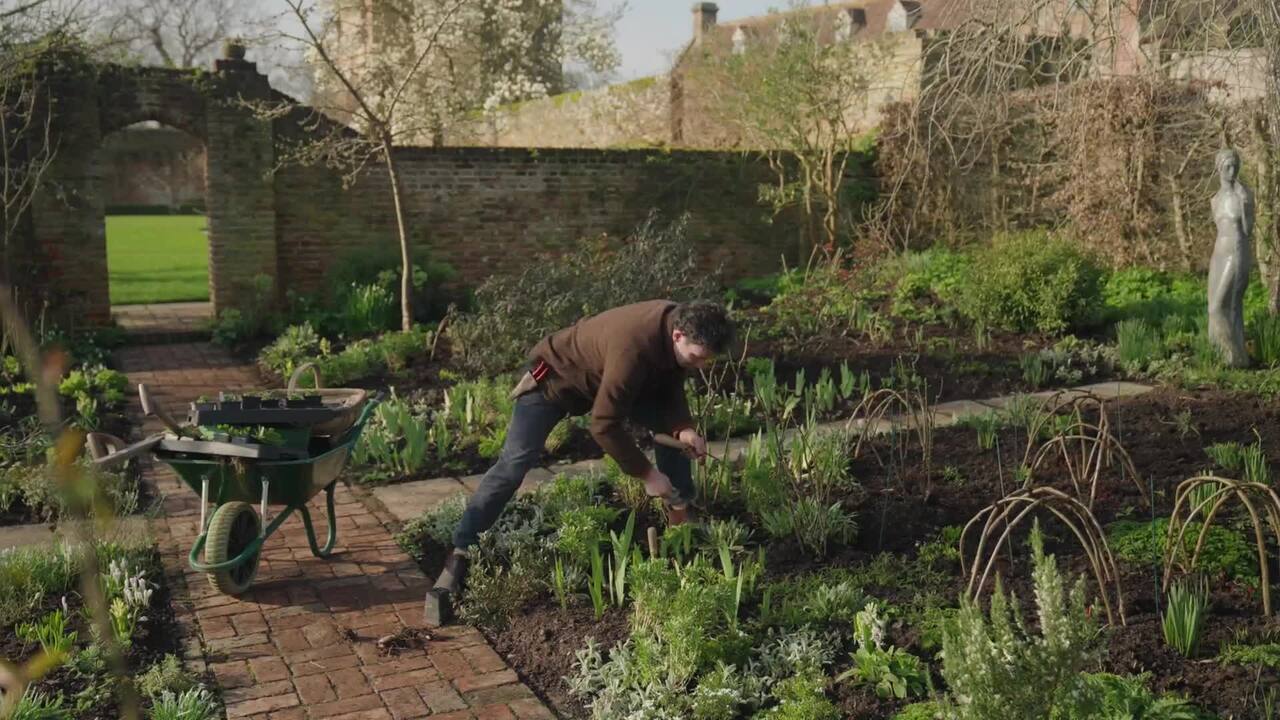
  1. There's no need to move the bulb from where you've placed it to plant it - just make a hole next to it.
  2. Put a little cushion of grit in the bottom, then the bulb
  3. Backfill with a little homemade garden compost
  4. Put the core back in (you'll need to crumble a bit of the bottom of the core to allow for the depth of the bulb and compost) and stamp it down.
  5. If you're putting a smaller bulb like a crocus on top, add this after the backfill of a little compost and before putting the top half of the core back in.

Having two or three people working together can be really helpful for a large number of bulbs - one person makes holes, the second puts the grit and bulb in, and the third does the compost backfill.

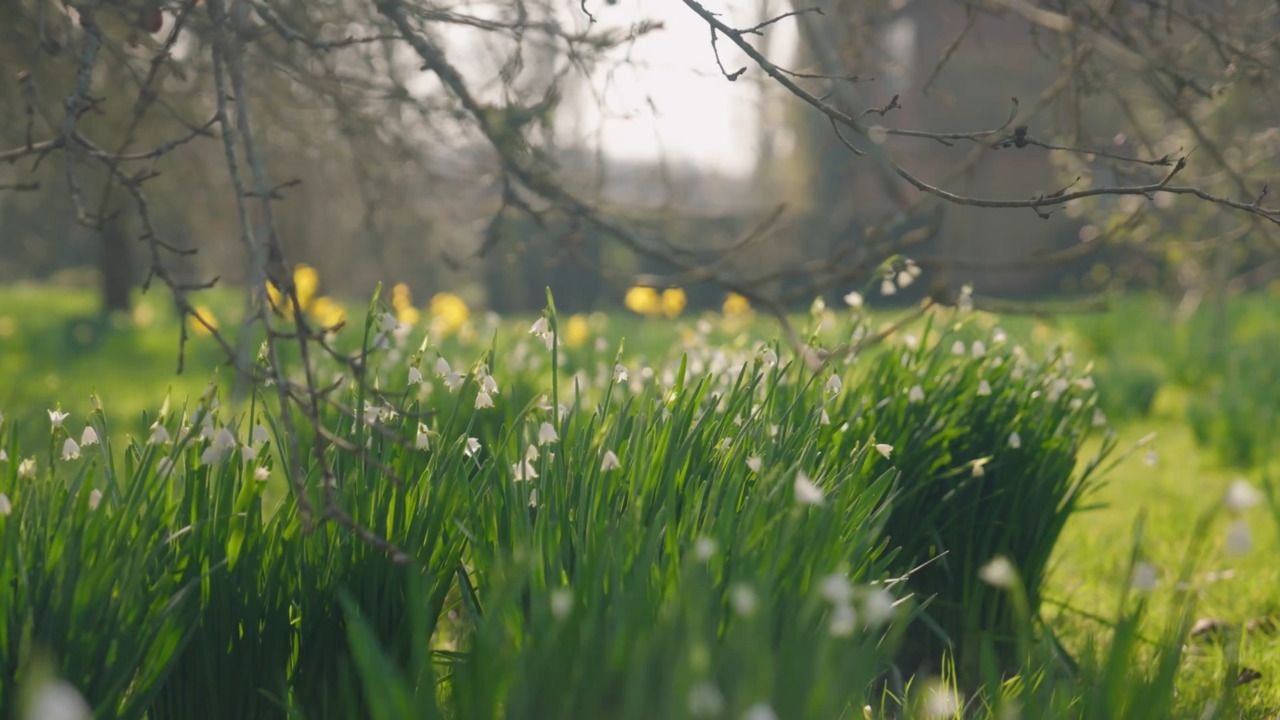
The crocus will flower in February and the daffodil much later, so by planting both in the same hole, you get a carpet of lilac-purple early on and then a carpet of yellow later, but for half the work of planting them separately.

Don't Be Afraid to Break the "Rules"

Gardening is often about experimenting. There are lots of rules, but sometimes you need to do your own thing - that's how you learn.

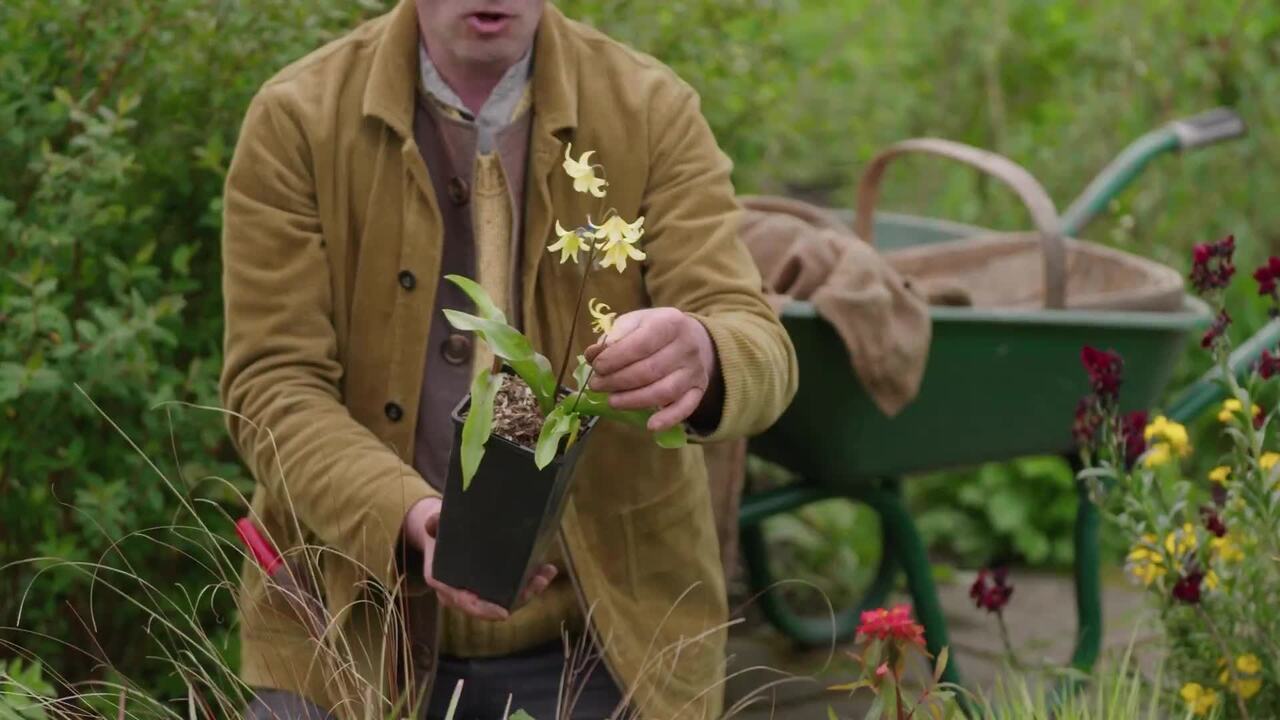
I have a few plants I want to try growing in the Orchard:

  • Cardamine pratensis (cuckoo flower) - a UK native wildflower, flowering late March to early May with beautiful 30cm-high pale pink flowers. Good for shady conditions as it grows along ditches and banks
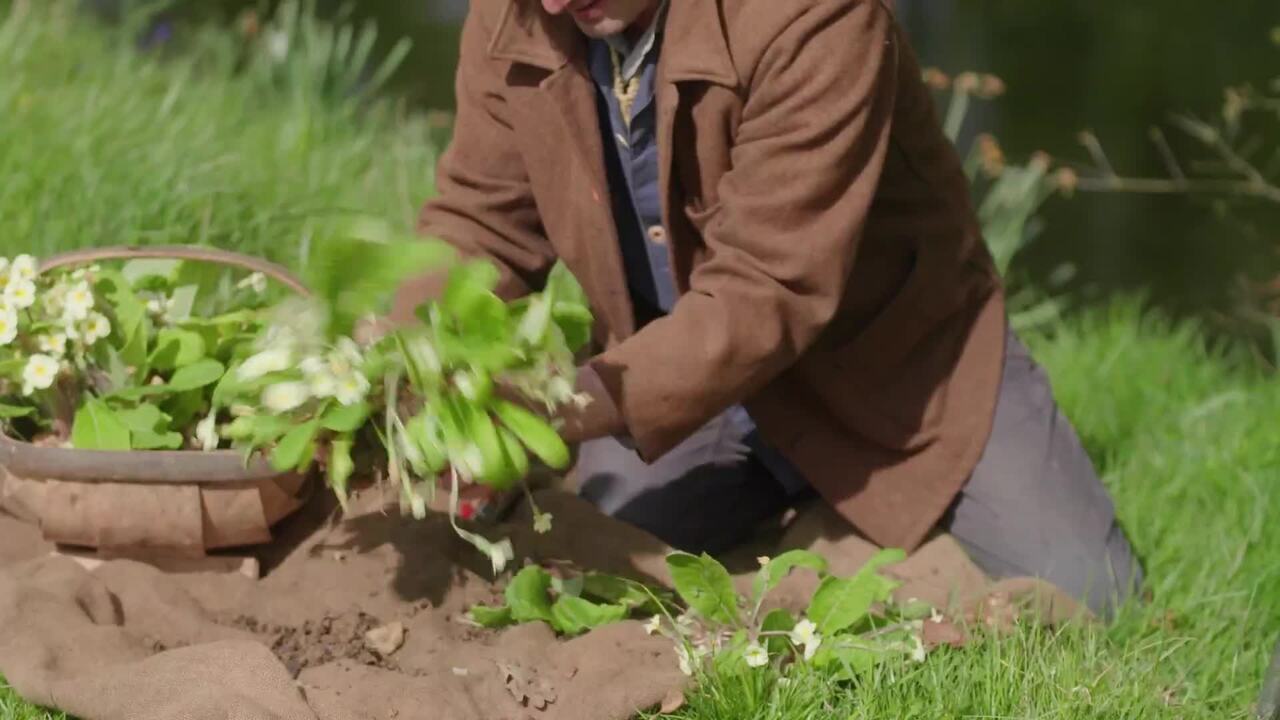
  • Primula vulgaris (primrose) - another UK native that quite likes it sunny as well as coping with shade, so I'm putting it on the sunny side of a tree along with another species of daffodil, Narcissus obvallaris
  • Narcissus obvallaris - a brighter yellow flower than the other species daffodils I'm planting, and likes it a bit drier and sunnier too. It's quite small but packs a punch to cheer up a dull day.

How to Include Other Plants When Planting Bulbs

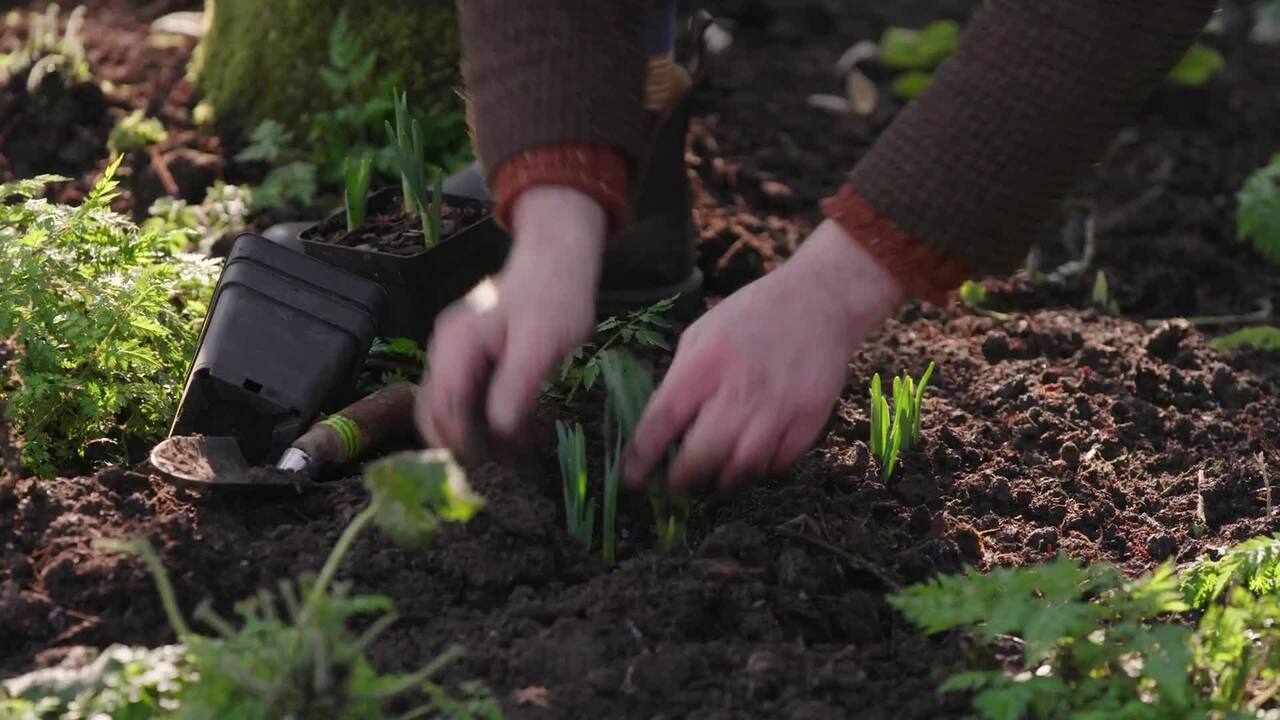
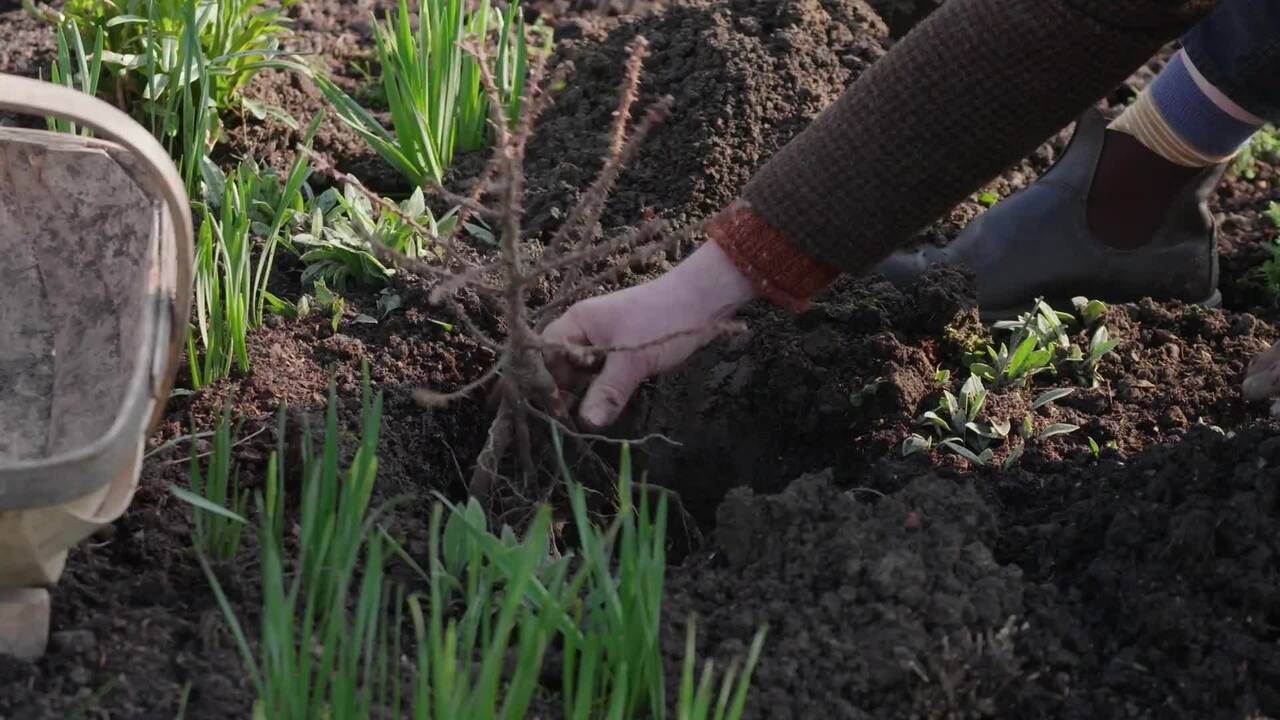
  • I'm planting the Cardamine in the same hole as the bulbs (Narcissus poeticus var. Recurvus then Crocus tommasinianus)
  • I will use the process above, but putting the Cardamine plug in at the top instead of the soil core, and firming some soil from the crumbled core down around it. You can even stand on it to firm it down.
  • By doing this, I've planted three plants in one hole.

Sowing Yellow Rattle to Weaken the Grass

We want to give the bulbs the best chance in this grass and also make the meadow look amazing in summer after the bulbs have finished.

  • We want it to be full of wildflowers instead of lots of grass.
  • The damp, fertile soil means the grass is lush. This is too much competition for wildflowers, so it's important to reduce the vigour of the grass.
  • We do this by using yellow rattle, a semi-parasitic annual plant. This grows to about 30cm tall and produces yellow flowers in late May to June before setting seed. We collect that seed before we cut the grass so we can use it in other areas.
  • Yellow rattle parasitises the roots of the grass to weaken it, which opens up the sward and allows space for wildflowers and bulbs to get a foothold.

How to Use Yellow Rattle

The best time to sow yellow rattle is October. The seed needs to be fresh for it to germinate - keeping it from one year to the next doesn't really work.

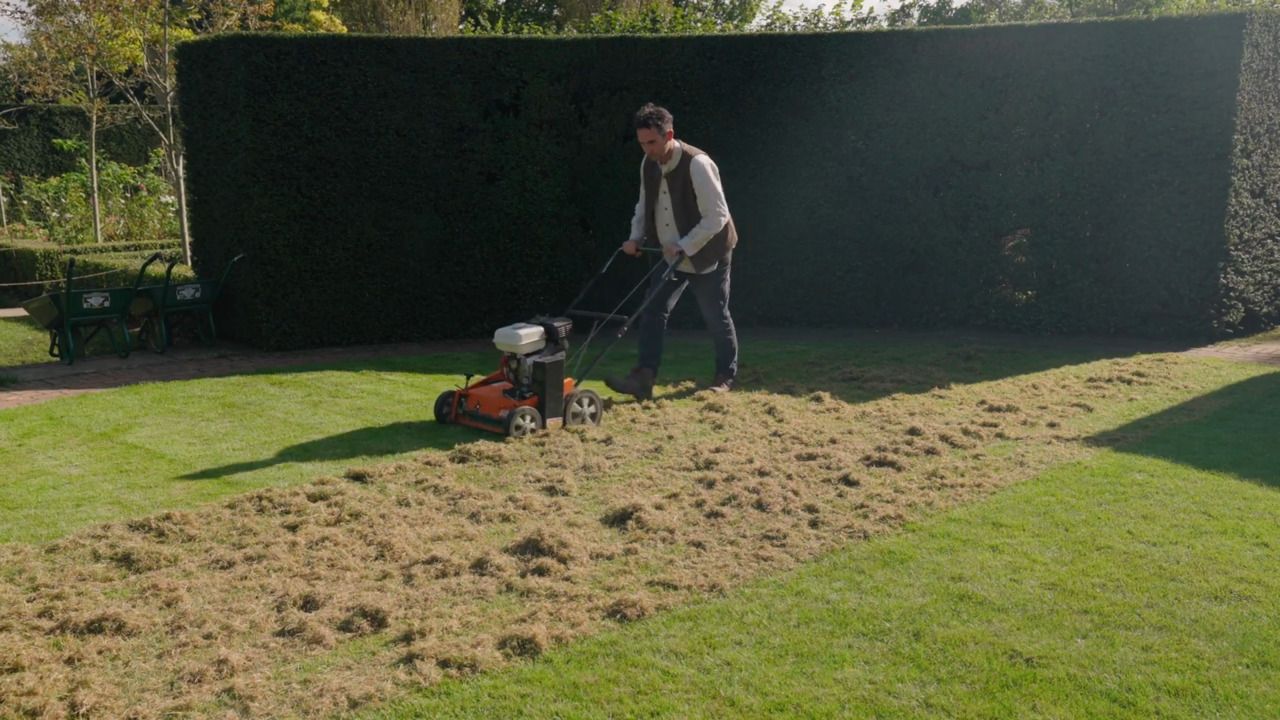
  1. Cut the grass short and then scratch it up so it's 50% grass cover and 50% bare soil.
  2. Sow the yellow rattle into that.
  3. Walk over it if it's a small area, or drive over it on a ride-on mower or similar if it's a larger area, to press the seeds into the soil.
  4. Yellow rattle needs about 6 weeks of cold temperatures to stimulate germination, so be patient.
  5. In spring, around late February, trim your grass short again, as the yellow rattle won't grow if it's shaded out by grass that's taller than around 2.5cm.
  6. You can let it self-seed or harvest the seed and sow it where you want it, e.g. where grass is more vigorous.
  • We sow seed under the apple trees where windfalls that are left for wildlife make the soil more fertile (though sometimes we leave areas more fertile to encourage plants like cow parsley).

The Joy of Planting Bulbs

Of all the autumn jobs, planting bulbs is the job I'm always most excited about. You put effort in in autumn, knowing that next spring there'll be great reward. Go out and do it yourself.

Growing bulbs in grass is a really easy way to garden.

  • Using bulbs in borders can be hard; we'll talk about it later in the course, but you have to hide the foliage after flowering has finished.
  • When you plant bulbs in meadow grass, the grass grows up around the foliage and hides it. You get instant colour and there's zero gardening to do afterwards - not even deadheading.

The Orchard is one of my favourite parts of the garden. I love the idea of a few fruit trees, perhaps a wild rose growing up a fruit tree, with the bulbs in spring and the wildflowers in summer - it's magical.

  • At Sissinghurst we focus on gardening with nature in mind. I'm a huge advocate of gardening with a light touch, so the Orchard really tunes into my way of gardening.
  • If you have a space you can pull back on, instead of creating another border, planting scheme or hard landscaping area, just let it be very natural.

Here in a garden known for high horticulture, we focus on gardening in a much softer, relaxed, pared-back way, so we can share the garden not only with our visitors and plants, but with all the wildlife that lives here and share it with us.

Get the full workbook, video lessons, and more with a Create Academy subscription.

Subscribe to access the full workbook
Access all courses
$30 /month

Access 56+ courses, billed annually

Subscribe Now
Buy this course
$267 one-time

Lifetime access to this course

Buy Course

Already a member? Sign in to watch

Rated 4.7/5 on Trustpilot

437 reviews

Read more

Very good tutorial from a professional garden...

I have subscribed to access all the courses so have watched one on interior design and this one with Butter Wakefield who specialises in small garden design. She ...

Louise Brown

Apr 10, 2026

Time spent well

I love CreateAcademy. I came in for the gardening and floristry courses, but am also watching an interior design one at present. And the photography course is an ...

Wellesley

Apr 1, 2026

What a great investment

What a great investment, I have learned such a lot from the first three courses. My evenings have gone from not being able to find anything that captured my imagi...

sojojo

Mar 30, 2026

I loved this course with Amanda\u2026

I loved this course with Amanda Lindroth! Her approach to decorating is so relaxed and she makes it feel attainable. She explains the reasons behind her decisions...

Elizabeth

Mar 27, 2026

Troy Scott Smith

Your Instructor

Troy Scott Smith

Head Gardener at Sissinghurst. Garden Writer, Speaker & Lecturer.

Troy Scott-Smith, previously head gardener of Iford Manor and Bodnant garden, now oversees the cherished grounds of Sissinghurst - one of the most famous gardens in England and is designated Grade I on Historic England's register of historic parks and gardens. Coming from a family of committed naturalists, Troy is a seasoned horticulturist, writer, designer and consultant, Troy is also a respected member of the RHS Floral Committee. When he set his sights on the head gardener role, he did so with refreshing candour, speaking passionately of the garden’s need for thoughtful evolution. It is a mark of the National Trust’s forward-thinking spirit that they embraced his vision, inviting him to guide this historic landscape into a compelling new chapter.

Access to all courses

Get access to unlimited learning with a Create Academy subscription