













The Art of Gardening at Sissinghurst

Adding biennials to the Cottage Garden

with TROY SCOTT SMITH — Head Gardener at Sissinghurst. Garden Writer, Speaker & Lecturer.

Lesson 8 of 56
Rated 4.7/5 on Trustpilot
|

Learn from the world's best creative minds on Create Academy

Adding biennials to the Cottage Garden - Video thumbnail

Buy or subscribe to watch

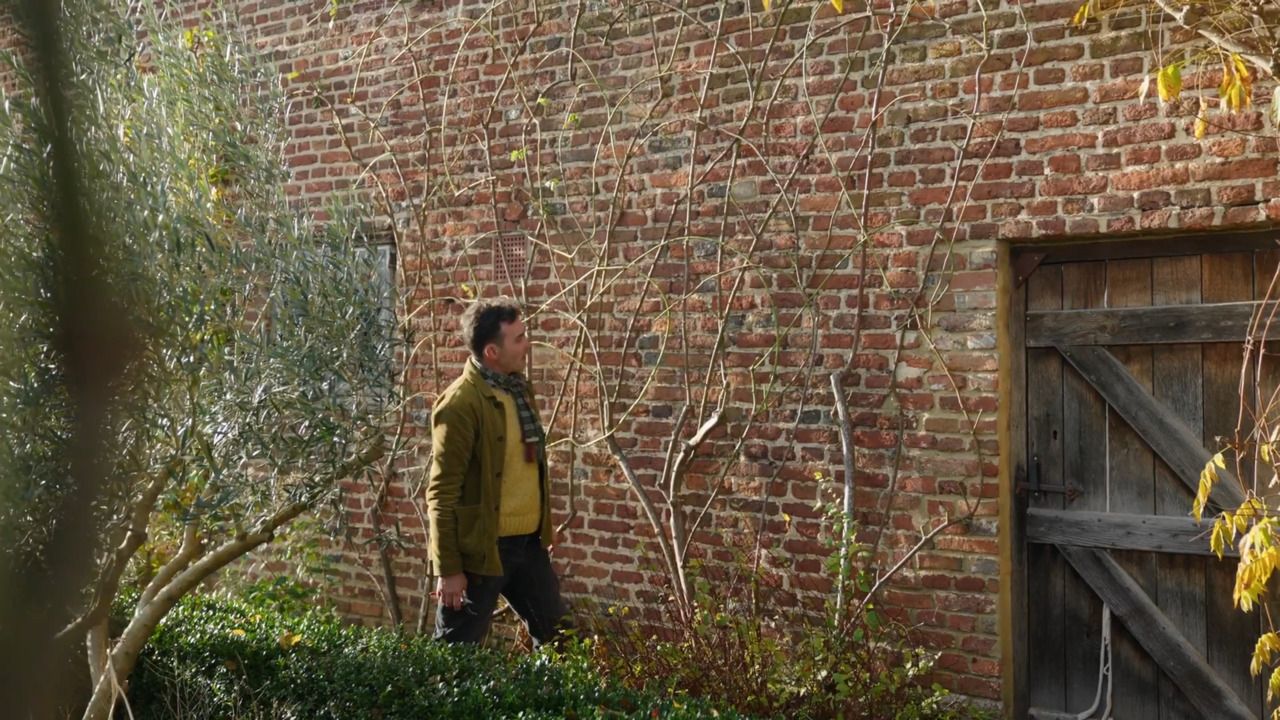
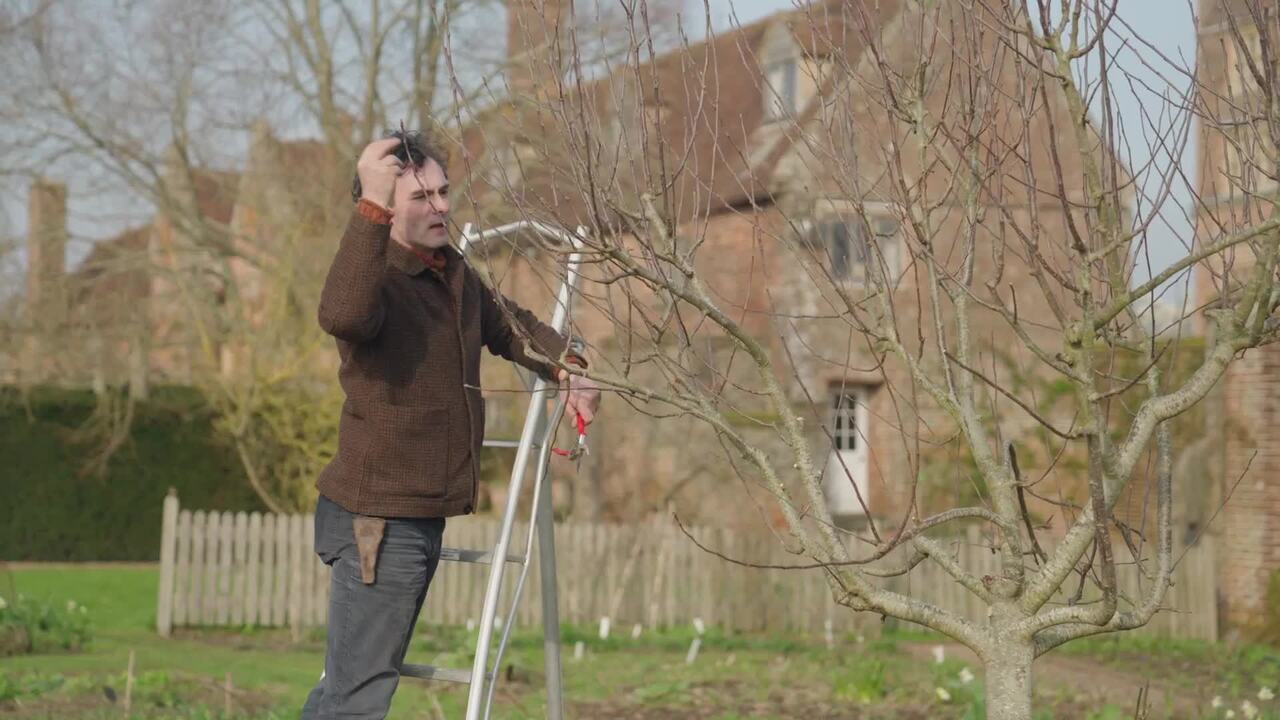
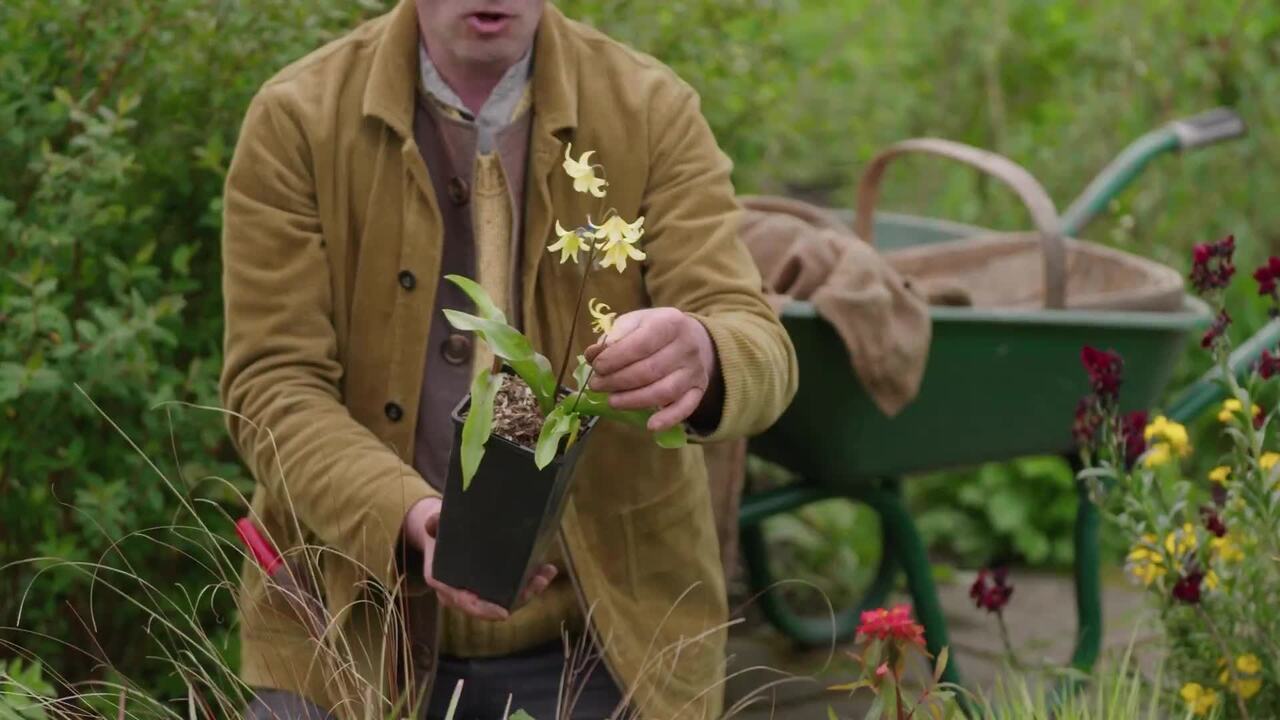
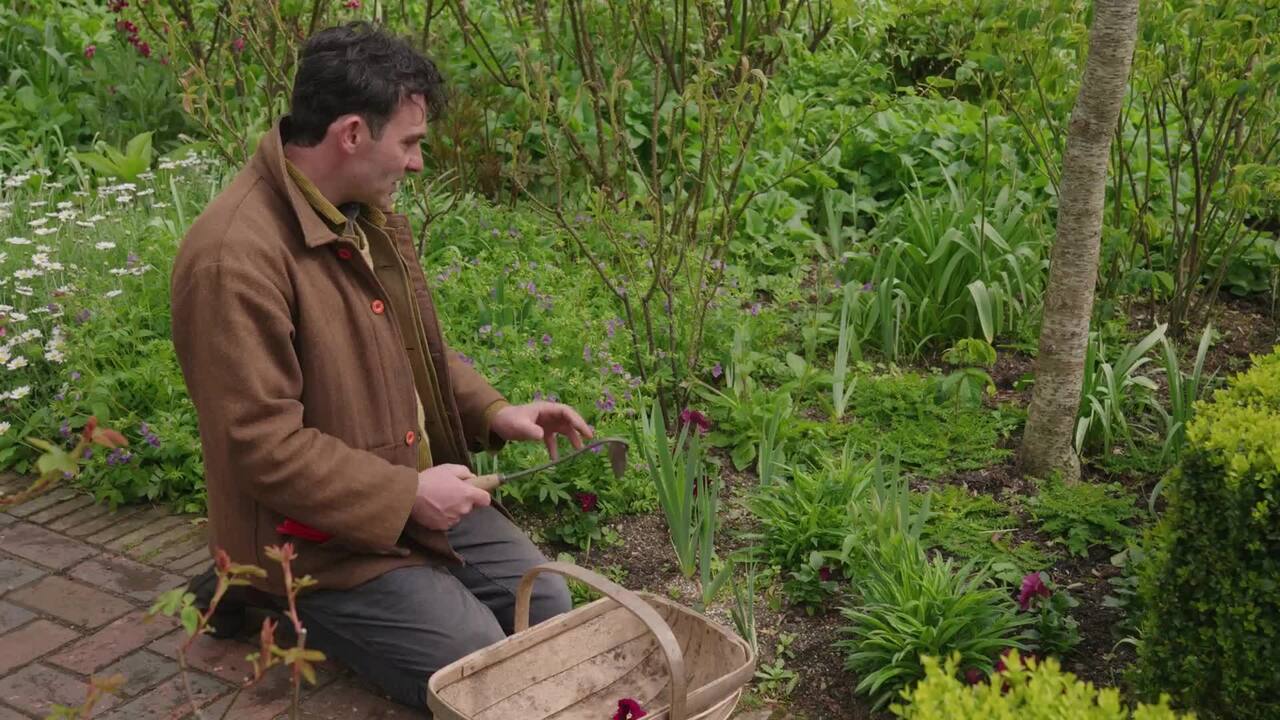
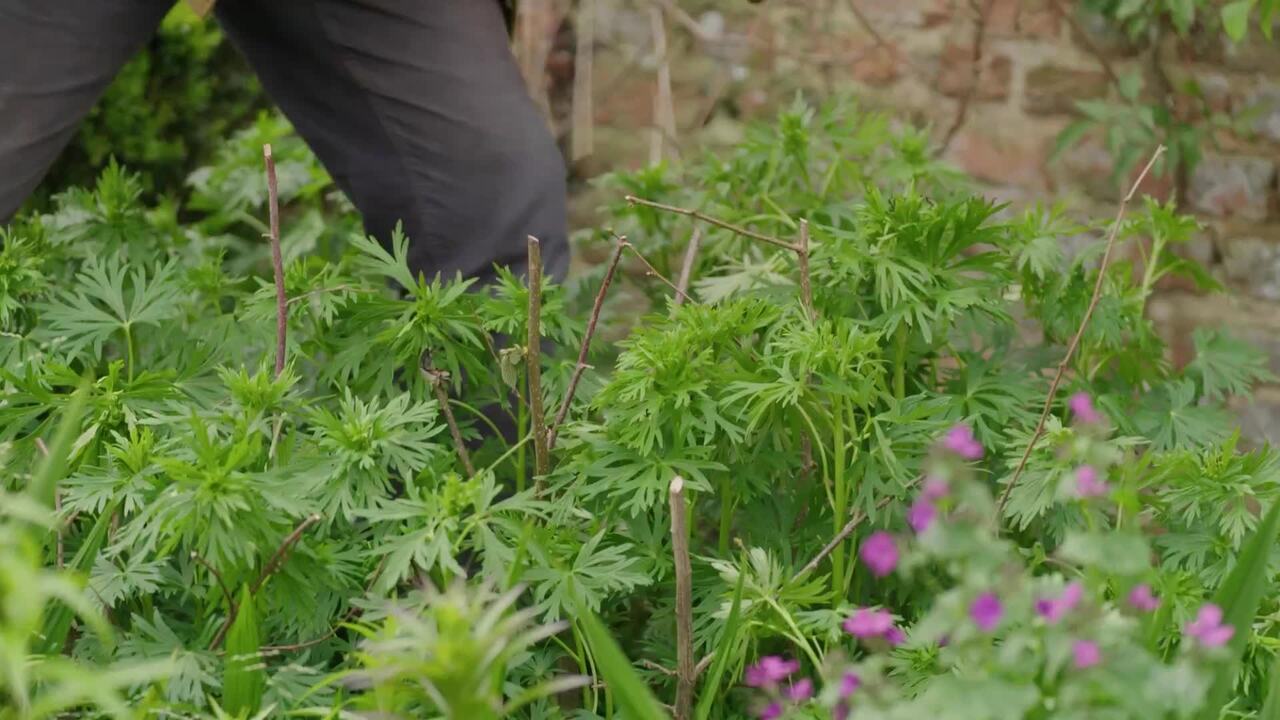
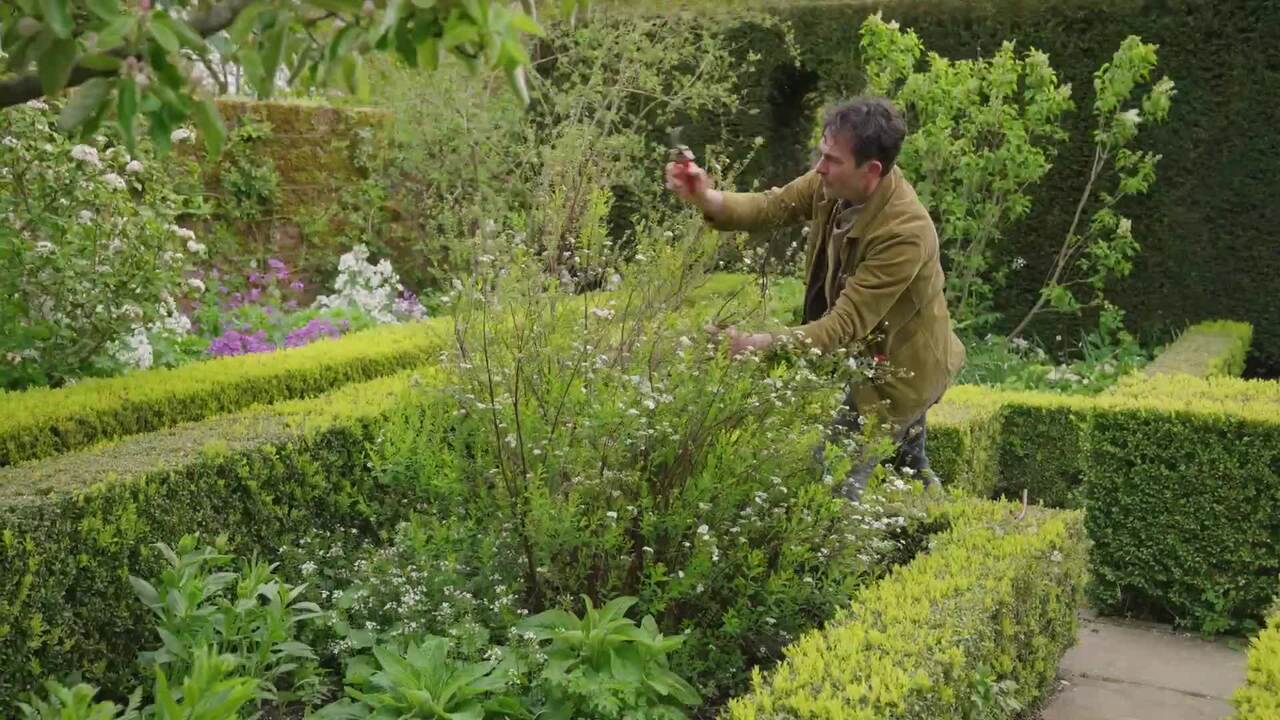
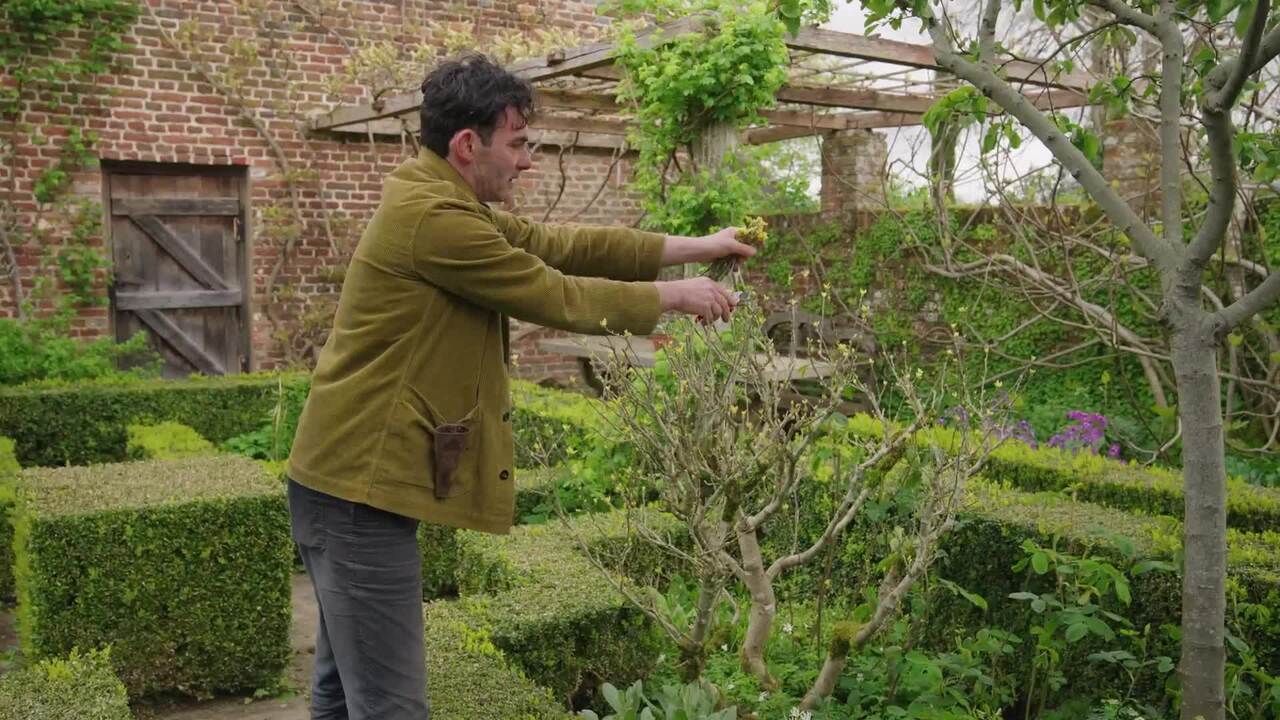
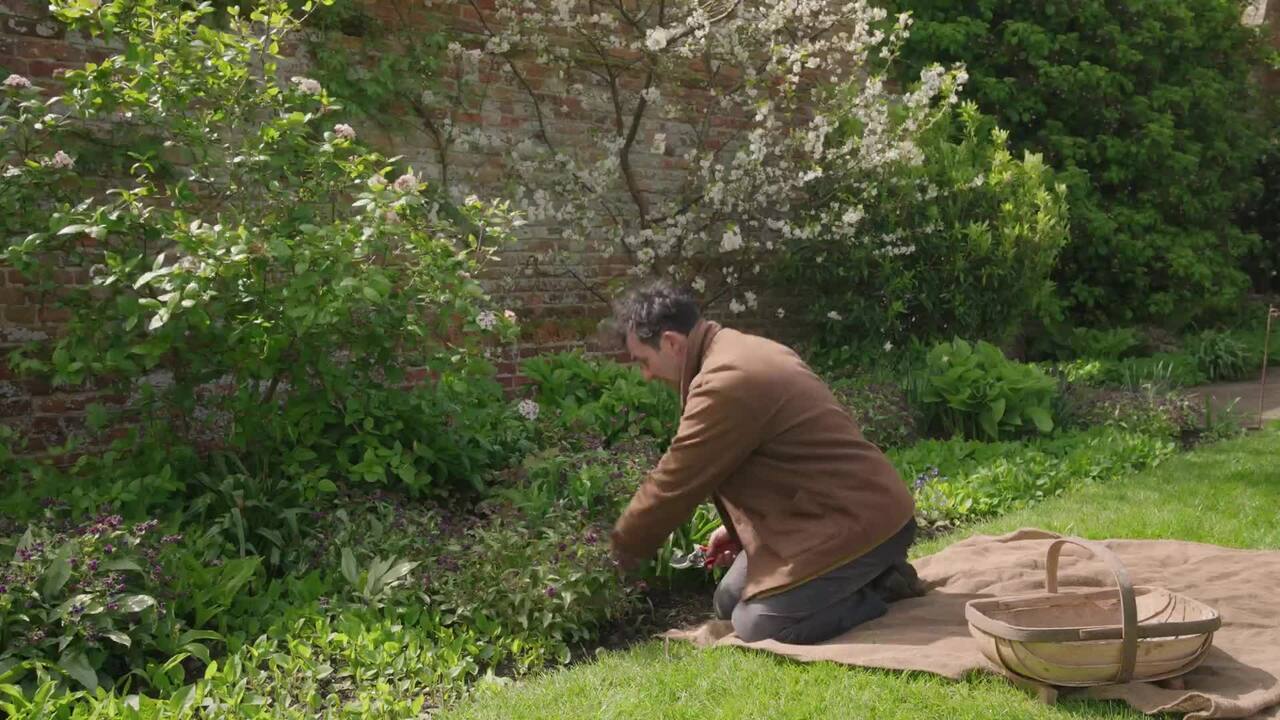
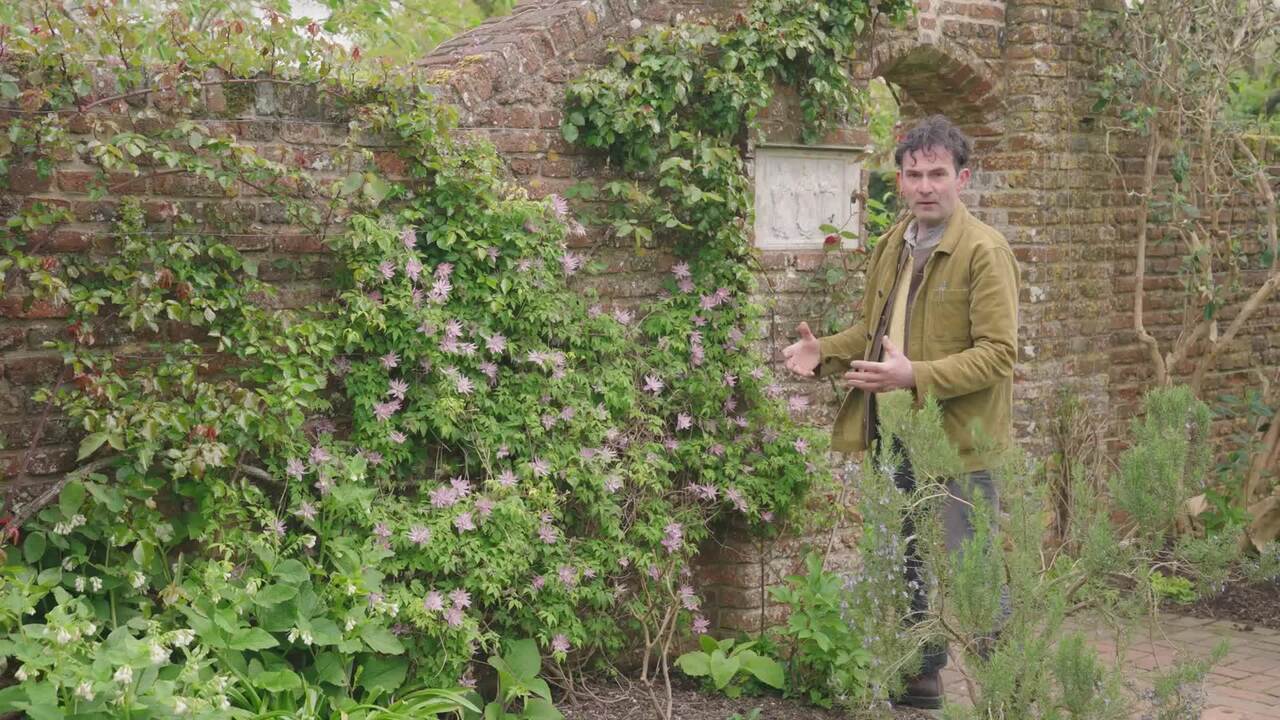
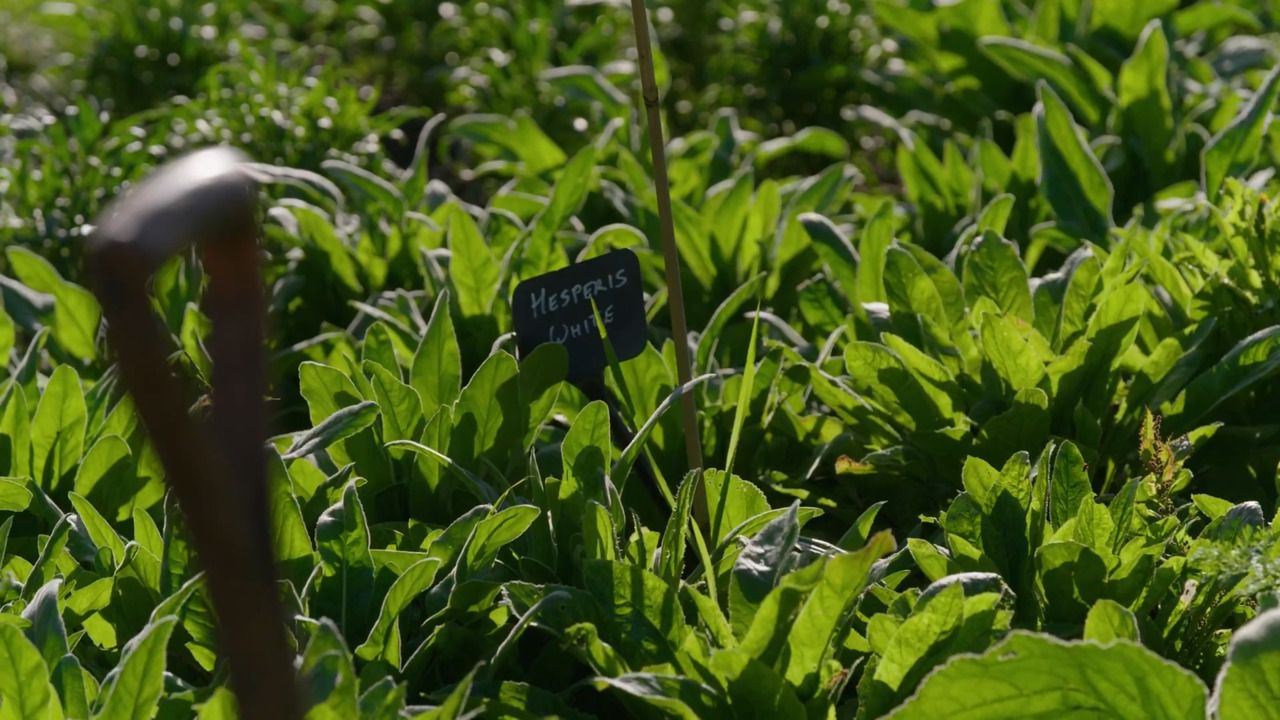
Troy takes us behind the scenes to the biennial nursery bed at Sissinghurst, where around 20 different biennials are raised, and demonstrates how they’re used in the garden.

From the Lesson Workbook

Adding Biennials to the Cottage Garden

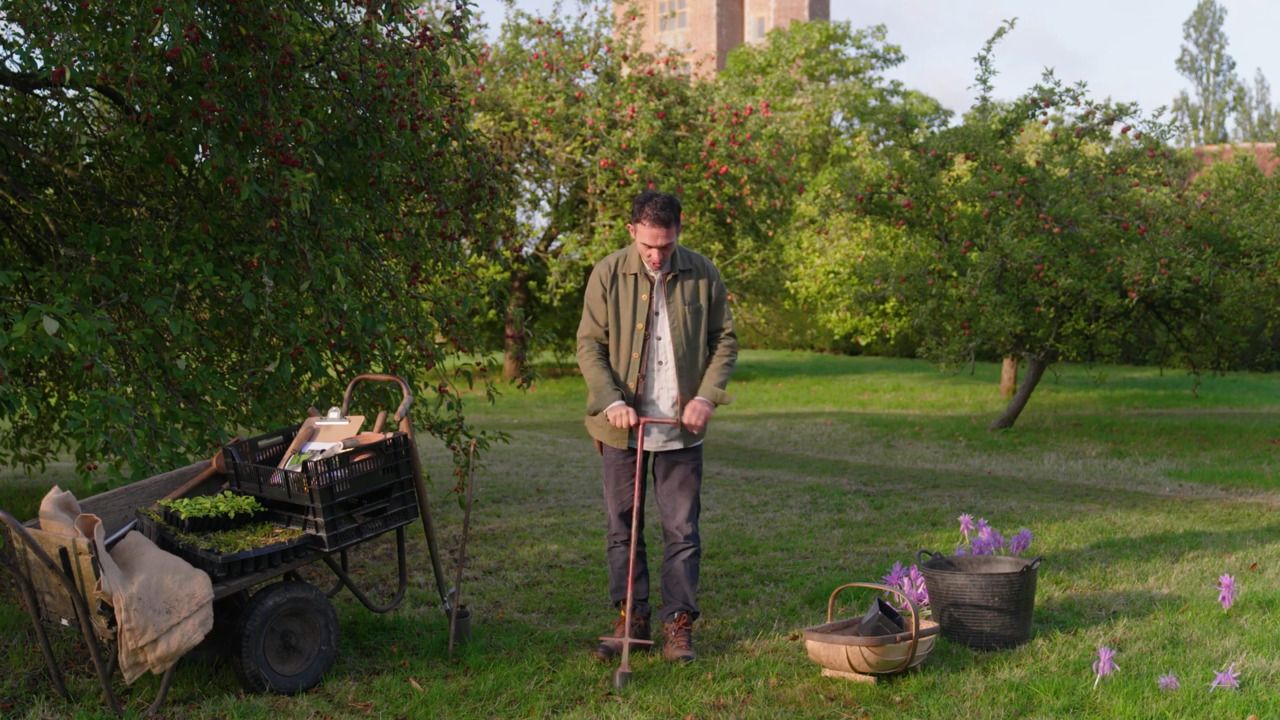
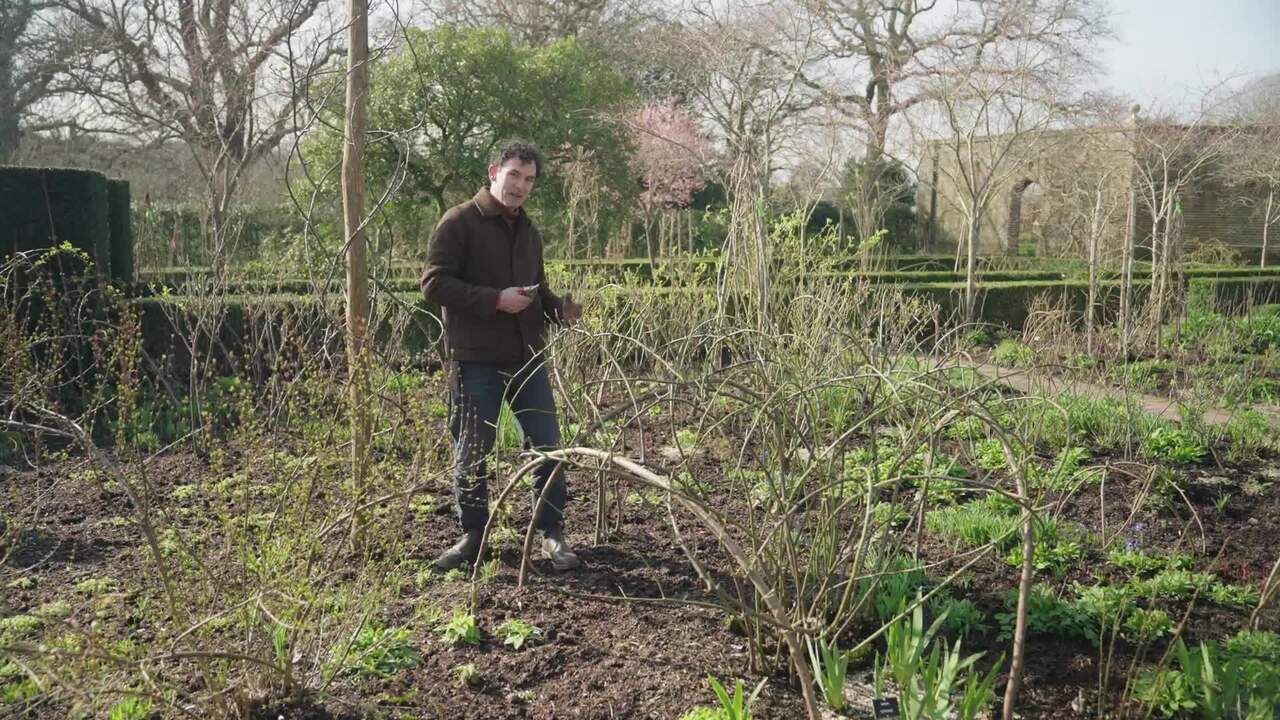
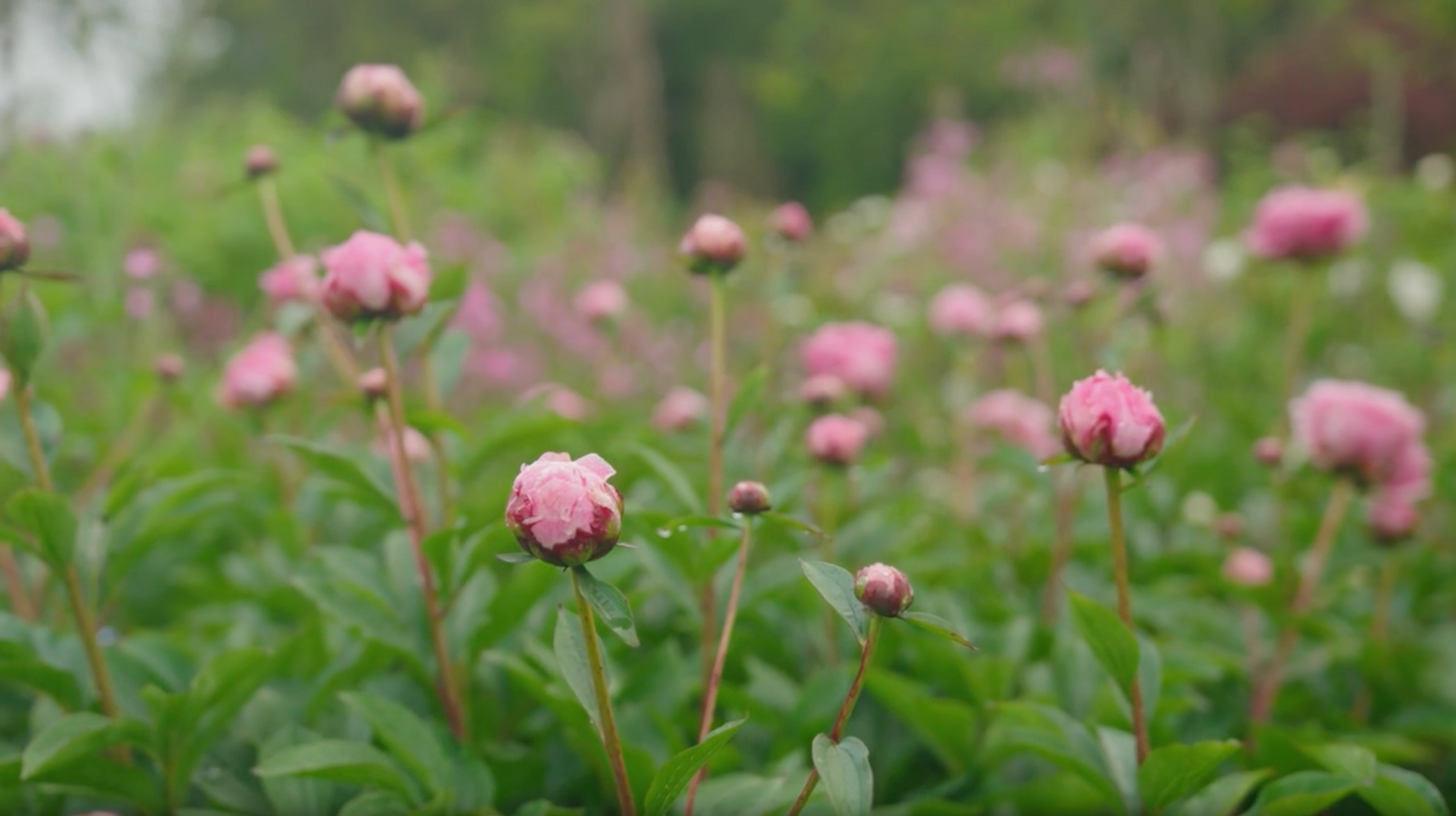
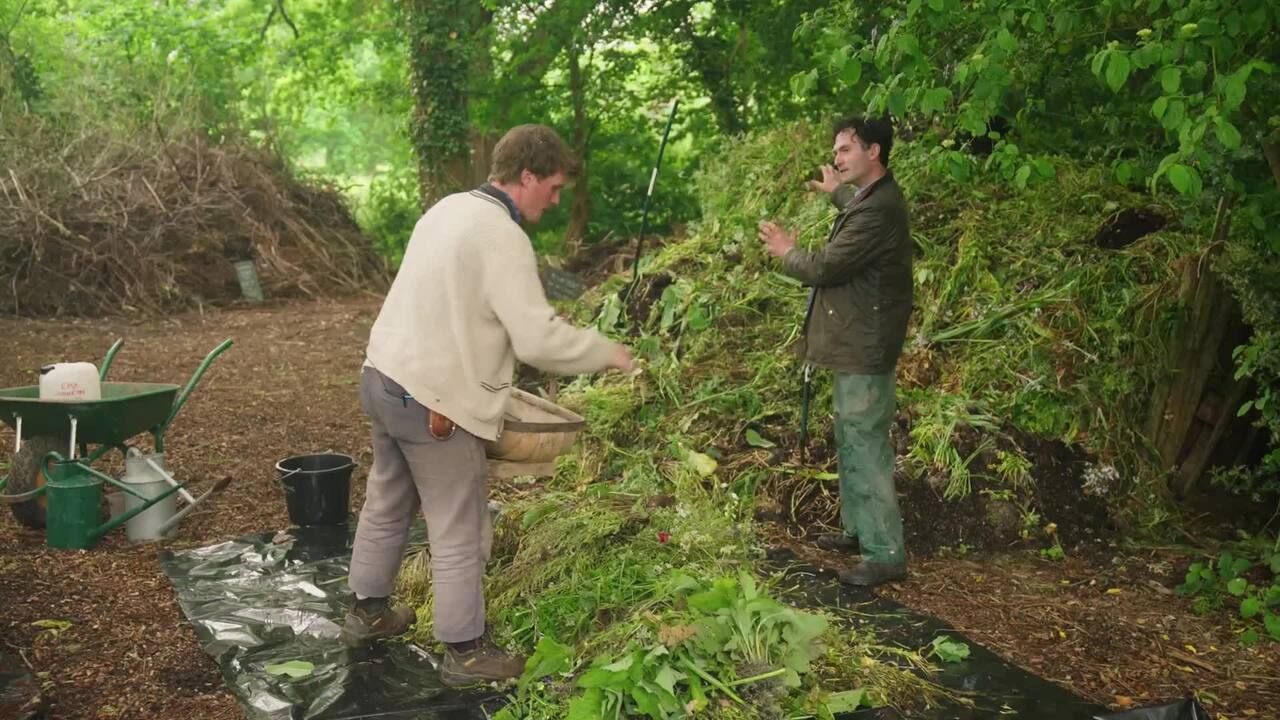
In this stock bed, we grow a range of biennials from everyday ones like foxgloves (Digitalis) to less well-known ones like Smyrnium perfoliatum.

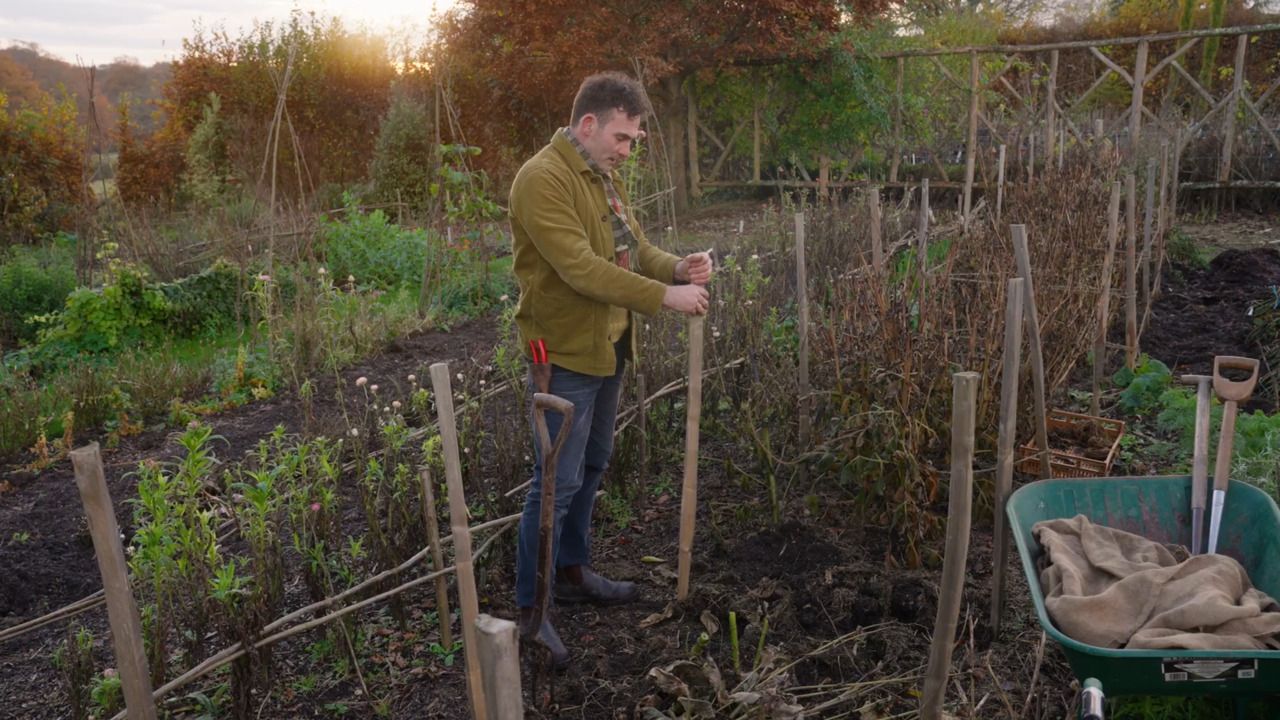
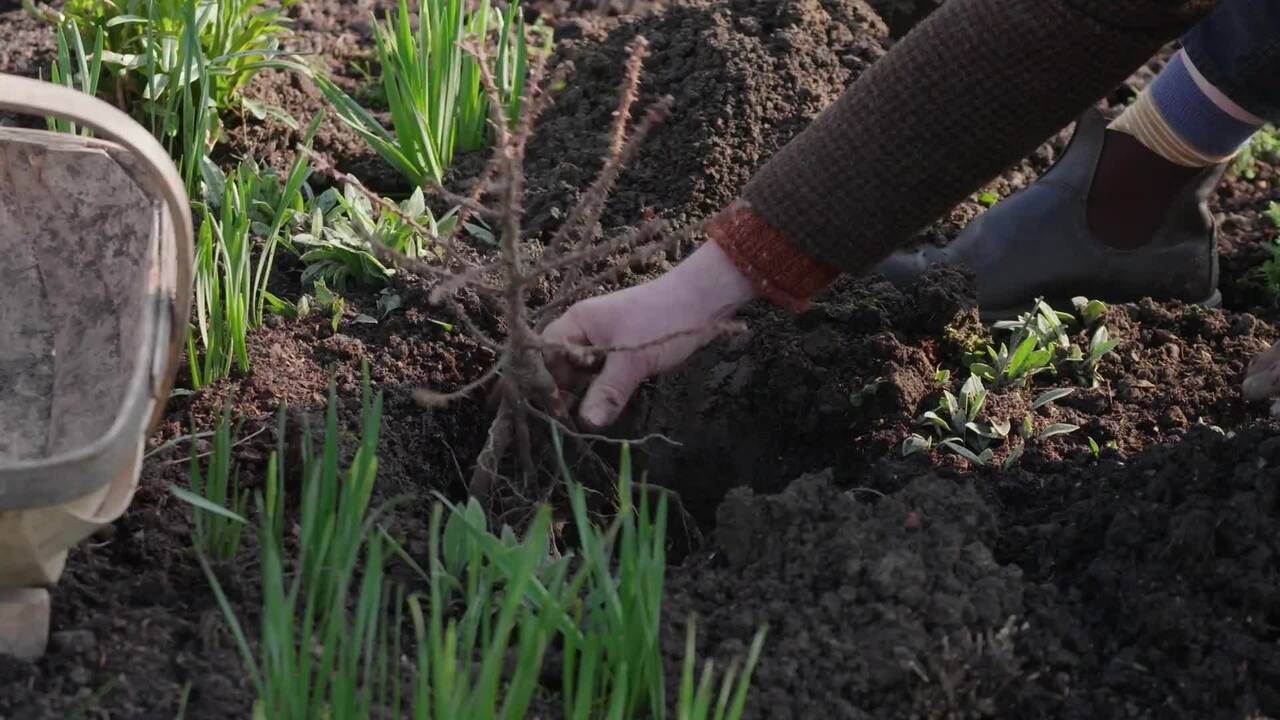
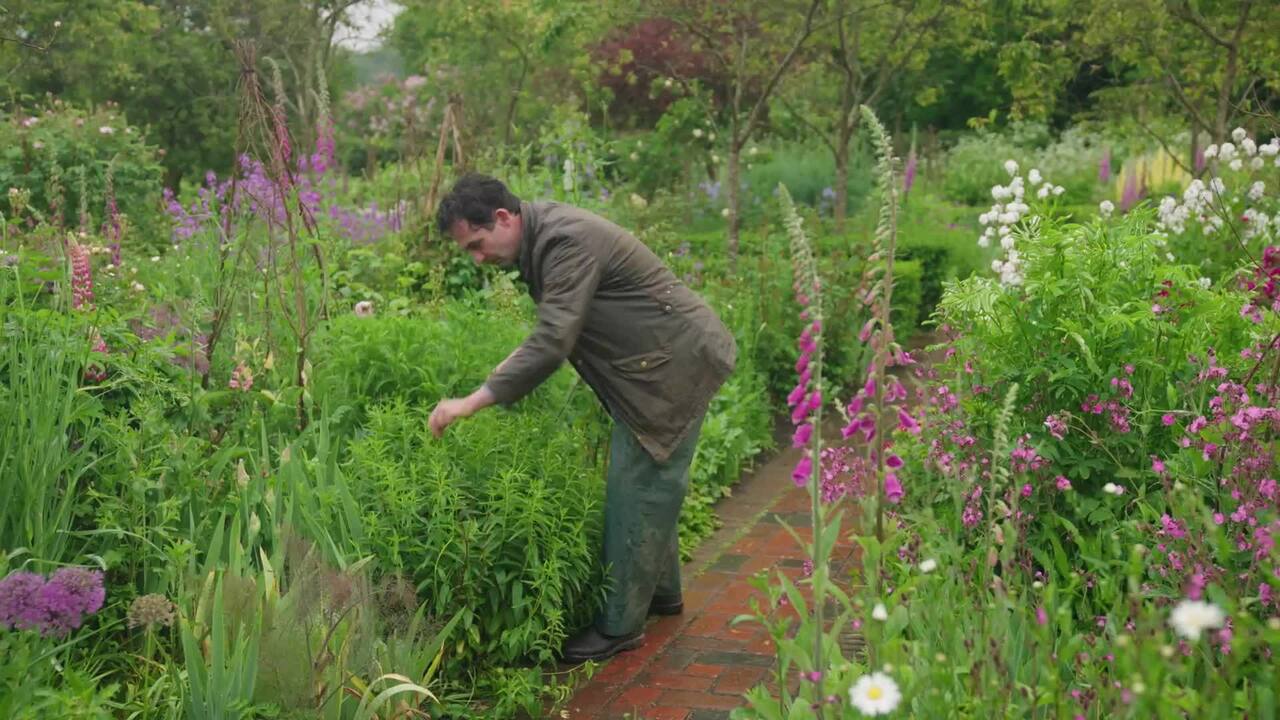
Today I'm lifting mulleins (Verbascum), which are tall yellow-flowered plants.

Biennials involve a bit of work, but that's repaid because they're so versatile and useful.

  • They provide early-season colour and bridge the gap between spring and the height of summer by flowering late in May.
  • The bit of work is that they need sowing a year ahead.
  • Though biennial means a two-year process, it's actually less than a year between sowing and flowering, but it spans two calendar years.

In this lesson, I'll take you behind the scenes to our biennial bed, where we grow about 20 different old-fashioned biennials, and show you how we use these in the garden.

How We Grow Our Biennials

  1. We sow all these biennials in the glasshouse over 3-4 weeks from mid-June onwards, starting with the ones that flower first, like wallflowers, and ending with those that flower last, e.g. Verbascum and sweet Williams, which we sow in the second week of July.
  2. When the seedlings are large enough, we transplant them into plugs to grow on.
  3. In the second week of August, we plant them out into nursery rows in this stock bed.
  4. Then we just leave them to grow. Moisture and heat this year have given big plants
  5. In October, we lift them and plant them in their final flowering positions.
  • Biennials need a period of winter cold (vernalisation) to initiate flowering.

Ideal Conditions for Lifting and Moving Biennials

If it's windy or sunny, the plants will dry out more quickly when lifted.

  • Ideally, wait until an overcast day with moisture in the air, as biennials don't have much root for the amount of top growth.

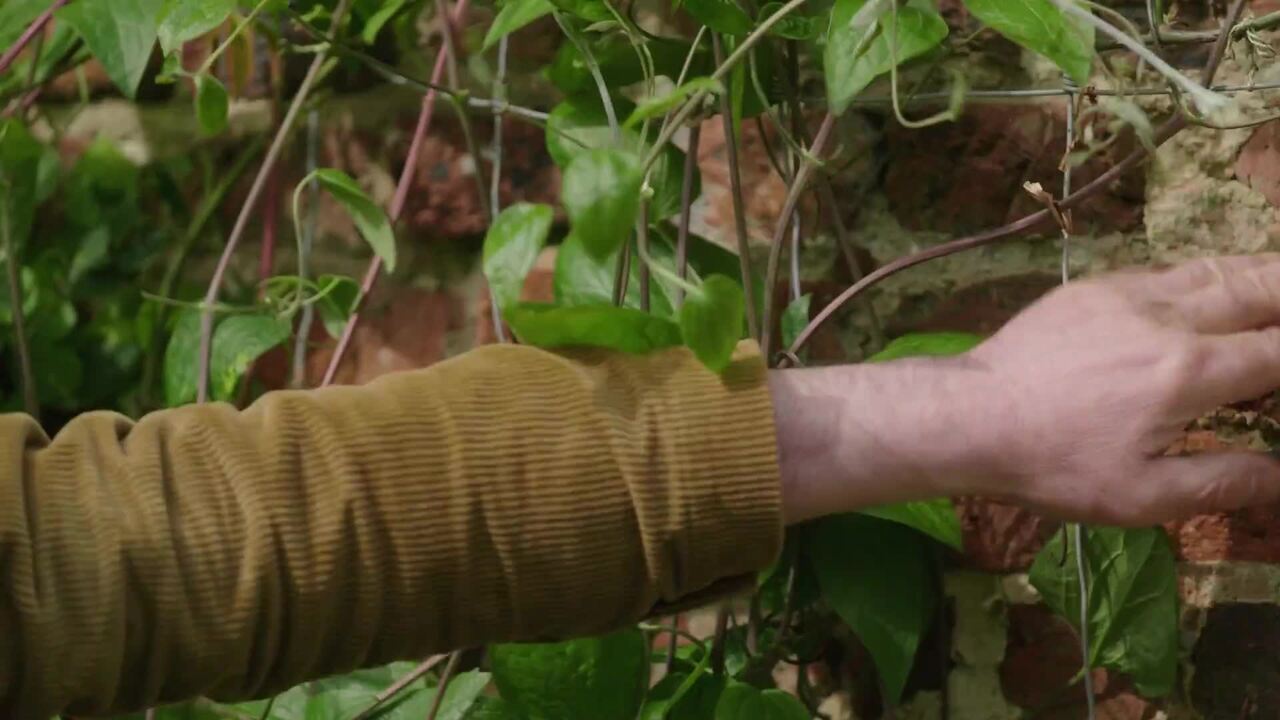
How to Lift Biennials

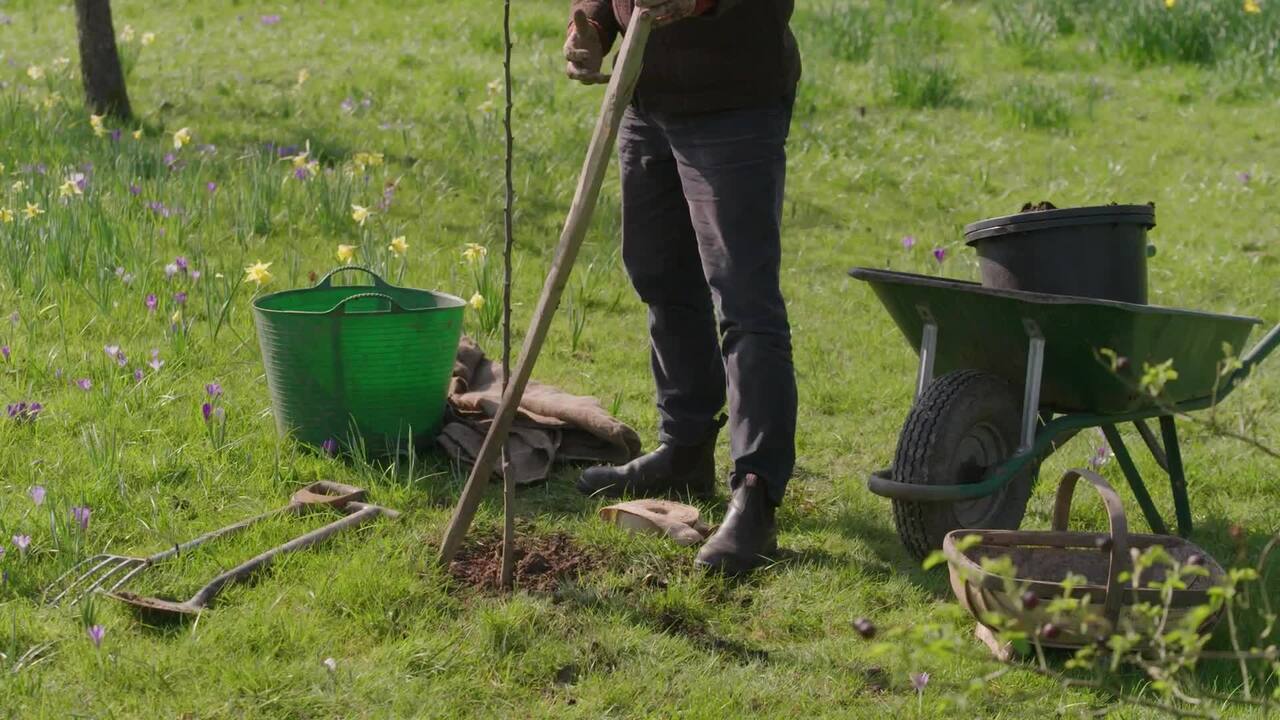
  • For lifting large rootballs intact, I use a large fork instead of a border fork.
  • Keep as much soil attached to the rootball as possible.
  • Pull off any weeds to avoid moving those into the borders.
  • The plants will start to dry out even in half an hour before planting, so just lift 2-3 at a time, plant those and come back for more later.

October in the Cottage Garden

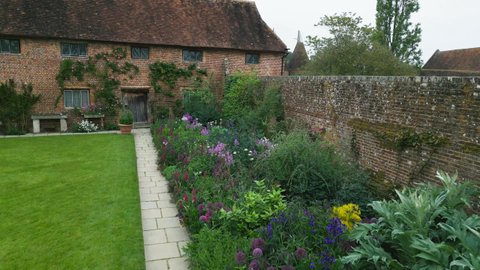
The Cottage Garden is wonderful for intensity and saturation of colour.

  • It has links to the rest of the garden but also feels quite secluded, as the intense colours are distinct from the pastels and the white dominating other parts of the garden.
  • Vita said it's a muddle of colours, but all the colours you'd find in a sunset

Using Biennials in the Cottage Garden

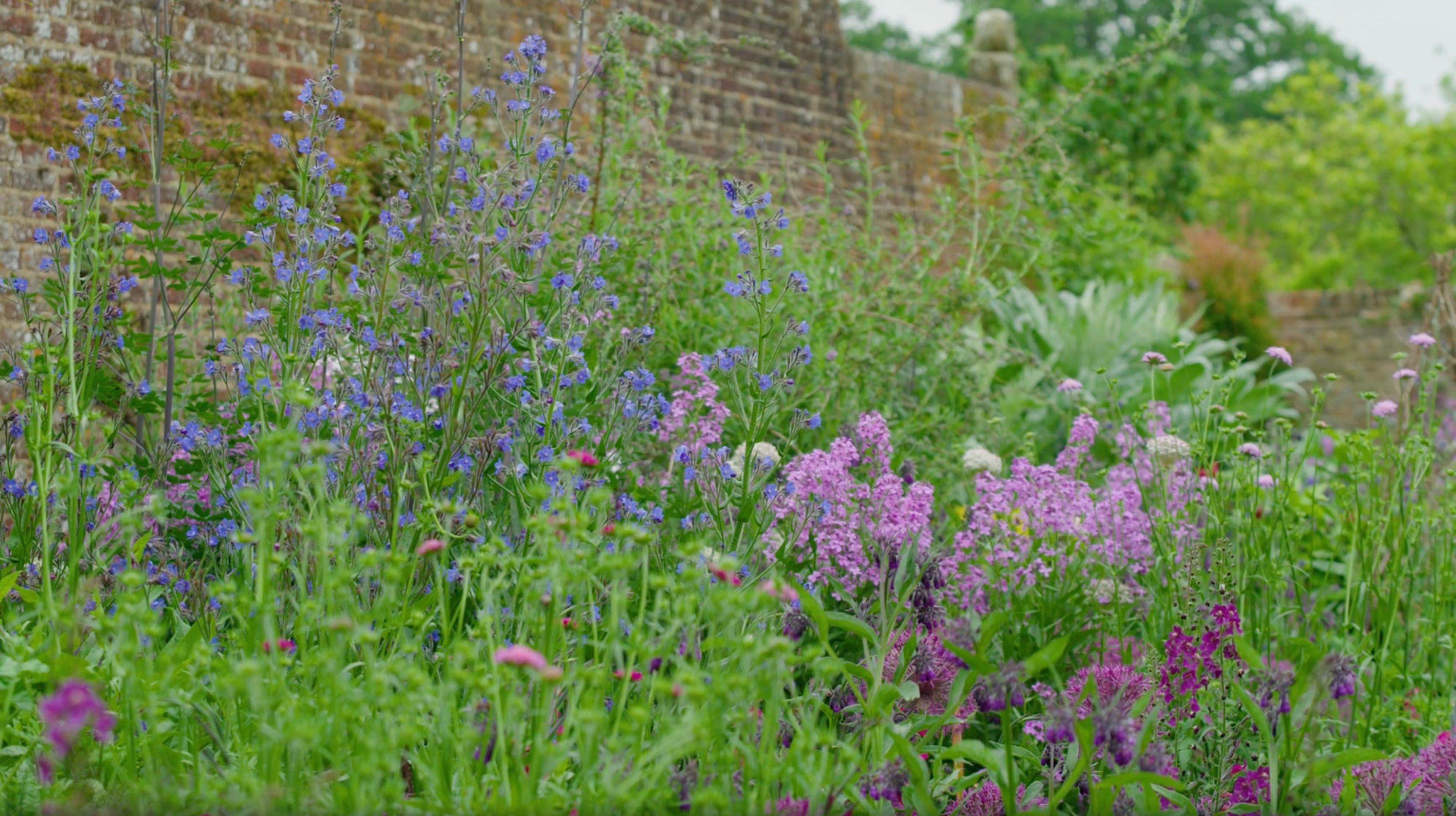
The Cottage Garden is full of colour in the spring, and we rely on the biennials for that.

  • Mostly wallflowers, which we plant in big drifts of old varieties such as 'Blood Red' and 'Fire King'.
  • We cram them in with around 12 per square metre, jostling with irises, pansies and columbines.
  • The other biennial we use here is the Verbascum bombyciferum 'Polarsommer'.
  • These are tall, statuesque plants that grow quickly from a rosette of furry, grey leaves in late spring and early summer.

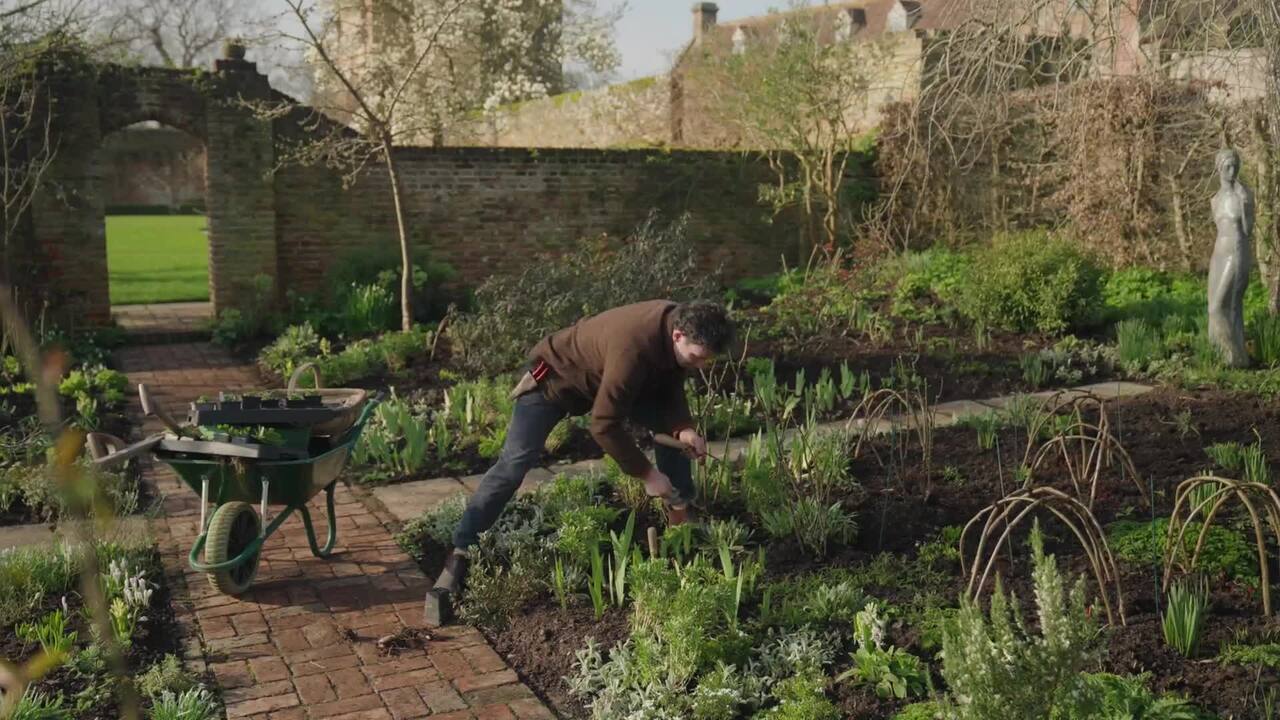
How to Plant Biennials

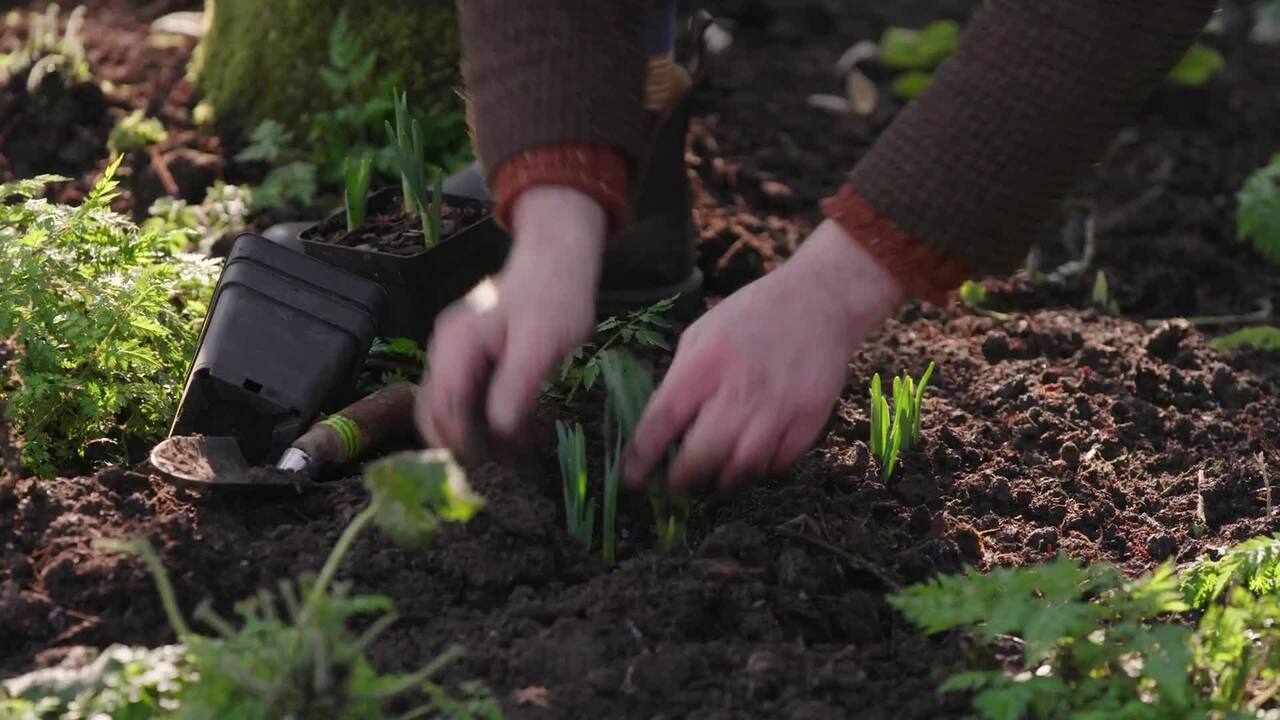
  1. Plant your biennials as quickly as possible after lifting to minimise wilting.
  2. Depending on your soil, you may want to add some homemade garden compost.
  • We do this with wallflowers - these are more hungry, whereas Verbascum can search down for nutrients.
  • As wallflowers are in the Brassica (cabbage) family, we also add some lime when planting these to avoid club root.
  1. Plant just a little deeper than it was in the nursery bed to anchor the plant.
  2. Check your hole is big enough, the right depth and roots spread out, then backfill and firm down with your hands using pressure from the shoulders.
  3. Stay off the soil with your feet as much as you can.
  4. Water in, targeting around the crown, straight from the can (no rose needed).
  • Give them a good soaking - give large plants about half a can each.

Planning the Position of the Verbascum with Flags

As I've mentioned, we only really use two types of biennials in the Cottage Garden.

  1. Wallflowers, for big drifts in spring. We use really intensely coloured varieties such as 'Blood Red', 'Fire King' and 'Cloth of Gold'.
  2. Verbascum, which we place quite randomly but with some thought, so they run through the planting, like the accent plants we looked at for the border in the Rose Garden.

Things to Think About When Placing Plants

  • What's in the background from different viewpoints. For example, I've got Verbascum with a backdrop of dark, inky yew in the distance, which is a great combination.
  • For tall accent plants like the Verbascum, whether you want one or two quite close to a path, to allow you to engage with the height of the plant as you pass it.
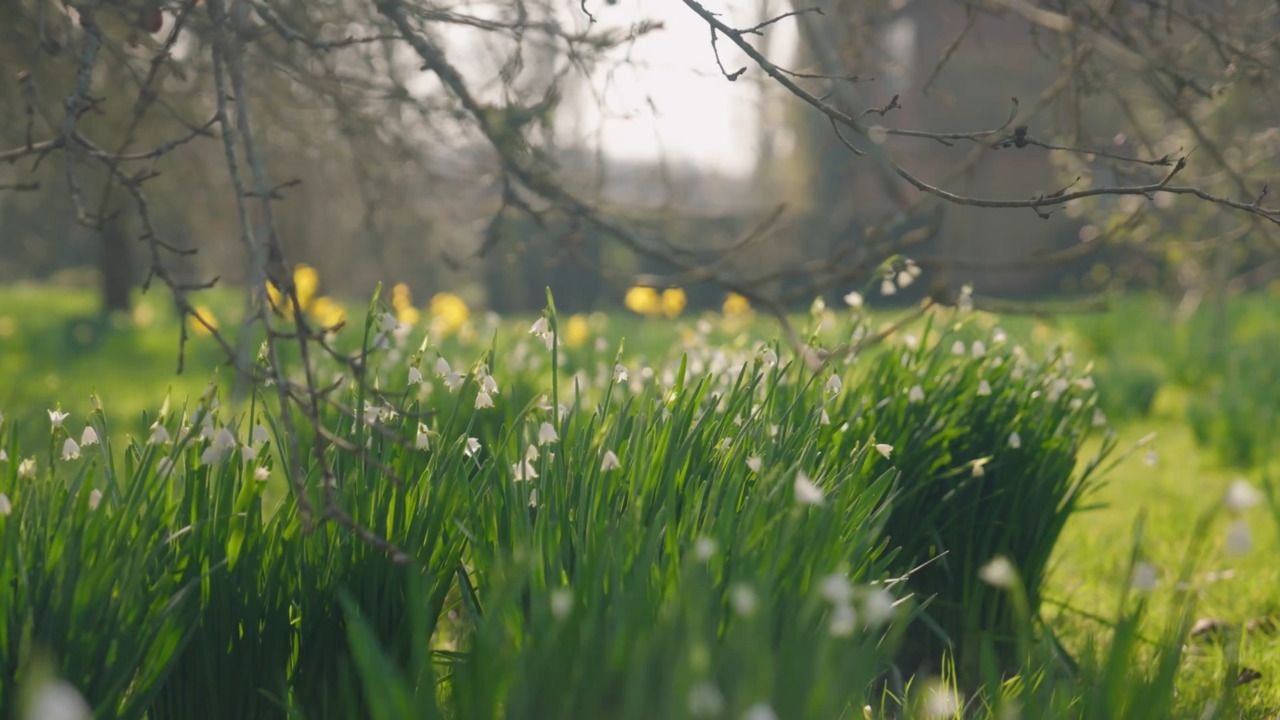
  • The effect you want. Like the narcissi bulbs, we don't want them equally spaced.
  • How many you want. For example, six Verbascum feels like a nice number for a large bed.
  • Where people are likely to come in from when they see the plants, and how the sun illuminates them and what the backdrop is from there.

Once You've Considered This, Start Laying Out Your Plant Positions

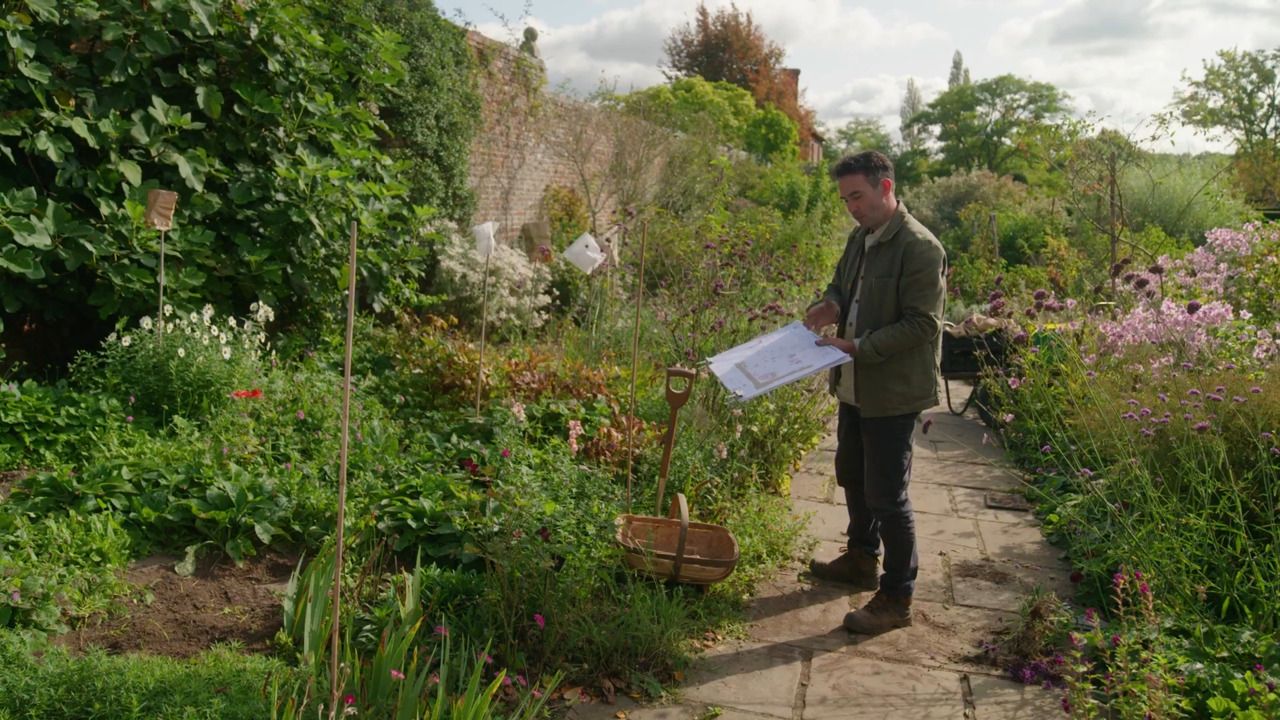
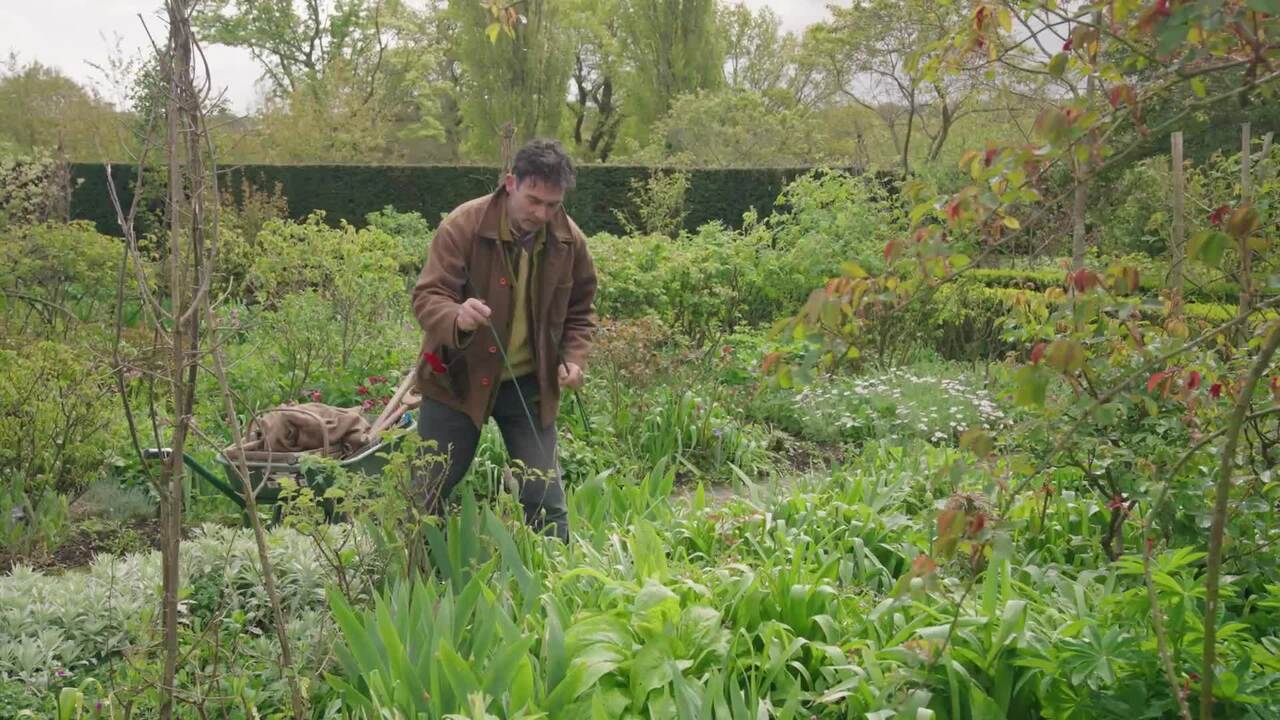
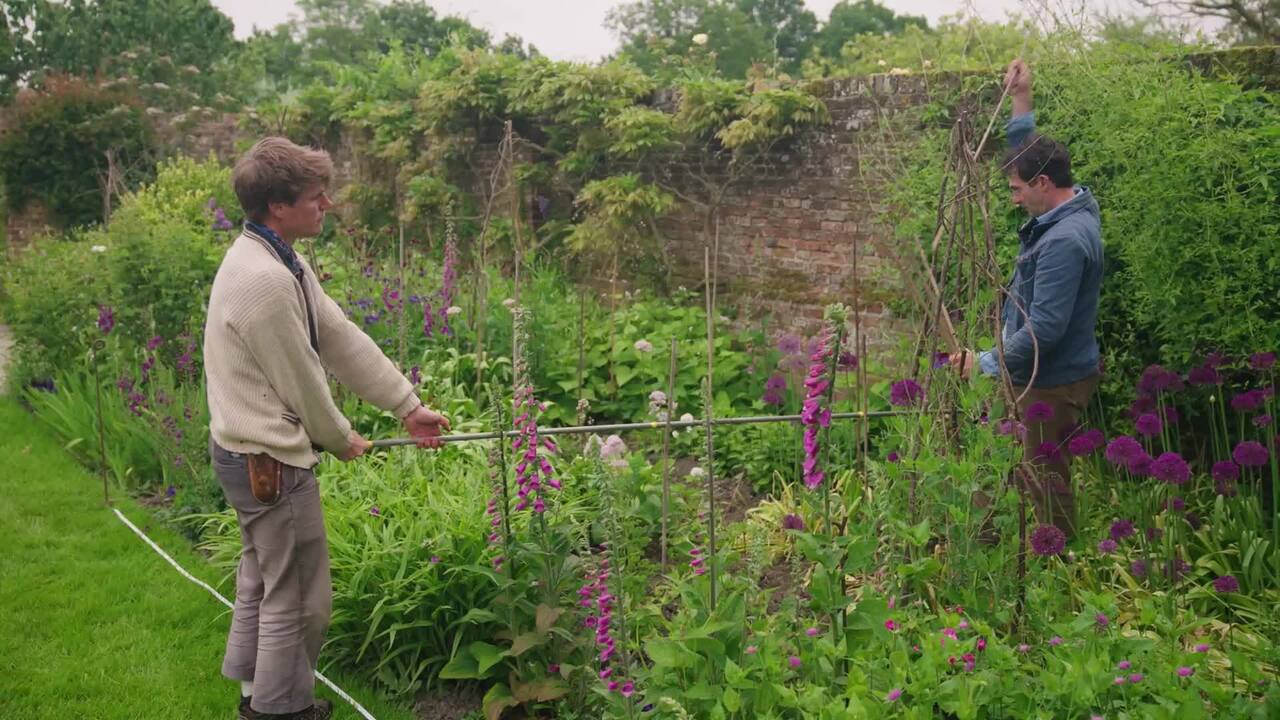
  • I use canes with yellow ribbons on to plot out where I might put Verbascum
  • I then walk around to look from different viewpoints and see how they're working from those
  • I stand back, observe and adjust as necessary before I plant.

Things to Consider When Using Biennials

  • Tall biennials such as these Verbascum are really useful for the height they can give over a short timeframe.
  • Remember that biennials flower in late spring to early summer, so you need to think about what follows them when they finish.

There are two ways I'd suggest using them:

  1. all in one big group, like the wallflowers, which flower in spring and are replaced with something like salvias, dahlias or tender perennials that will flower later in the season
  2. dotted through, like the Verbascum, which flowers in early summer. The space may be filled by its neighbours later in the season, which can be a good technique to avoid any extra work.
  • If you want to fill it with something else, keep the space quite small, as it's hard to establish new plants in late June/early July when the soil is dry.
  • We also weave ribbons of foxgloves between perennials; either the perennials later fill in the space, or I can dribble in late-flowering annuals like Cleome that will do the same job as the foxgloves but for later.

Biennials are beautifully versatile, really high-impact plants - I wouldn't be without them. Just think about how you use them to get the best from all their qualities.

Further Resources

  • Troy's 21 top biennials to grow from Gardens Illustrated
  • Podcast: The Power of Biennials with Sarah Raven and Arthur Parkinson

Get the full workbook, video lessons, and more with a Create Academy subscription.

Subscribe to access the full workbook
Access all courses
$30 /month

Access 56+ courses, billed annually

Subscribe Now
Buy this course
$267 one-time

Lifetime access to this course

Buy Course

Already a member? Sign in to watch

Rated 4.7/5 on Trustpilot

437 reviews

Read more

Very good tutorial from a professional garden...

I have subscribed to access all the courses so have watched one on interior design and this one with Butter Wakefield who specialises in small garden design. She ...

Louise Brown

Apr 10, 2026

Time spent well

I love CreateAcademy. I came in for the gardening and floristry courses, but am also watching an interior design one at present. And the photography course is an ...

Wellesley

Apr 1, 2026

What a great investment

What a great investment, I have learned such a lot from the first three courses. My evenings have gone from not being able to find anything that captured my imagi...

sojojo

Mar 30, 2026

I loved this course with Amanda\u2026

I loved this course with Amanda Lindroth! Her approach to decorating is so relaxed and she makes it feel attainable. She explains the reasons behind her decisions...

Elizabeth

Mar 27, 2026

Troy Scott Smith

Your Instructor

Troy Scott Smith

Head Gardener at Sissinghurst. Garden Writer, Speaker & Lecturer.

Troy Scott-Smith, previously head gardener of Iford Manor and Bodnant garden, now oversees the cherished grounds of Sissinghurst - one of the most famous gardens in England and is designated Grade I on Historic England's register of historic parks and gardens. Coming from a family of committed naturalists, Troy is a seasoned horticulturist, writer, designer and consultant, Troy is also a respected member of the RHS Floral Committee. When he set his sights on the head gardener role, he did so with refreshing candour, speaking passionately of the garden’s need for thoughtful evolution. It is a mark of the National Trust’s forward-thinking spirit that they embraced his vision, inviting him to guide this historic landscape into a compelling new chapter.

Access to all courses

Get access to unlimited learning with a Create Academy subscription