








Interior and exterior confidence
Create Academy has been such a great resource. I'm in the middle of renovating a bungalow with a very large garden and the courses have offered a wealth of inform...
Harvey
Jun 10, 2026
The Art of Gardening at Sissinghurst
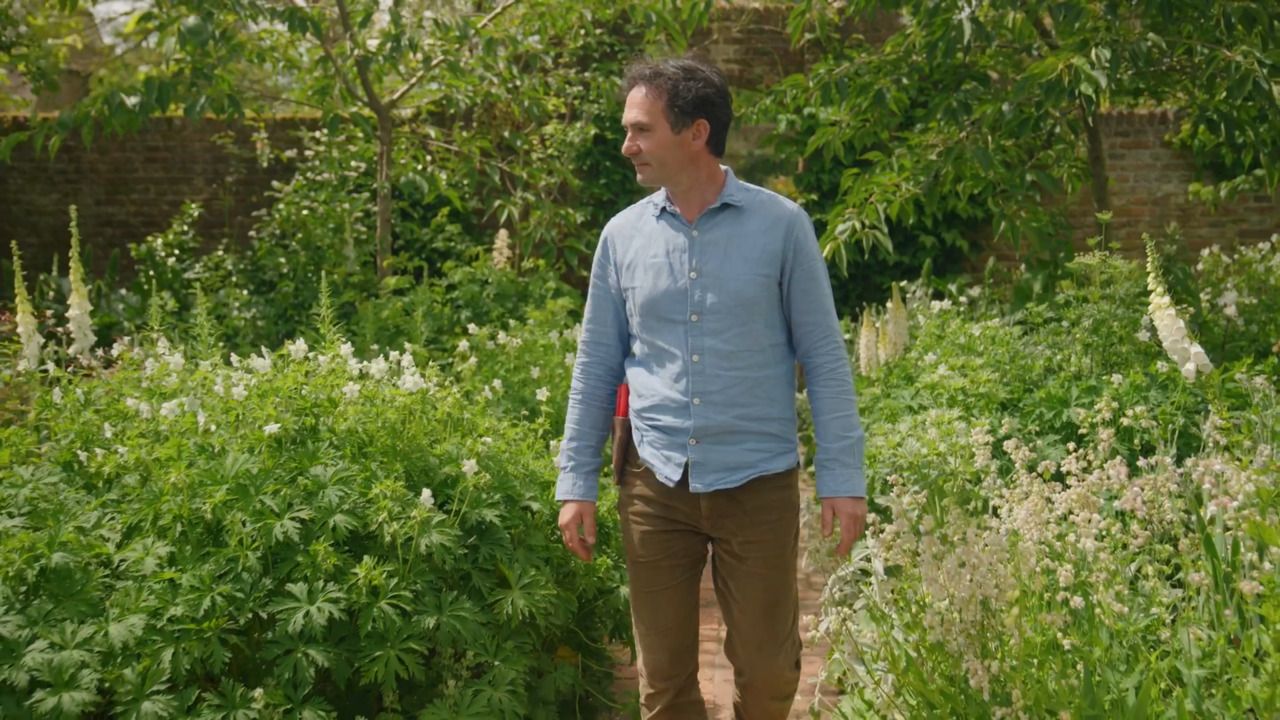
with TROY SCOTT SMITH — Head Gardener at Sissinghurst. Garden Writer, Speaker & Lecturer.
Lesson 41 of 56
Subscribe to watch
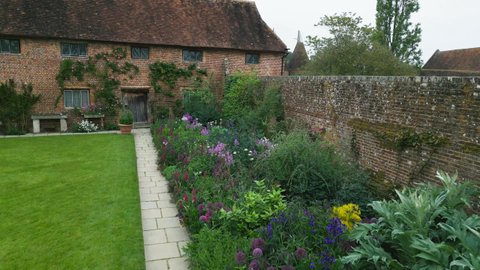
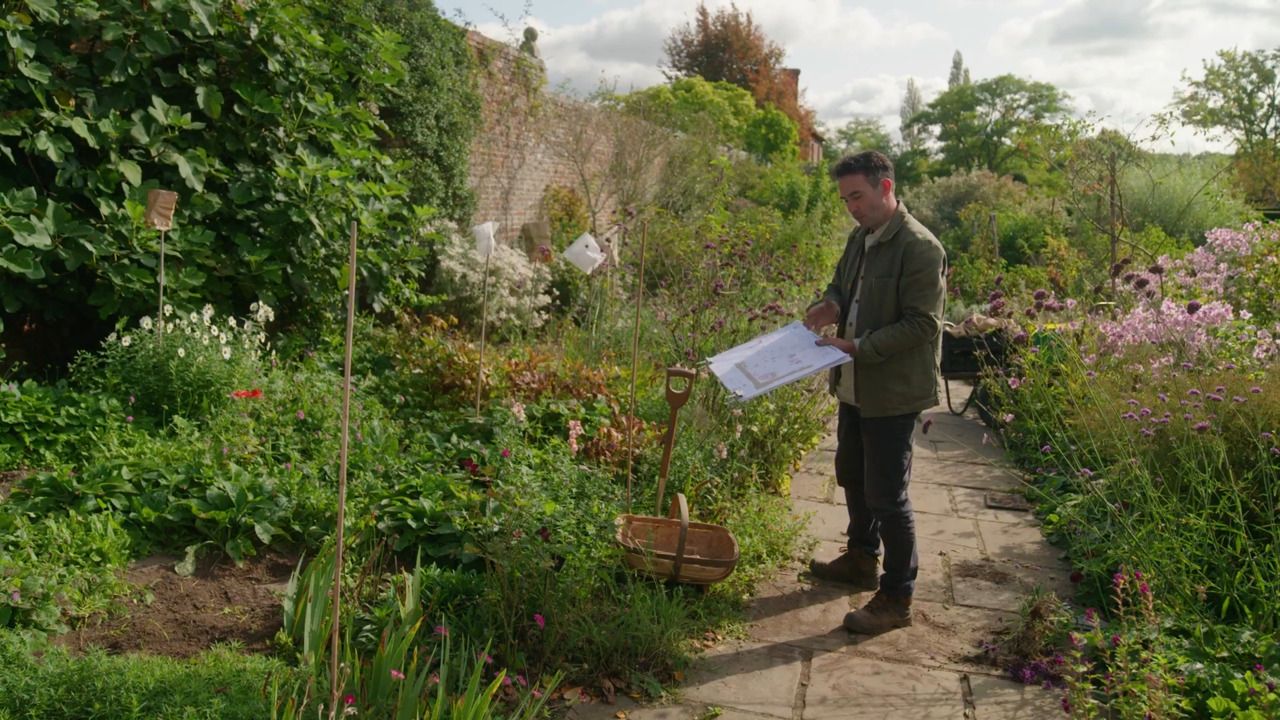
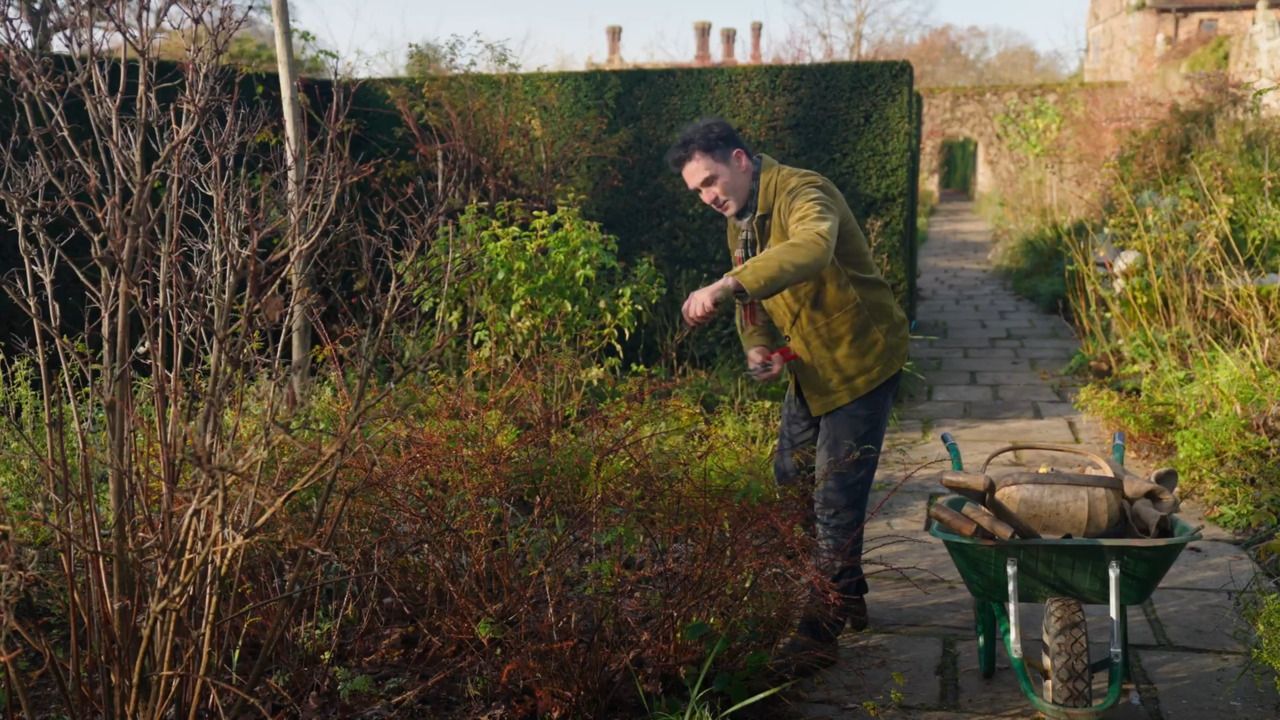
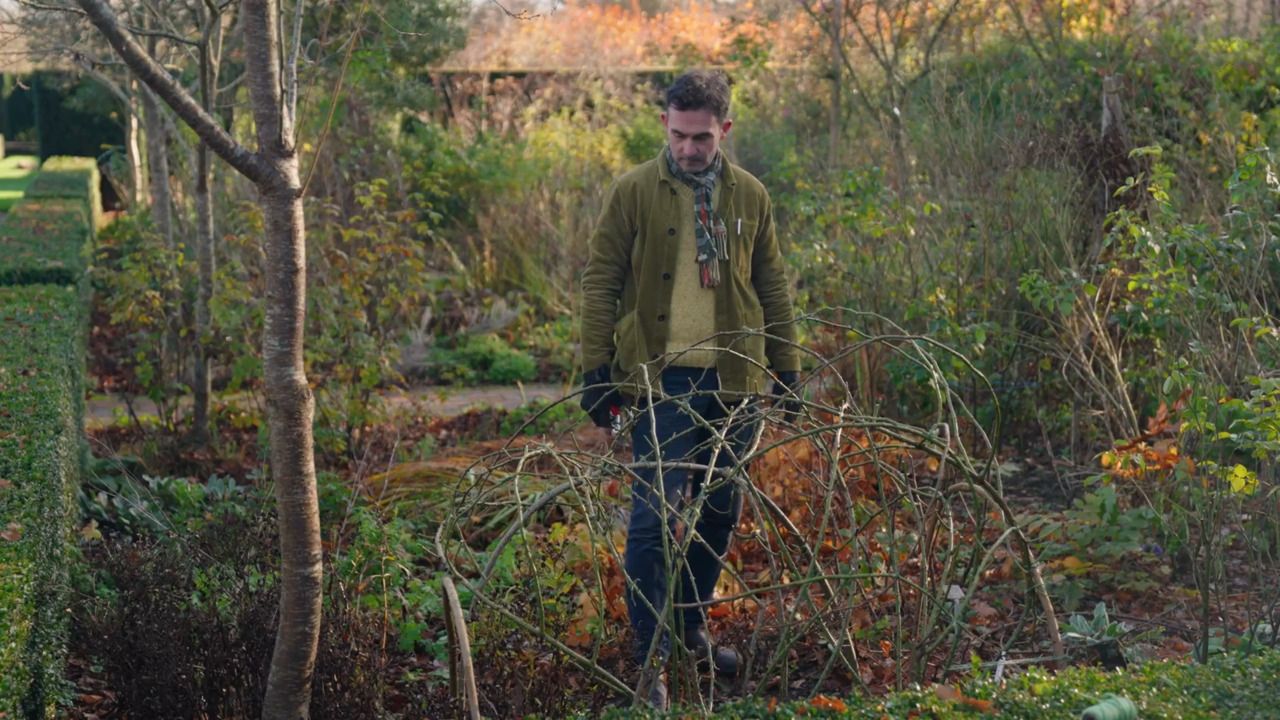
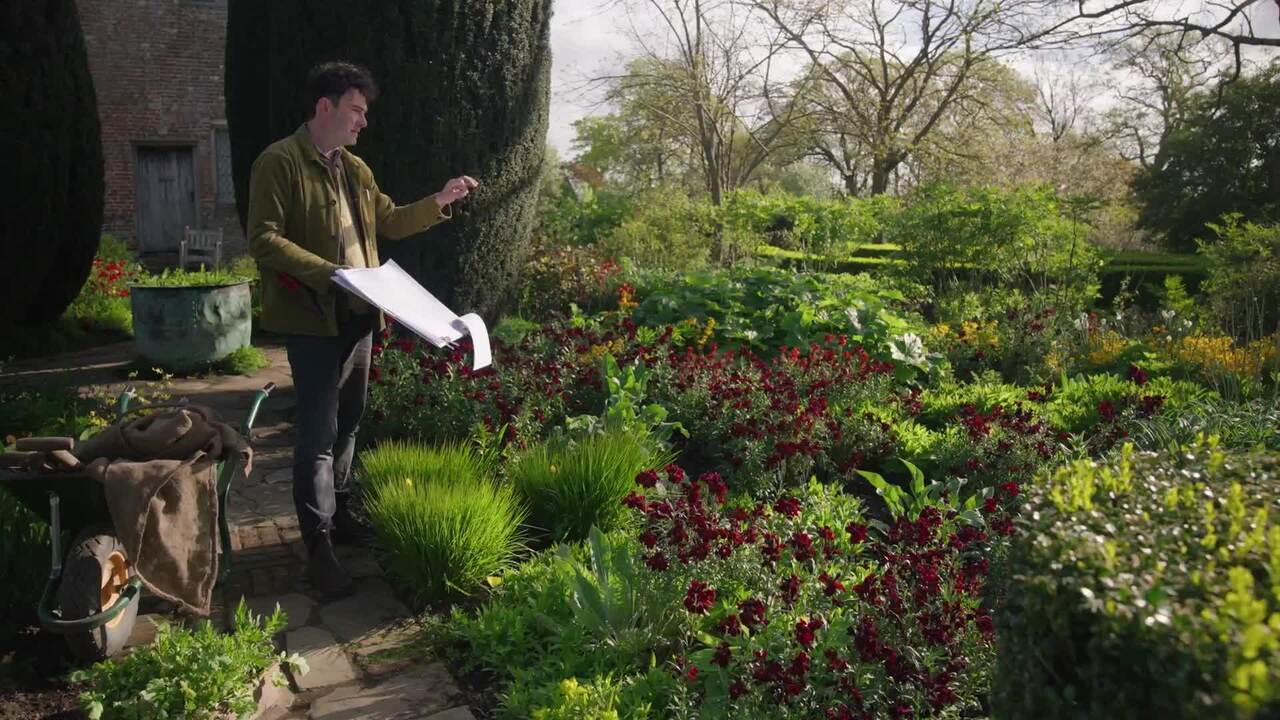
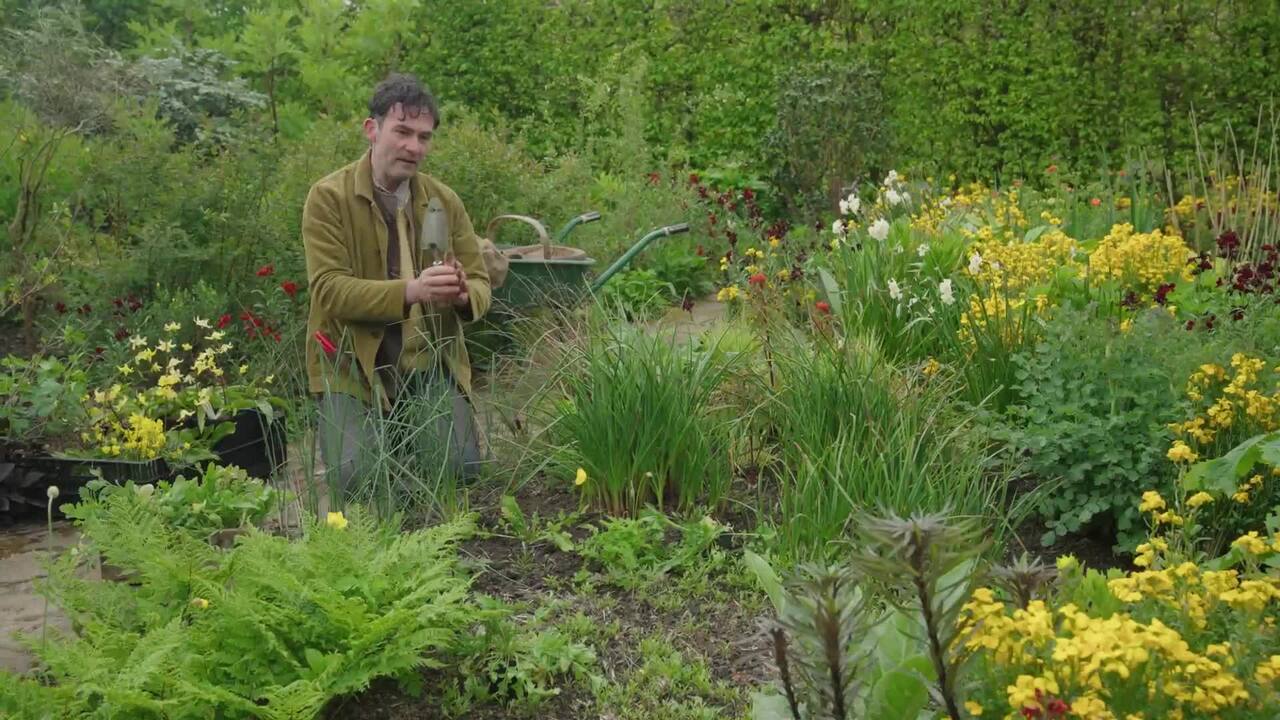
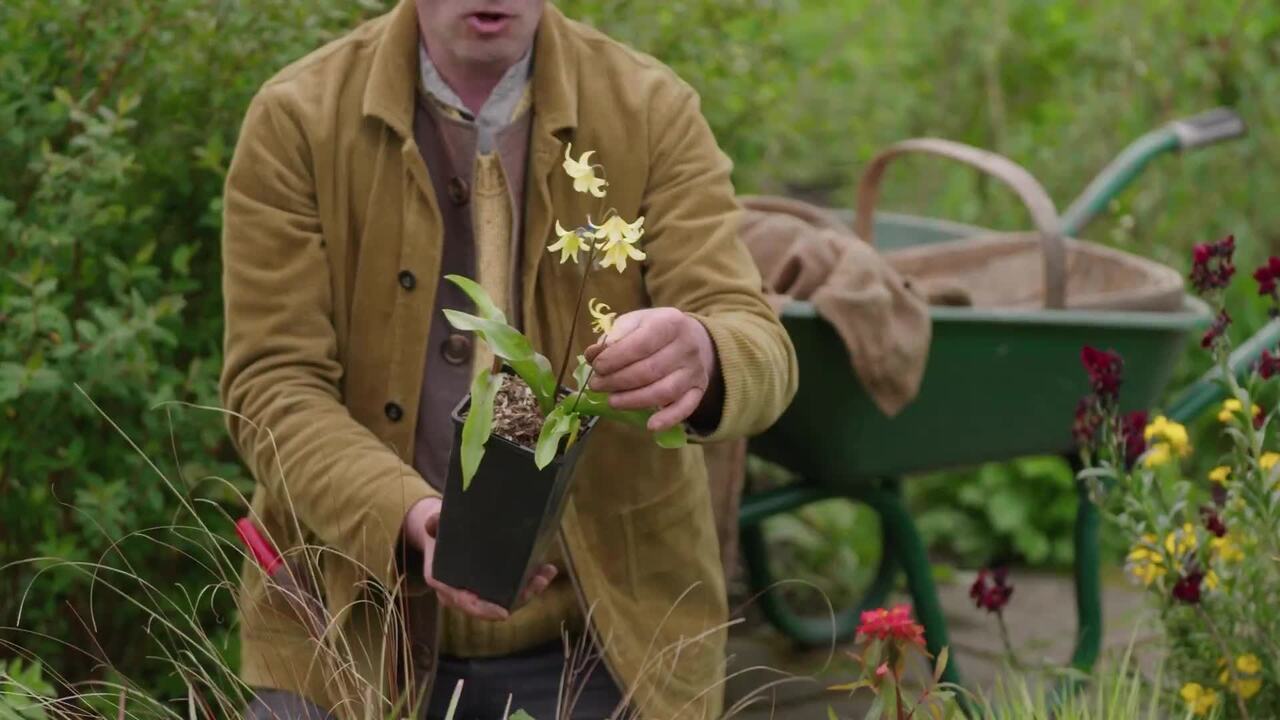
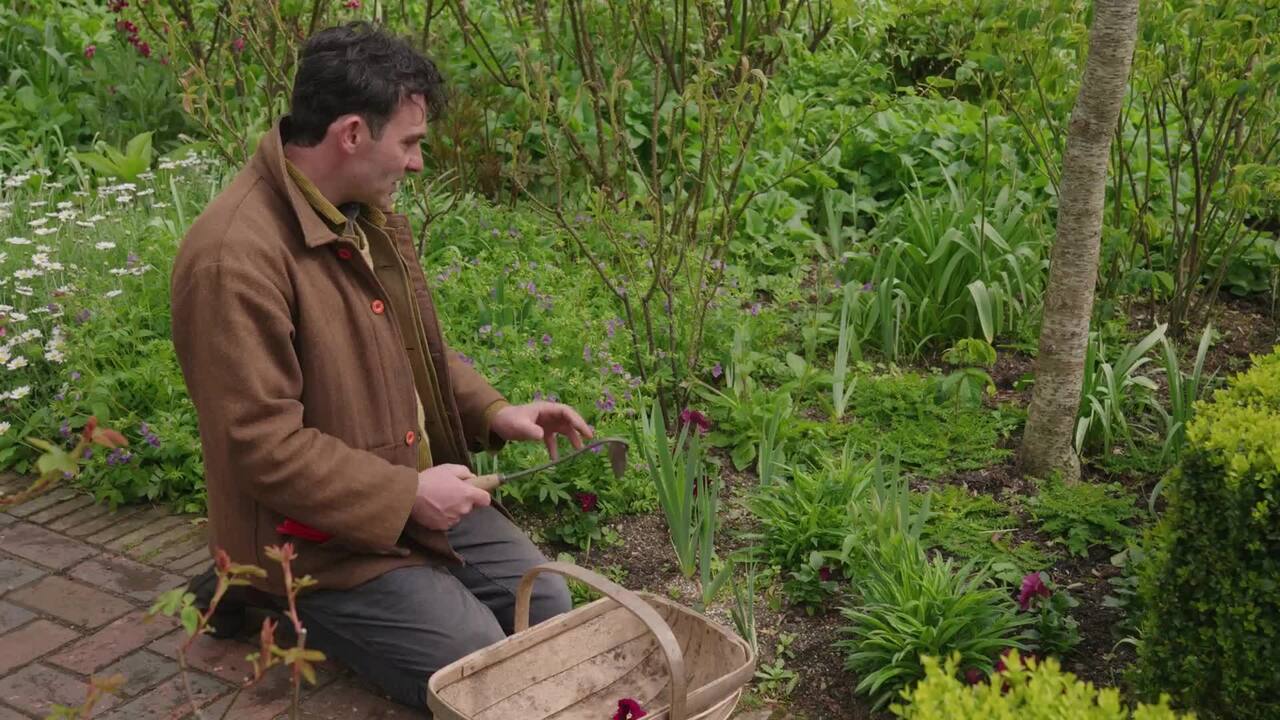
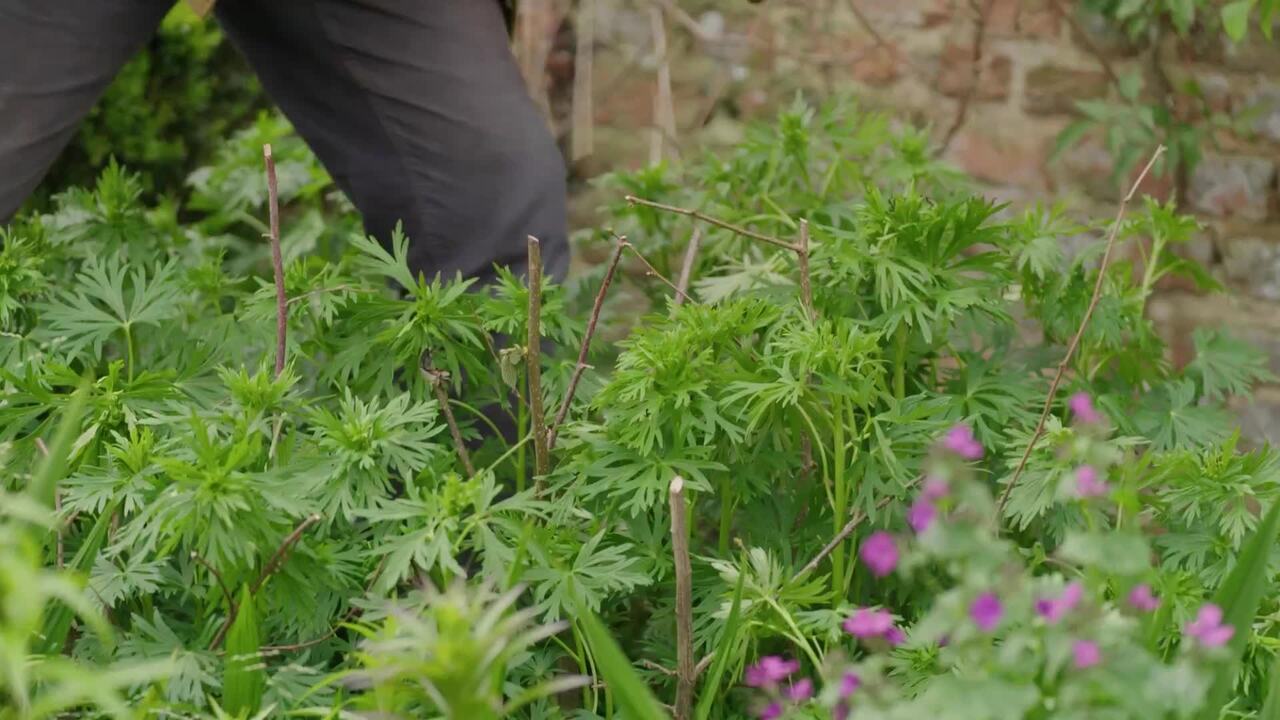
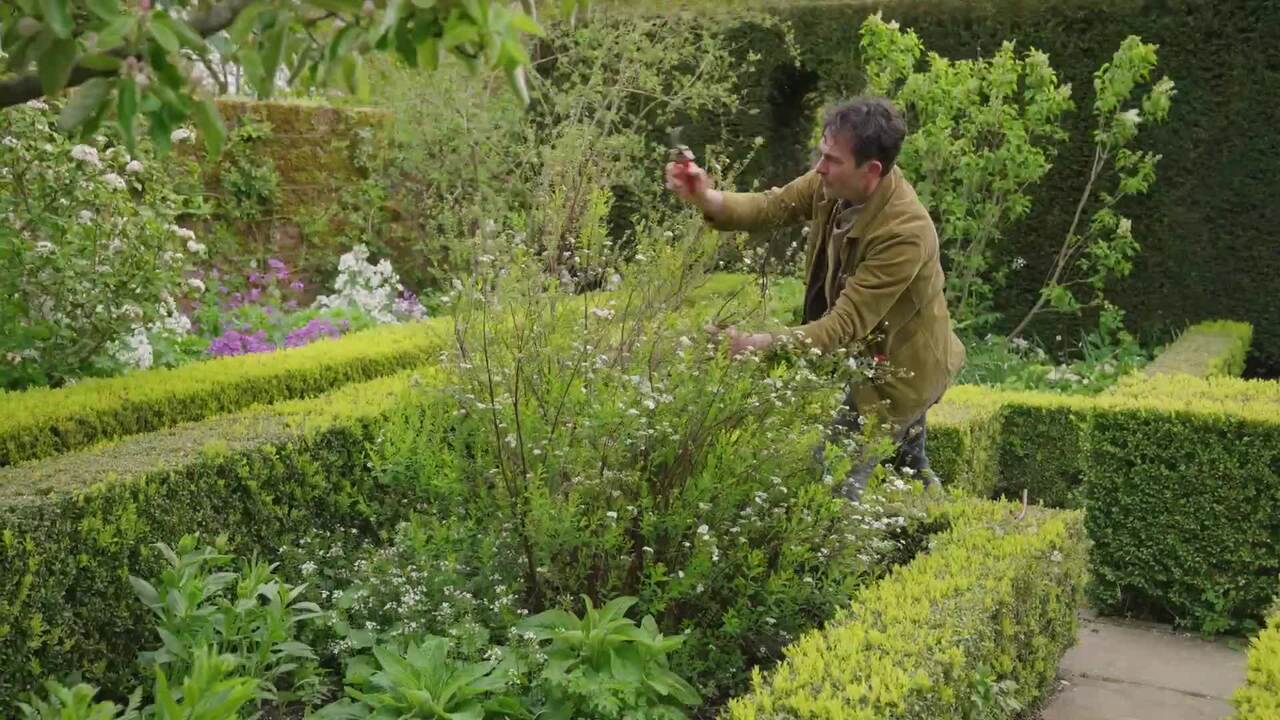
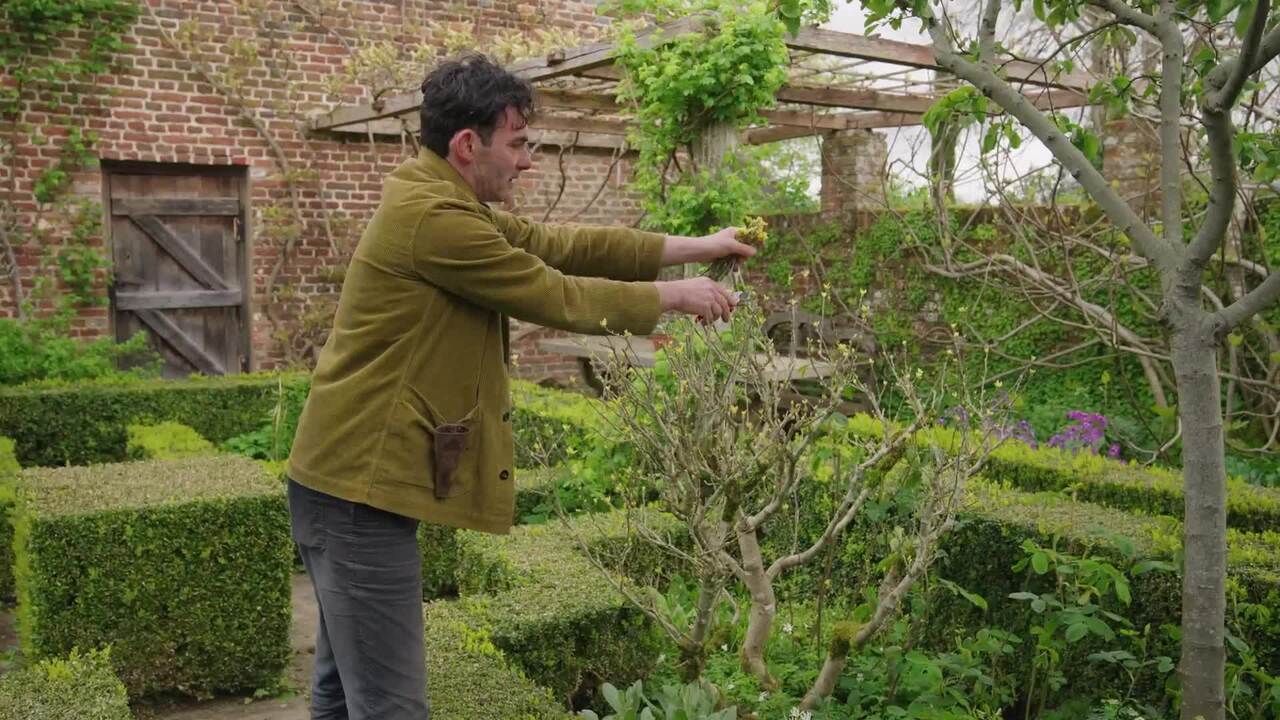
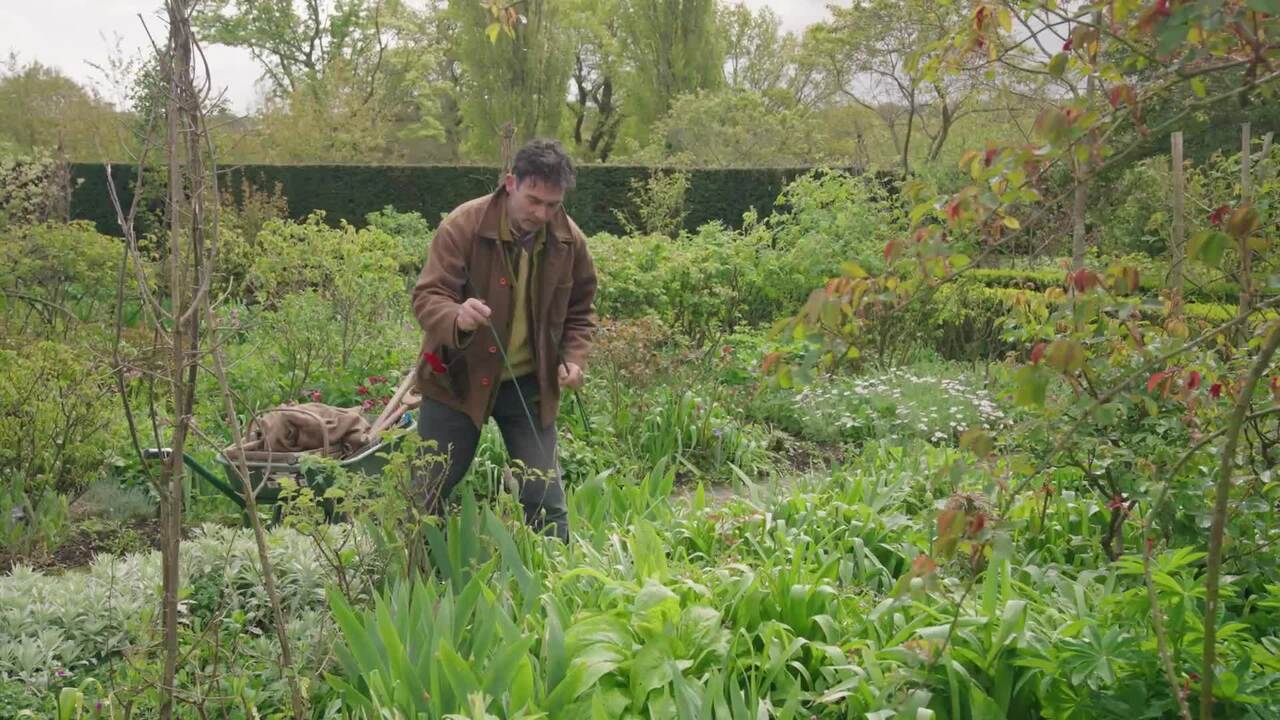
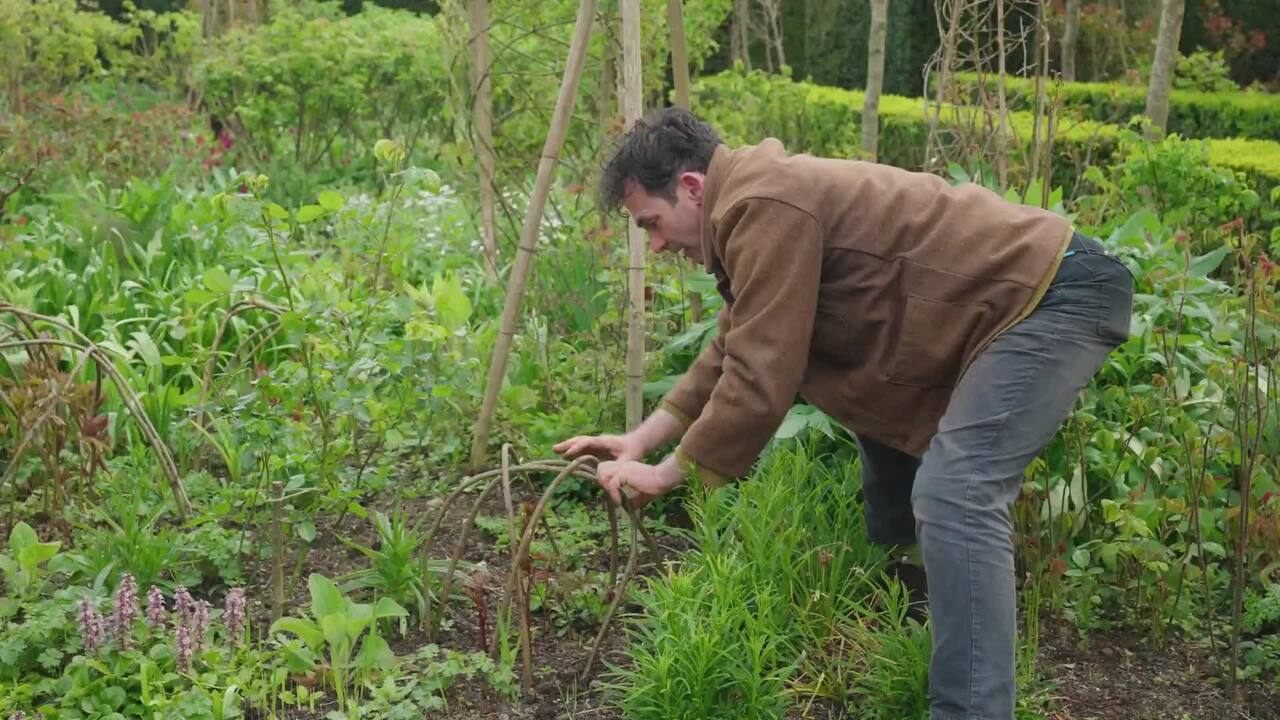
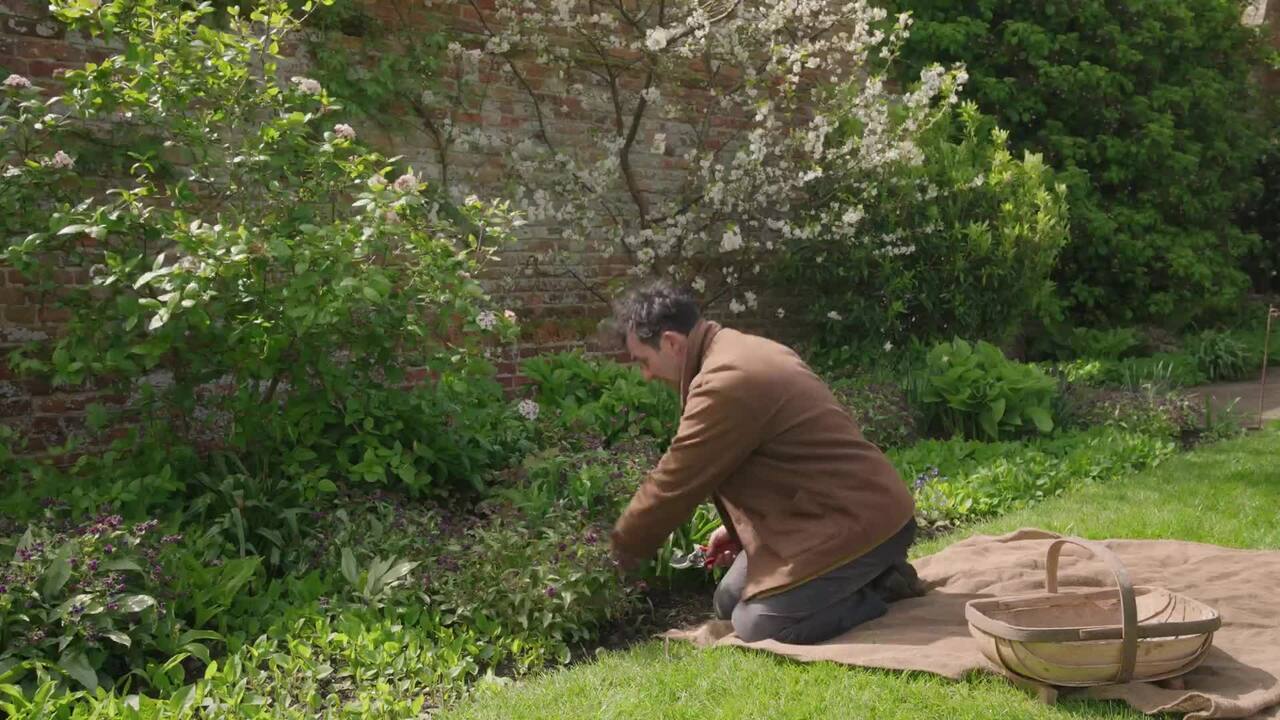
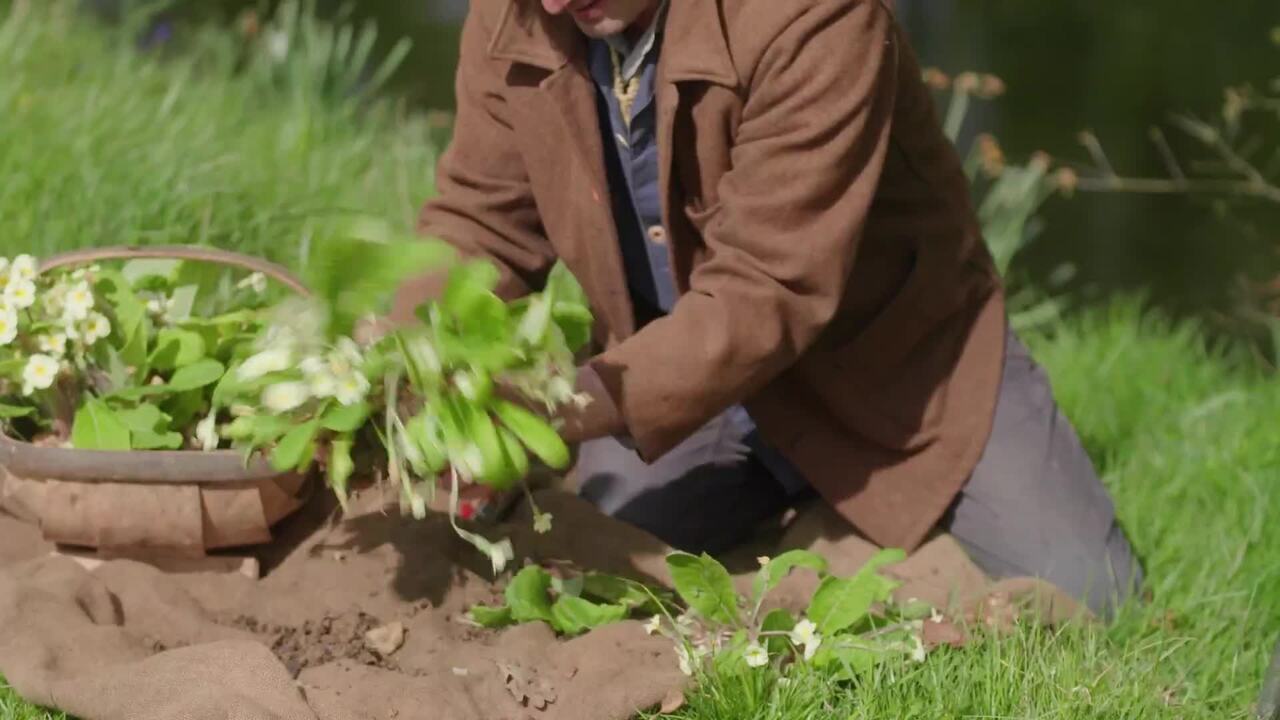
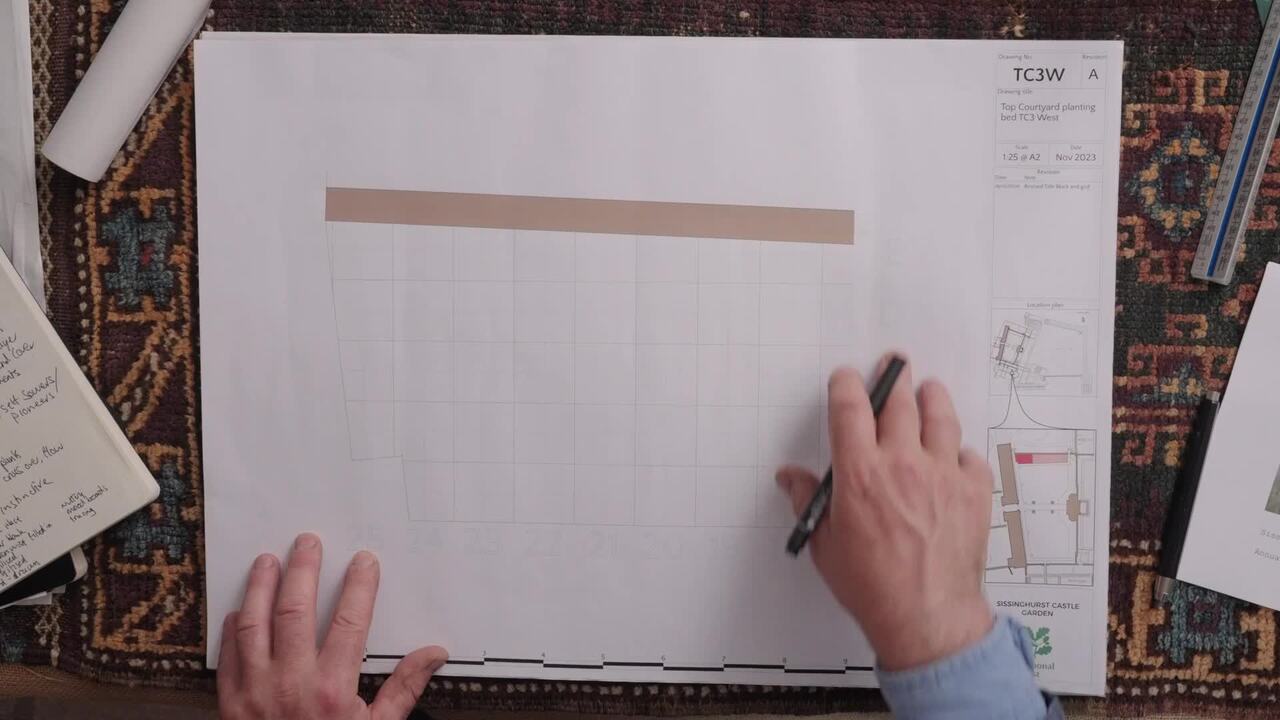
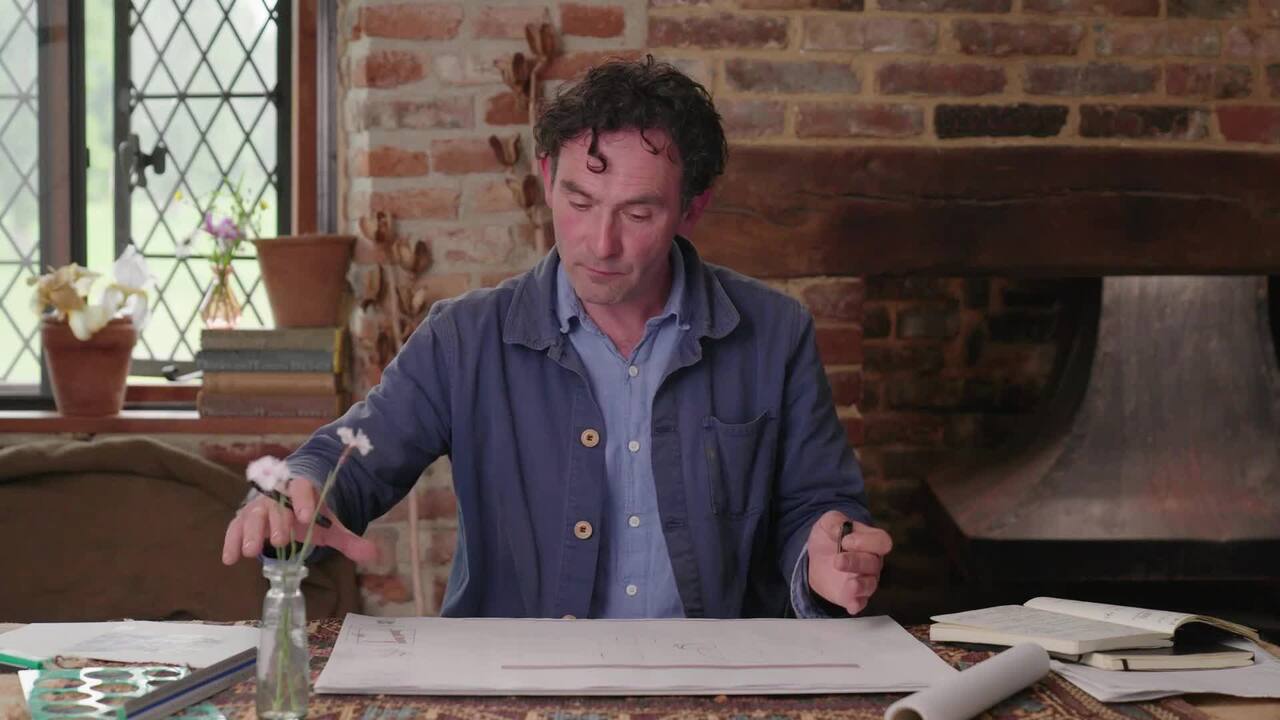
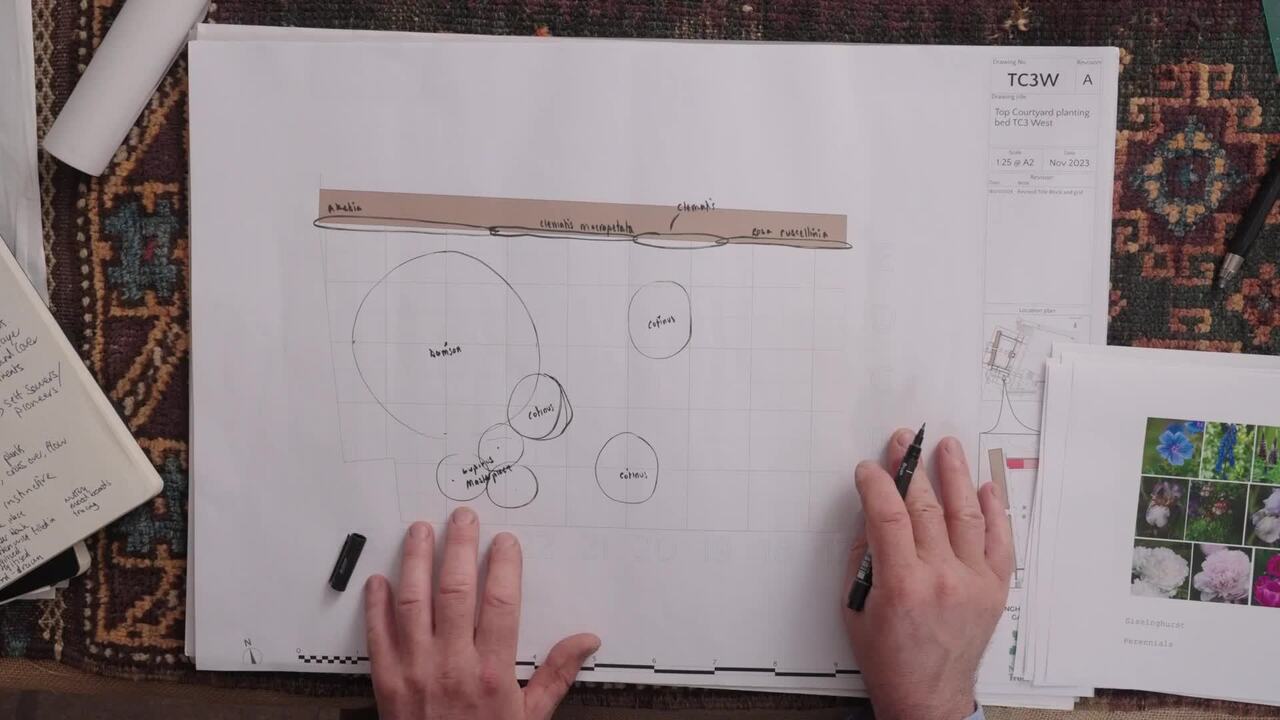
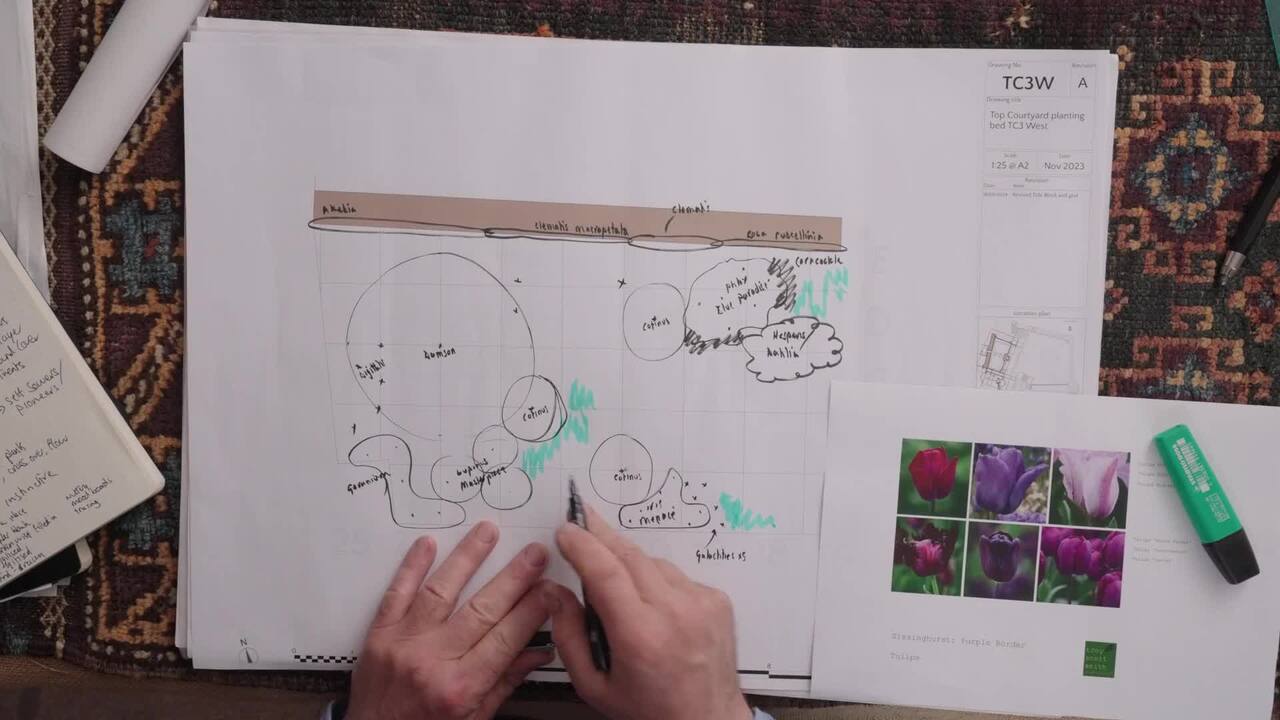
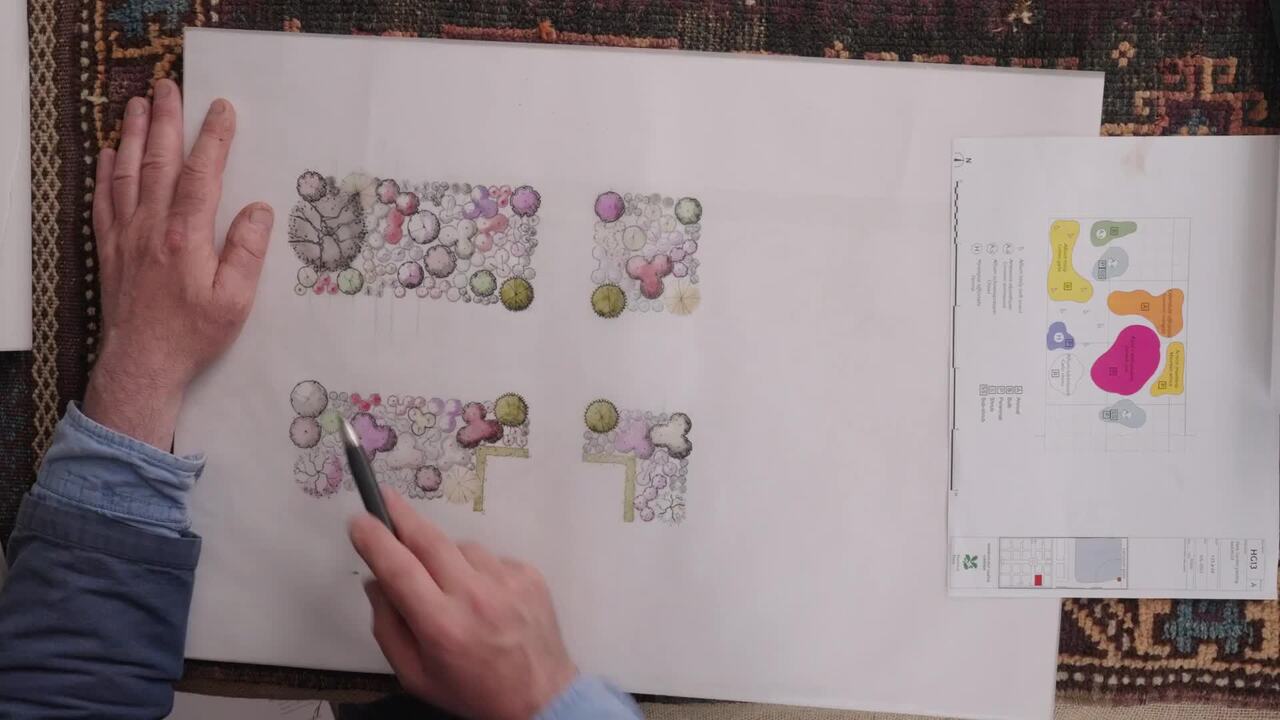
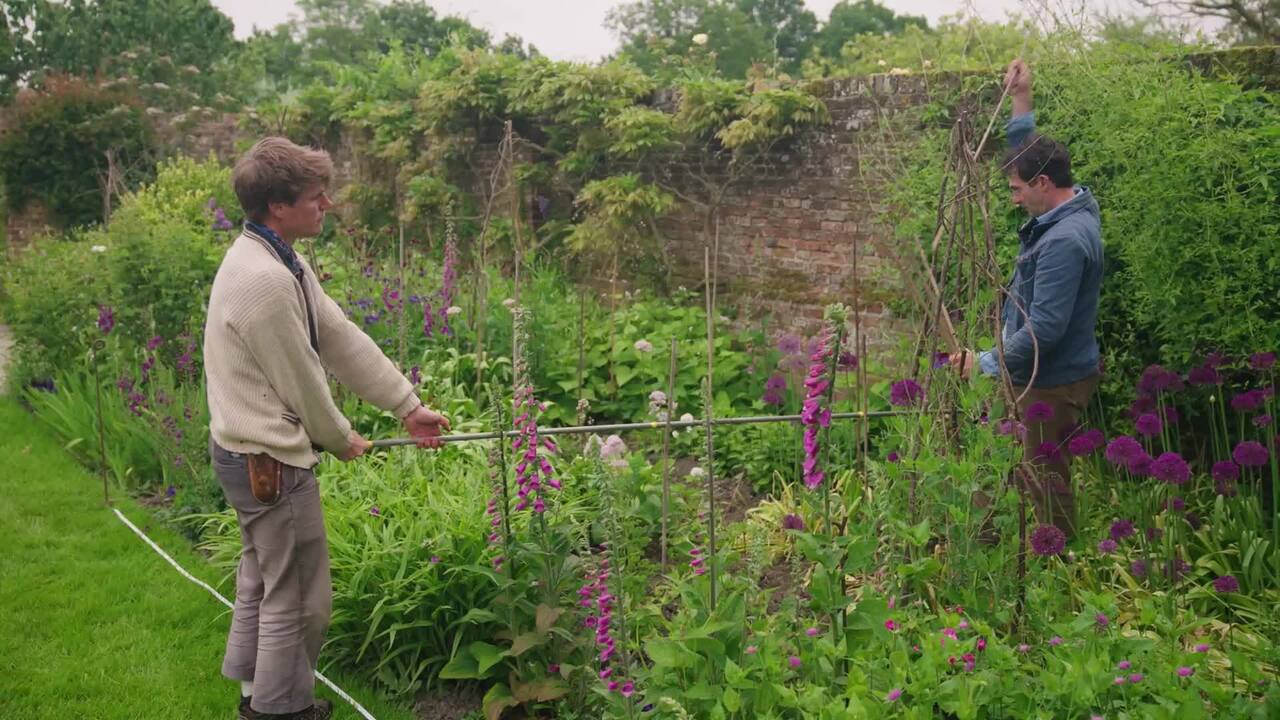
Troy demonstrates how to map out an existing border that already contains plants to use as the basis for planning a redesign.
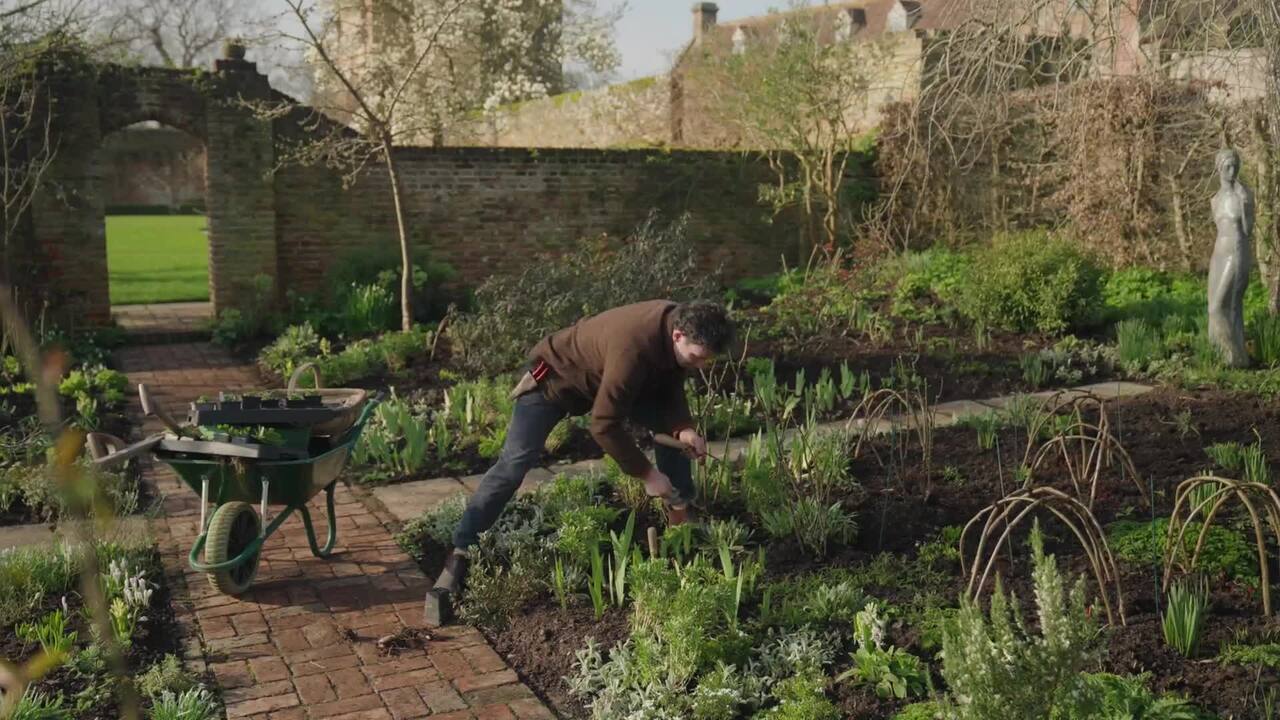
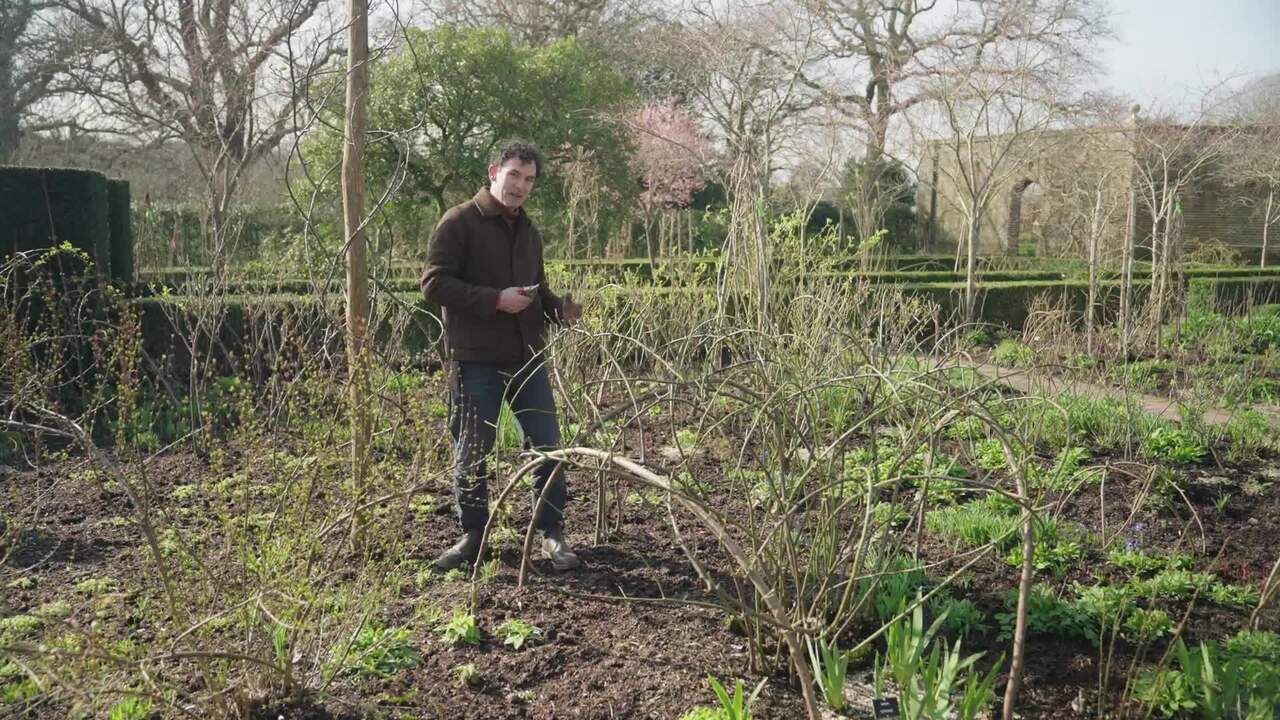
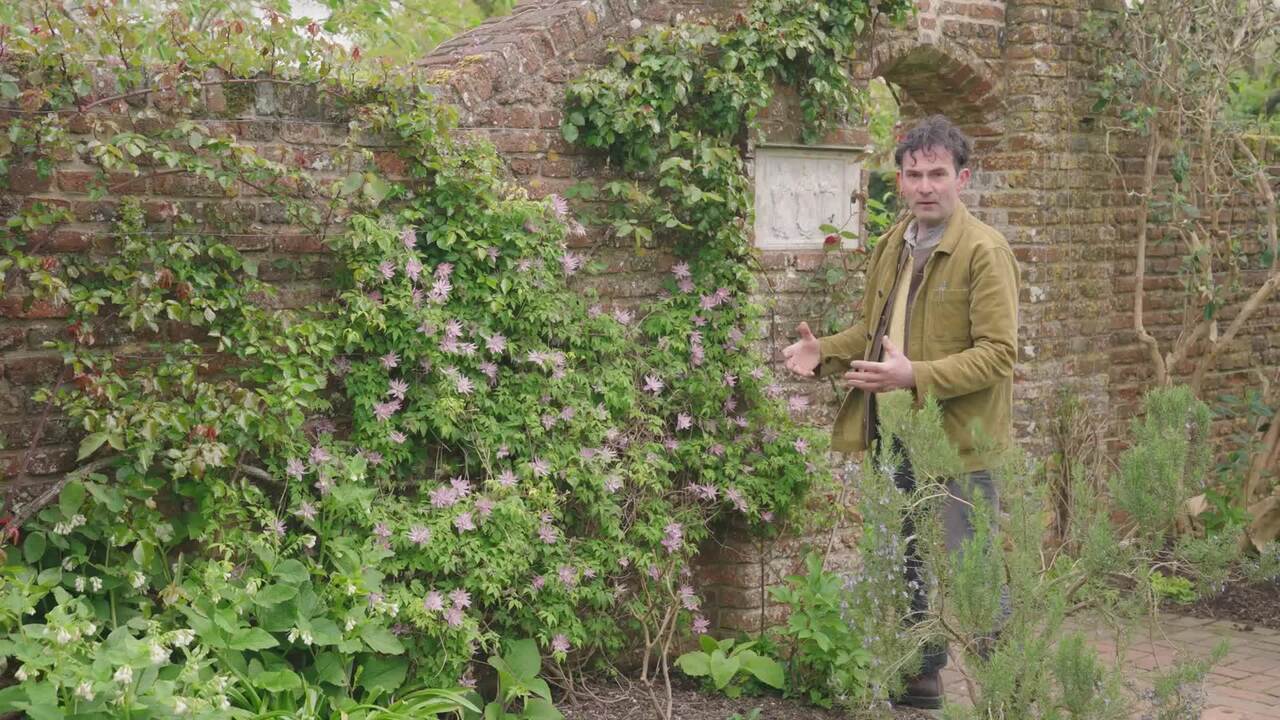
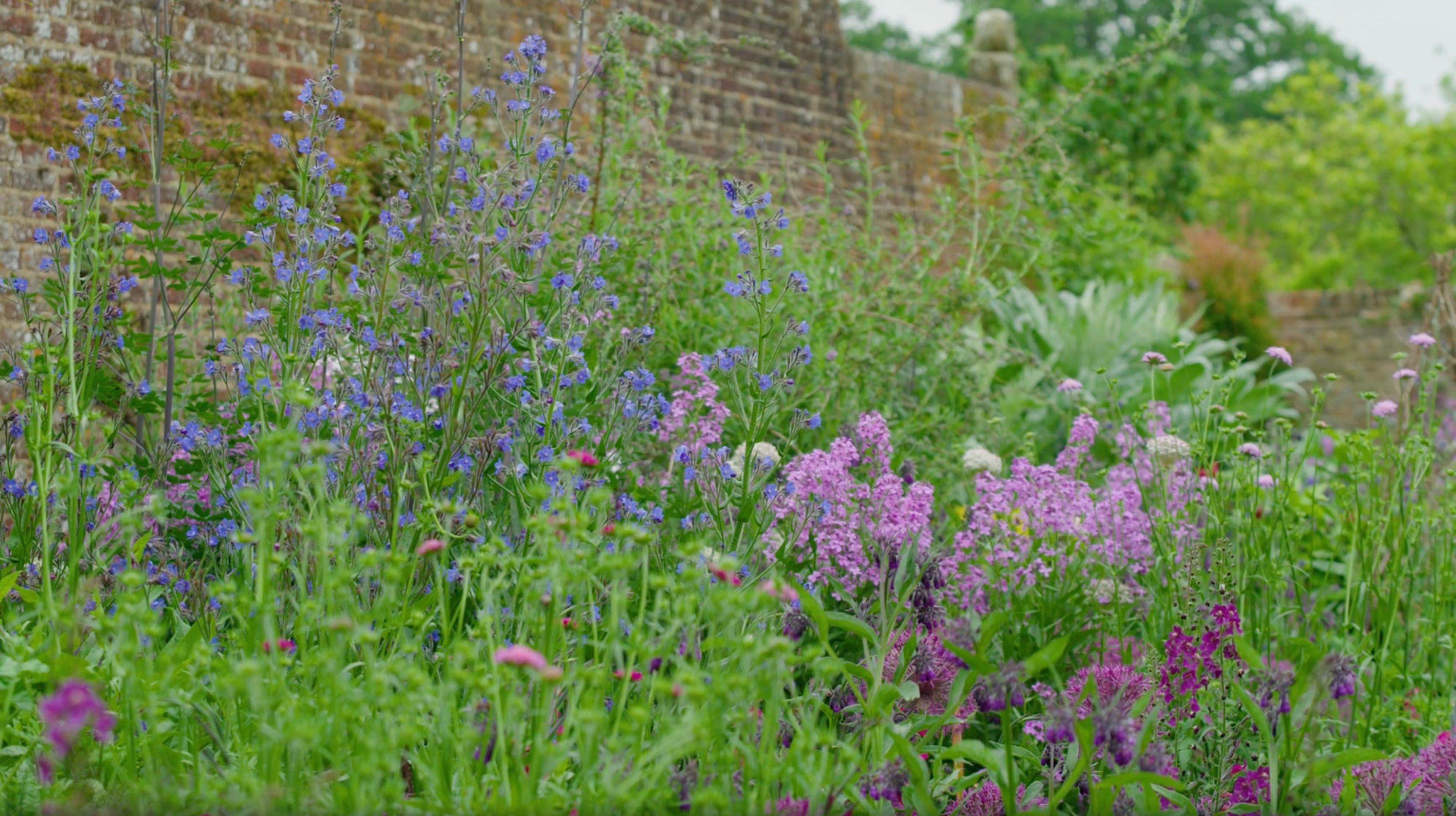
Now I'm going to show you how to map out an existing border that already contains some plants as the basis to begin planning a redesign, using another border in the Top Courtyard.
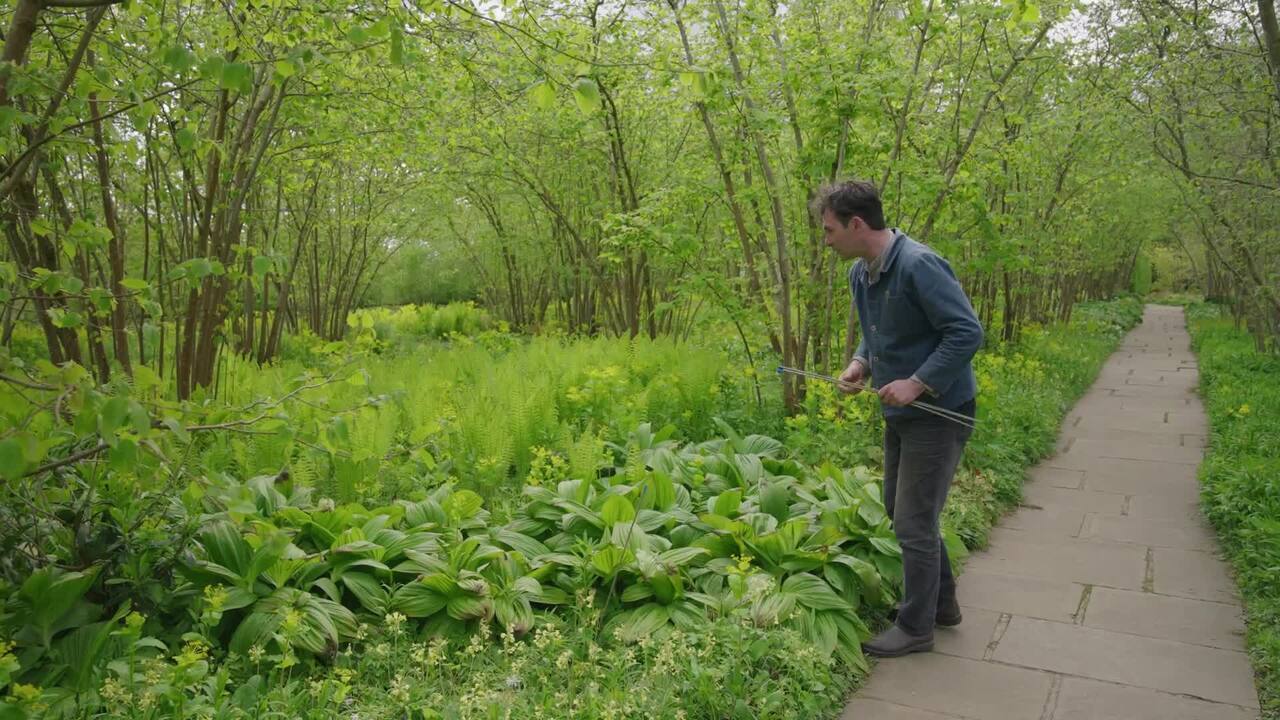
This is a supporting border for the Purple Border – it doesn't need to be as showy, but still needs to work hard.
Try out the process above on one of your beds. It can be the same one you're observing from the previous assignment or a different one that you know you want to rework. Draw up a rough plan – it doesn't need to be to scale.
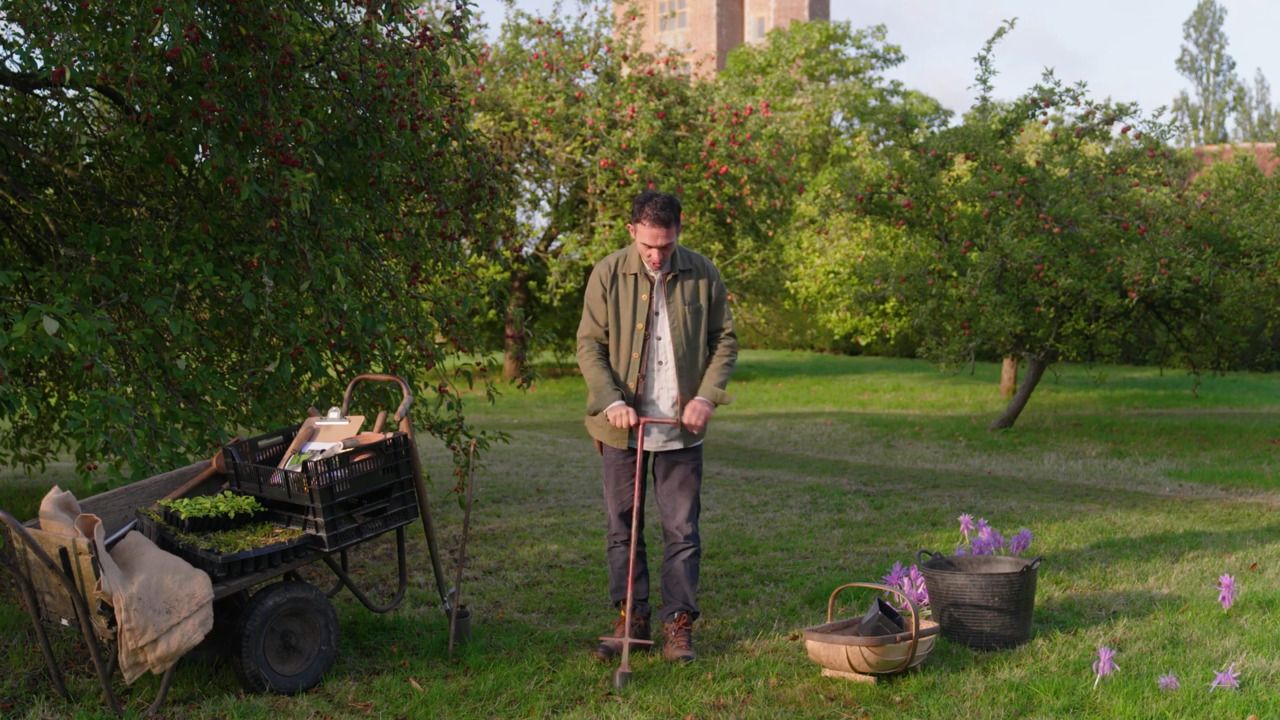
Colchicum species and cultivars
Autumn crocus, meadow saffron
Hardy herbaceous perennials from corms
Colchicaceae
Lathyrus odoratus cultivars
Sweet peas
Hardy annuals
Fabaceae
Lathyrus odoratus 'Cupani'
Sweet pea 'Cupani'
Hardy annual
Fabaceae
Tradescantia hardy species and cultivars
Spider lilies, spiderworts
Hardy semi-evergreen or herbaceous perennials
Commelinaceae
Get the full workbook, video lessons, and more with a Create Academy subscription.
Subscribe to access the full workbookAlready a member? Sign in to watch
491 reviews
Read moreCreate Academy has been such a great resource. I'm in the middle of renovating a bungalow with a very large garden and the courses have offered a wealth of inform...
Harvey
Jun 10, 2026
Absolutely love Create Academy! The instructors are extremely informative, and it is beautifully filmed. Create Academy is great value for money and plan on renew...
SG
May 31, 2026
Butter's creativity is stunning! Her ability to incorporate brilliance in small gardens is magical!
Carla
May 30, 2026
The best adventure. I like all the courses, but my favorite are both Rita Konig interior design courses and Anna Jones. Excellent!
Karolina Kluczewska
May 20, 2026
Create Academy has been such a great resource. I'm in the middle of renovating a bungalow with a very large garden and the courses have offered a wealth of information to dive into and explore new ideas. I'm...
Harvey
Jun 10, 2026
Absolutely love Create Academy! The instructors are extremely informative, and it is beautifully filmed. Create Academy is great value for money and plan on renewing my subscription yearly because there are ...
SG
May 31, 2026
Butter's creativity is stunning! Her ability to incorporate brilliance in small gardens is magical!
Carla
May 30, 2026

Your Instructor
Head Gardener at Sissinghurst. Garden Writer, Speaker & Lecturer.
Troy Scott-Smith, previously head gardener of Iford Manor and Bodnant garden, now oversees the cherished grounds of Sissinghurst - one of the most famous gardens in England and is designated Grade I on Historic England's register of historic parks and gardens. Coming from a family of committed naturalists, Troy is a seasoned horticulturist, writer, designer and consultant, Troy is also a respected member of the RHS Floral Committee. When he set his sights on the head gardener role, he did so with refreshing candour, speaking passionately of the garden’s need for thoughtful evolution. It is a mark of the National Trust’s forward-thinking spirit that they embraced his vision, inviting him to guide this historic landscape into a compelling new chapter.

Access to all courses

