





Very good tutorial from a professional garden...
I have subscribed to access all the courses so have watched one on interior design and this one with Butter Wakefield who specialises in small garden design. She ...
Louise Brown
Apr 10, 2026
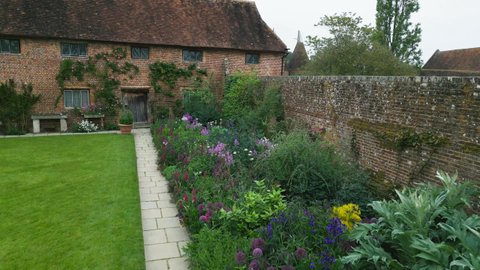
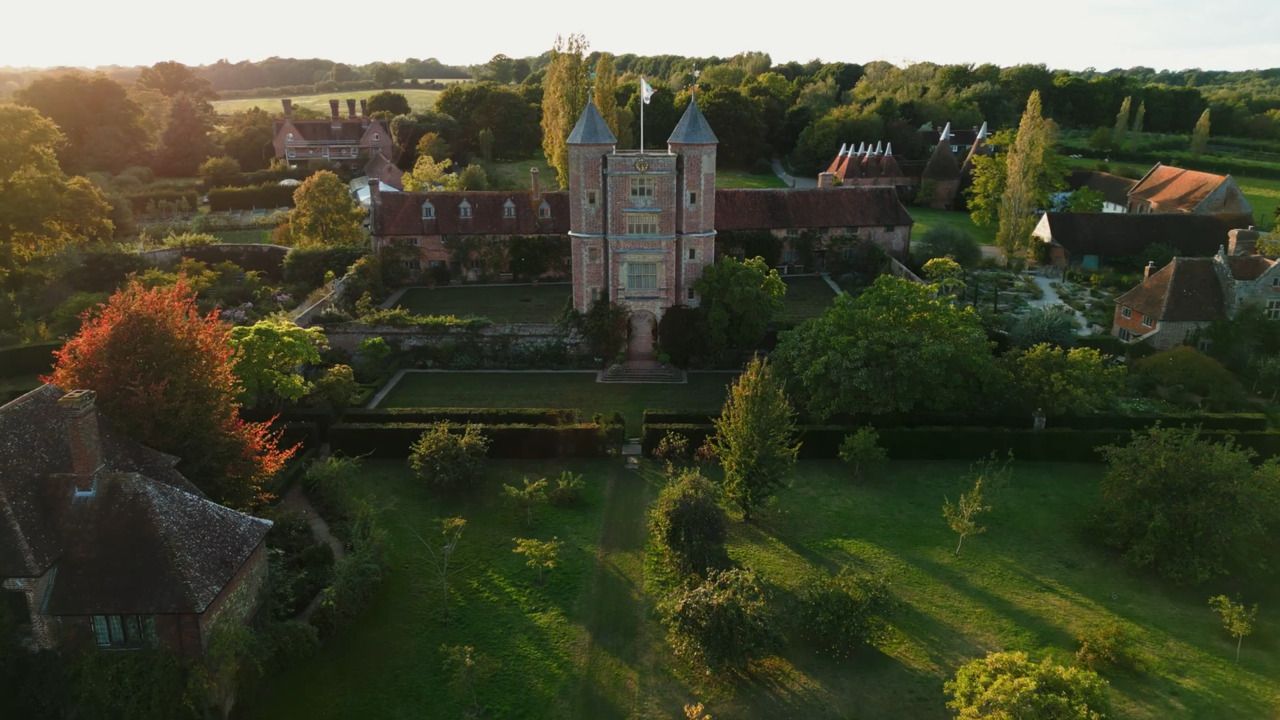
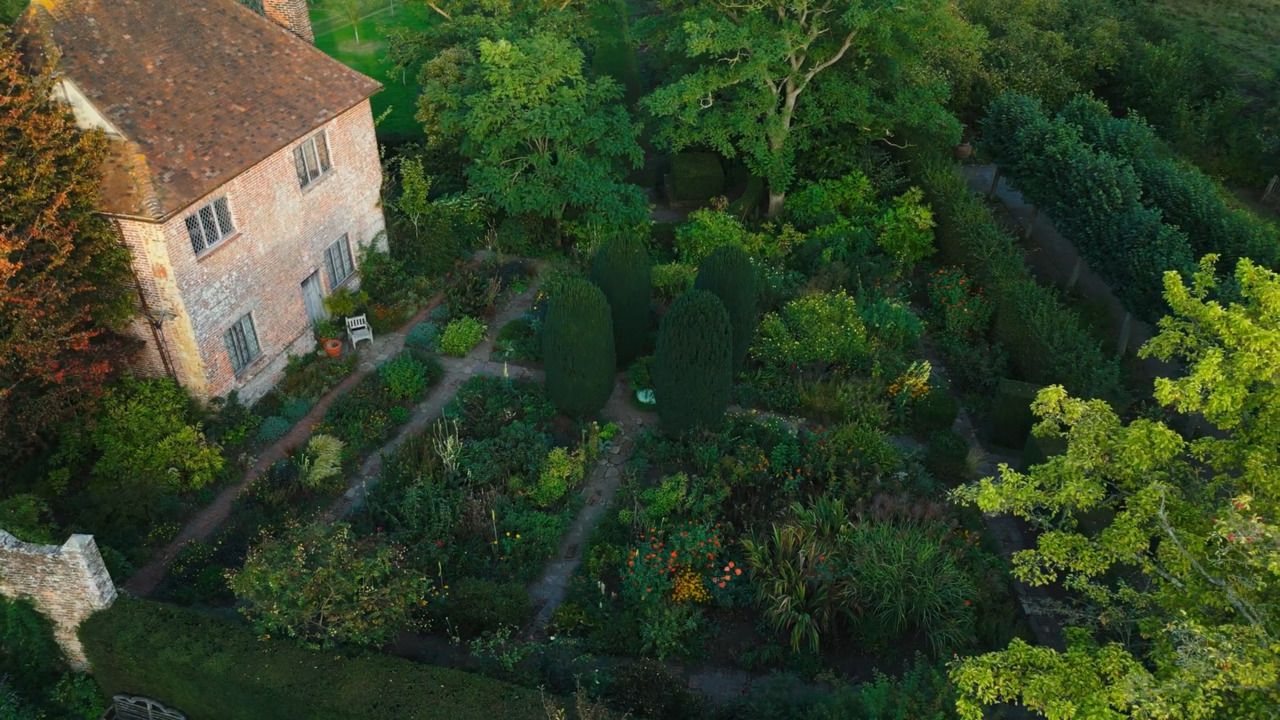
The Art of Gardening at Sissinghurst
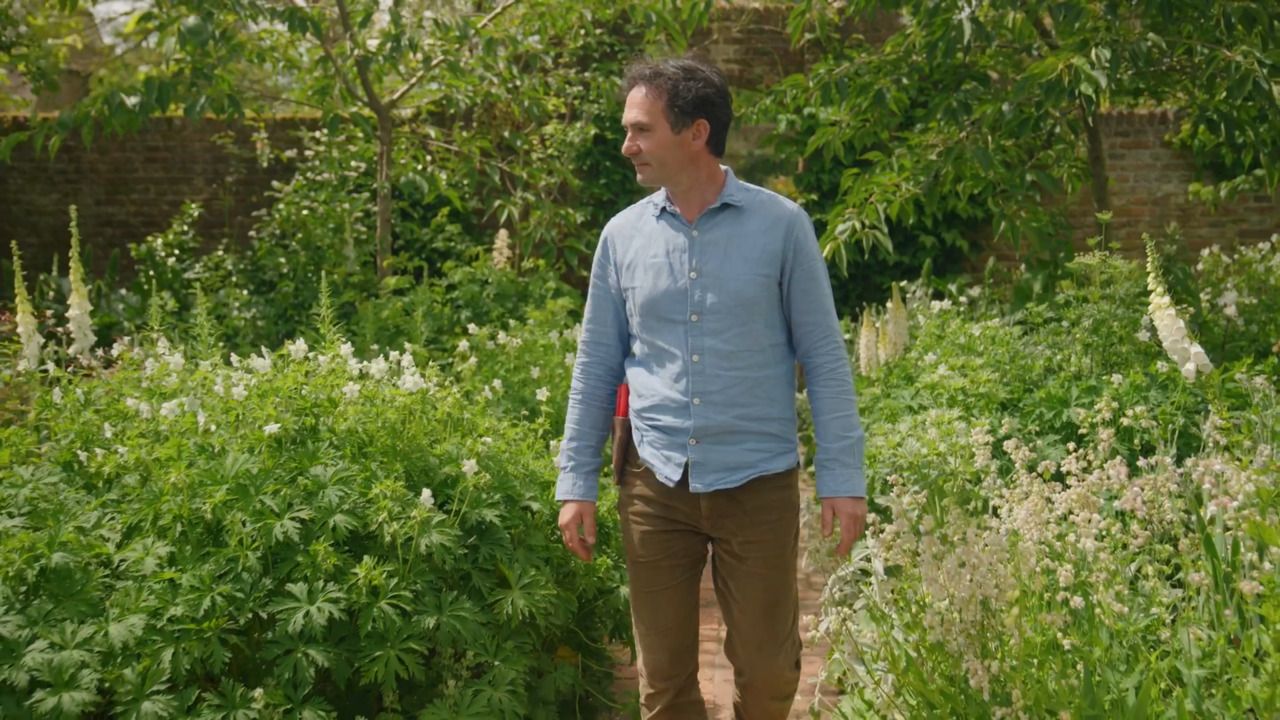
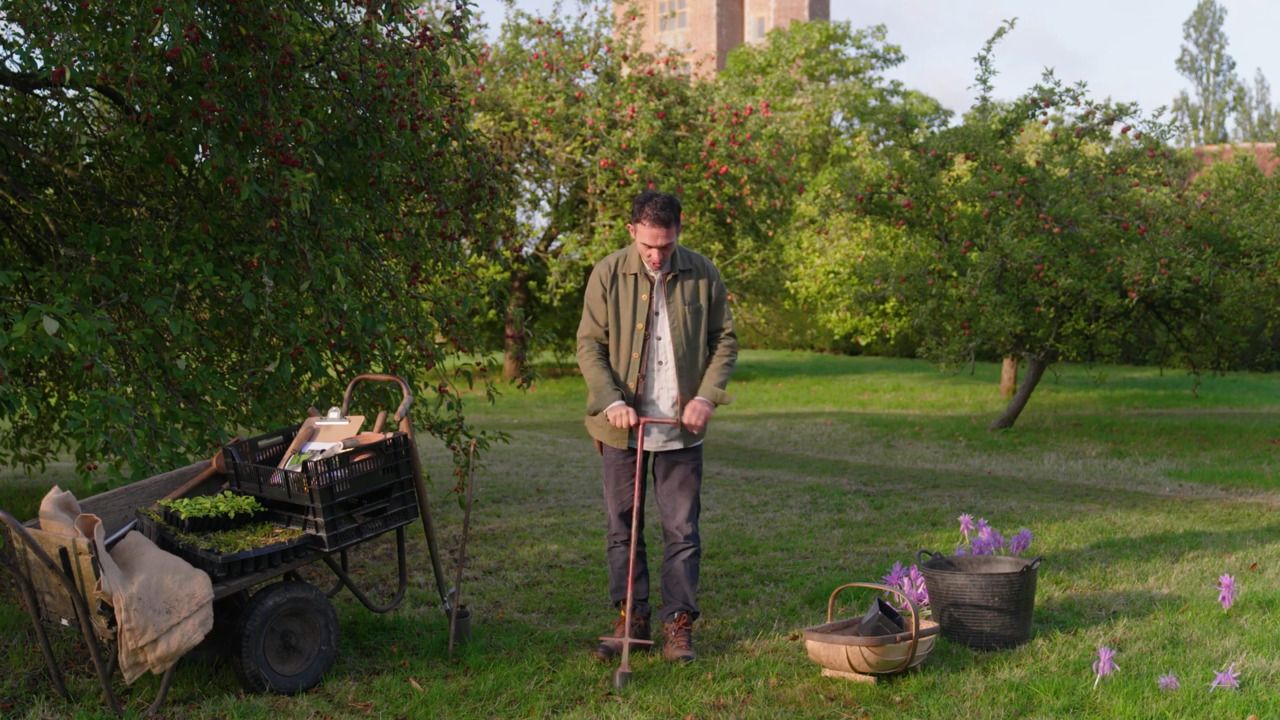
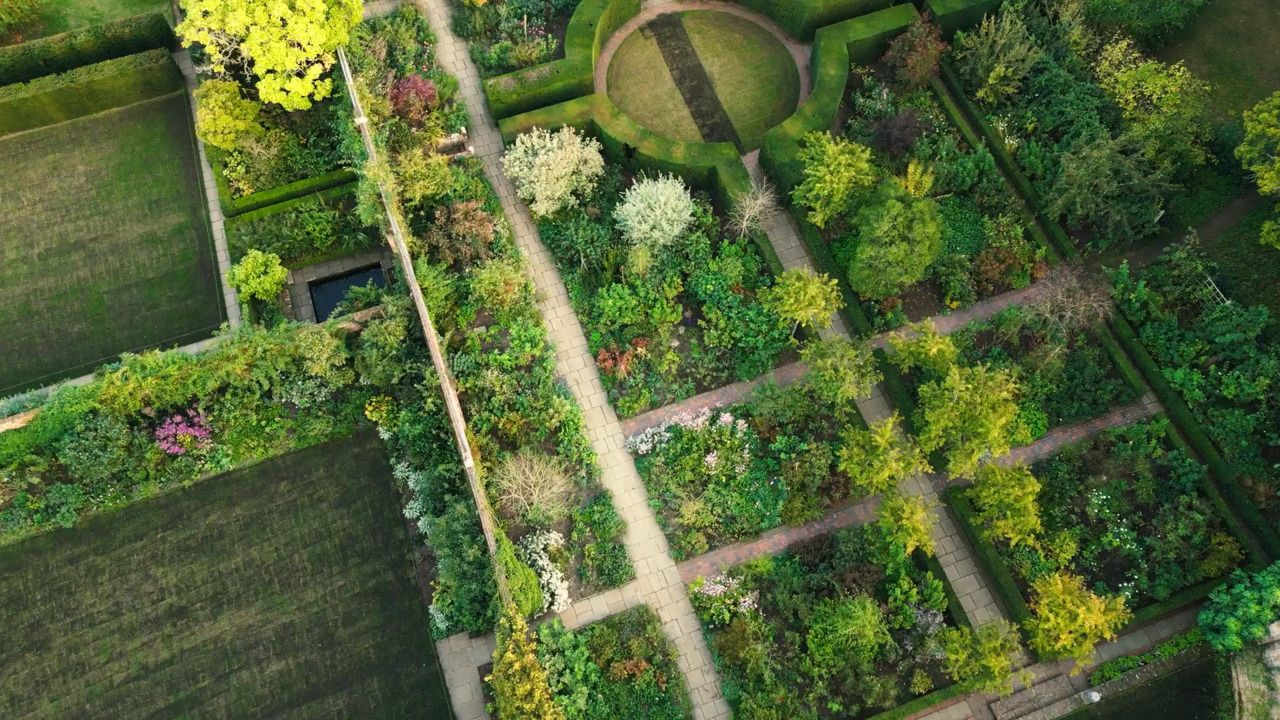
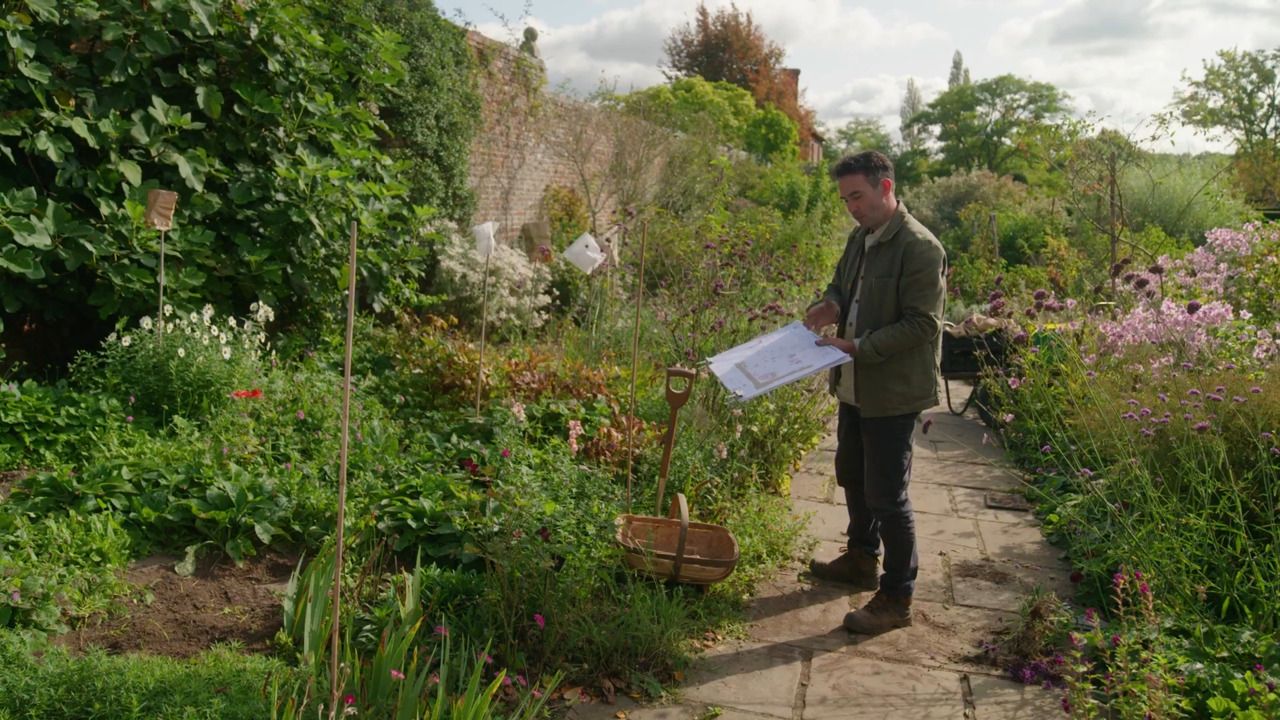
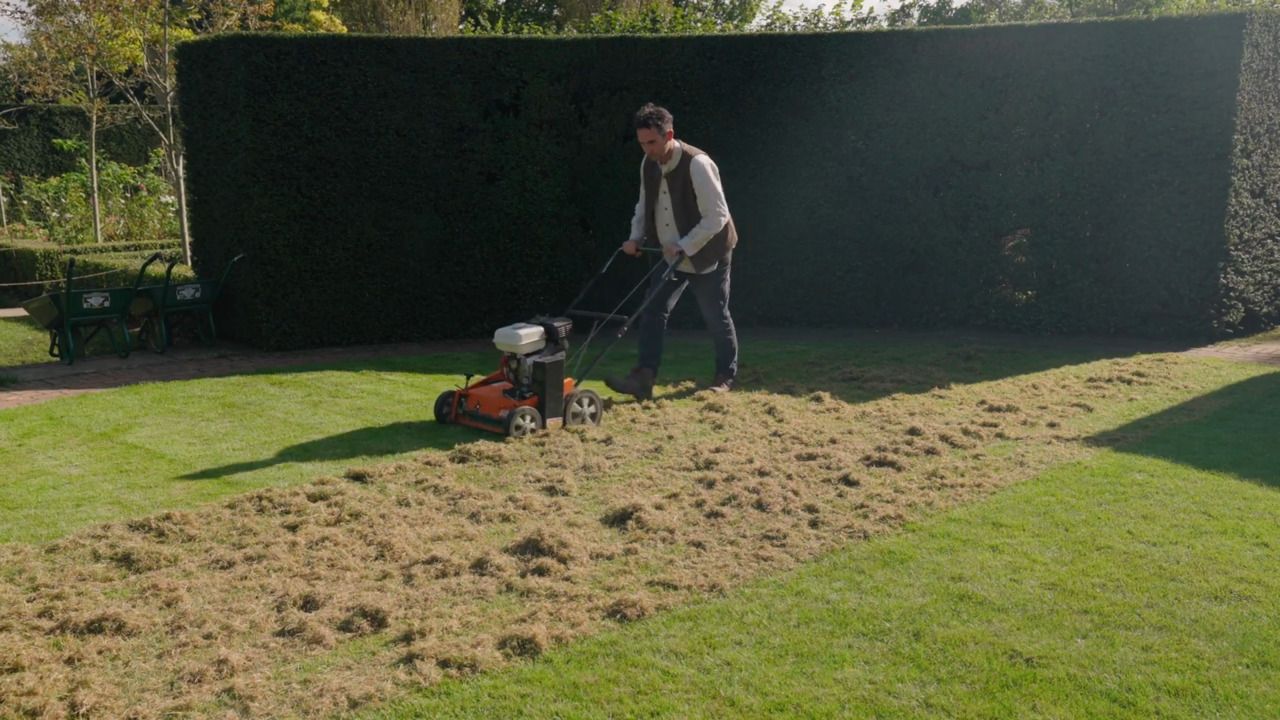
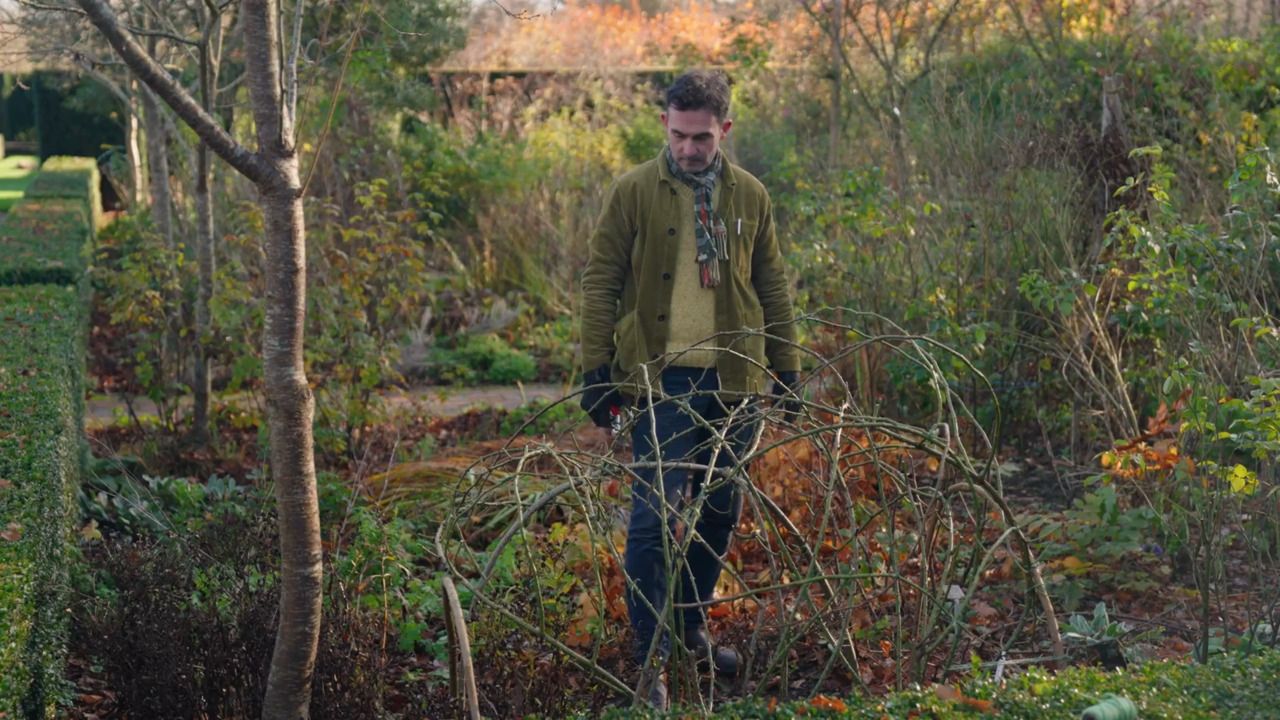
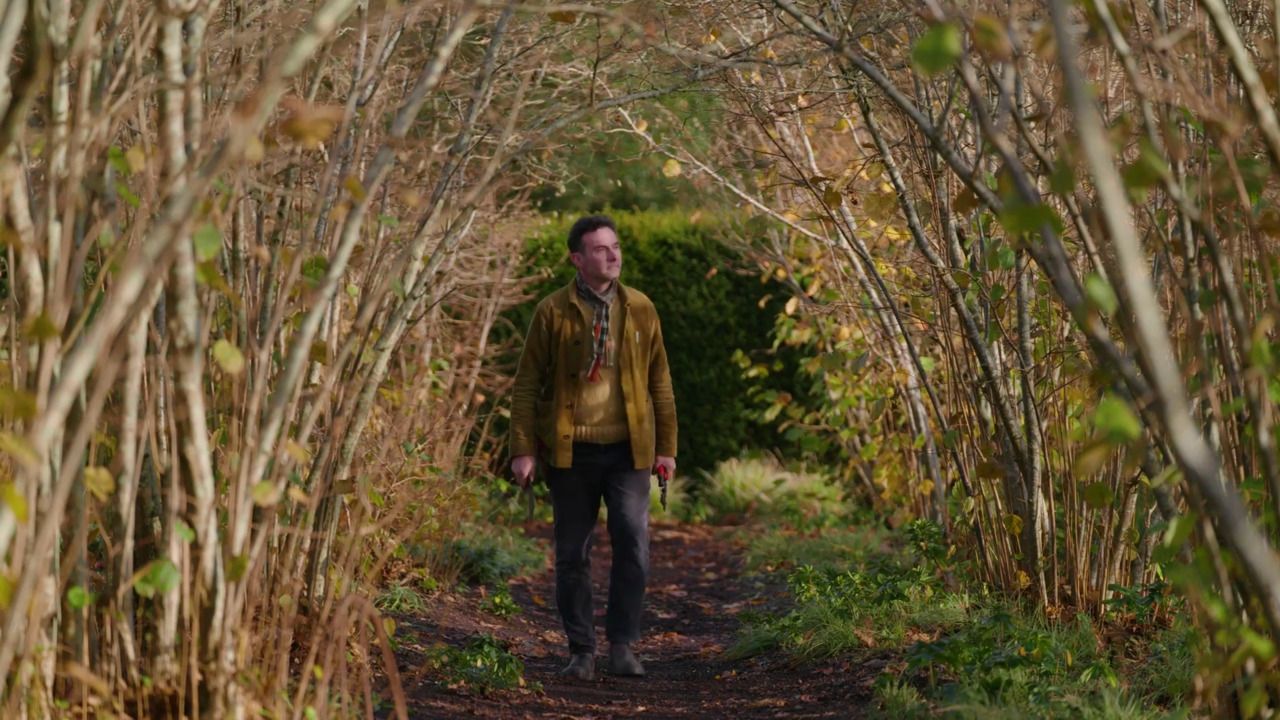
with TROY SCOTT SMITH — Head Gardener at Sissinghurst. Garden Writer, Speaker & Lecturer.
Lesson 24 of 56
Buy or subscribe to watch
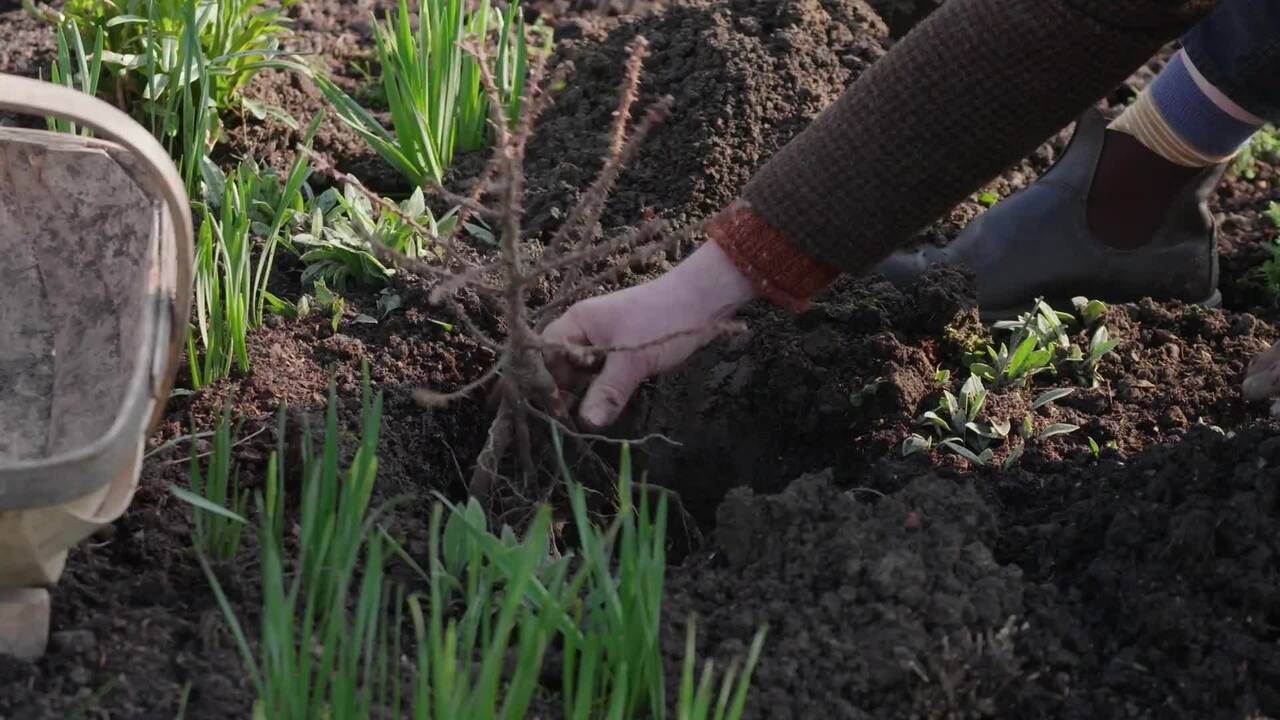
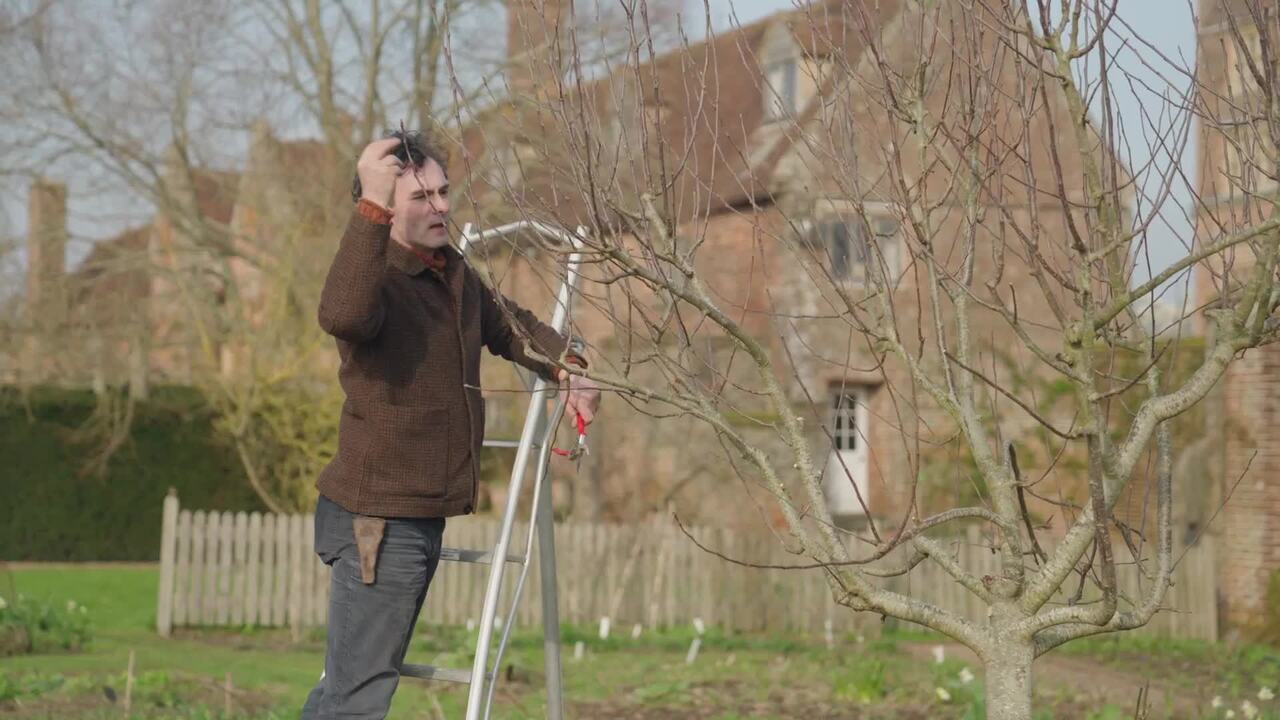
You’ll learn in detail how to harness this essential skill to keep apple and pear trees healthy, productive and in good shape.
Winter pruning of apples and pears can be done between leaf fall (around the end of October) and bud burst (around early March). They can also be pruned in summer, but that's just to shorten vigorous new growth. The purposes of winter pruning are to:
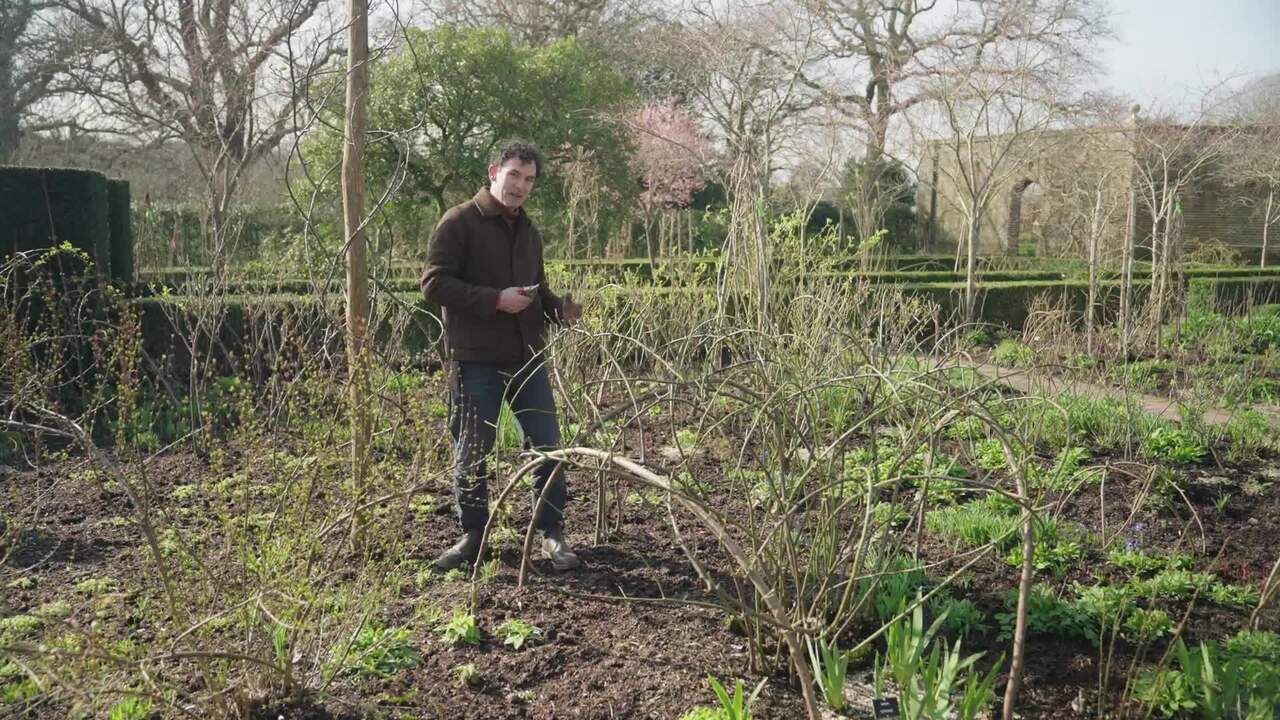
Now in early March, it's our last chance to winter prune apples and pears, and I'm going to show you how to harness this skill to keep your trees healthy and productive.
Winter pruning of apples and pears can be done between leaf fall (around the end of October) and bud burst (around early March). They can also be pruned in summer, but that's just to shorten vigorous new growth. The purposes of winter pruning are to:
Malus domestica cultivars
Apples
Hardy deciduous trees
Rosaceae
Pyrus communis cultivars
Pears
Deciduous trees
Rosaceae
Pyrus communis 'Beurré Hardy'
Pear 'Beurré Hardy'
Hardy deciduous tree
Rosaceae
Canker
A fungal disease causing disfiguring and sunken patches of dead bark on the branches of apple and some other trees. Infections often begin at wounds or buds.
Cordon
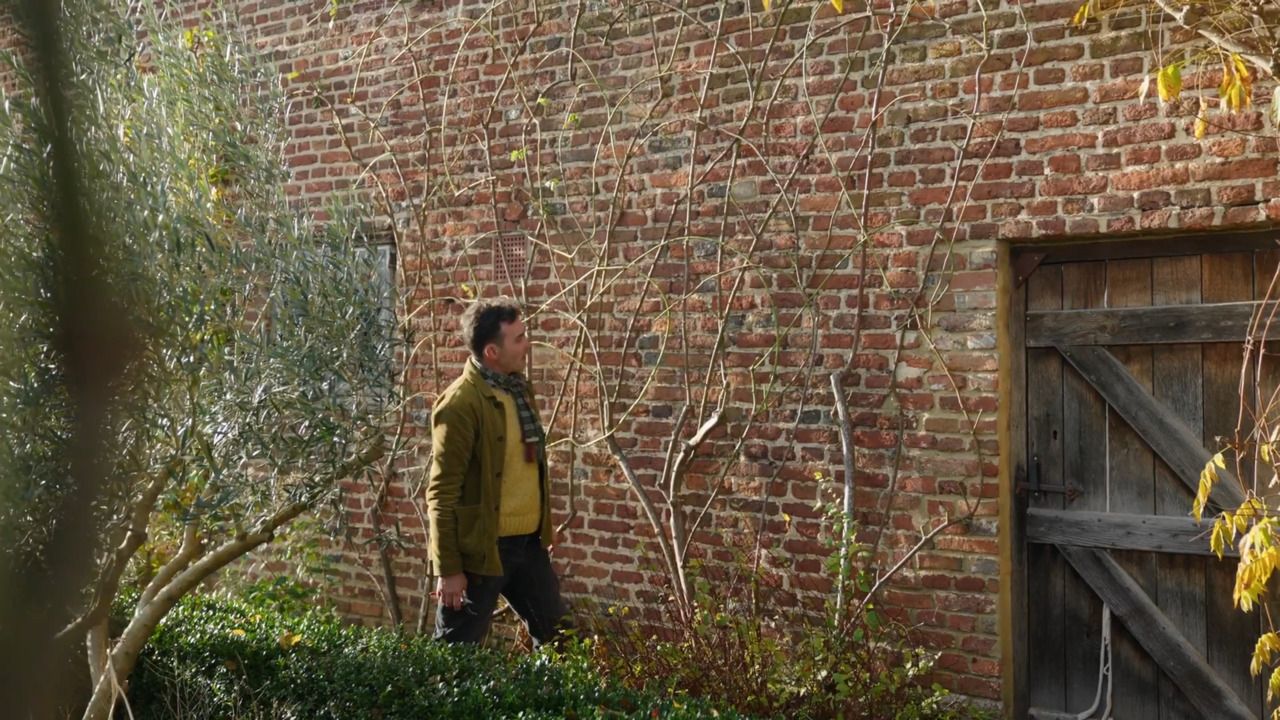
A space-saving way to grow a fruit tree, in which the tree is trained to grow as a single main stem, often on a diagonal against a wall, with very short side branches that bear fruiting spurs.
Espalier
A tree that is trained flat against a support, such as a fence, with a central vertical stem and several tiers of horizontal branches (arms) coming off the main trunk.
Hortisept
A specially formulated horticultural disinfectant that kills bacteria, fungi and viruses while being sensitive to the environment and the user. It is commonly used to disinfect tools while pruning to prevent the spread of disease from one plant to the next.
Jeyes Fluid
A brand of concentrated multi-purpose disinfectant and cleaner for outdoor use.
Maiden whip
A one-year-old tree with a single, straight, unbranched stem.
Spur
A short side shoot, like a compressed stem and usually less than 6 inches long, that produces a tree's fruiting buds.
Spur-bearing
Apple and pear trees that produce fruit buds on two-year-old wood, and fruiting spurs (short, branched shoots) on the older wood. This means fruit is distributed more evenly along the main branches compared to tip-bearing trees and gives the tree a tidy and compact appearance. The majority of cultivars are spur-bearing.
Tip-bearing
Apple and pear trees that produce very few spurs - instead, fruit buds are found at the tips of long shoots produced the previous year. The tree looks less tidy than spur-bearer and the branches look sparse without spurs. Tip-bearers are relatively uncommon.
Get the full workbook, video lessons, and more with a Create Academy subscription.
Subscribe to access the full workbookAlready a member? Sign in to watch
437 reviews
Read moreI have subscribed to access all the courses so have watched one on interior design and this one with Butter Wakefield who specialises in small garden design. She ...
Louise Brown
Apr 10, 2026
I love CreateAcademy. I came in for the gardening and floristry courses, but am also watching an interior design one at present. And the photography course is an ...
Wellesley
Apr 1, 2026
What a great investment, I have learned such a lot from the first three courses. My evenings have gone from not being able to find anything that captured my imagi...
sojojo
Mar 30, 2026
I loved this course with Amanda Lindroth! Her approach to decorating is so relaxed and she makes it feel attainable. She explains the reasons behind her decisions...
Elizabeth
Mar 27, 2026
I have subscribed to access all the courses so have watched one on interior design and this one with Butter Wakefield who specialises in small garden design. She has a lovely personality and comes across as ...
Louise Brown
Apr 10, 2026
I love CreateAcademy. I came in for the gardening and floristry courses, but am also watching an interior design one at present. And the photography course is an absolute must, best I've ever done.
Wellesley
Apr 1, 2026
What a great investment, I have learned such a lot from the first three courses. My evenings have gone from not being able to find anything that captured my imagination on TV to learning and expanding my kno...
sojojo
Mar 30, 2026

Your Instructor
Head Gardener at Sissinghurst. Garden Writer, Speaker & Lecturer.
Troy Scott-Smith, previously head gardener of Iford Manor and Bodnant garden, now oversees the cherished grounds of Sissinghurst - one of the most famous gardens in England and is designated Grade I on Historic England's register of historic parks and gardens. Coming from a family of committed naturalists, Troy is a seasoned horticulturist, writer, designer and consultant, Troy is also a respected member of the RHS Floral Committee. When he set his sights on the head gardener role, he did so with refreshing candour, speaking passionately of the garden’s need for thoughtful evolution. It is a mark of the National Trust’s forward-thinking spirit that they embraced his vision, inviting him to guide this historic landscape into a compelling new chapter.
Access to all courses


