






Interior and exterior confidence
Create Academy has been such a great resource. I'm in the middle of renovating a bungalow with a very large garden and the courses have offered a wealth of inform...
Harvey
Jun 10, 2026
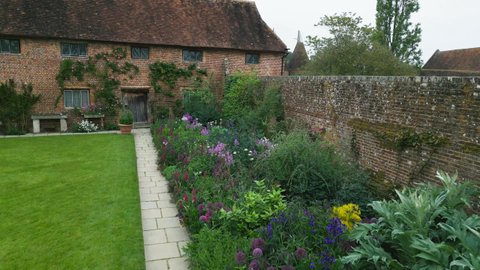
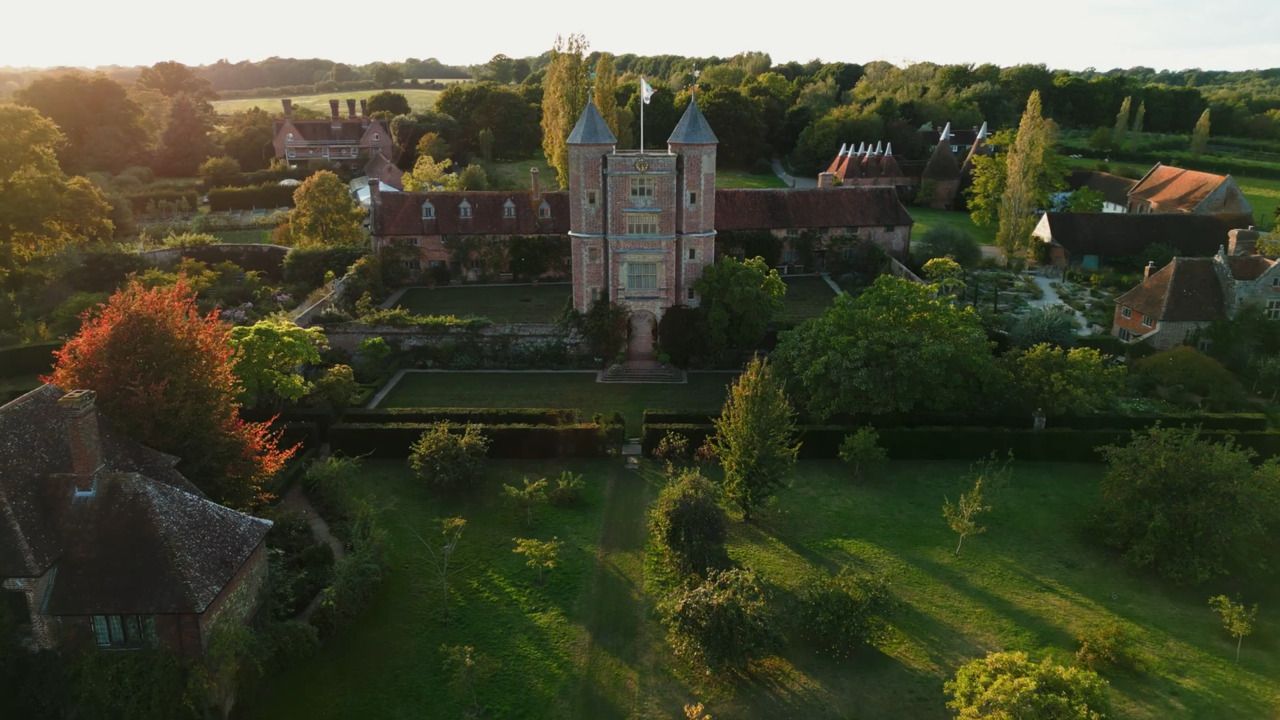
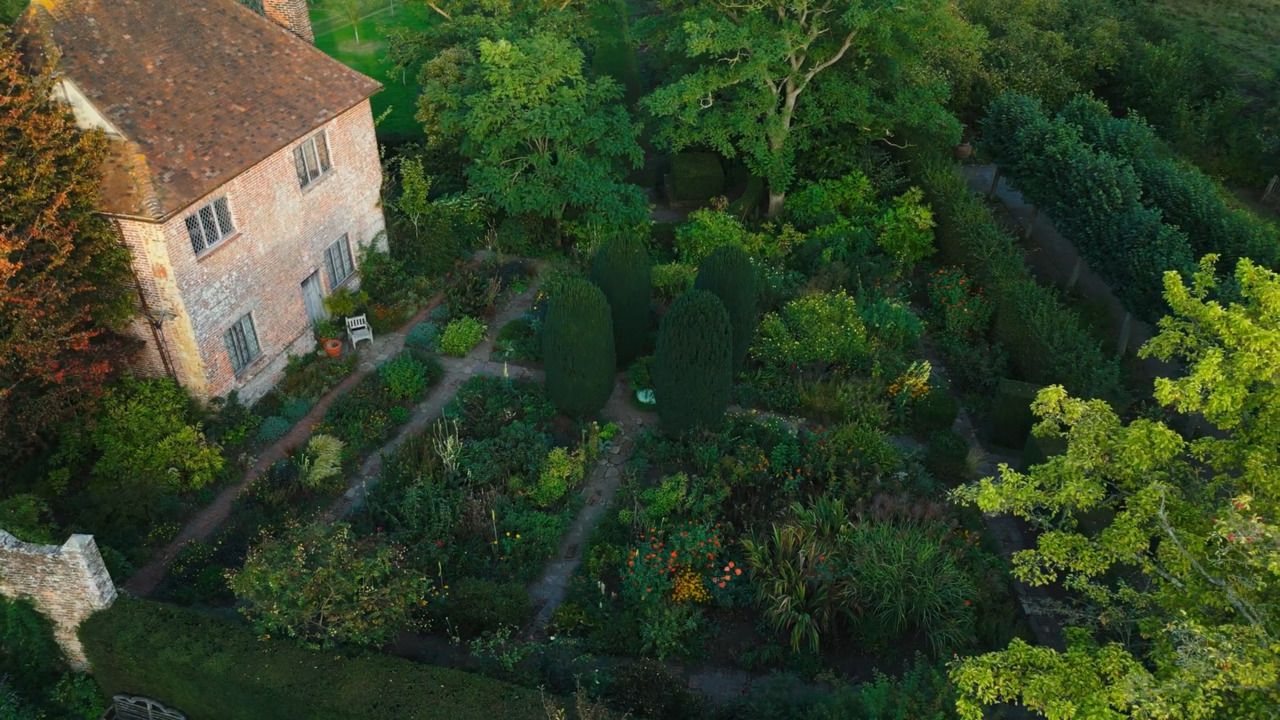
The Art of Gardening at Sissinghurst
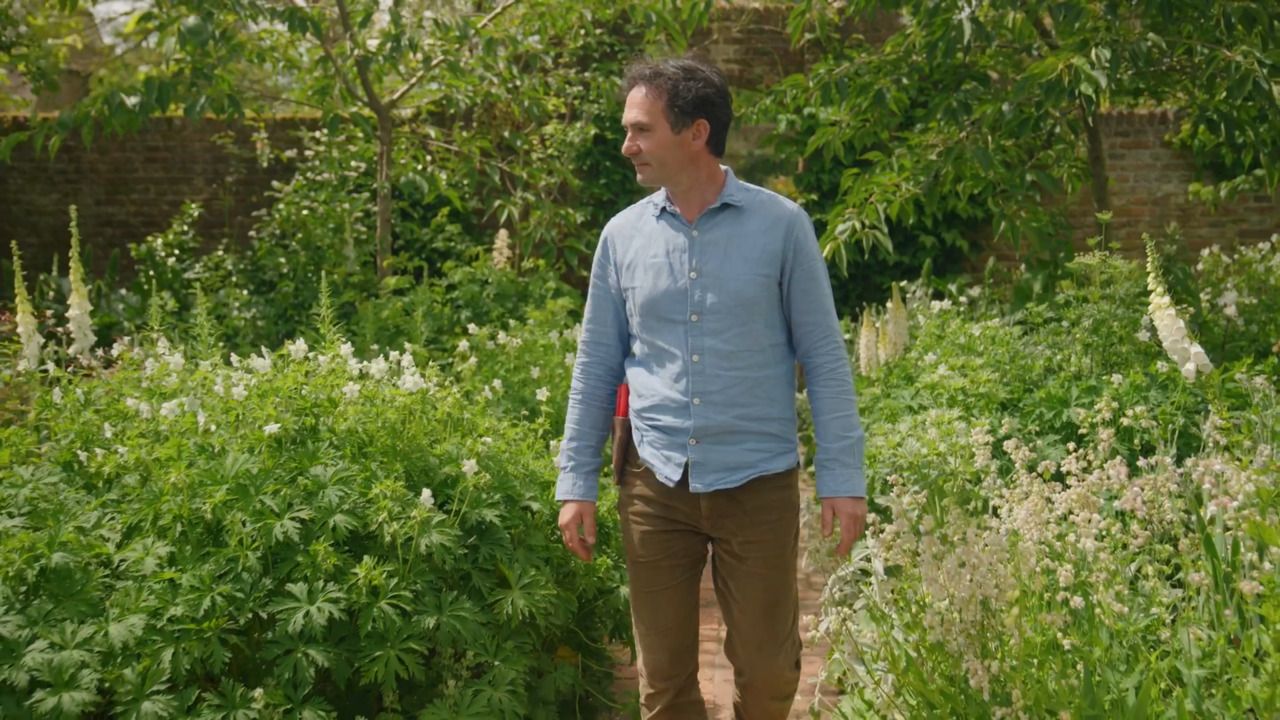
with TROY SCOTT SMITH — Head Gardener at Sissinghurst. Garden Writer, Speaker & Lecturer.
Offering several advantages over pot-grown roses, bare root roses are easy to plant with Troy’s simple tricks to give them the best start.
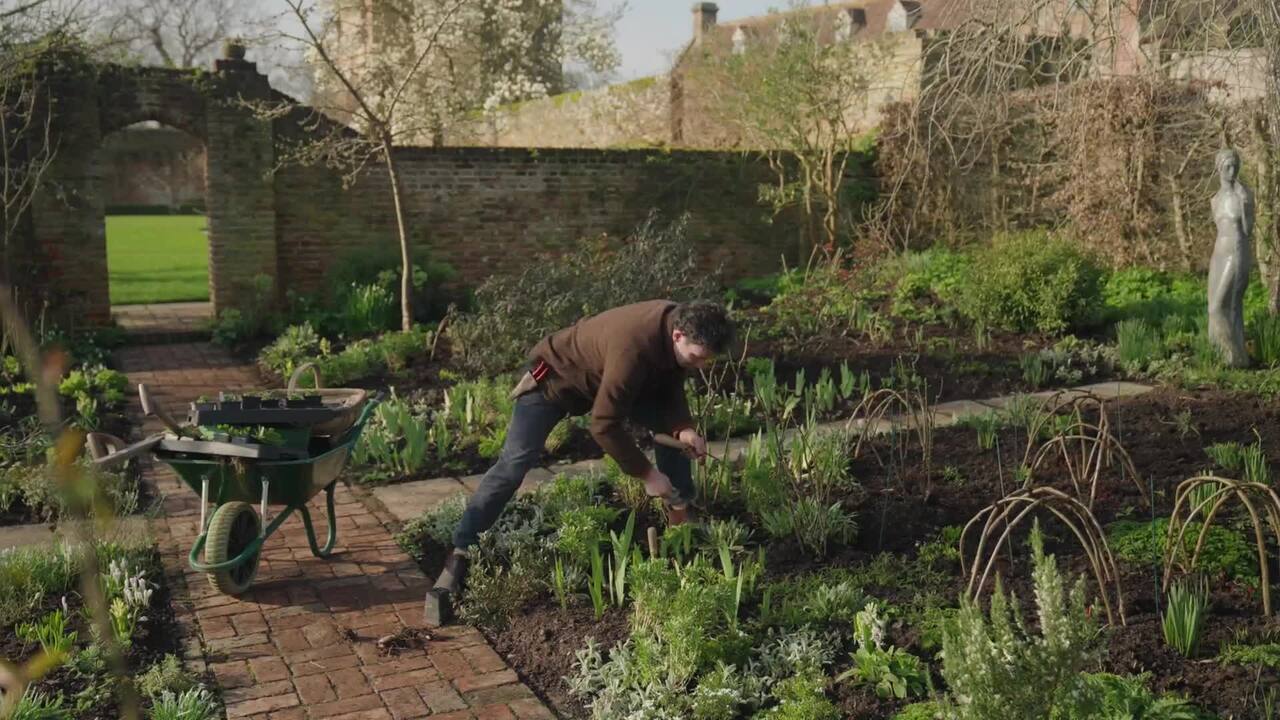
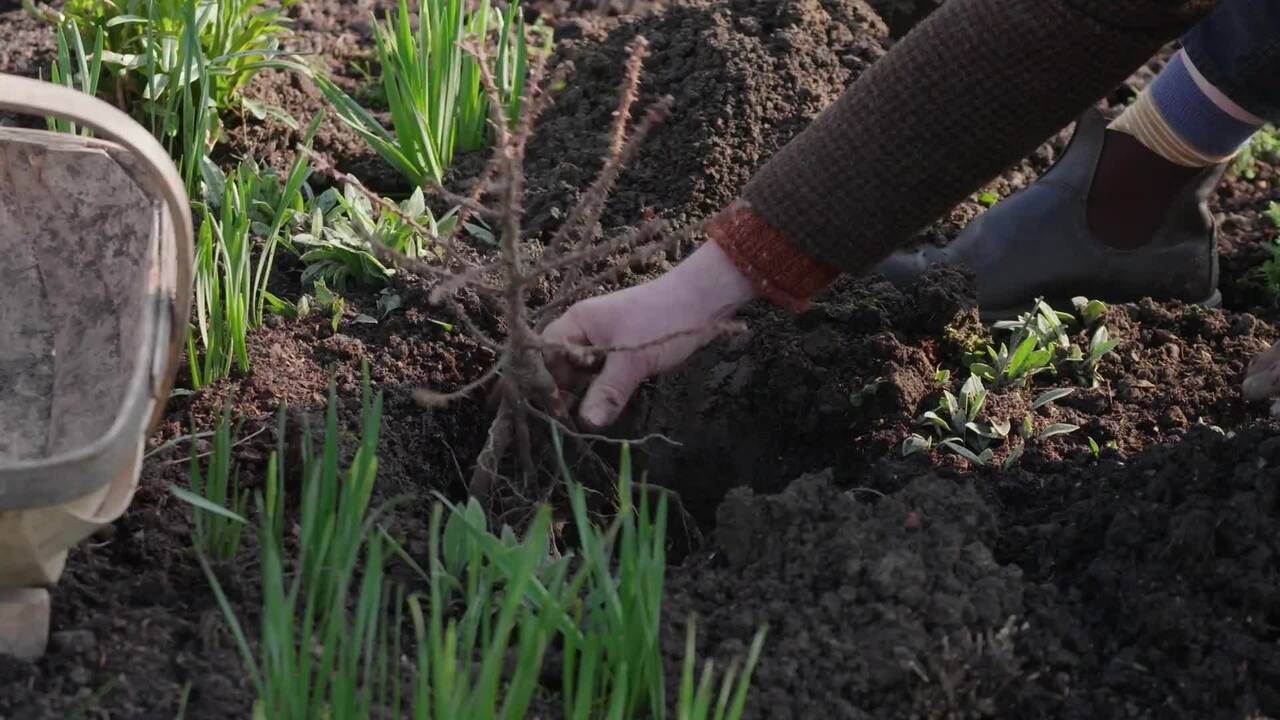
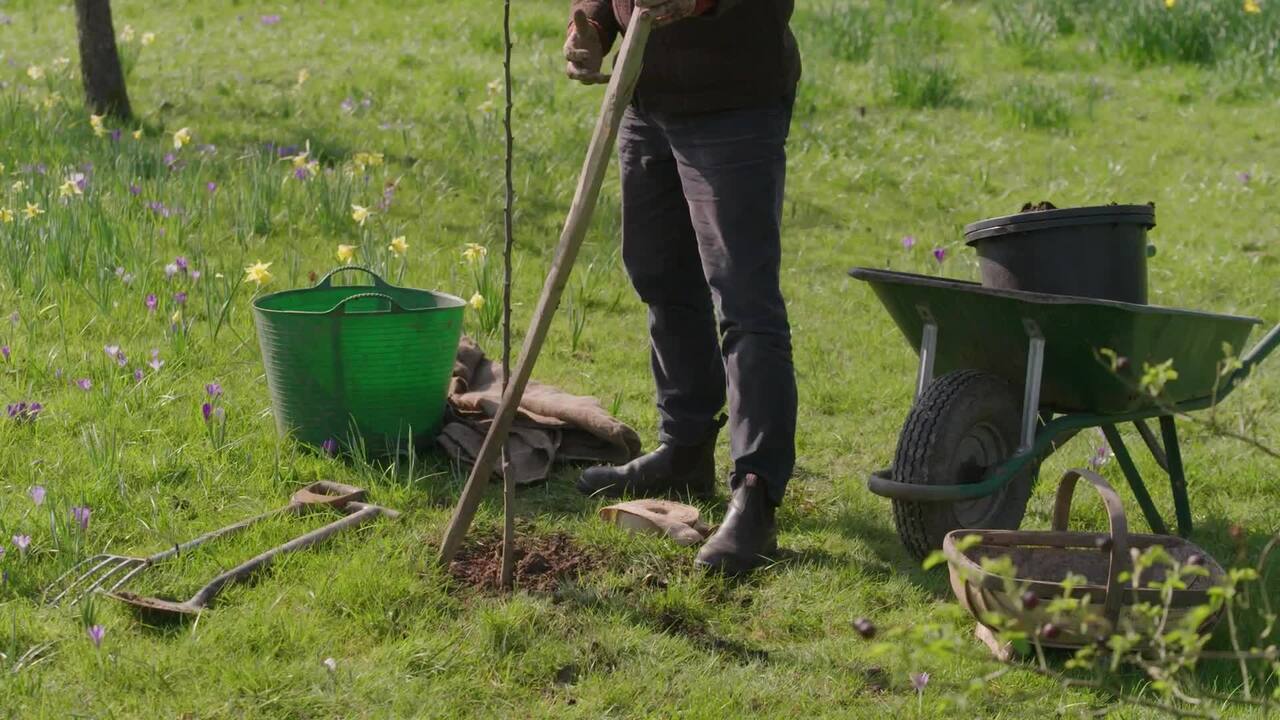
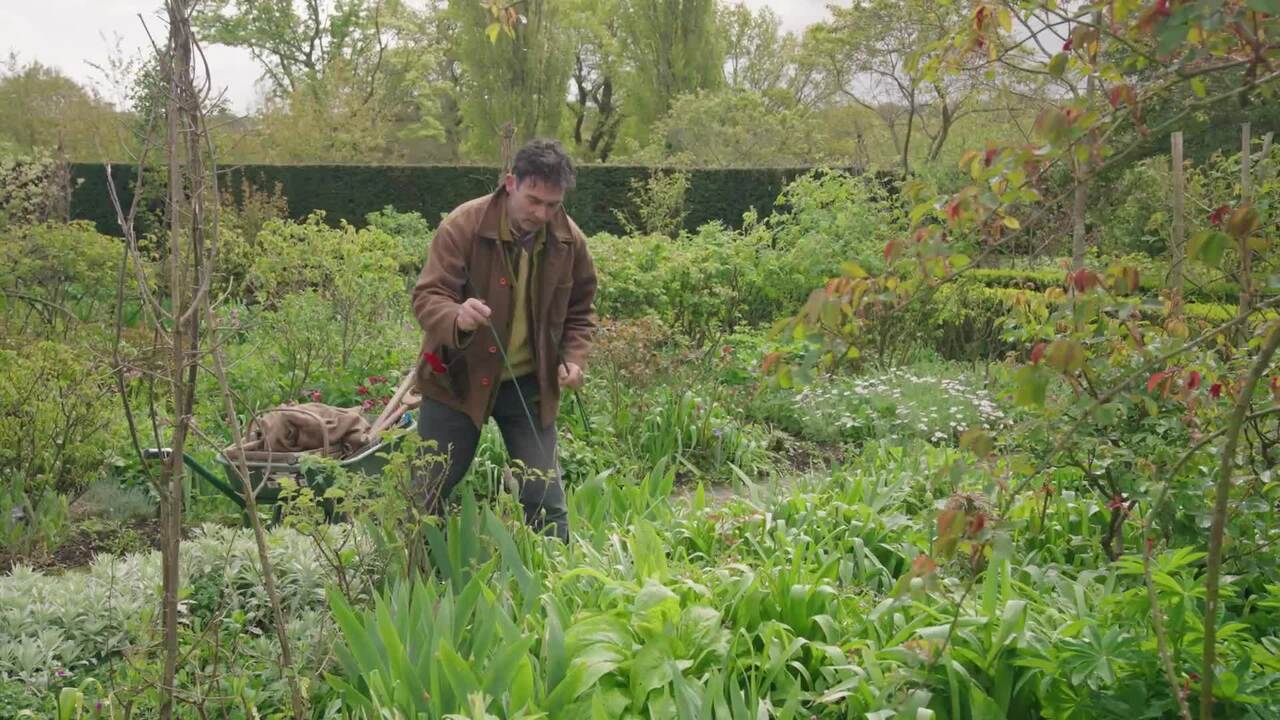
Bare root is the best way to buy roses, and they're easy to plant with a few simple tricks to give them the best start, which we'll cover in this lesson.
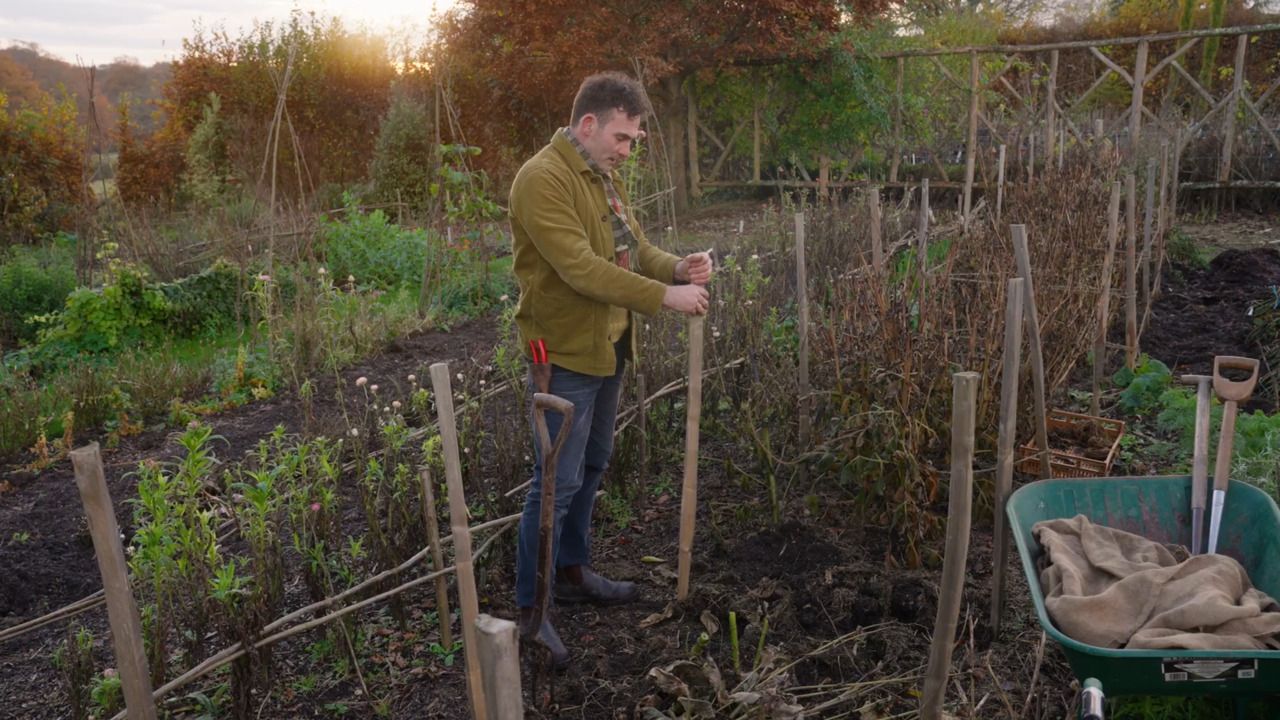
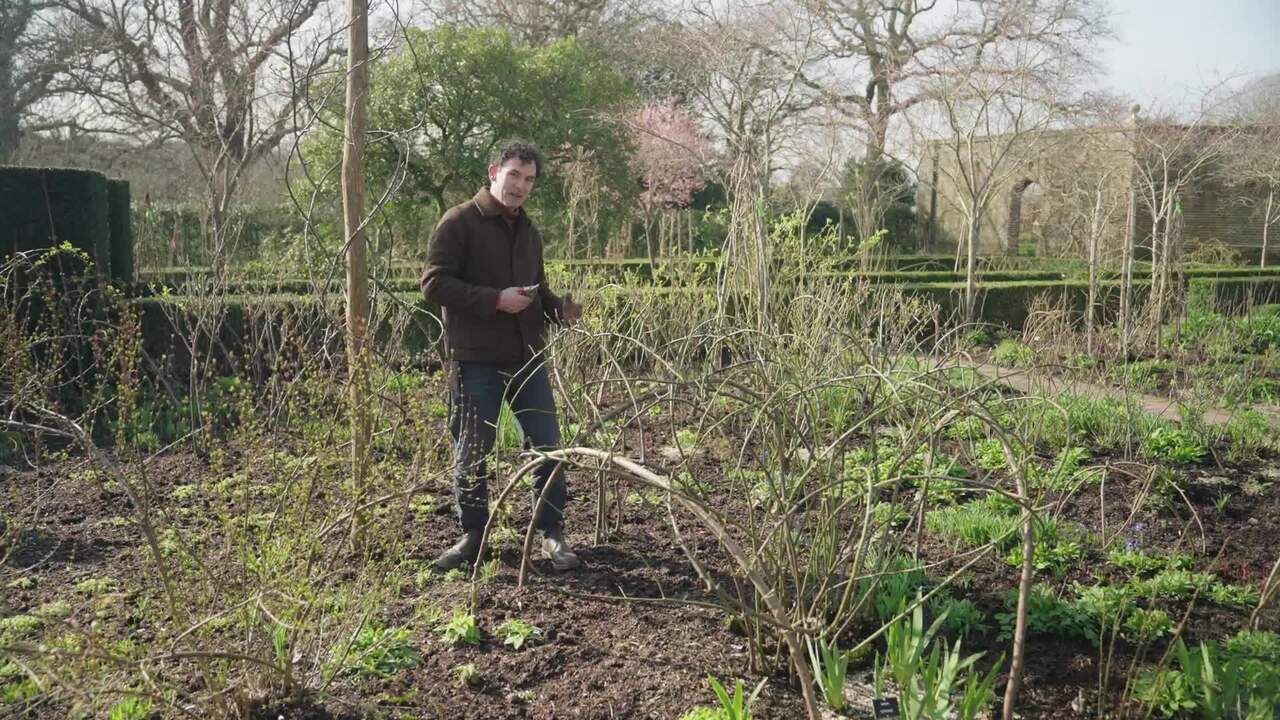
Bare root roses can be bought and planted from November to March. Having cold, wet clay soil, we delay planting until as late as possible - early March.
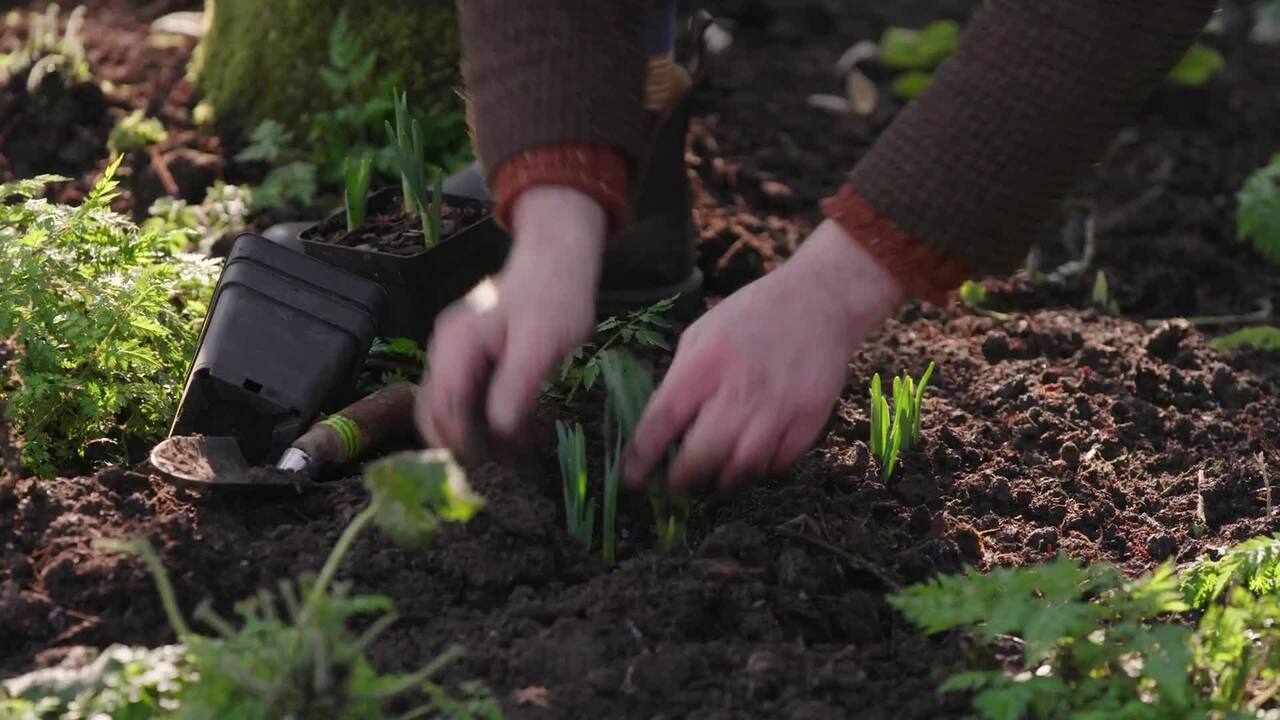
Take your time to plant well, as you only plant once, and if you get it right, the rose will thrive.
I don't add mycorrhizal fungi or fertilisers, knowing that the soil is healthy and naturally contains microorganisms that will help the rose thrive.
Bare root roses are cheaper and establish better, with less maintenance after planting, since they're planted during the dormant period.
Rosa spinosissima 'Double White' double-flowered
Double white Scotch rose
Hardy deciduous shrub
Rosaceae
Heel in
To temporarily plant a plant, especially a bare root tree or shrub, until it can be planted in its ultimate location. Covering the roots with soil protects them from drying out and frost.
Sucker
A non-grafted shoot that grows from the rootstock of a grafted rose plant and has the characteristics of the rootstock rather than being true to the rose you planted.
Mycorrhizal fungi
A network of fungi that live symbiotically (in close physical association) on plant roots and are important for the health of the plant and soil.
Get the full workbook, video lessons, and more with a Create Academy subscription.
Subscribe to access the full workbookAlready a member? Sign in to watch
Sign up or log in to keep watching
By continuing, you agree to our Terms of Use and Privacy Policy.
491 reviews
Read moreCreate Academy has been such a great resource. I'm in the middle of renovating a bungalow with a very large garden and the courses have offered a wealth of inform...
Harvey
Jun 10, 2026
Absolutely love Create Academy! The instructors are extremely informative, and it is beautifully filmed. Create Academy is great value for money and plan on renew...
SG
May 31, 2026
Butter's creativity is stunning! Her ability to incorporate brilliance in small gardens is magical!
Carla
May 30, 2026
The best adventure. I like all the courses, but my favorite are both Rita Konig interior design courses and Anna Jones. Excellent!
Karolina Kluczewska
May 20, 2026
Create Academy has been such a great resource. I'm in the middle of renovating a bungalow with a very large garden and the courses have offered a wealth of information to dive into and explore new ideas. I'm...
Harvey
Jun 10, 2026
Absolutely love Create Academy! The instructors are extremely informative, and it is beautifully filmed. Create Academy is great value for money and plan on renewing my subscription yearly because there are ...
SG
May 31, 2026
Butter's creativity is stunning! Her ability to incorporate brilliance in small gardens is magical!
Carla
May 30, 2026

Your Instructor
Head Gardener at Sissinghurst. Garden Writer, Speaker & Lecturer.
Troy Scott-Smith, previously head gardener of Iford Manor and Bodnant garden, now oversees the cherished grounds of Sissinghurst - one of the most famous gardens in England and is designated Grade I on Historic England's register of historic parks and gardens. Coming from a family of committed naturalists, Troy is a seasoned horticulturist, writer, designer and consultant, Troy is also a respected member of the RHS Floral Committee. When he set his sights on the head gardener role, he did so with refreshing candour, speaking passionately of the garden’s need for thoughtful evolution. It is a mark of the National Trust’s forward-thinking spirit that they embraced his vision, inviting him to guide this historic landscape into a compelling new chapter.

Access to all courses


