




Very good tutorial from a professional garden...
I have subscribed to access all the courses so have watched one on interior design and this one with Butter Wakefield who specialises in small garden design. She ...
Louise Brown
Apr 10, 2026
The Art of Gardening at Sissinghurst
with TROY SCOTT SMITH — Head Gardener at Sissinghurst. Garden Writer, Speaker & Lecturer.
Lesson 10 of 56
Buy or subscribe to watch
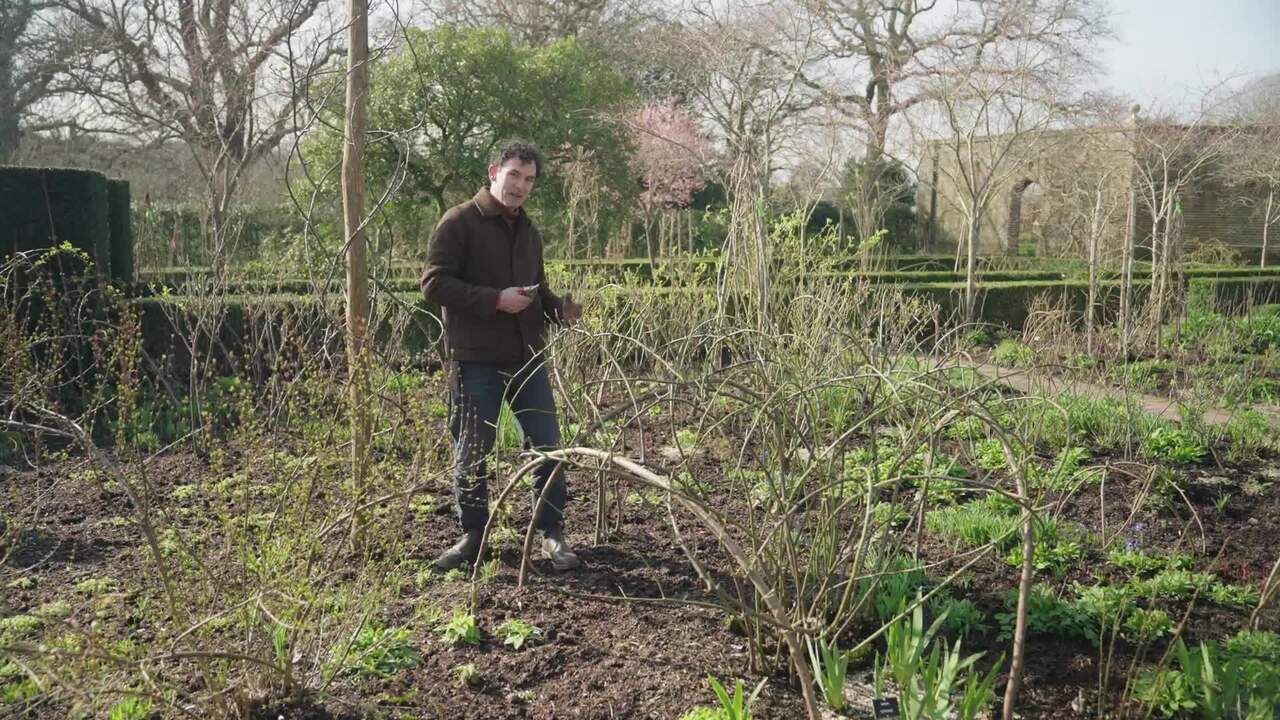
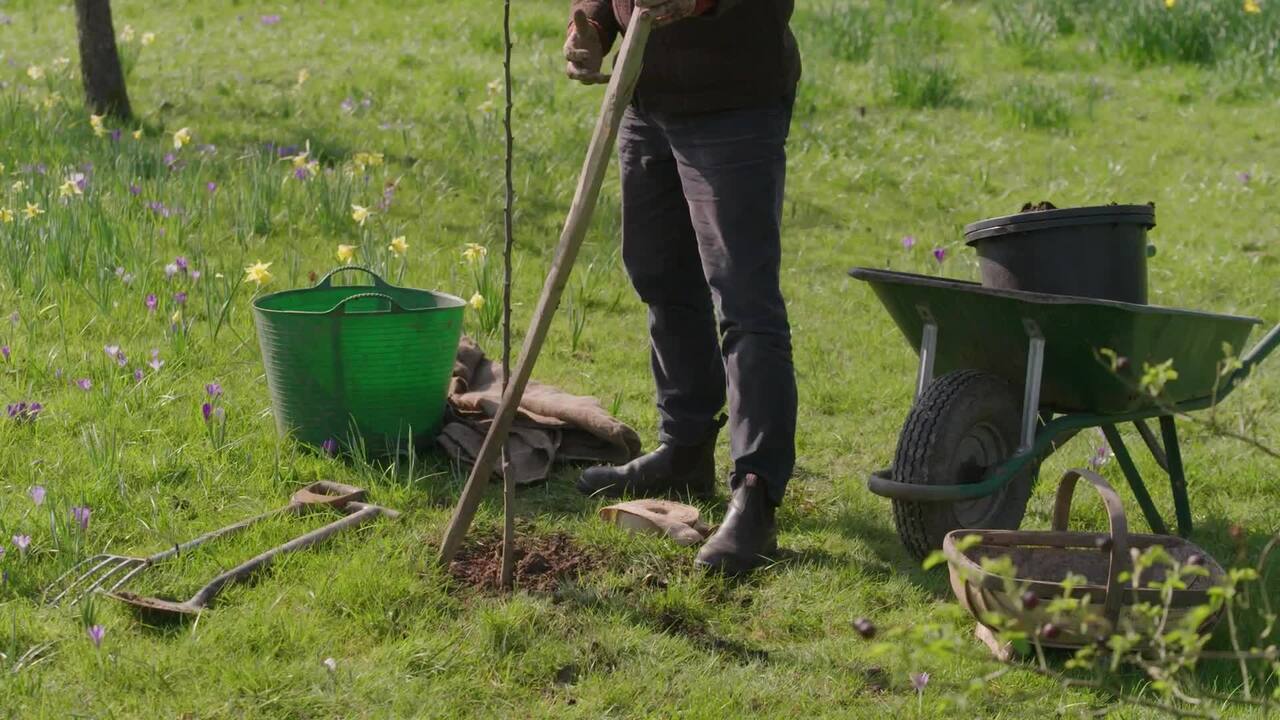
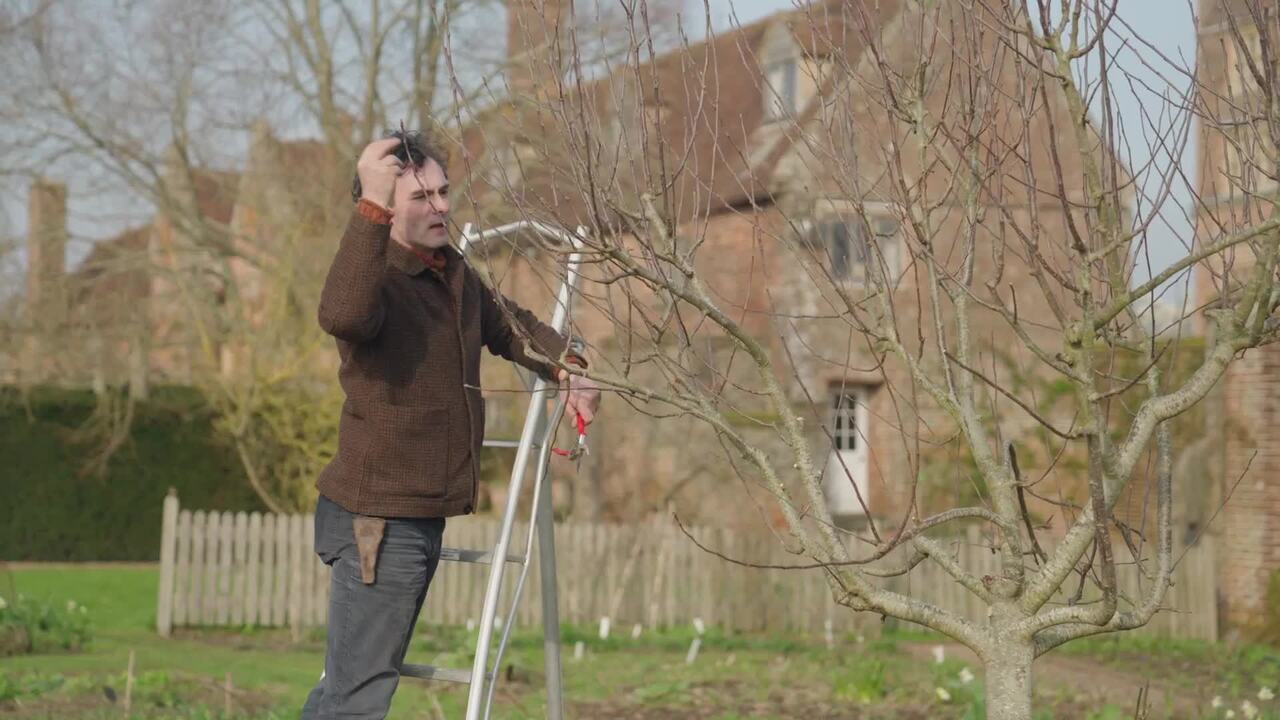
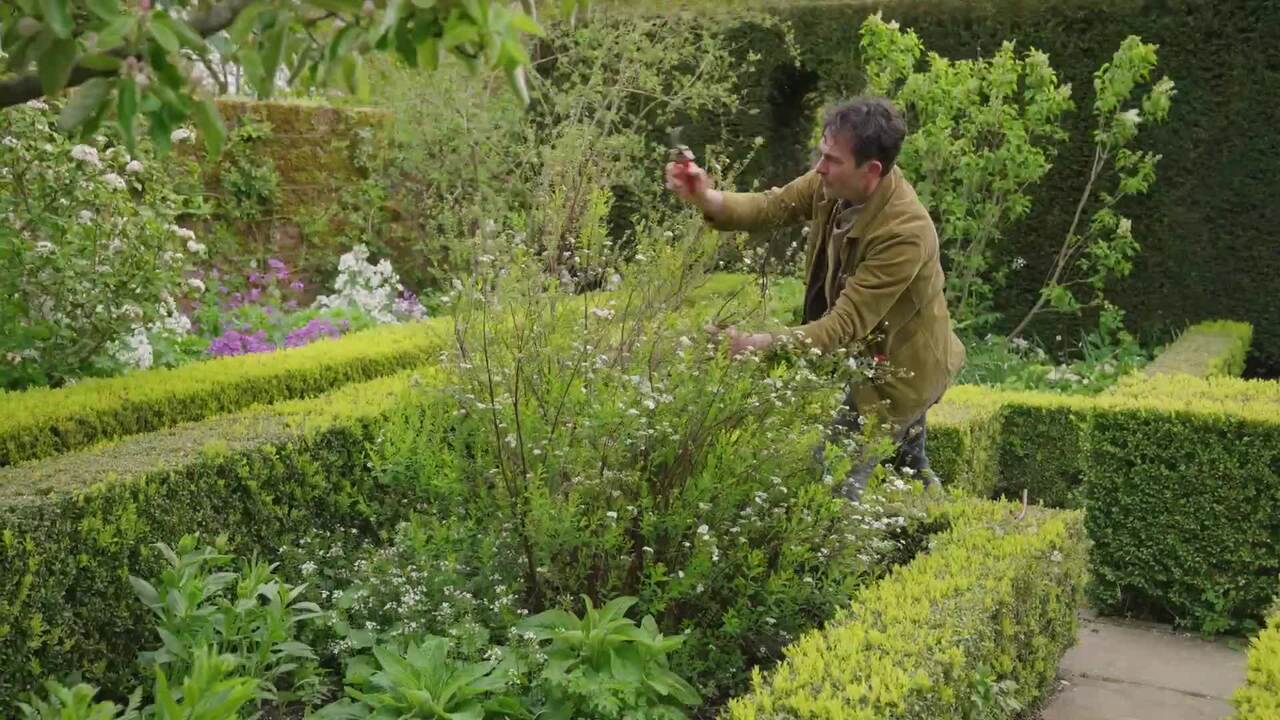
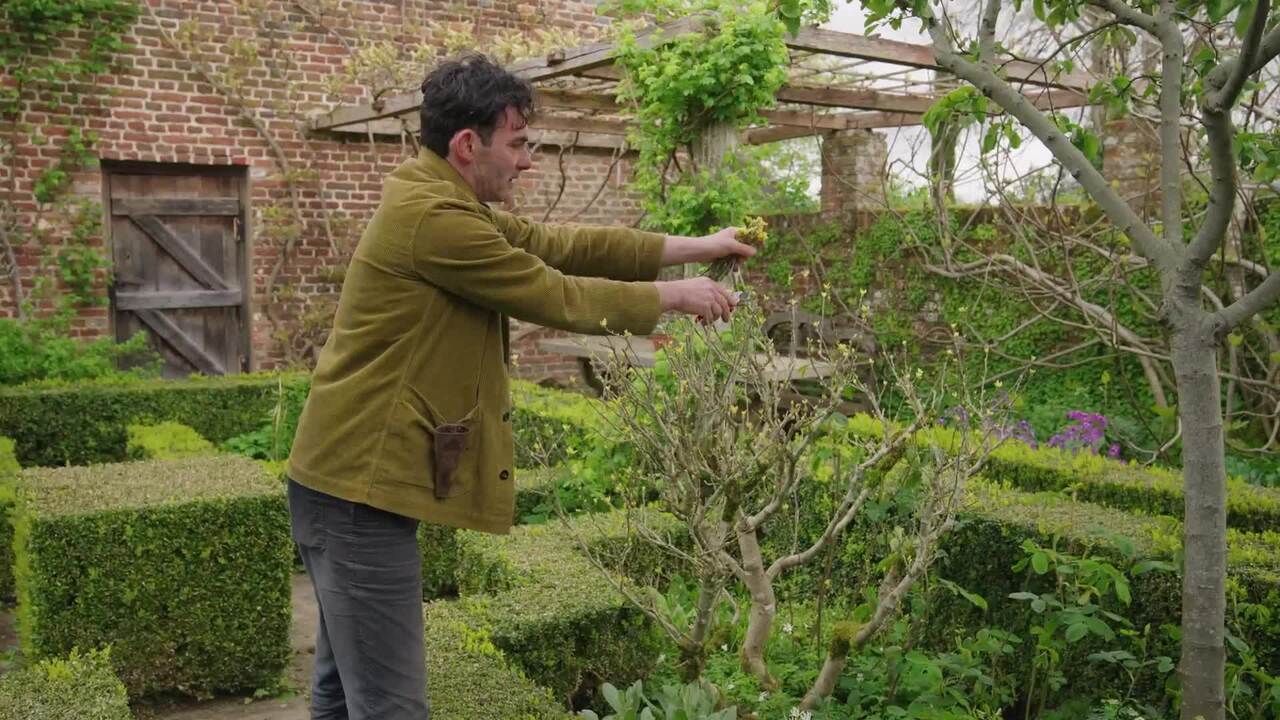
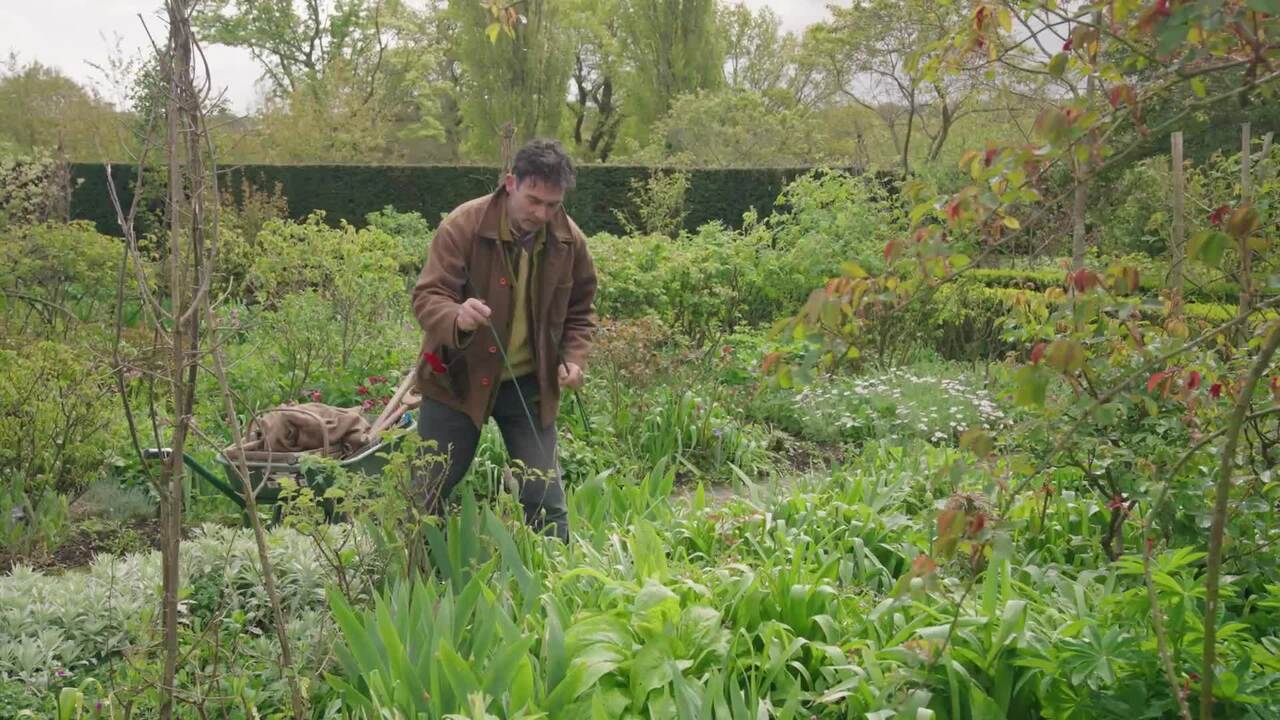
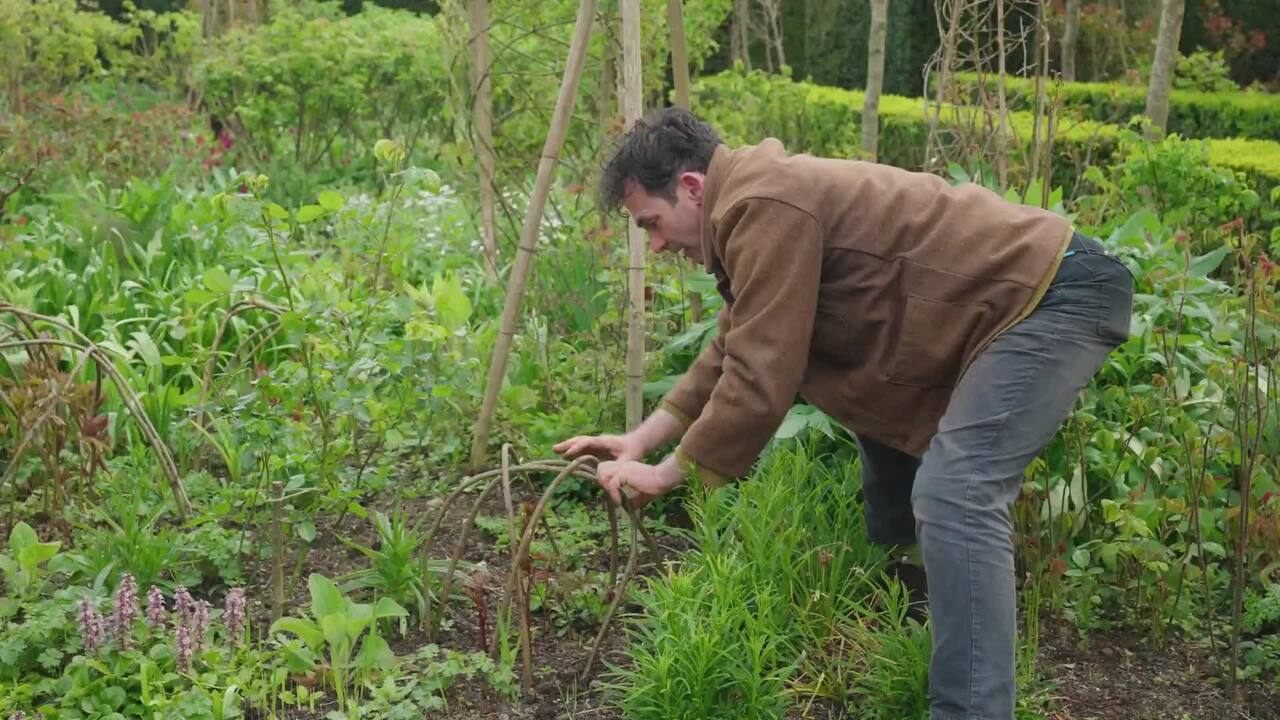
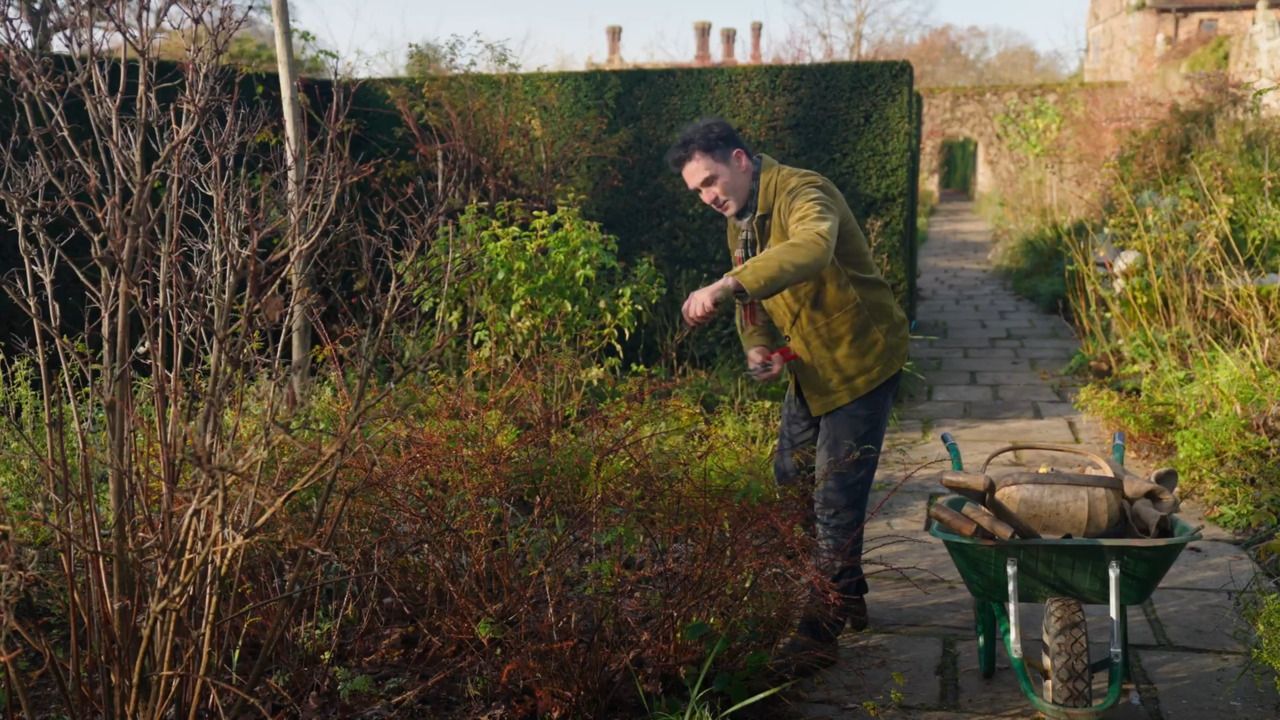
We learn how and why to take rose cuttings, how to keep roses healthy in a sustainable way, and why Scotch roses can be such a valuable addition to a garden.
Almost all of our roses now are grafted onto a different root.
• This means the nursery can 'bud' (bud graft) just a tiny section of the desired rose onto the roots of a more vigorous rose, usually Rosa laxa, though it used to be Rosa canina. This way they can make lots of plants from one stem.
Suckers are strong stems that come up from the very base of the plant, below the knuckle-like grafting join, and are different to the main rose, as they're the rootstock species.
• If you find suckers, prune them down as low as possible - preferably under the soil.
• Otherwise, the sucker will be stronger than the rose on top, and eventually, your rose will be outcompeted and die.
I'm not convinced that grafted roses give an advantage to gardeners any more, because with the changing climate, I'm not sure Rosa laxa is so suitable for our drier summers, and I'm seeing dieback on the roses.
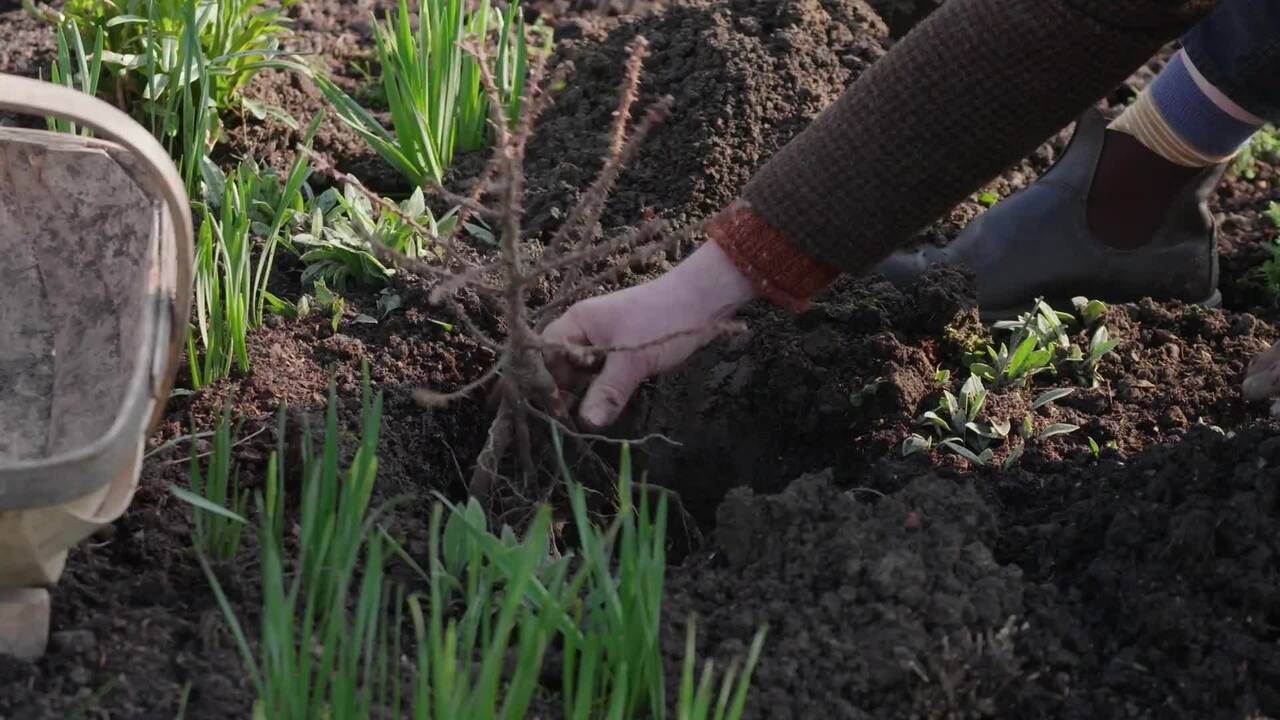
• Now we propagate our own roses from cuttings.
• I feel we need to move away from roses on rootstocks and towards taking our own cuttings.
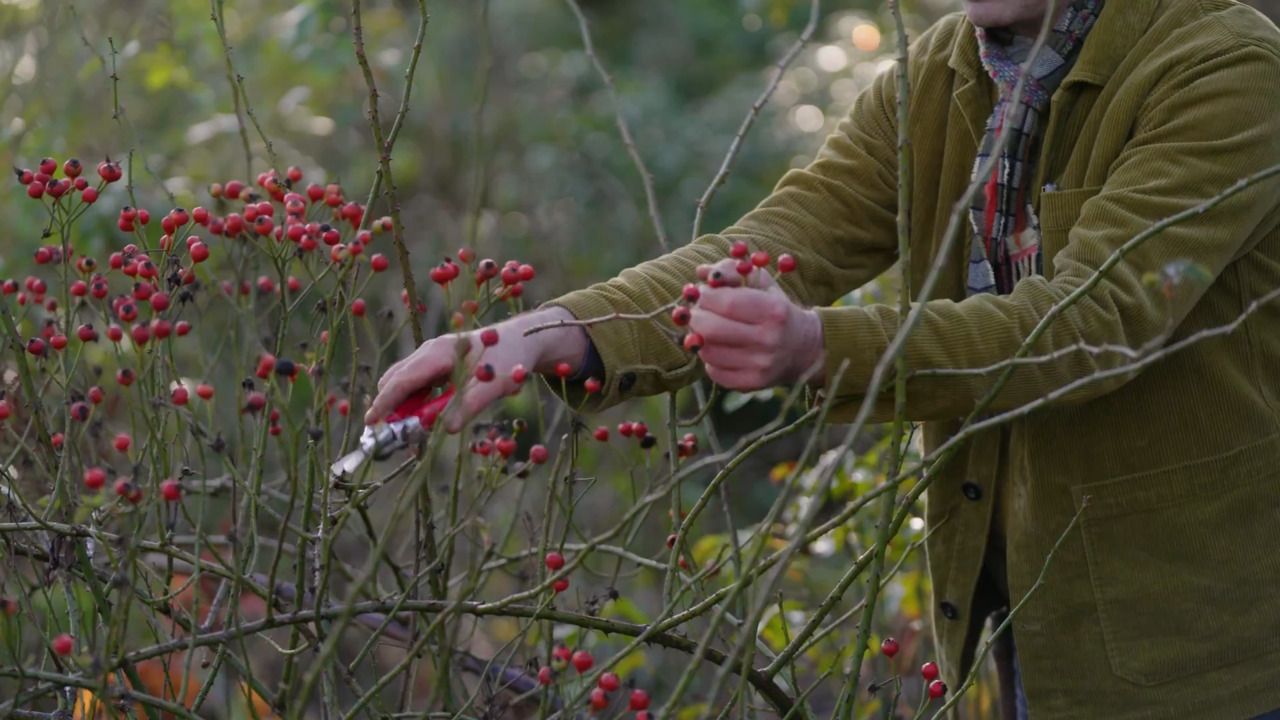
November is a great time to take hardwood cuttings, so now you've pruned the rose and produced lots of material, it's the perfect time.
• If you can bend it easily it's too soft - take off the end until where it's relatively firm and pencil thickness.
• It becomes hard to tell which end of the stem is which when it's been cut and there are no leaves, so the slanting cut tells you which end is the top, so you plant it the right way up.
• Also, as when pruning, the slant will stop excess moisture collecting and rotting the bud.
• They'll take about a year to root, and then you'll have a plant ready to use in the garden in 18 months to two years.
Though it's not a quick process, cuttings are a great way to get lots of roses for free. Being a rose growing on its own roots, I suspect they might also be more resilient in a changing climate.
• Once I've finished pruning, I sterilise my secateurs before moving to the next plant to prevent transfer of diseases.
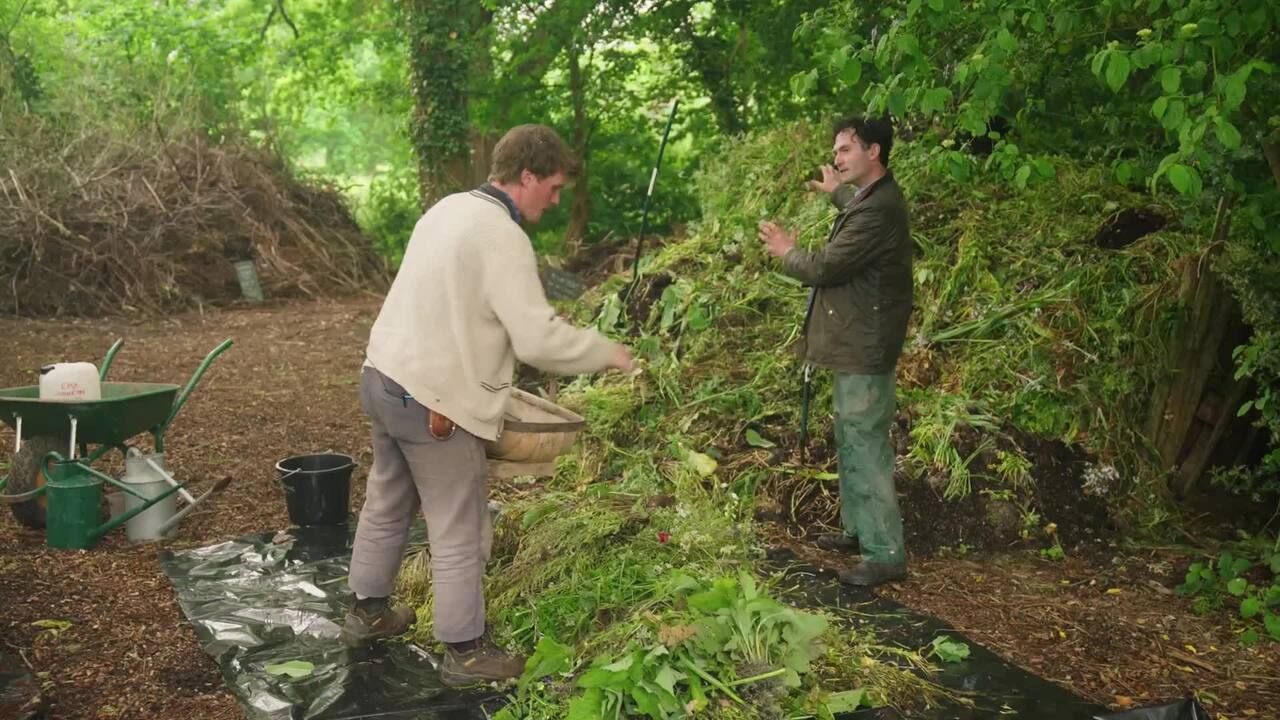
• We're now able to compost all our rose material, even if it's infected, as our compost heaps reach a high temperature.
• If you can't guarantee your compost is reaching a certain temperature, I'd suggest burning your rose prunings or disposing of them in a different way rather than composting them.
• Remember rose leaves that have dropped to the ground - gather these up to dispose of.
• Mulching now will seal in any blackspot or rust so it doesn't reinfect the rose. So prune, clear away the fallen leaves, and then apply a 5cm layer of mulch such as homemade compost, mushroom compost, strulch or other organic mulch.
Since we've moved to a much more organic approach, we don't spray any fungicides and pesticides. We only use a combination of five essential oils - including clove, winter or summer savoury, sweet orange, tea tree and thyme.
We spray this cocktail of essential oils on our roses - it smells fantastic but helps the rose be strong and healthy, and also to discourage any pests and diseases.
• The old roses are most prone to diseases (rust, black spot, mildew) and pests (rose leaf curling sawfly, aphids); newer varieties are less susceptible.
• Even our old roses haven't really suffered and are no worse now than when we used to use synthetic fungicides and pesticides.
• I'm a strong advocate for moving to a more organic approach, and it's something we feel better about as well as the rose.
How to make:
Rose pruning is quite a slow and reflective form of gardening, so it gives you a chance to think about the space while absorbed in the task and the place.
• I think about the roses and whether they're still the right roses in these spaces, and whether I might want to replace them in a few years with something else.
• I think about the other plants around the roses in spring and summer, and what I might want to propagate or sow to add to these spaces.
Rosa spinosissima, or "spinosissimas", are a wonderful group of roses to introduce to your garden if you don't have them already. For me, out of our 300 roses, this Scotch rose called 'Dunwich Rose' was the star of the show this year, covered in creamy white flowers.
"Spinosissimas" have so many attributes that I love:
• they flower incredibly generously, and flower a bit earlier in May rather than June.
• the heat isn't so intense then, so the flowers last for longer
• the foliage is beautiful small, ferny leaves that are completely disease-free and go amazing colours in autumn before dropping
• the stems are also beautifully coloured
• they need very little to no pruning - this rose is 7 years old now, and there's been hardly anything that I've needed to do.
As well as 'Dunwich', we've got a double white called 'Mary Queen of Scots', and a single cherry called 'William III'. There are about a dozen, and they're all definitely worth growing.
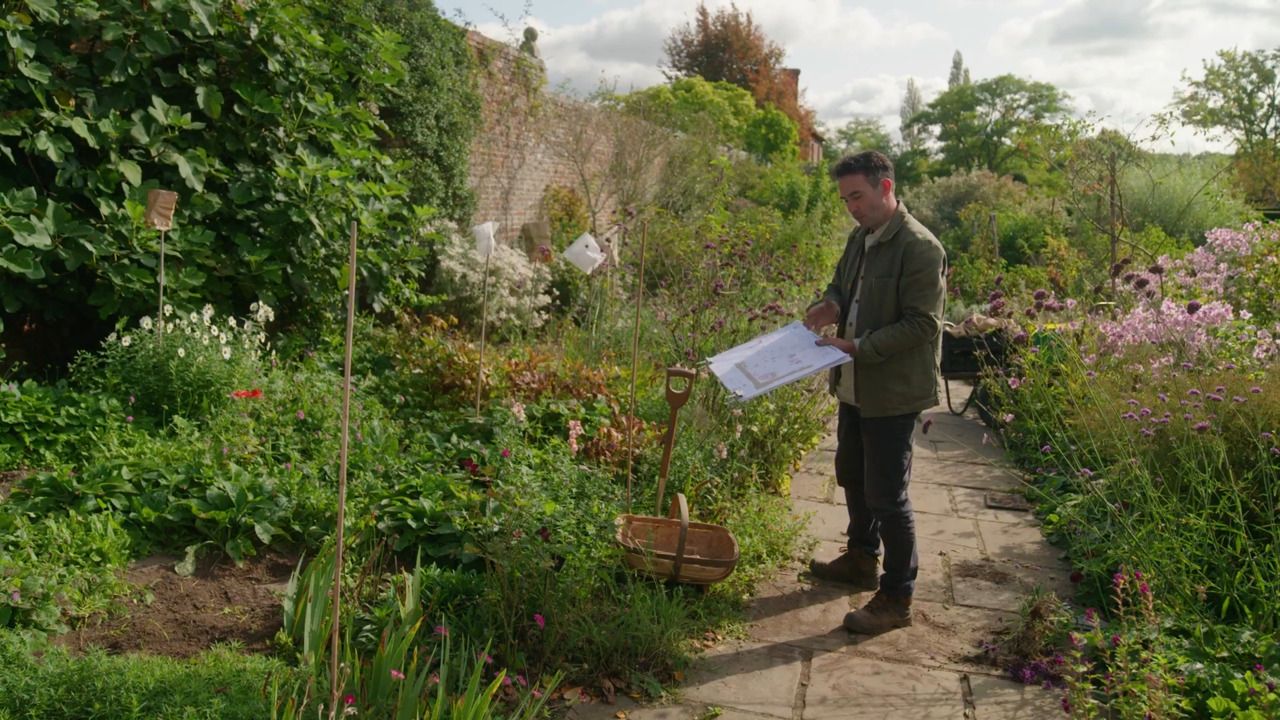
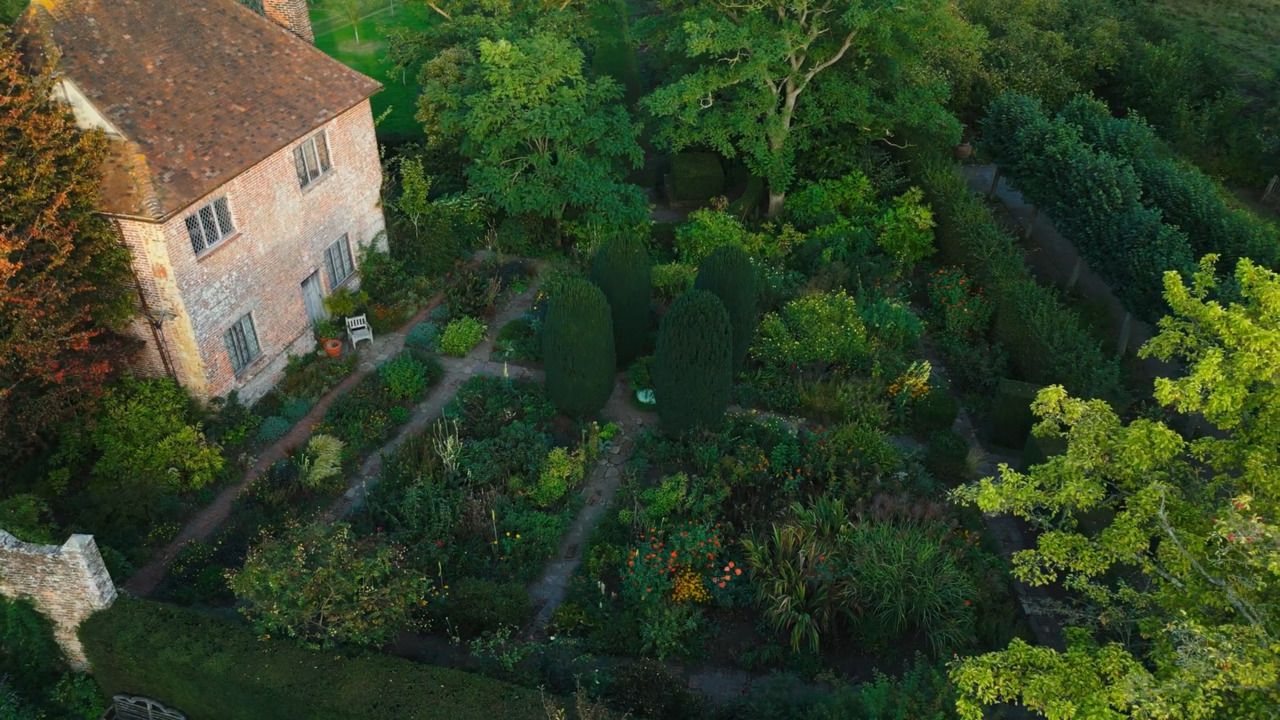
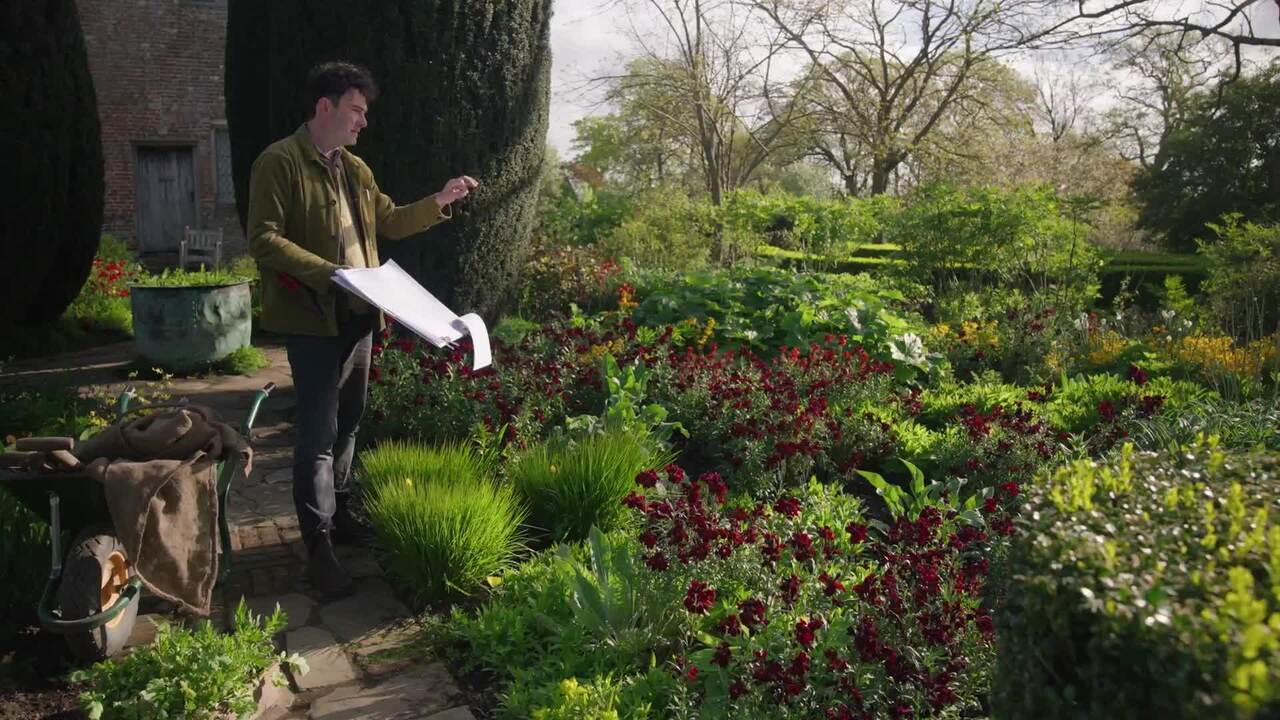
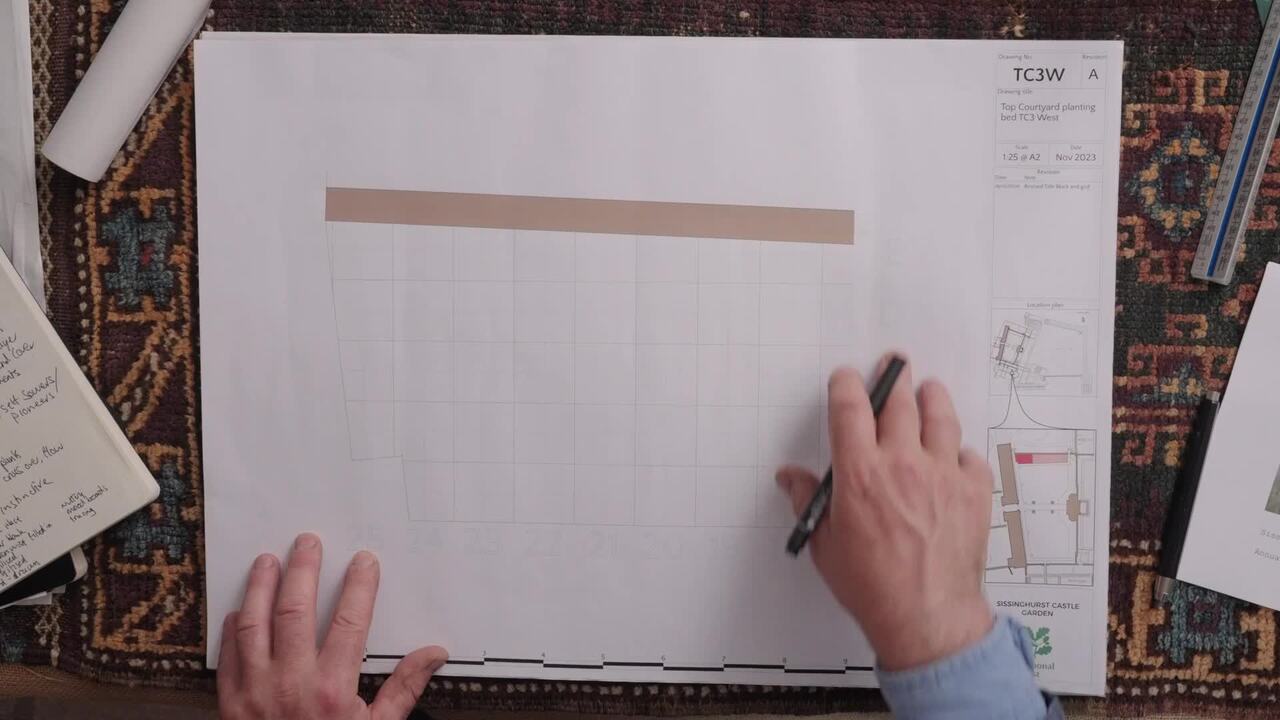
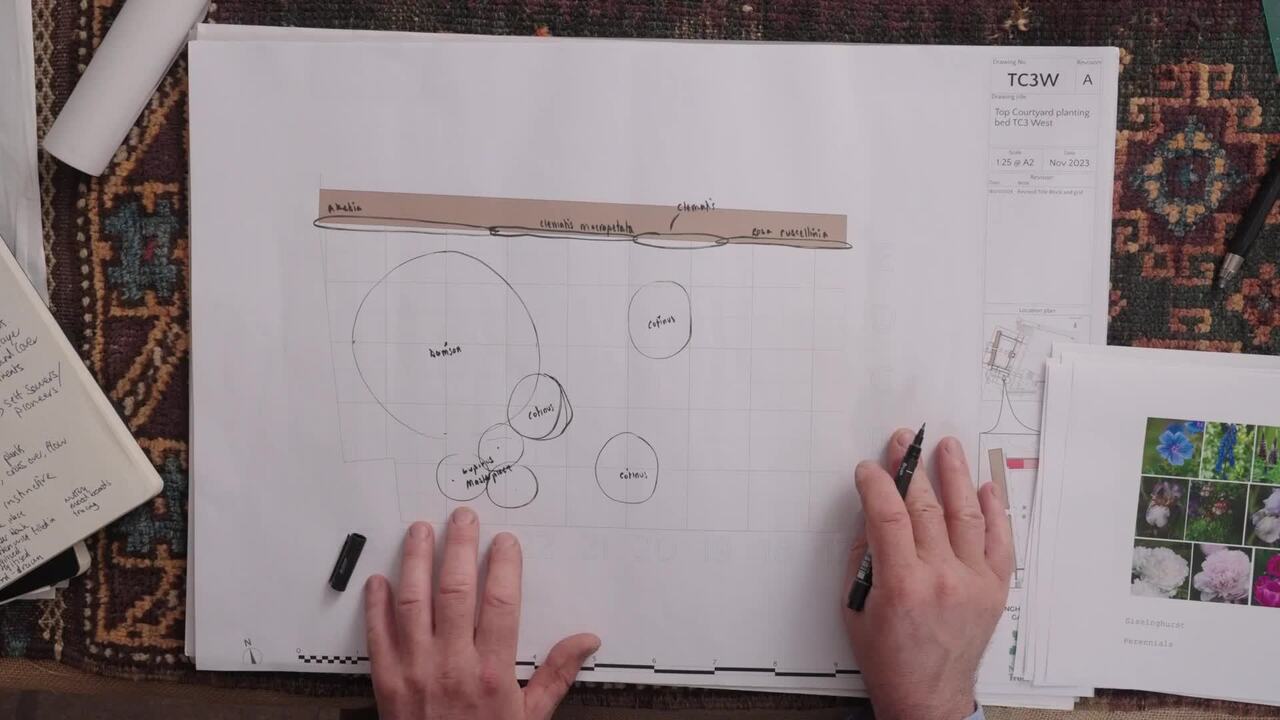
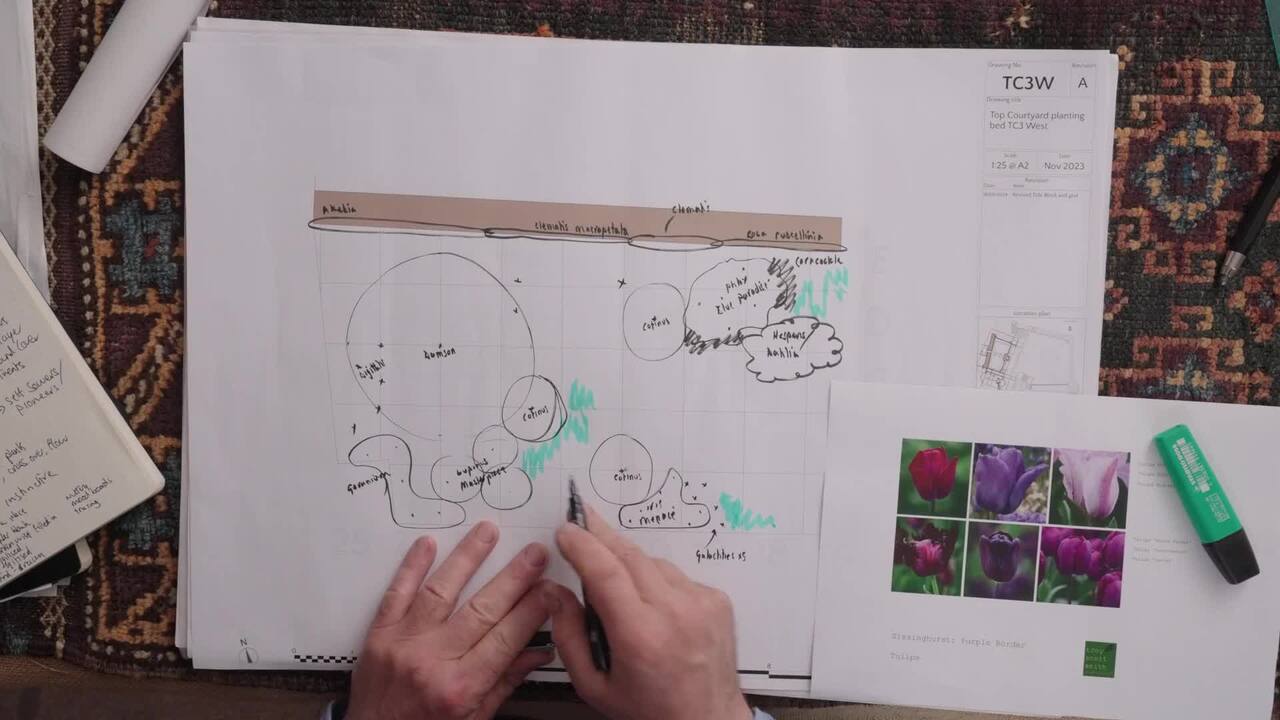
I know this 'Dunwich Rose' was planted in 2017 because we recorded it on the plan of the bed. This is a simple baseplan of the Rose Garden with hand-drawn groups of roses that we list on another page.
• It's really helpful to have a record of what you've planted where and when, and where it was sourced from, and it means we don't need lots of labels.
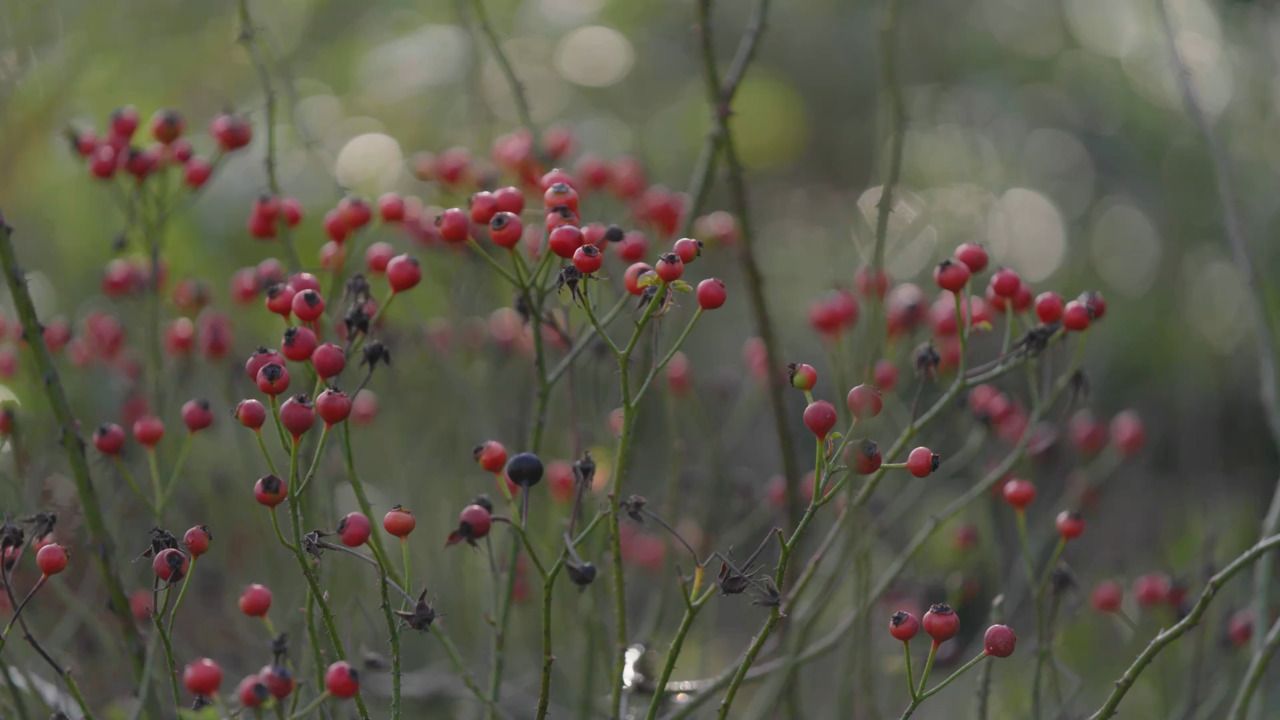
• We also note which roses shouldn't be deadheaded because they have hips.
• It's a useful document that we amend every time we take a rose out or plant a new one.
"For me it's the immersion in the garden that's so satisfying about pruning - the task is important, but it's really feeling at one with the place that I find most satisfying."
• Troy's pick of his favourite Sissinghurst roses from Gardens Illustrated
Get the full workbook, video lessons, and more with a Create Academy subscription.
Subscribe to access the full workbookAlready a member? Sign in to watch
437 reviews
Read moreI have subscribed to access all the courses so have watched one on interior design and this one with Butter Wakefield who specialises in small garden design. She ...
Louise Brown
Apr 10, 2026
I love CreateAcademy. I came in for the gardening and floristry courses, but am also watching an interior design one at present. And the photography course is an ...
Wellesley
Apr 1, 2026
What a great investment, I have learned such a lot from the first three courses. My evenings have gone from not being able to find anything that captured my imagi...
sojojo
Mar 30, 2026
I loved this course with Amanda Lindroth! Her approach to decorating is so relaxed and she makes it feel attainable. She explains the reasons behind her decisions...
Elizabeth
Mar 27, 2026
I have subscribed to access all the courses so have watched one on interior design and this one with Butter Wakefield who specialises in small garden design. She has a lovely personality and comes across as ...
Louise Brown
Apr 10, 2026
I love CreateAcademy. I came in for the gardening and floristry courses, but am also watching an interior design one at present. And the photography course is an absolute must, best I've ever done.
Wellesley
Apr 1, 2026
What a great investment, I have learned such a lot from the first three courses. My evenings have gone from not being able to find anything that captured my imagination on TV to learning and expanding my kno...
sojojo
Mar 30, 2026

Your Instructor
Head Gardener at Sissinghurst. Garden Writer, Speaker & Lecturer.
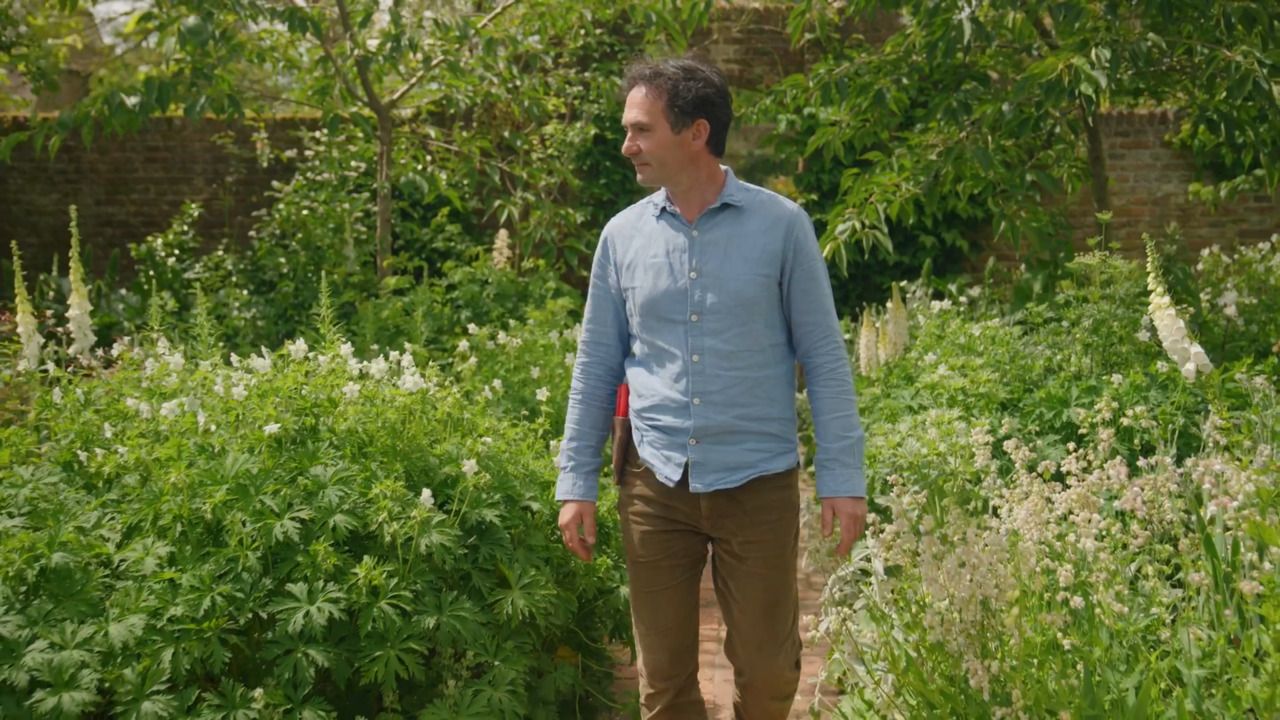
Troy Scott-Smith, previously head gardener of Iford Manor and Bodnant garden, now oversees the cherished grounds of Sissinghurst - one of the most famous gardens in England and is designated Grade I on Historic England's register of historic parks and gardens. Coming from a family of committed naturalists, Troy is a seasoned horticulturist, writer, designer and consultant, Troy is also a respected member of the RHS Floral Committee. When he set his sights on the head gardener role, he did so with refreshing candour, speaking passionately of the garden’s need for thoughtful evolution. It is a mark of the National Trust’s forward-thinking spirit that they embraced his vision, inviting him to guide this historic landscape into a compelling new chapter.
Access to all courses


