The Art of Gardening at Sissinghurst

The history & layout of Sissinghurst

with TROY SCOTT SMITH — Head Gardener at Sissinghurst. Garden Writer, Speaker & Lecturer.

Lesson 2 of 56
Rated 4.7/5 on Trustpilot
|

Learn from the world's best creative minds on Create Academy

The history & layout of Sissinghurst - Video thumbnail

Buy or subscribe to watch

Sissinghurst’s history and the influence that it has on the way the garden is managed today a theme that runs throughout the course. Troy takes us through the story behind the garden, its creators, and some of the most iconic areas.

From the Lesson Workbook

The History & Layout of Sissinghurst

I humbly suggest that no garden has had a greater influence on the second half of the 20th century than Sissinghurst. Its inspirational hold continues to endure and span the generations.

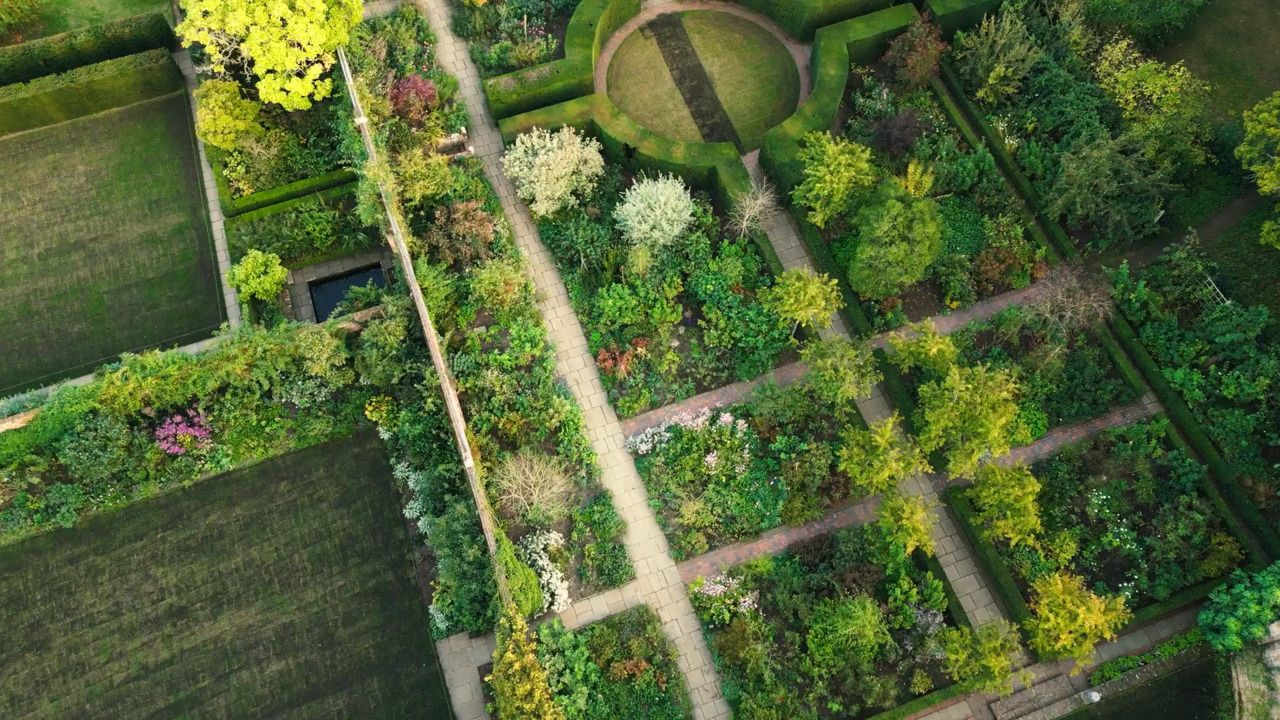
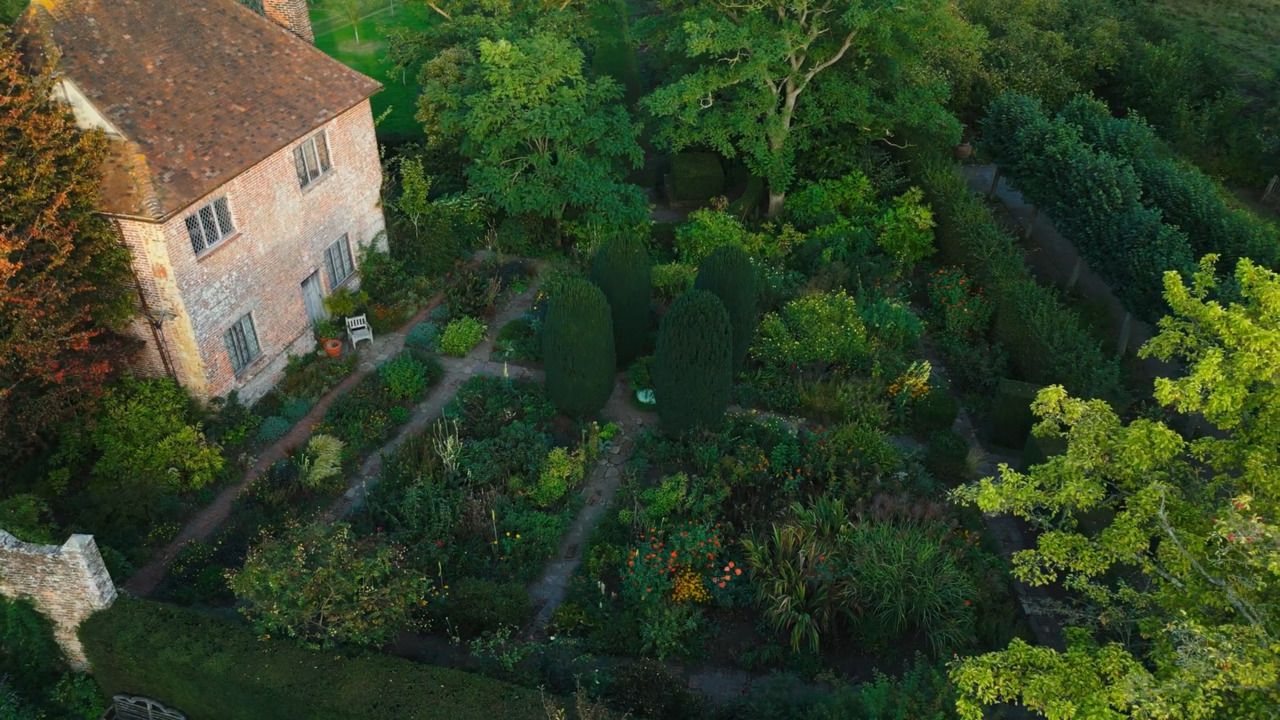
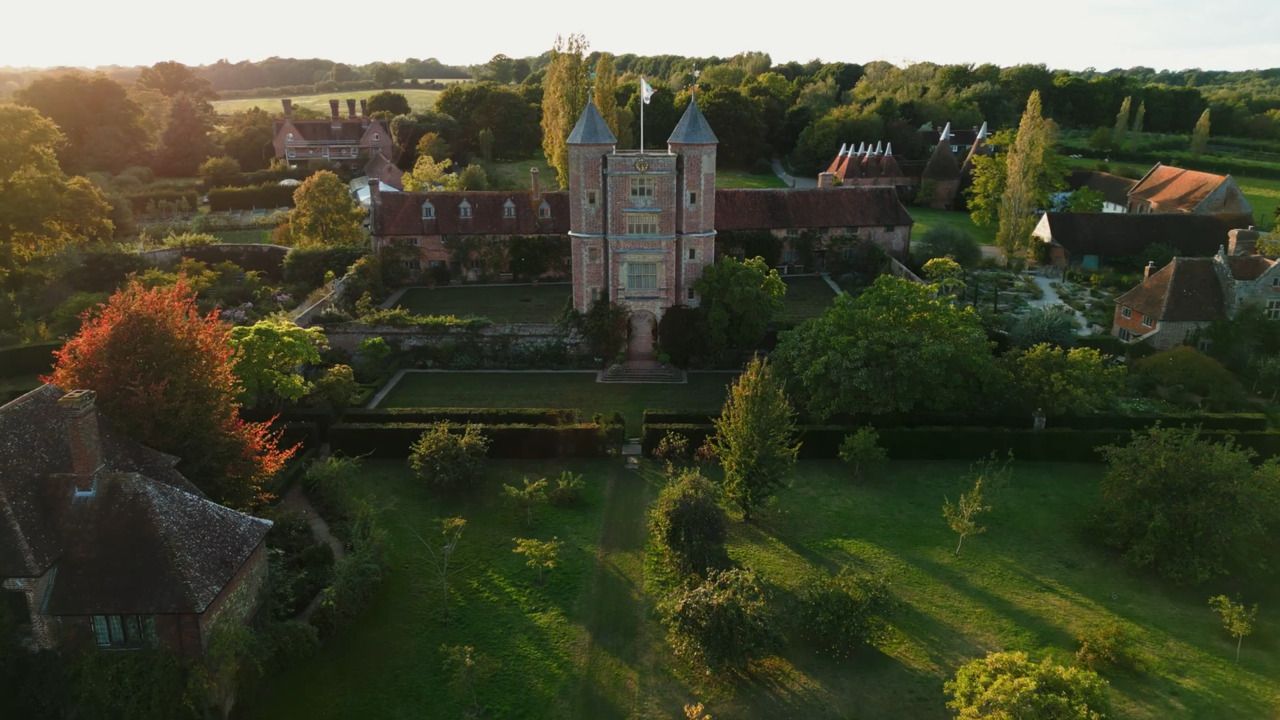
Sissinghurst is the epitome of the English garden - created over 30 years from 1930, and the result of the creative tension between the exuberant planting of poet, novelist and garden writer Vita Sackville-West, and the formal design of her husband, diarist and diplomat Harold Nicholson.

The history of Sissinghurst and its influence on our gardening approach here is a theme that runs throughout the course. To begin, I'd like to share the story of the garden, its creators, and some of its most iconic features.

Vita and Harold arrive at Sissinghurst

  • Vita was born at Knowle in 1892, a large ancestral Tudor home in the Weald of Kent. Being female, she couldn't inherit when her father died, and in 1930, she came to Sissinghurst, which had been up for sale for several years.
  • Sissinghurst was a tangled ruin. It instantly caught Vita's imagination, and she knew that somehow she could redeem her life here, not by bricks and mortar but by plants and flowers and making a garden.
  • Together, she and Harold created this incredible, beautiful and quite individual and personal garden that we can all enjoy today.

The perfect match

  • The combination of Vita and Harold's contrasting characters and skills was what enabled them to create the garden at Sissinghurst, combining his talents for conceptualising and organising space with her sensibilities for colour and romance.
  • Harold's perfect solutions created order from the chaos to which they arrived, and produced spaces that Vita could furnish with her favourite flowers in ten intimate garden rooms, each with a different character and plant palette.

Becoming a National Trust garden

  • Vita died in 1962 and Harold in 1968. The garden was gifted to the Trust in 1967.
  • The National Trust is Europe's largest conservation charity, looking after 222 historic parks and gardens with 101 head gardeners.
  • The National Trust was founded in 1895 by three people on the simple and enduring idea that we all need places that are beautiful, natural and historic, and those values are still at the heart of everything they do today.

Creating a pioneering layout

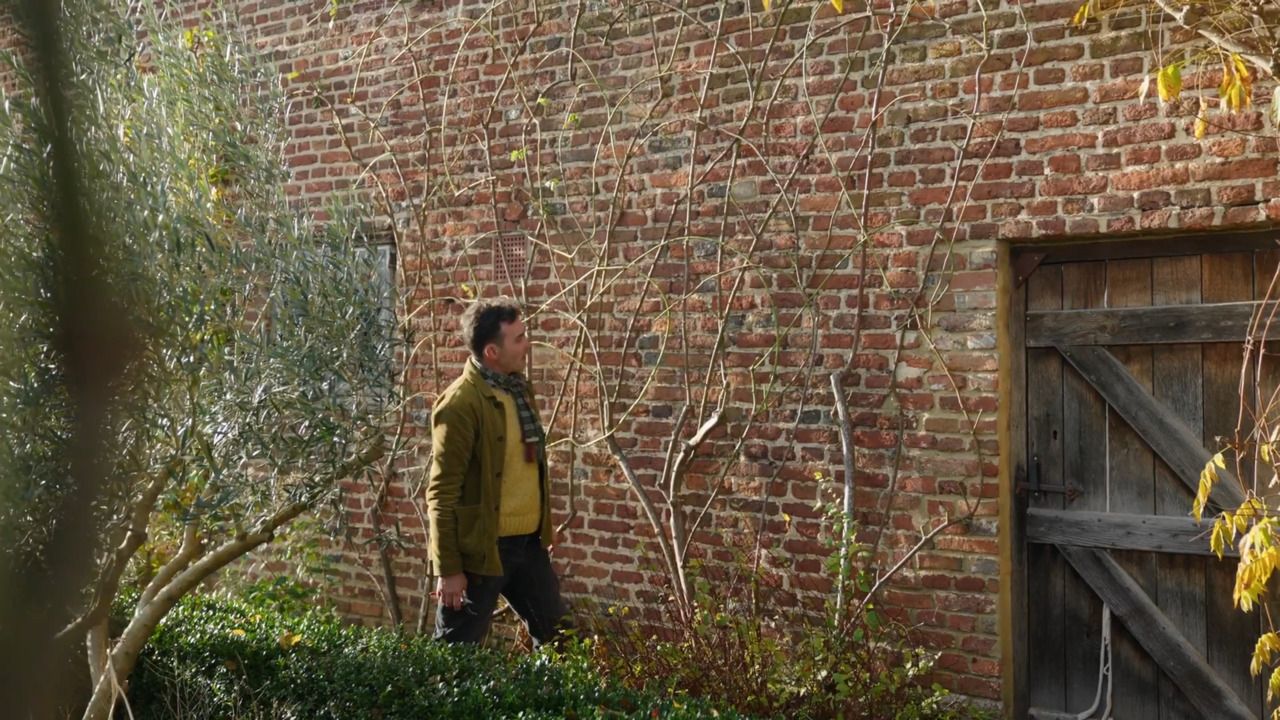
  • The garden is divided into ten rooms, with the layout dictated by what Harold and Vita found here - they were very respectful of the Medieval walls and Tudor buildings.
  • They added a few new walls, but they didn't take anything away.
  • The garden is based on the idea of long axial views that stretch north-south and east-west through the garden, usually terminating in a focal point, but then opening off those vistas are the surprises of small geometric rooms scattered across the five acres.

The Top Courtyard

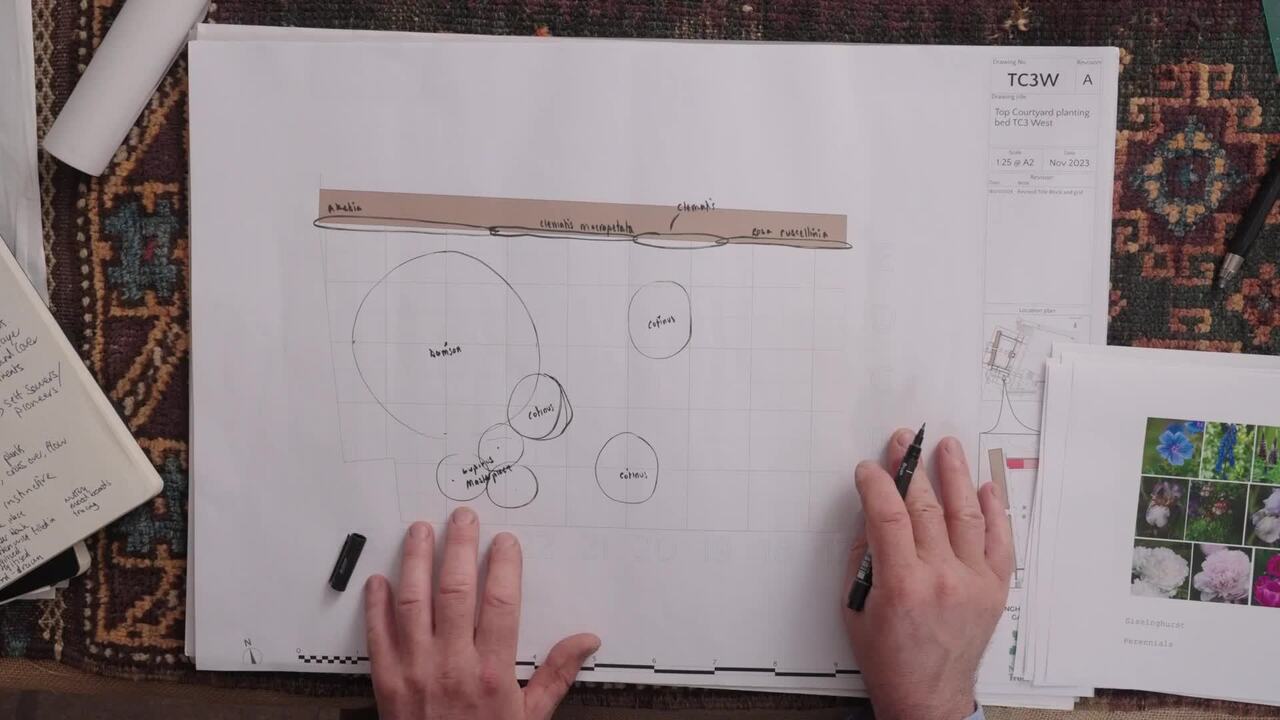
  • The Top Courtyard is the first room you come to inside the garden, and the first real space where Vita started to lay out the bones of the garden with Harold, and then the planting she wanted.
  • It's quite restrained - they're leading you into the garden proper and the exuberance that's beyond the walls.
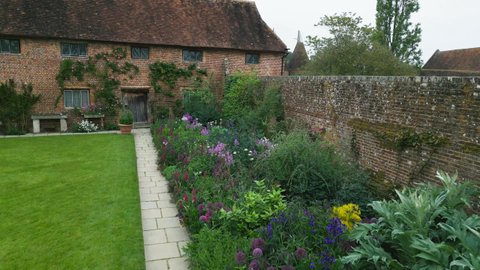
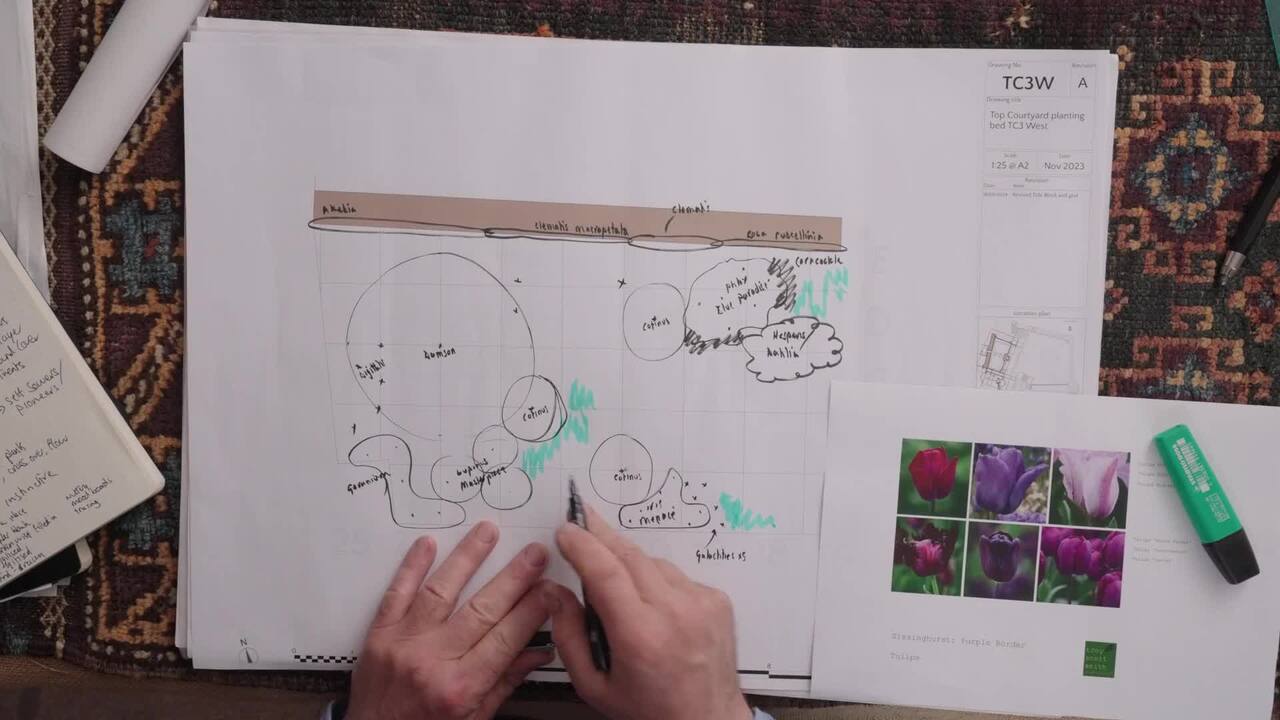
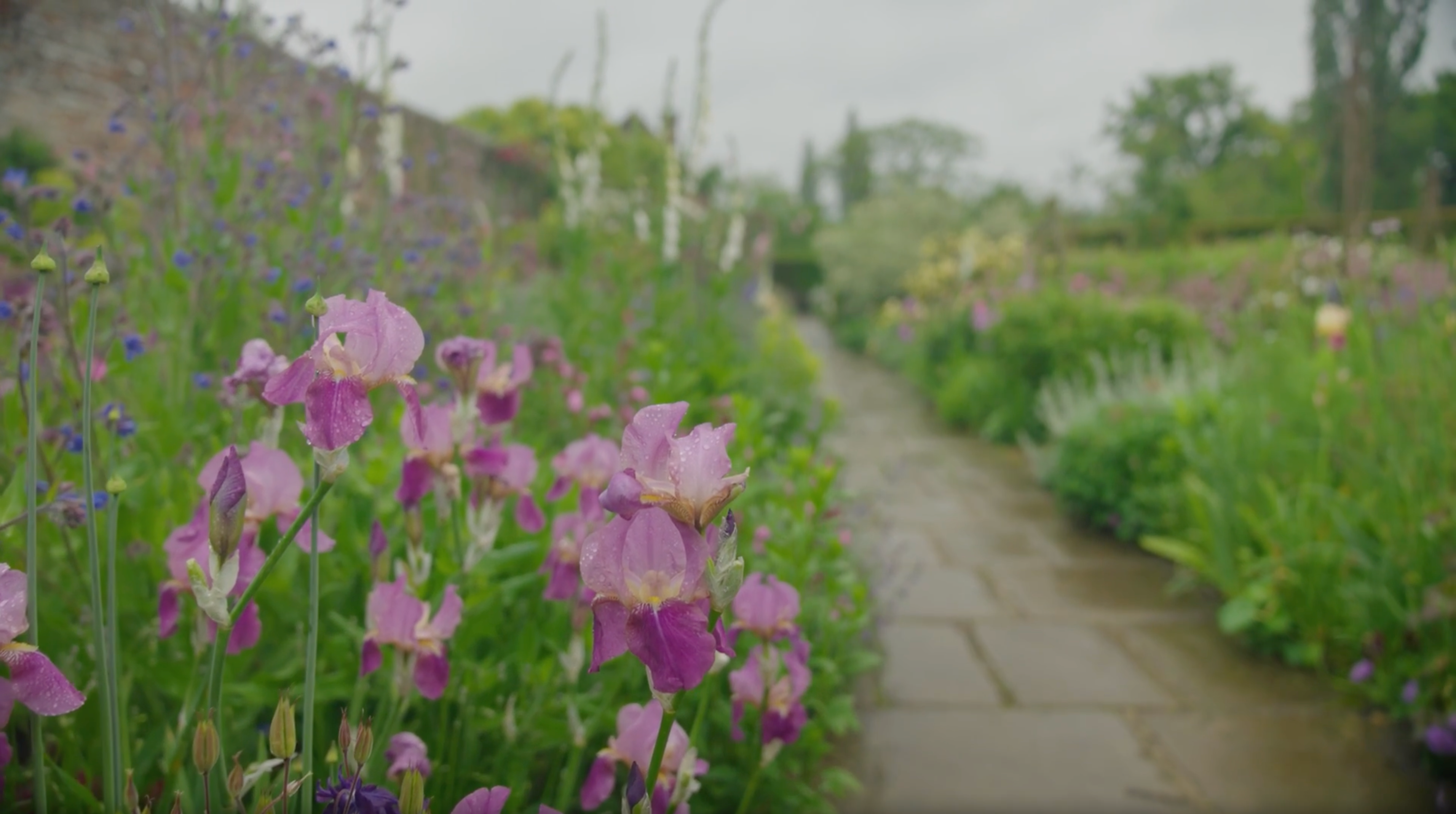
  • The emphasis is courtyard feel, with a large expanse of lawn surrounded at the edges by borders, with the keynote border being the Purple Border.
  • This shows the opportunities that different colour palettes and orientations can produce.

Which colours where

  • The Purple Border is a south-facing border - you might think purple is a difficult colour, and it can be in the middle of the day, when it can feel quite sullen, but it works at either end of the day when the light's softer.
  • It might be a colour palette you choose in an area of the garden where you have breakfast, so you can enjoy the richness and saturated colours of those purples.
  • We'll look at those ideas around colour and the mood it might dictate in your garden.

The Rose Garden

  • From the Purple Border in the Top Courtyard, a gate leads into the Rose Garden. Those thresholds are important - the gate is deliberately understated - quite a narrow gate, and you explode into the glory of the Rose Garden, especially in June.
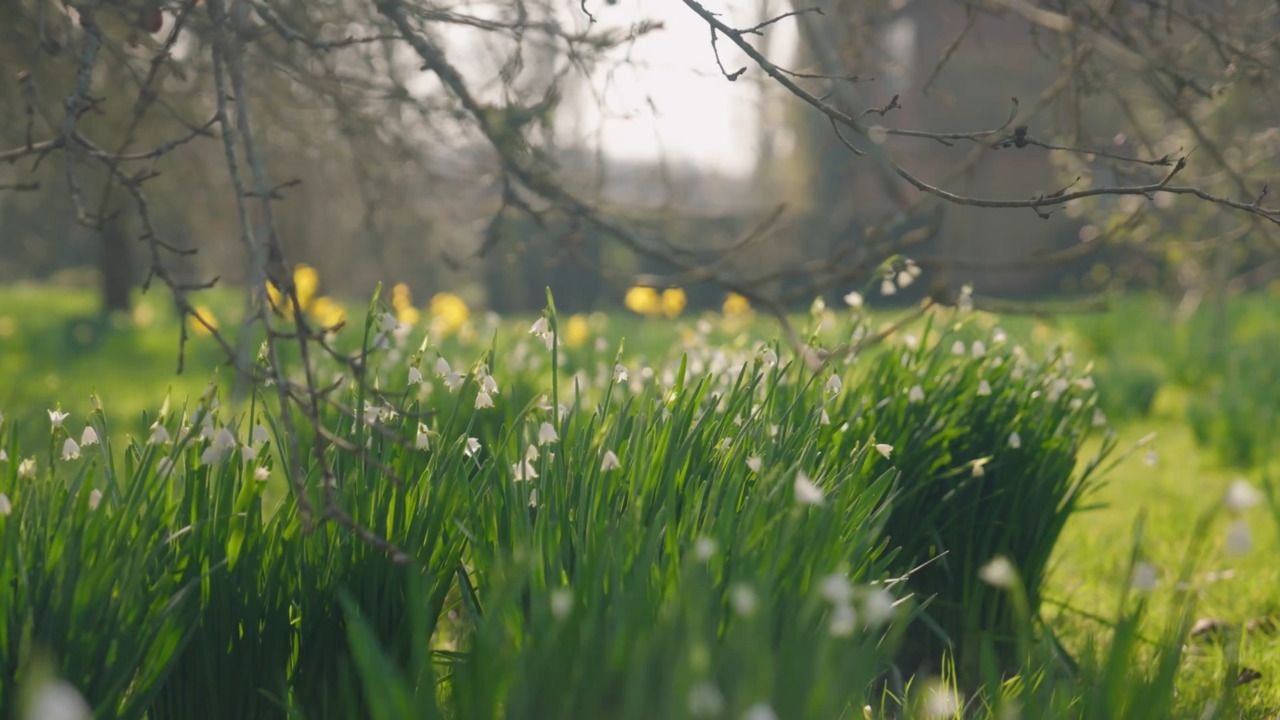
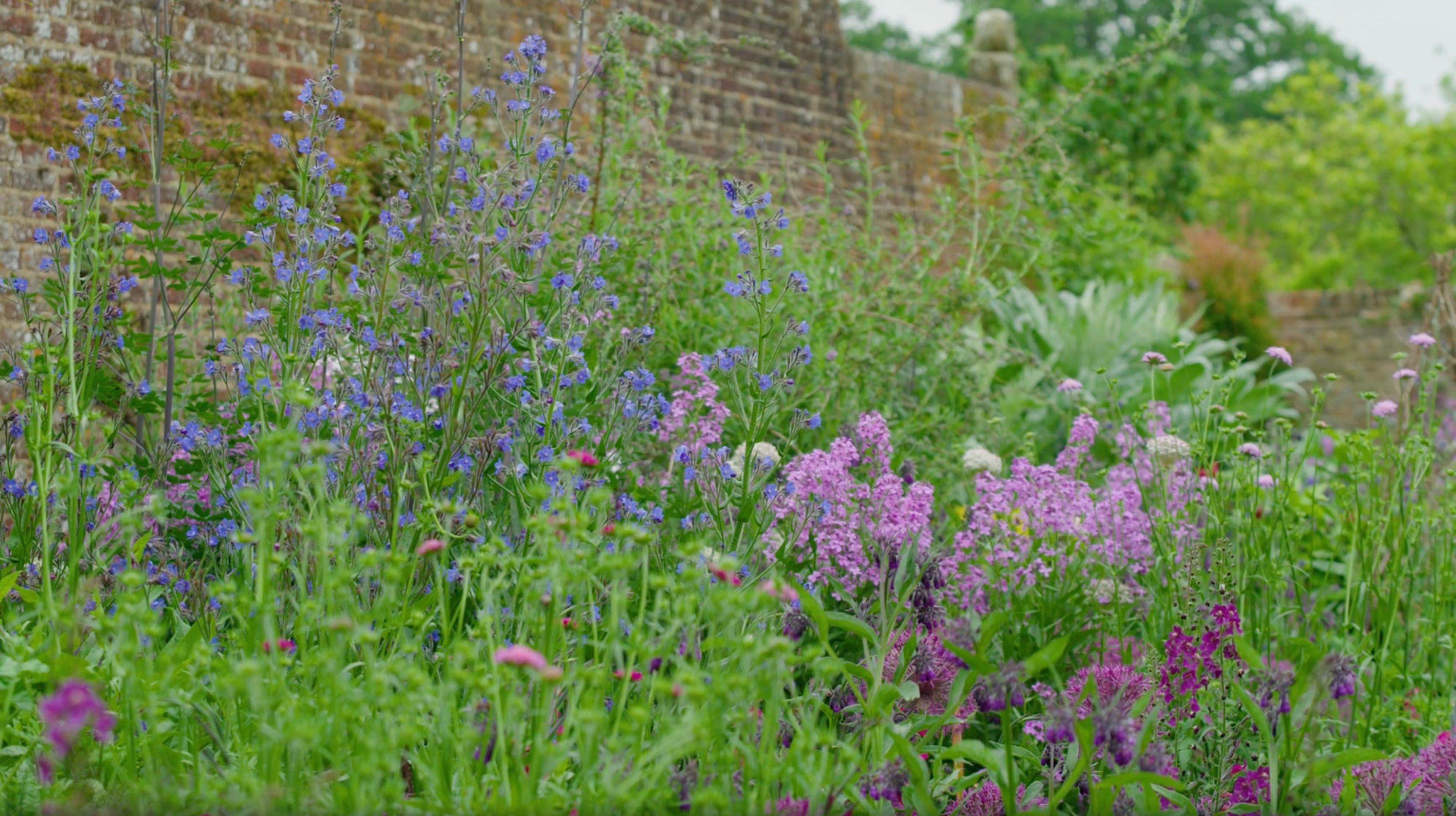
  • Here there are not only roses, which I'll share with you, but also the mass of underplanting. The wealth of plants that are in there and how we engineer those schemes through the year. Starting early with spring bulbs, moving through to annuals and biennials we'll sow the year before to just precede the roses before fading into something else later in the season.
  • The Rose Garden is my favourite space at Sissinghurst, along with the Orchard - it's such a well-designed space with the exuberance of the borders but also the restraint of the layout with generous paths, and a calm pool of space formed by a circular lawn in the centre for a moment of refuge and reflection. We need those as well, and we'll look at how to put those into your own garden.
  • You can choose different routes through the Rose Garden, and that's one of the unusual things about Sissinghurst - they created spaces in the garden that you could close off and choose not to go into if it wasn't looking its best.
  • So from the Rose Garden, in spring you'd go right into the Lime Walk or Spring Garden, filled with spring bulbs, while at other times of the year you might go left into the Cottage Garden, or as Harold and Vita called it, the Sunset Garden; the next significant garden room.

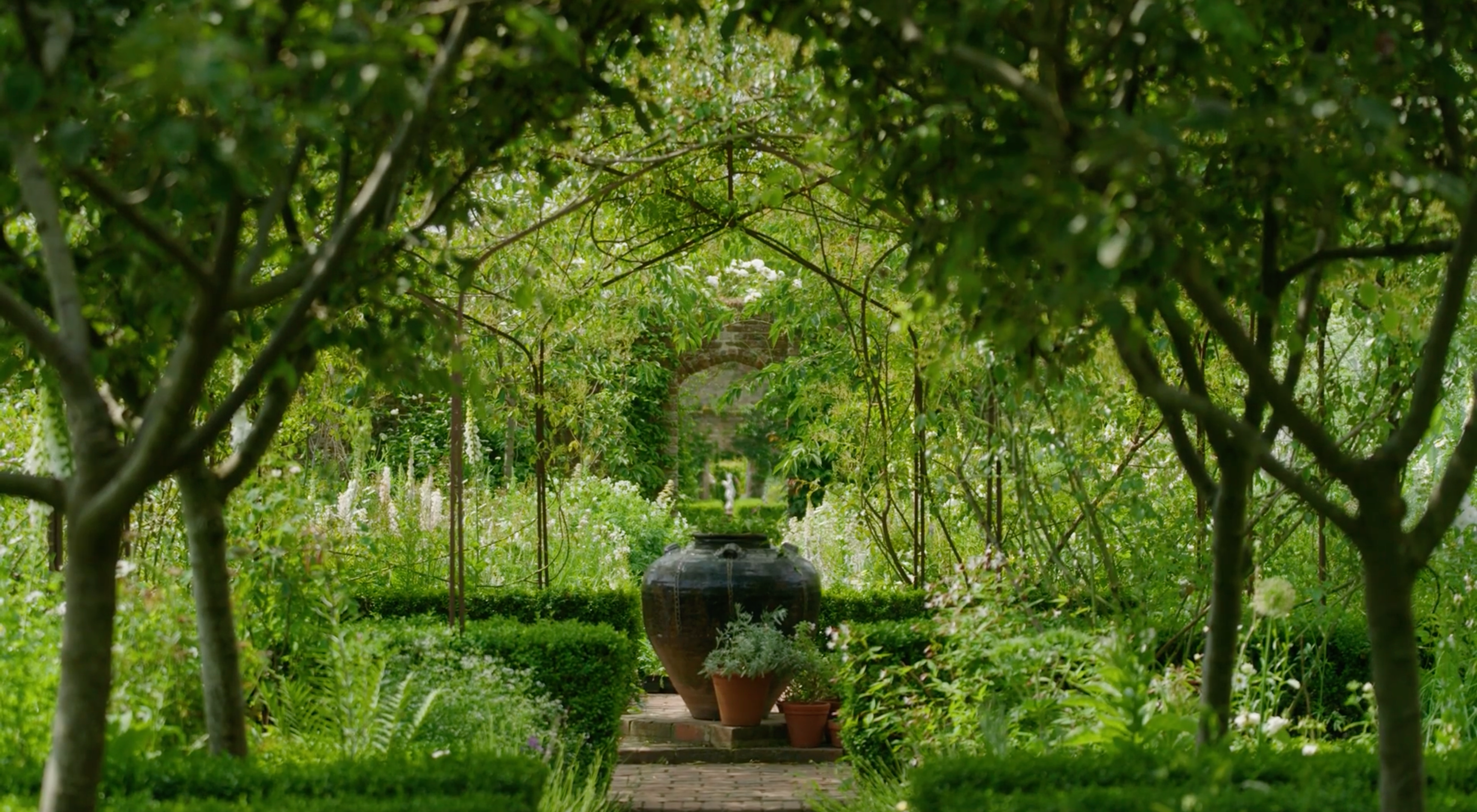
The White Garden

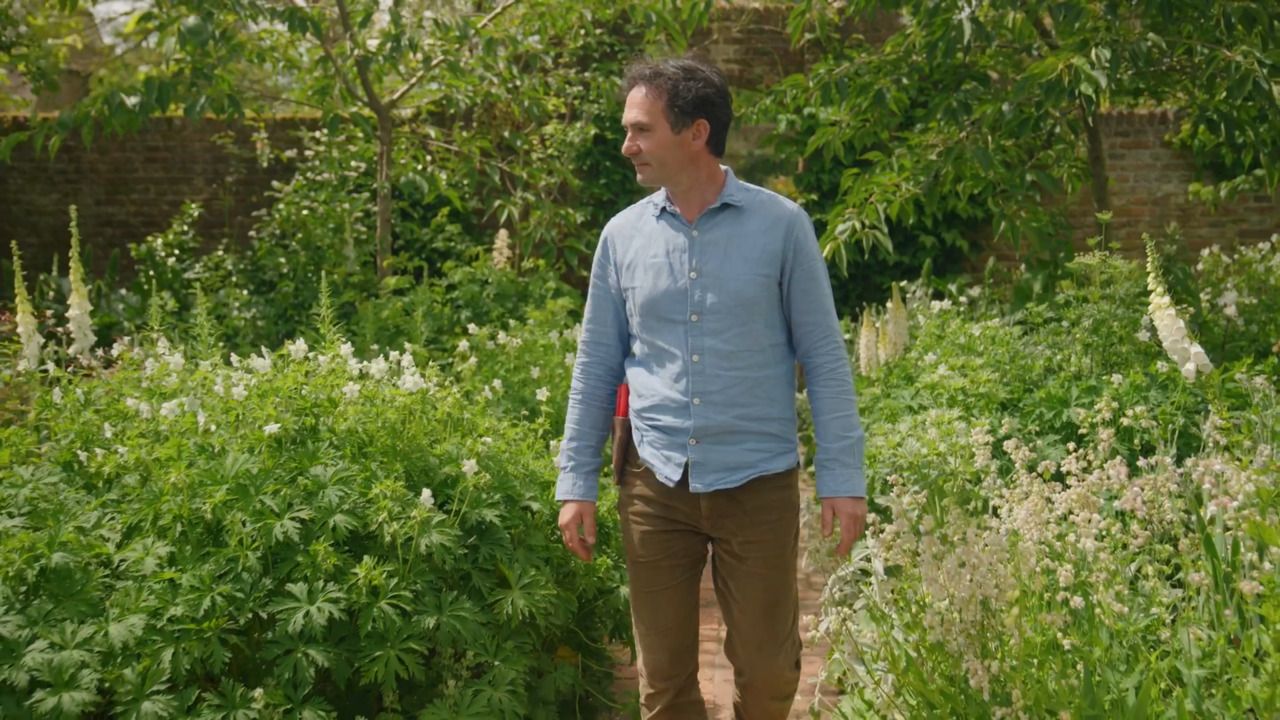
  • The White Garden is Vita's most memorable piece of single colour gardening.
  • It's not really about big contrasts of leaf shapes - it's more about flower shapes and the tonality of the planting.
  • Vita was an expert at blending colours - hot colours in the sunset garden, the Purple Border - but in the White Garden it's taken to an extreme, with white flowers complemented by grey and green foliage.
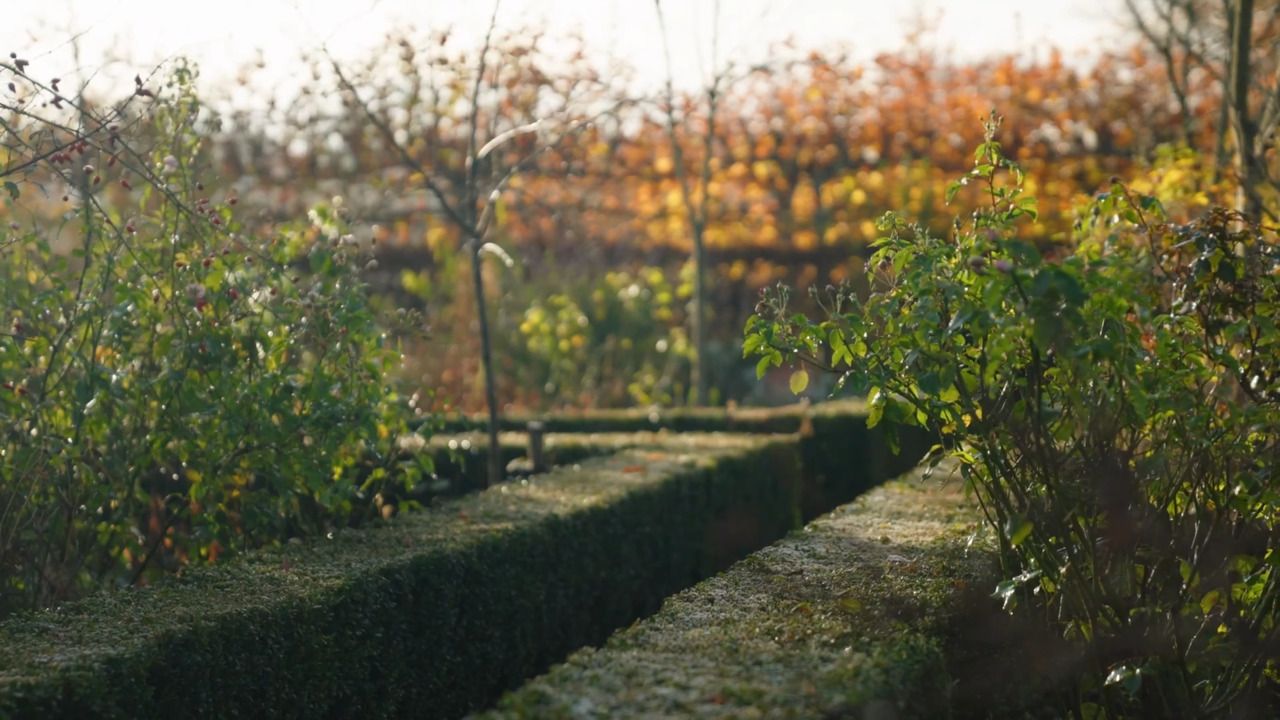
  • Structure, texture and form are key - not only in the flowers, but in the layout of the garden - the hedges, the shadow lines the low box hedges create on the path - we'll be exploring how to get the design right.
  • It doesn't need to be high tech; it just needs to work and have restraint in materials.

Pairing plants

  • We'll develop the idea of furnishing a garden with plants, how to combine different flower shapes and the dialogue that creates, and always planning what happens next - there always needs to be another pair of plants waiting in the wings to continue the narrative.
  • The White Garden is an exercise in gardening that's both very simple and very complex. This was Vita's way of gardening - fairly free, instinctive, experimental yet traditional.
  • Sissinghurst brings all of this together, weaves through a thread of the exotic - taking inspiration from Persia, where Vita and Harold travelled, in its colours and geometry - then blends that with very simple influences from the wild beyond the garden walls.

Borrowed landscape

  • Sissinghurst is linked inextricably to its buildings and to the farm that sweeps up to the garden boundaries.
  • Take these lessons from Sissinghurst and think about what's beyond your boundaries - what's a view that you can bring into your garden, where are those borrowed views, that 'shakkei' - the idea of borrowing the landscape.
  • Sissinghurst has so much to offer, and I'm excited to share with you and show you over the course of the year and the series of lessons everything that it has to offer.

Further resources

For anyone seeking a greater understanding of the story of Sissinghurst, its style and the magic created by its design and planting, several great books have been written. These include:

  • Sissinghurst: The Dream Garden by Tim Richardson (2020)
  • Vita Sackville-West's Sissinghurst: The Creation of a Garden by Vita Sackville-West and Sarah Raven (2014)
  • Sissinghurst: An Unfinished History by Adam Nicolson (2009)

Assignment

Go out into your garden and really observe its surroundings, and what you can see on the horizon or outside the garden. Think about borrowed landscape or shakkei: are there any elements you can create view lines to?

If you're in a town or city, you may also be thinking about creating privacy, but you can still have a borrowed landscape.

  • Are there any trees outside the garden boundaries that you can visually include in your own garden design?
  • Are there any architectural elements from surrounding buildings that you like and might want to create a view line to?
  • You can incorporate visual elements from surrounding gardens or parks to make your garden feel bigger, as well as using physical elements such as shade from nearby trees.

Glossary

Shakkei

Also known as 'borrowed scenery', a Japanese garden design principle in which distant elements like mountains, trees, or buildings are incorporated into the garden's design, effectively expanding its perceived boundaries and blurring the line between the garden space and the surrounding landscape.

Plant Directory

Canna species and cultivars

Cannas, canna lilies

Tender herbaceous perennials from rhizomes

Cannaceae

Buxus sempervirens

Common box

Hardy evergreen shrub or small tree

Buxaceae

Dahlia species, hybrids and cultivars

Dahlias

Tender or half-hardy tuberous or herbaceous perennials

Asteraceae

Digitalis purpurea f. albiflora

White foxglove

Hardy herbaceous or semi-evergreen biennial or short-lived perennial

Plantaginaceae

Erysimum species and cultivars

Wallflowers

Hardy or sometimes half-hardy annuals, biennials or woody-based perennials

Brassicaceae

Iris germanica species and cultivars

Bearded irises

Hardy herbaceous perennials from rhizomes

Iridaceae

Leucanthemella serotina

Autumn ox-eye

Hardy herbaceous perennial

Asteraceae

Prunus insititia

Damson

Hardy deciduous small tree

Rosaceae

Rosa species and cultivars

Roses

Hardy deciduous shrubs or climbers

Rosaceae

Taxus baccata

Common yew, English yew

Hardy evergreen tree

Taxaceae

Tulipa species and cultivars

Tulips

Hardy bulbous perennials

Liliaceae

Get the full workbook, video lessons, and more with a Create Academy subscription.

Subscribe to access the full workbook
Access all courses
$30 /month

Access 56+ courses, billed annually

Subscribe Now
Buy this course
$267 one-time

Lifetime access to this course

Buy Course

Already a member? Sign in to watch

Rated 4.7/5 on Trustpilot

437 reviews

Read more

Very good tutorial from a professional garden...

I have subscribed to access all the courses so have watched one on interior design and this one with Butter Wakefield who specialises in small garden design. She ...

Louise Brown

Apr 10, 2026

Time spent well

I love CreateAcademy. I came in for the gardening and floristry courses, but am also watching an interior design one at present. And the photography course is an ...

Wellesley

Apr 1, 2026

What a great investment

What a great investment, I have learned such a lot from the first three courses. My evenings have gone from not being able to find anything that captured my imagi...

sojojo

Mar 30, 2026

I loved this course with Amanda\u2026

I loved this course with Amanda Lindroth! Her approach to decorating is so relaxed and she makes it feel attainable. She explains the reasons behind her decisions...

Elizabeth

Mar 27, 2026

Troy Scott Smith

Your Instructor

Troy Scott Smith

Head Gardener at Sissinghurst. Garden Writer, Speaker & Lecturer.

Troy Scott-Smith, previously head gardener of Iford Manor and Bodnant garden, now oversees the cherished grounds of Sissinghurst - one of the most famous gardens in England and is designated Grade I on Historic England's register of historic parks and gardens. Coming from a family of committed naturalists, Troy is a seasoned horticulturist, writer, designer and consultant, Troy is also a respected member of the RHS Floral Committee. When he set his sights on the head gardener role, he did so with refreshing candour, speaking passionately of the garden’s need for thoughtful evolution. It is a mark of the National Trust’s forward-thinking spirit that they embraced his vision, inviting him to guide this historic landscape into a compelling new chapter.
Access to all courses

Get access to unlimited learning with a Create Academy subscription